


Up to
98%
Infrared Rejection

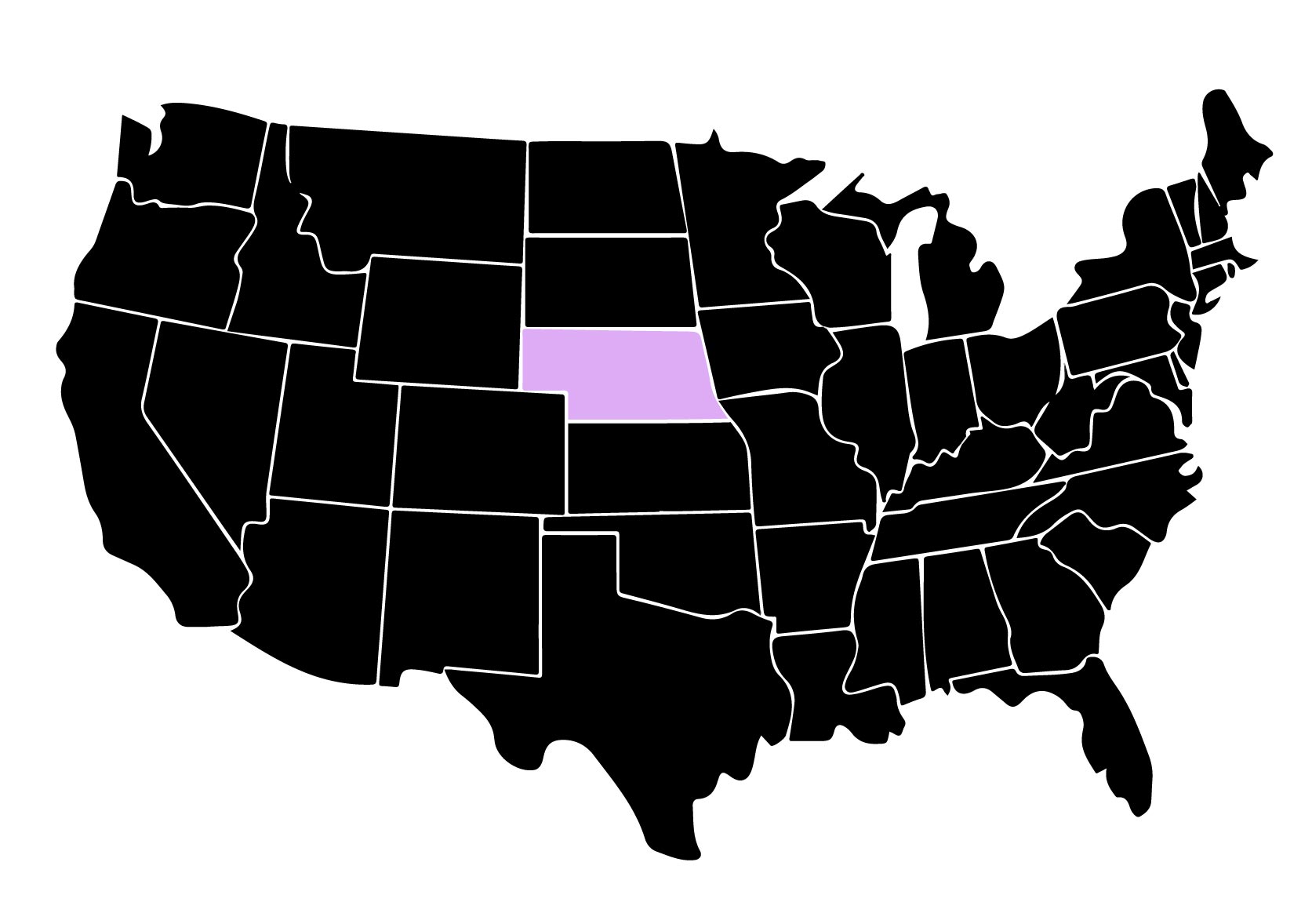
Tint rules for vehicles in Nebraska set out how much light the glass on your car has to let through, and they apply whether the film was fitted yesterday or years ago. This guide explains how the limits are organized, what happens if a vehicle does not comply, and how modern nano-ceramic film lets you address solar heat without defaulting to the darkest shade available.

If the film on a vehicle does not meet the state's requirements, the consequences are decided by law enforcement and the courts rather than by the installer. Depending on the circumstances, that can mean a fine, a requirement to correct the tint and show that it has been corrected, or both, and repeat violations are generally treated more seriously. The practical takeaway is simple: check what applies to your vehicle before film goes on, and keep a note of the film and shade that were fitted.
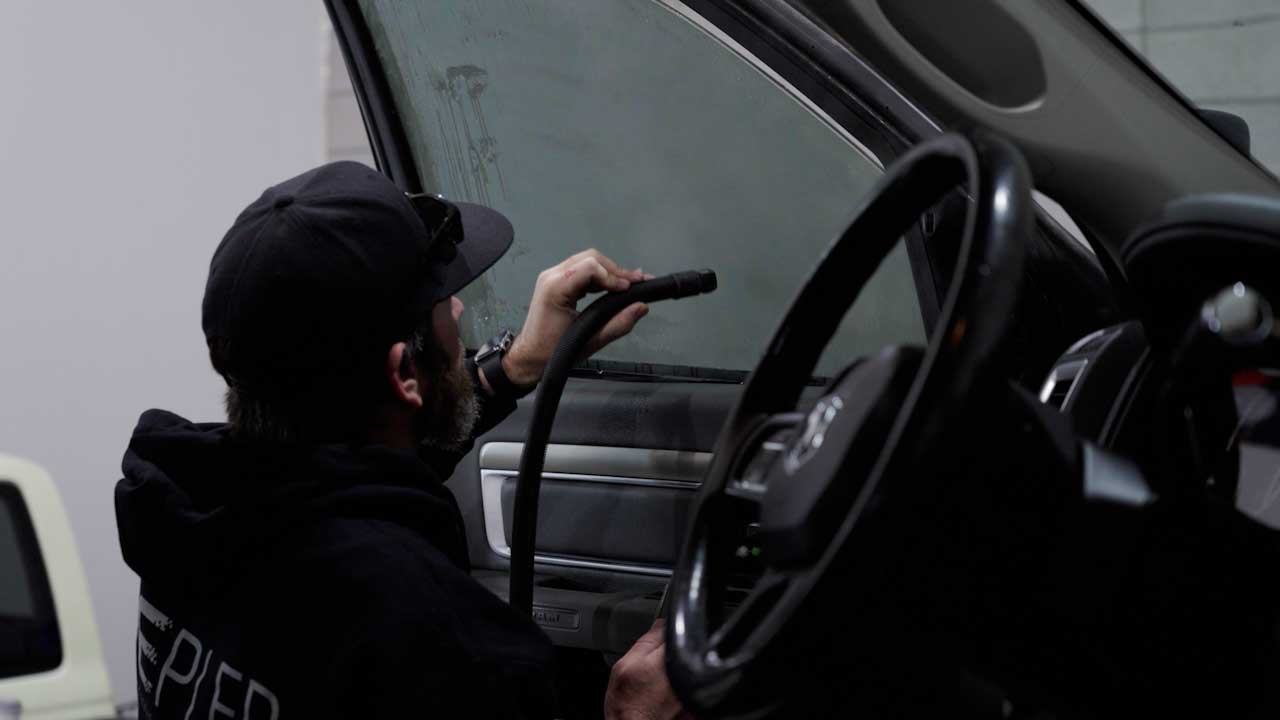
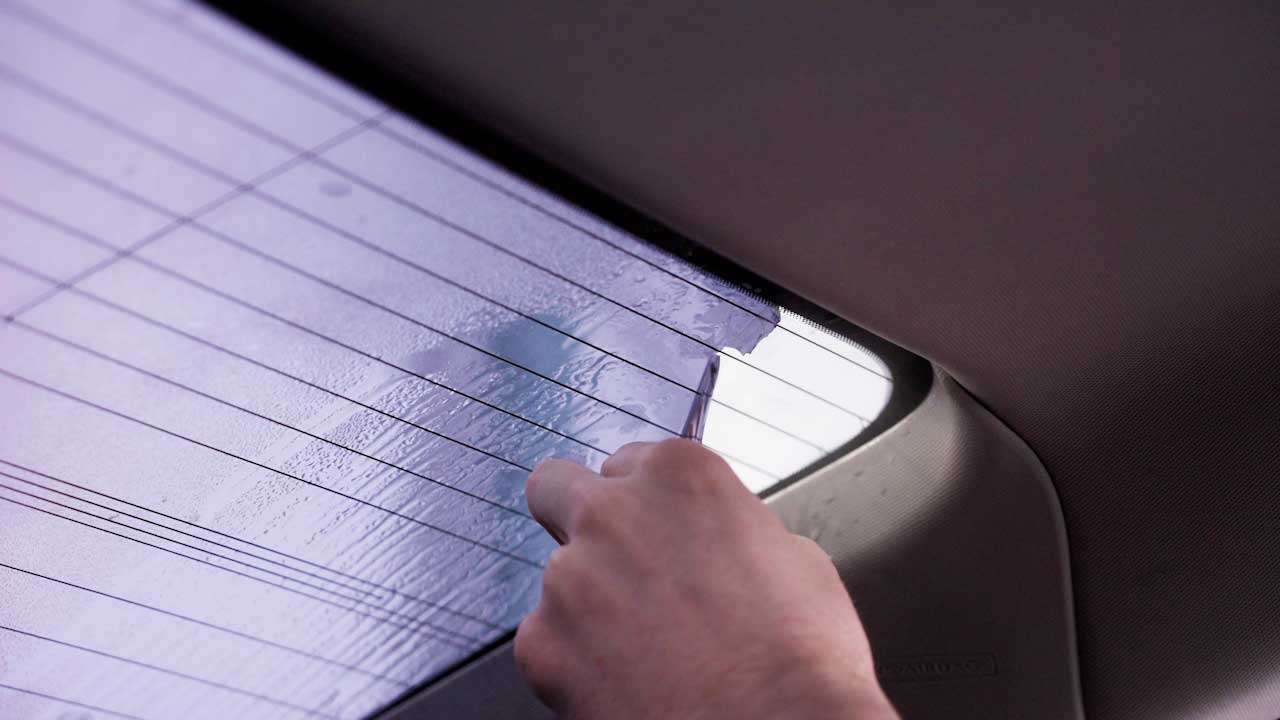
Removing film is slow work and often leaves residue behind. Rear window heating elements can also be damaged if the film is lifted carelessly.
State tint rules are written around vehicle type, with separate sets of figures for passenger cars and for multi-purpose vehicles such as SUVs, vans and trucks. Within each set, the windshield, the front side windows, the rear side windows and the rear window are treated differently, because each one contributes something different to a driver's view of the road. The panels below show how the limits are laid out for each vehicle category.
Passenger Vehicles
Passenger vehicles cover sedans, coupes and convertibles. The figures shown here set out what applies to the windshield, front side, rear side and rear glass on this type of vehicle, so you can see how a planned shade compares before anything is fitted.
A non-reflective tint / sun strip, is allowed 5 inches or AS1 line as long as it does not go past the AS-1 line on your windshield.
The law allows 35% of light visibility for front side windows.
The law allows 20% of light visibility for rear side windows.
The rear window must allow more than 20% of light in
Want a quote for car window tinting?
Get a Tint Quote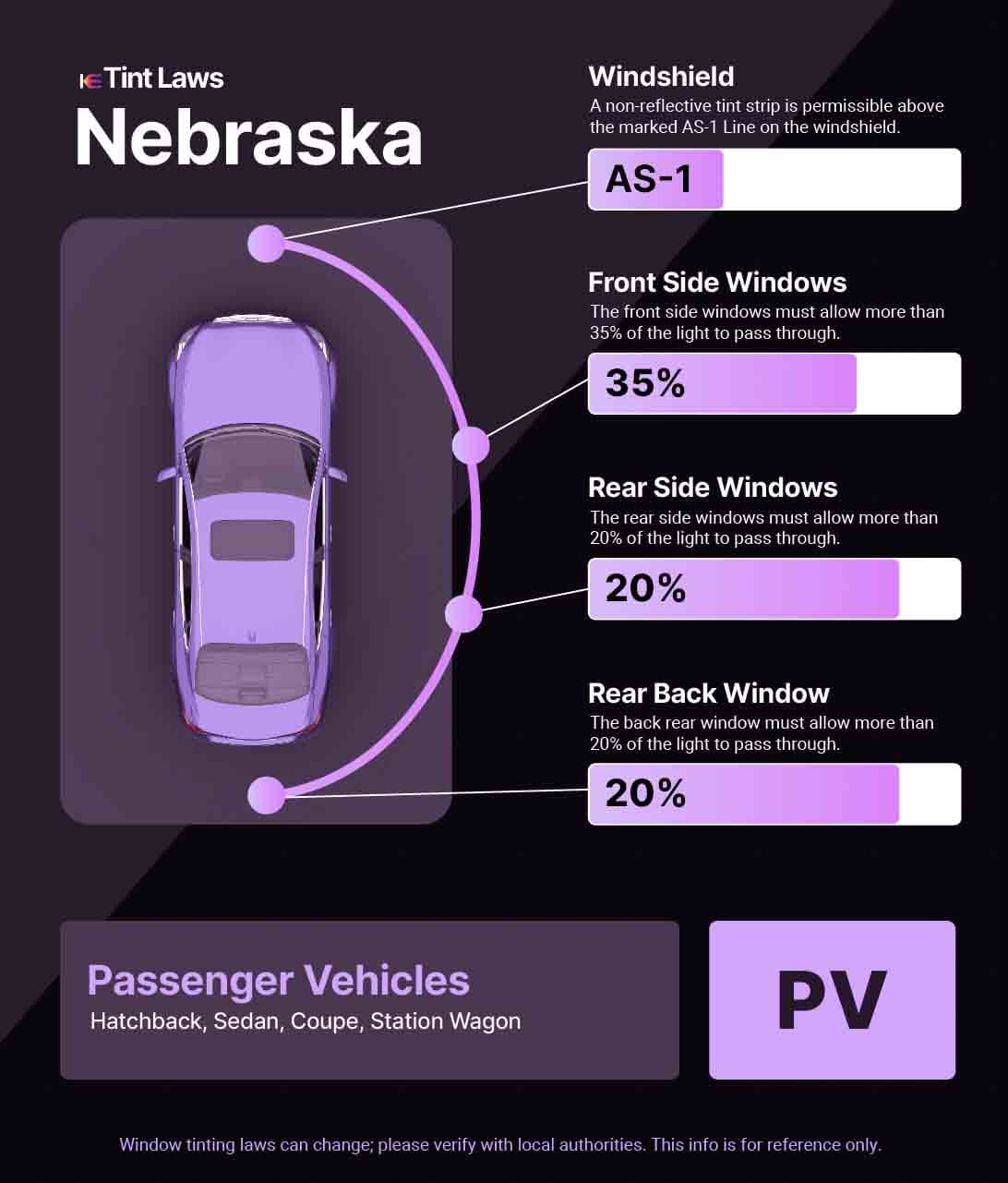
Passenger Vehicles
Hatchback, Sedan, Coupe, Station Wagon
Multi-Purpose Vehicles
Multi-purpose vehicles include SUVs, vans and trucks, and they are treated as their own category because of how they are built and used. The figures shown here set out what applies to the windshield, front side, rear side and rear glass on this type of vehicle.
A non-reflective tint / sun strip, is allowed 5 inches from the top as long as it does not go past the AS-1 line on your windshield.
The law allows 35% of light visibility for front side windows.
The law allows Any Shade of light visibility for rear side windows.
The law allows Any Shade of light visibility for rear window tint.
Want a quote for car window tinting?
Get a Tint Quote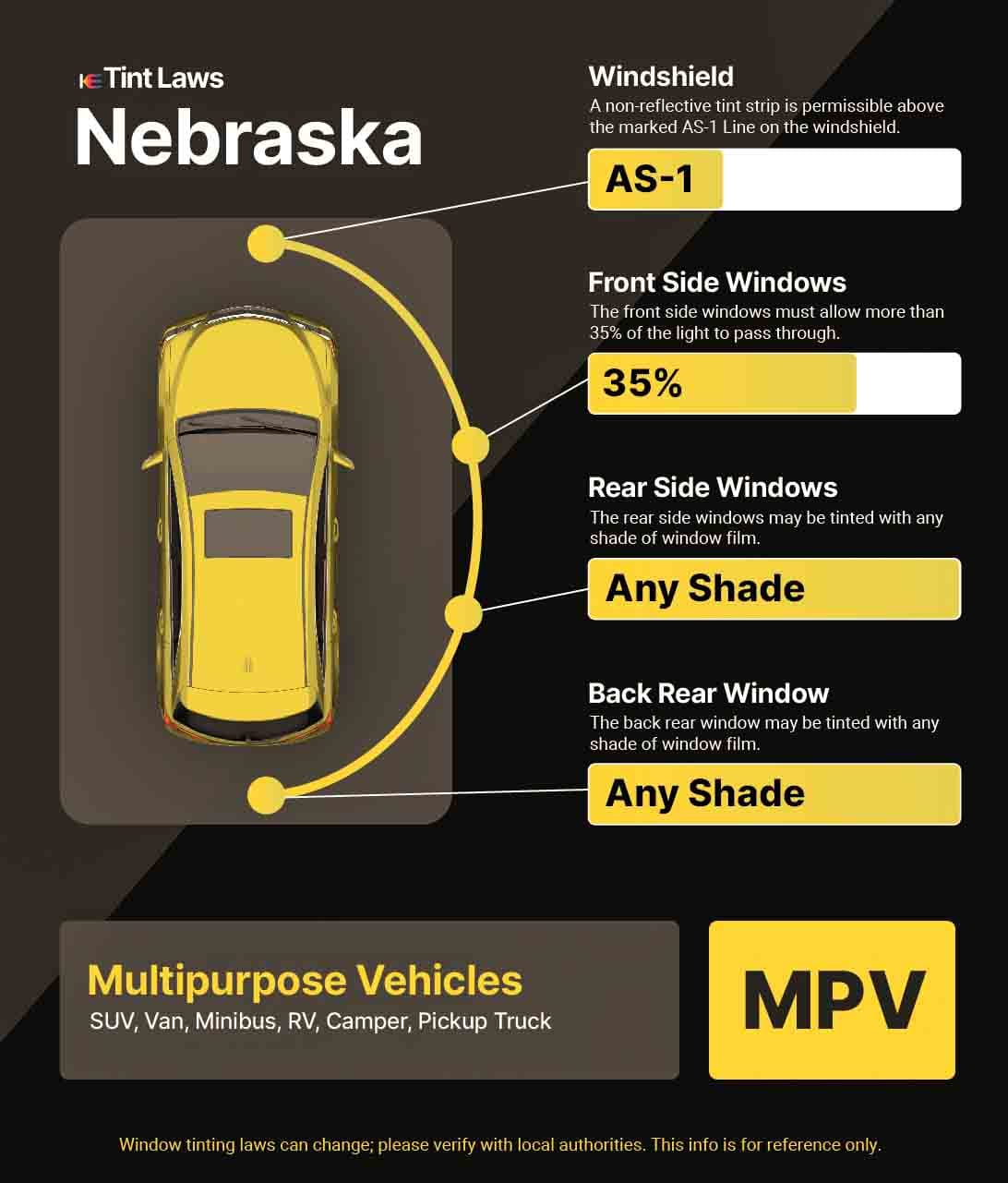
Multi-Purpose Vehicles
SUV, Van, Truck
Verify with local authorities to ensure compliance.
Kepler's nano-ceramic IR and IR+ films treat solar heat and visible light as separate properties, so a lighter shade can still perform. Compare the exact film and shade you are considering.
Up to
98%
Infrared Rejection
Up to
99%
UV Protection
Up to
96%
Glare Reduction
Review
Warranty terms
Kepler film is fitted by independent installers. Browse the dealer listings to see who is listed for Nebraska and where they work from, then send an enquiry to the dealer that suits you.
12 area guides

This deep tint, our deepest tint, delivers unsurpassed discretion and class, blending outstanding style and shielding.
View our car window films in a never seen before experience with our Kepler 360 Experience - Viewhere.
Choose your vehicle make to start a car window tinting enquiry. Your details go to a Kepler dealer, who will come back to you about film options and cost.
Find a Local Tinter
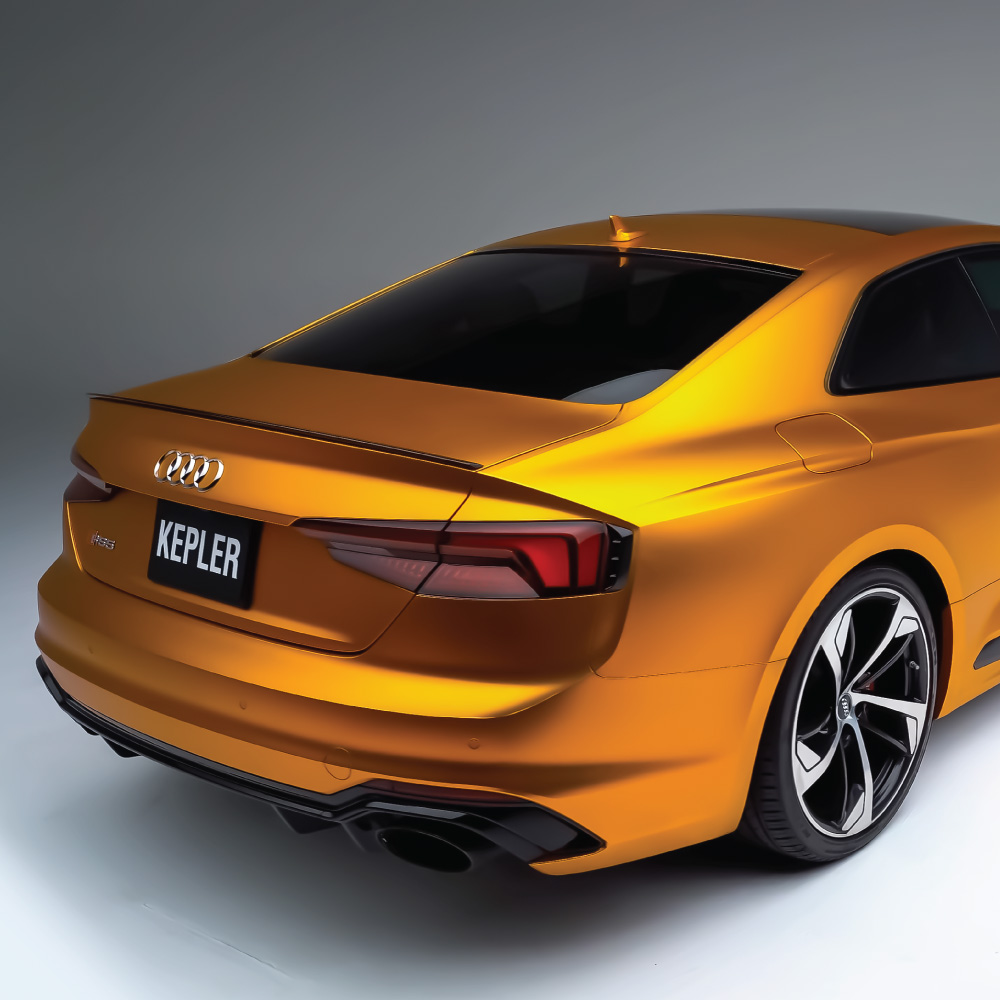
Kepler Experience
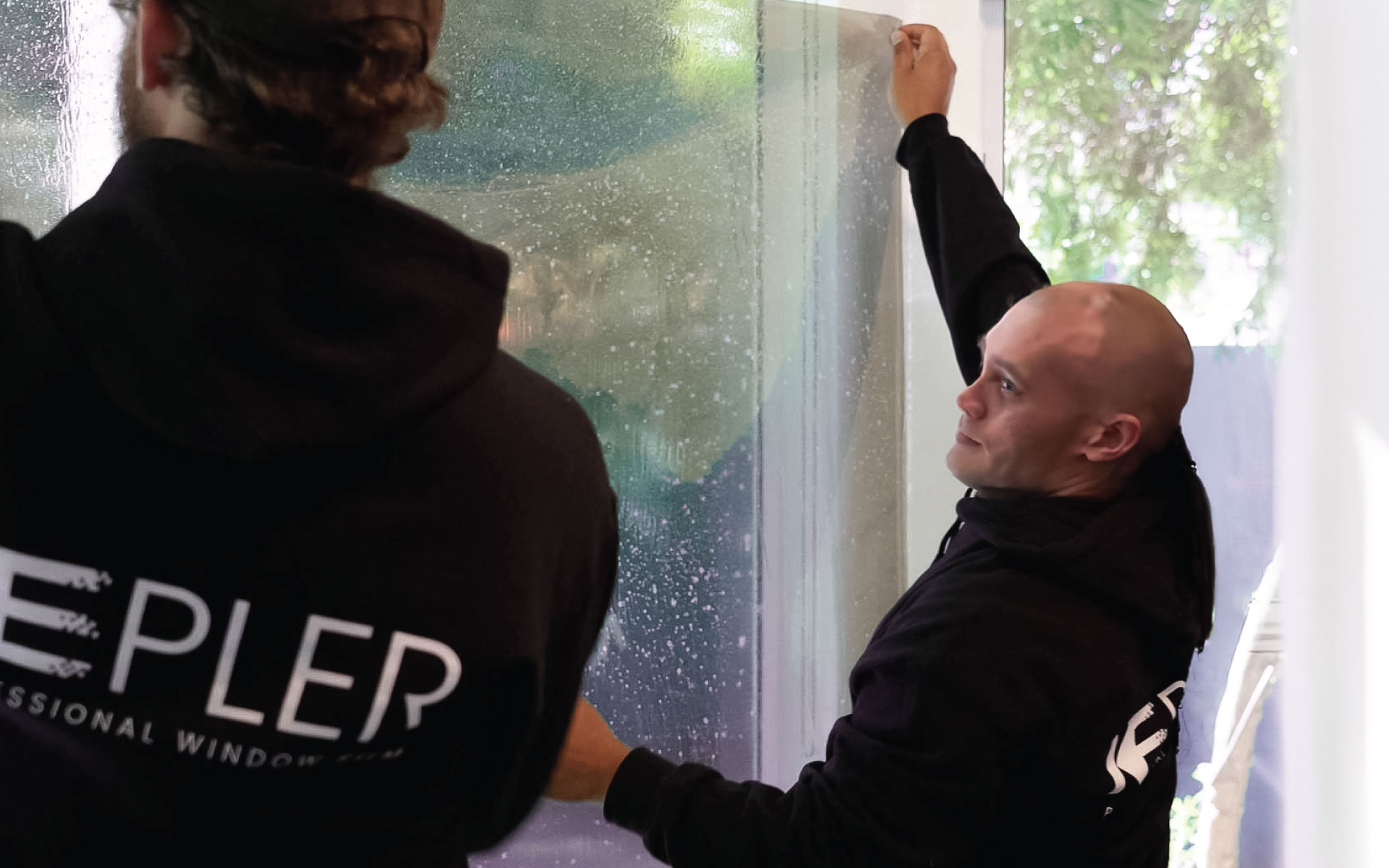
Home Window Tint
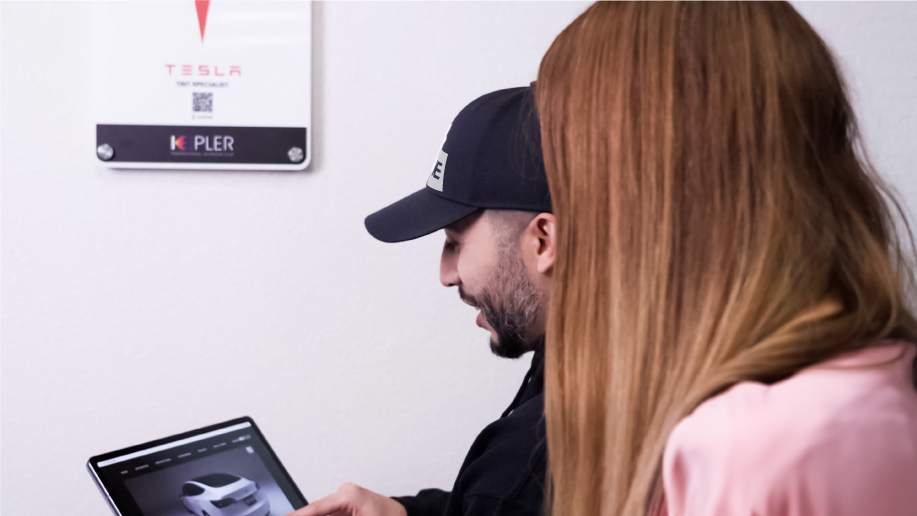
Tesla Window Tint
Kepler film is fitted by independent installers who work with the range every day and know how it behaves on different vehicles and glazing. That matters on a car, where curved glass, defroster lines and tight corners all affect the finished result. An installer can show you the shades side by side, explain what each one will look like from inside and out, and set expectations before any film is cut.
Interested in nano-ceramic tinting? Ask your dealer about the IR and IR+ ranges.
How Kepler works
Kepler makes the film, not the tint job. Independent tinting businesses install window film. For a project, ask a local tinter whether they carry Kepler film or can get it, then arrange the work directly with that shop.
Start your quote requestFilm availability and installation services vary by independent shop.
Kepler makes automotive and architectural window film, from everyday tint to nano-ceramic.
Independent tinting businesses install window film. Ask a local shop whether they carry Kepler film or can get it.
Share your project details, then ask an independent local tinter whether they carry Kepler film or can get it.
Penalties for non-compliant tint are set by state law and applied by the courts and law enforcement, so they vary with the circumstances and any previous violations. In general terms, a driver may face a fine, a requirement to correct the tint, or both, and repeat violations tend to be treated more seriously. Because the details change over time, check the current statute or ask local law enforcement rather than relying on a summary. Choosing film and meeting the law are two separate decisions: a professional installer can talk you through Kepler shades and what each one looks like on your car, but confirming what is permitted on your vehicle remains your responsibility.
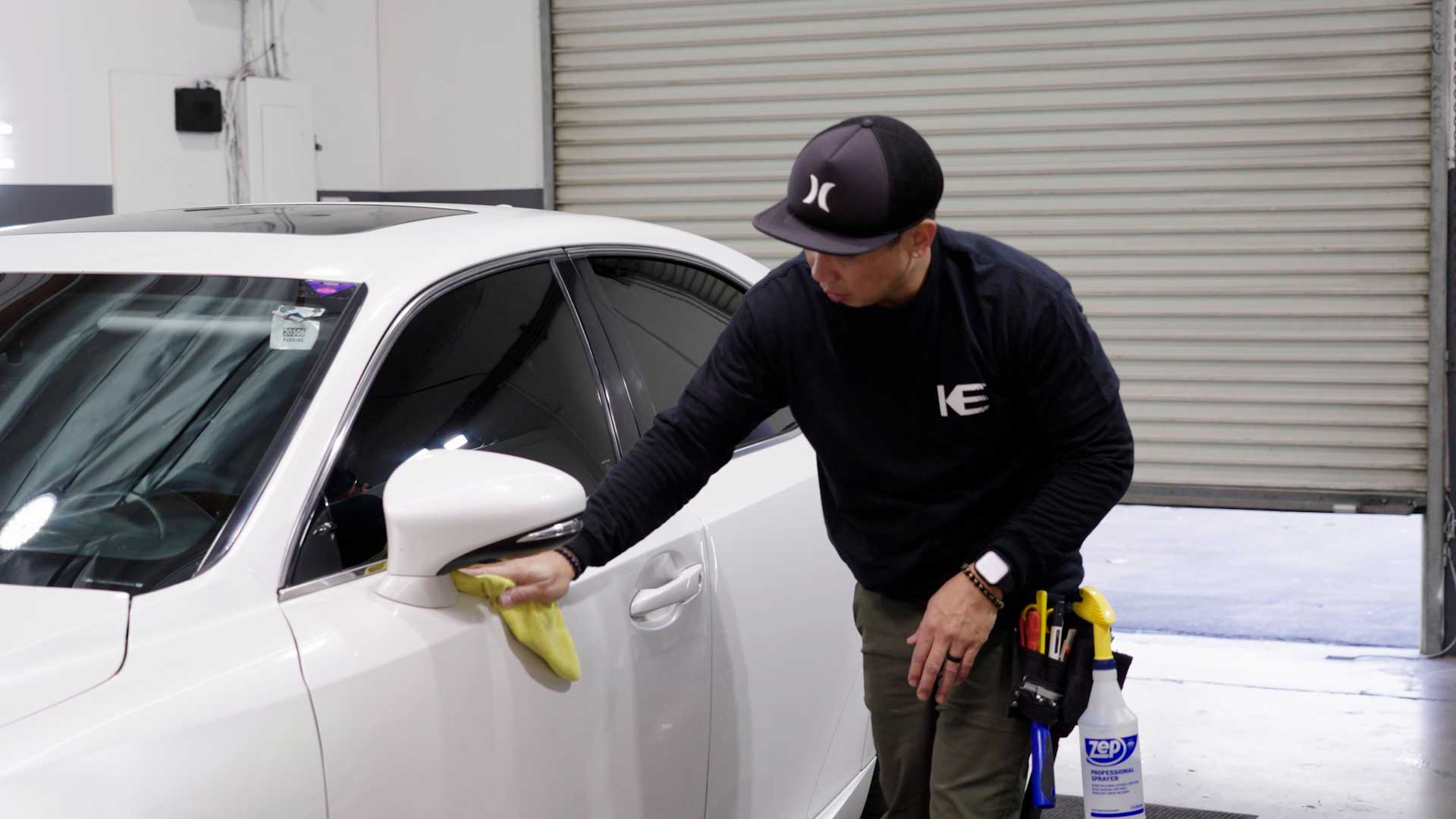
Ask a local tint shop whether they carry Kepler window film or can order it for your installation.
These Google listings are independent businesses. Contact each shop to confirm whether it installs Kepler film; appearing here does not mean it is a Kepler dealer.
Enter your town or ZIP code to find shops close to you.
Maps and business listings are provided by Google. Google Maps terms · Google privacy policy