


Up to
98%
Infrared Rejection

Window film changes how a vehicle looks, how warm it gets and how much glare the driver deals with, and Oregon sets its own rules on how dark the glazing may be. This guide explains what the regulations cover, why they exist and where to check them, so you can choose a film with the legal position clear from the start.

Film that does not meet the Oregon rules can create problems well beyond the look of the vehicle. Enforcement is a matter for the police and the courts, and drivers are commonly required to correct the film and show that the vehicle complies before the matter is closed. Repeat issues are generally treated more seriously. The practical lesson is simple: confirm the current requirements before film is applied, rather than after a stop.
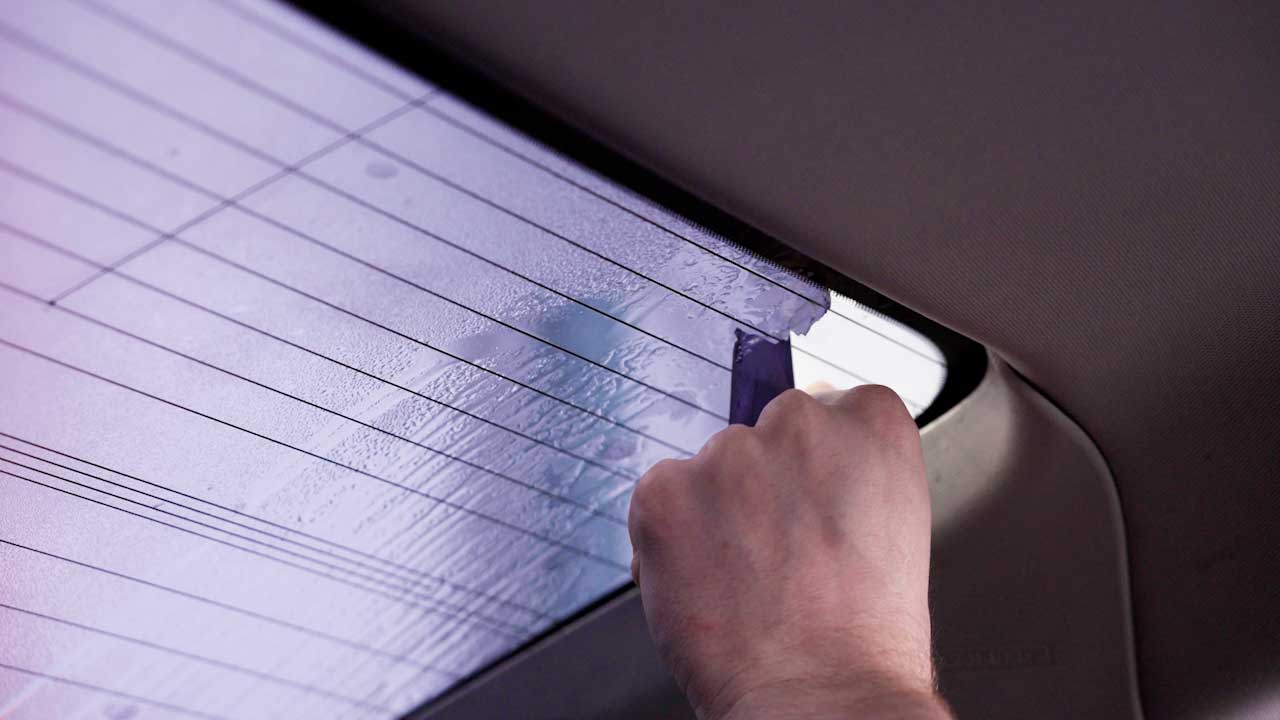
Stripping non-compliant film is slow work and often leaves adhesive residue. Rear defroster lines and antenna elements are easily damaged if removal is rushed.
Oregon sets out separate expectations for passenger vehicles and for multi-purpose vehicles such as SUVs, vans and trucks, and the rules deal with the windshield, front side windows, rear side windows and rear glass in different ways. The summaries and diagrams below outline how the regulations are structured. Confirm the current figures with the relevant authority before choosing a shade, because film selection and legal compliance are separate steps.
Passenger Vehicles
This category covers passenger cars such as sedans, coupes and convertibles. The rules describe what is permitted on the front, side and rear glass, with the driver's forward and side visibility as the main concern.
A non-reflective tint / sun strip, is allowed 6 inches from the top as long as it does not go past the AS-1 line on your windshield.
The law allows 35% of light visibility for front side windows.
The law allows 35% of light visibility for rear side windows.
The rear window must allow more than 35% of light in
Looking for a car window tinting quote in Oregon?
Get a Tint Quote
Passenger Vehicles
Hatchback, Sedan, Coupe, Station Wagon
Multi-Purpose Vehicles
Multi-purpose vehicles such as SUVs, vans and trucks are treated as their own category, reflecting how they are built and used. The rules set out what is permitted on the front, side and rear glass so that driver visibility is preserved across this varied group of vehicles.
A non-reflective tint / sun strip, is allowed 6 inches from the top as long as it does not go past the AS-1 line on your windshield.
The law allows 35% of light visibility for front side windows.
The law allows Any Shade of light visibility for rear side windows.
The law allows Any Shade of light visibility for rear window tint.
Looking for a car window tinting quote in Oregon?
Get a Tint Quote
Multi-Purpose Vehicles
SUV, Van, Truck
Verify with local authorities to ensure compliance.
Kepler IR and IR+ are nano-ceramic films built to work on solar heat and infrared rather than darkness alone. Visible light transmission and heat performance are separate measurements, so compare the exact film and shade.
Up to
98%
Infrared Rejection
Up to
99%
UV Protection
Up to
96%
Glare Reduction
Review
Warranty terms
Kepler film is applied by independent installers who run their own businesses and deal with customers directly. Browse the dealer listings to see which ones are shown near you, or ask a local tinter whether they carry Kepler film or can get it.
37 area guides

Our darkest window film, our most opaque film, delivers unequaled privacy and sophistication, merging outstanding elegance and defense.
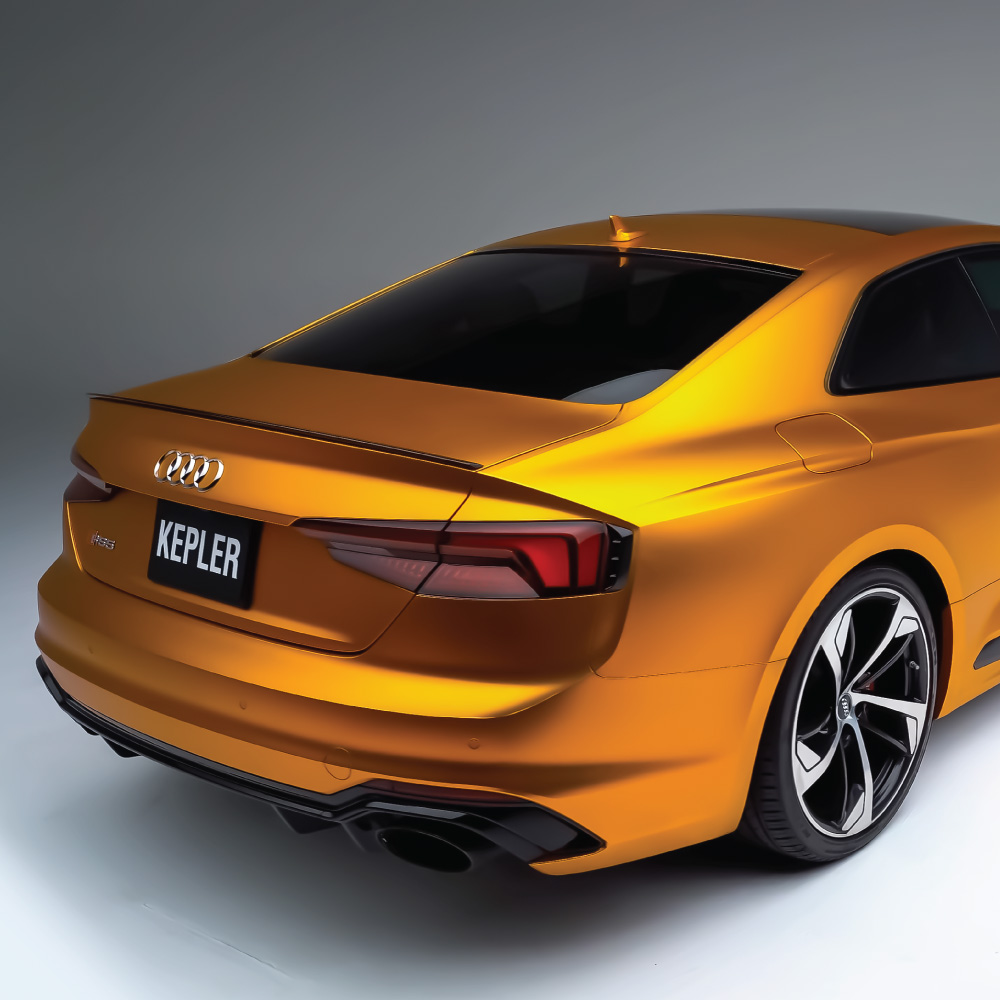
View our car window films in a never seen before experience with our Kepler 360 Experience - Viewhere.
Tell us about your vehicle and what you are looking for. Ask a local tinter whether they carry Kepler film or can get it.
Find a Local Tinter
Kepler Experience
Home Window Tint
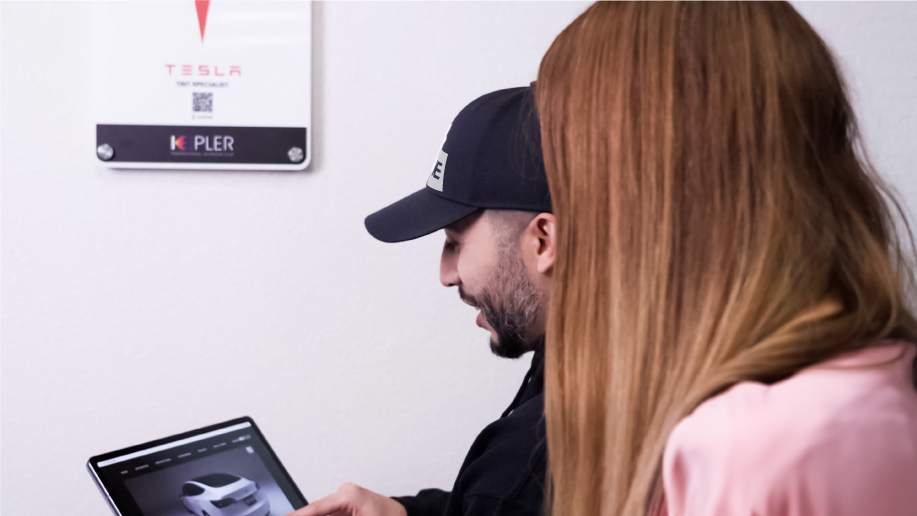
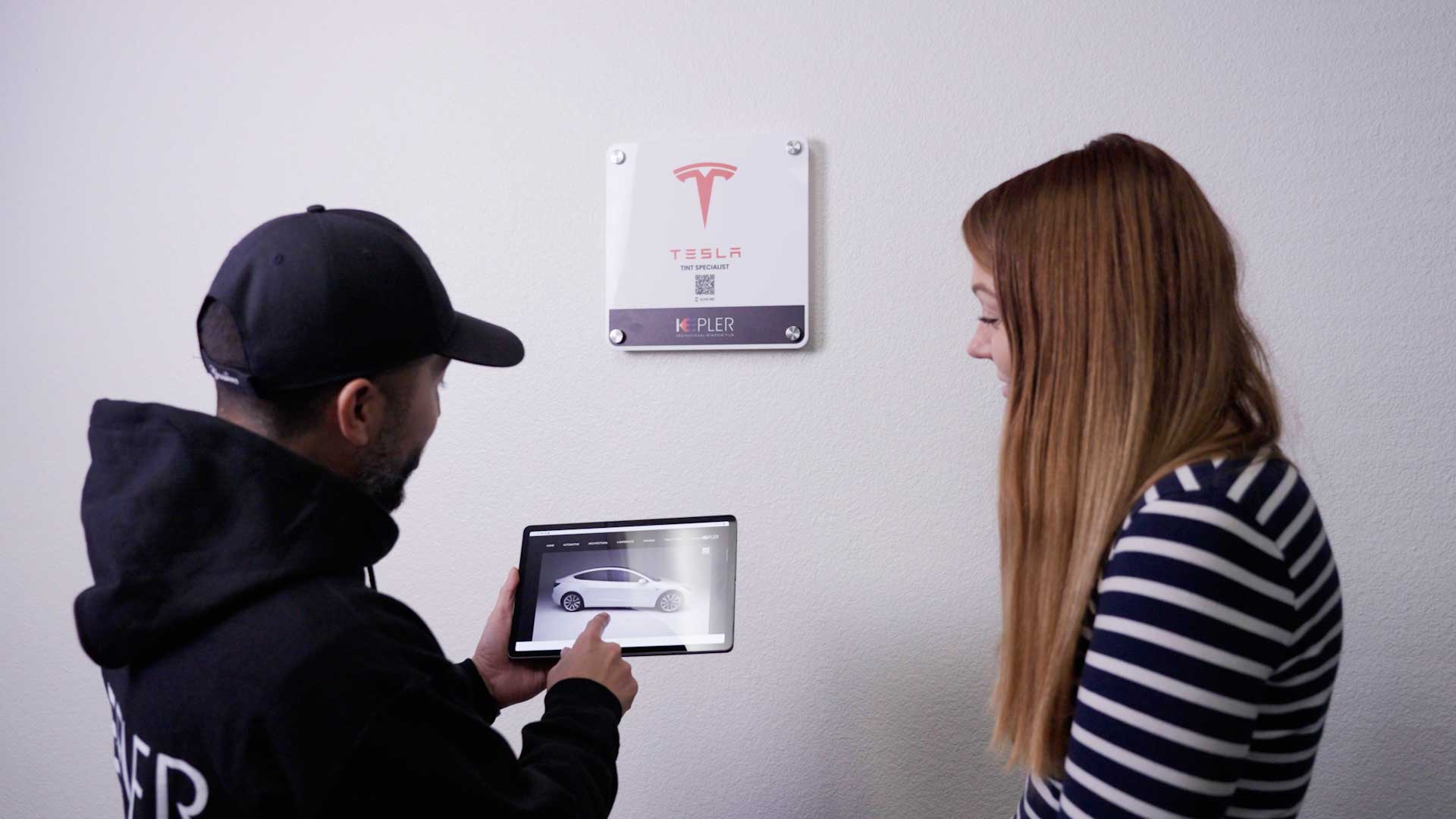
Tesla Window Tint
Kepler makes the film; independent installers fit it and look after their own customers. That division keeps things clear. You deal with an installer who knows their local market, the vehicles they see every day and the finish they are prepared to put their name to, using film ranges built and tested by Kepler.
How Kepler works
Kepler makes the film, not the tint job. Independent tinting businesses install window film. For a project, ask a local tinter whether they carry Kepler film or can get it, then arrange the work directly with that shop.
Start your quote requestFilm availability and installation services vary by independent shop.
Kepler makes automotive and architectural window film, from everyday tint to nano-ceramic.
Independent tinting businesses install window film. Ask a local shop whether they carry Kepler film or can get it.
Share your project details, then ask an independent local tinter whether they carry Kepler film or can get it.
Penalties for non-compliant tint are set by state law and applied by the courts and enforcement officers, so the outcome depends on the vehicle, the film and the circumstances of the stop. Drivers are commonly asked to correct the film and show that the vehicle now complies, and repeat matters are generally treated more seriously than a first one. Because the wording of the law and the way it is enforced can change, check the current rules with the relevant Oregon authority before you commit to a shade. Choosing a film is a separate step from staying compliant: a Kepler dealer can talk you through the ranges and shades available, but the legal position for your vehicle is yours to confirm.
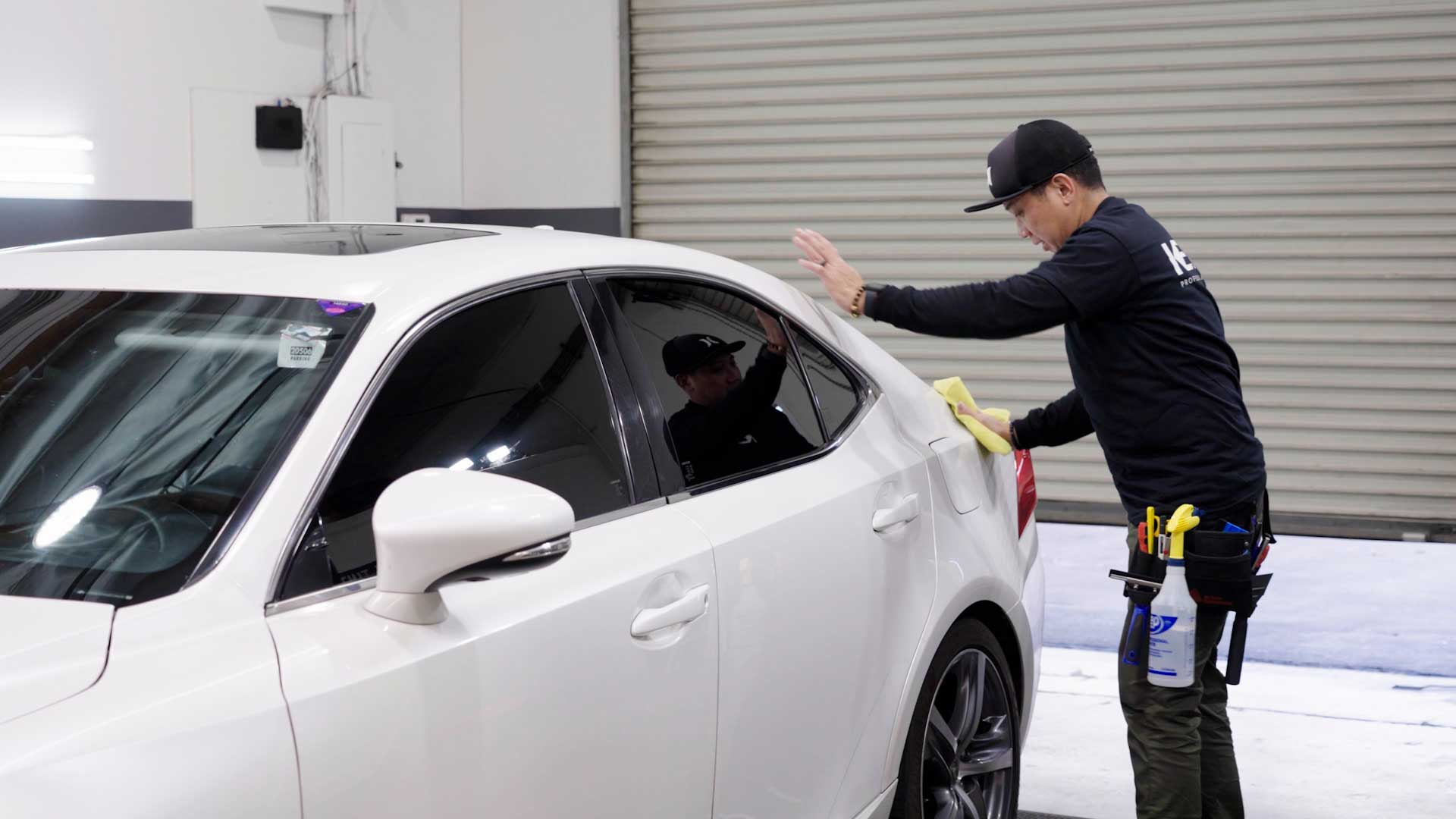
Ask a local tint shop whether they carry Kepler window film or can order it for your installation.
These Google listings are independent businesses. Contact each shop to confirm whether it installs Kepler film; appearing here does not mean it is a Kepler dealer.
Enter your town or ZIP code to find shops close to you.
Maps and business listings are provided by Google. Google Maps terms · Google privacy policy