


Up to
98%
Infrared Rejection

 Pennsylvania
Explore Pennsylvania
Window tint rules in Pennsylvania set out how much light must pass through the glass on different parts of a vehicle. This guide explains what those rules are there to do, what happens when film does not meet them, and how modern nano-ceramic film lets you deal with solar heat without going unnecessarily dark.

Film that does not meet the state's requirements is an equipment issue, and it can be dealt with at the roadside like any other. Drivers are often given the opportunity to correct the film and show it has been put right, and repeat problems are usually treated more seriously than a first one. Outcomes depend on the circumstances and on the current regulations, so treat the points below as things to be aware of rather than a fixed schedule.
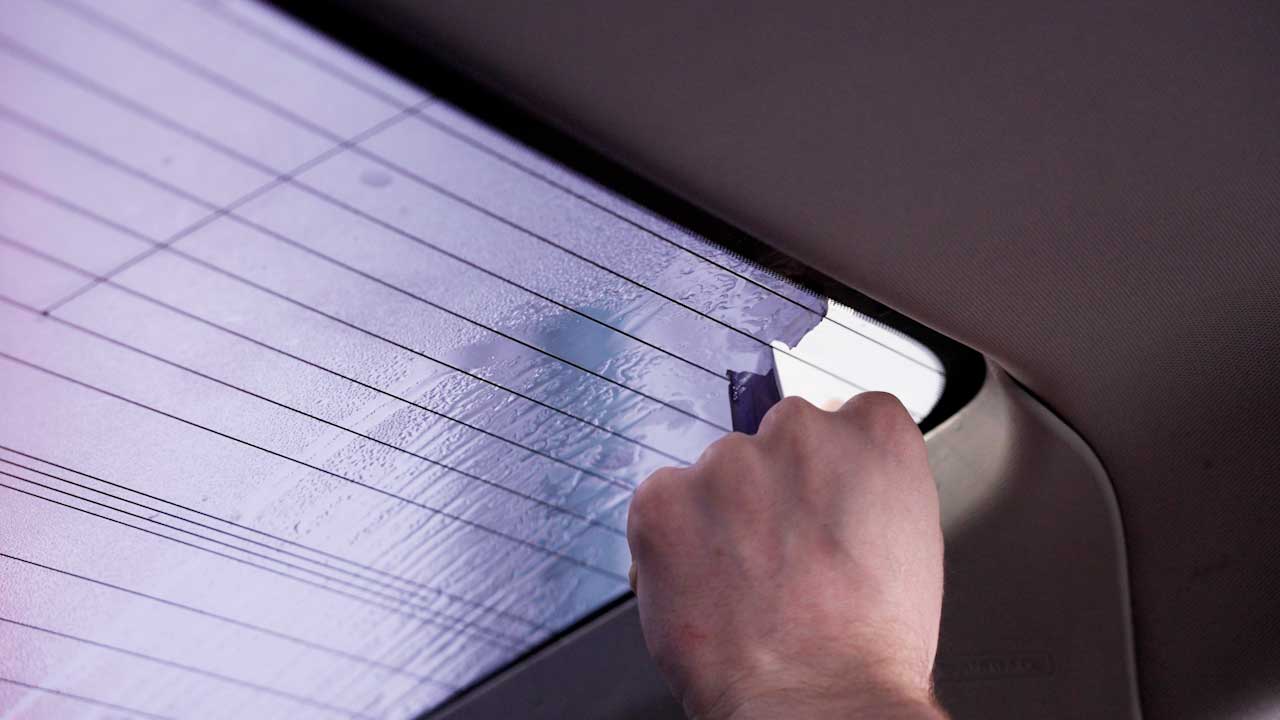
Removing film is fiddly and often leaves adhesive behind. Careless work on the rear glass can also damage defroster lines.
Pennsylvania sets its tint requirements by vehicle type, with separate expectations for passenger cars and for multi-purpose vehicles such as SUVs, vans and trucks. The rules describe how much light must pass through the windshield and the side and rear glass, and they are written around keeping the driver's view clear. The summaries below show how the two categories are treated. Choosing a film is a separate step from meeting these requirements, so confirm the current rules for your vehicle before booking work.
Passenger Vehicles
Passenger vehicles cover sedans, coupes and convertibles. The rules set out the light transmission expected on the windshield and on the front side, rear side and rear glass, with the driver's forward and side view treated as the priority.
A non-reflective tint / sun strip, is allowed 3 inches from the top as long as it does not go past the AS-1 line on your windshield.
The law allows 70% of light visibility for front side windows.
The law allows 70% of light visibility for rear side windows.
The rear window must allow more than 70% of light in
Want a tinting quote for your car?
Get a Quote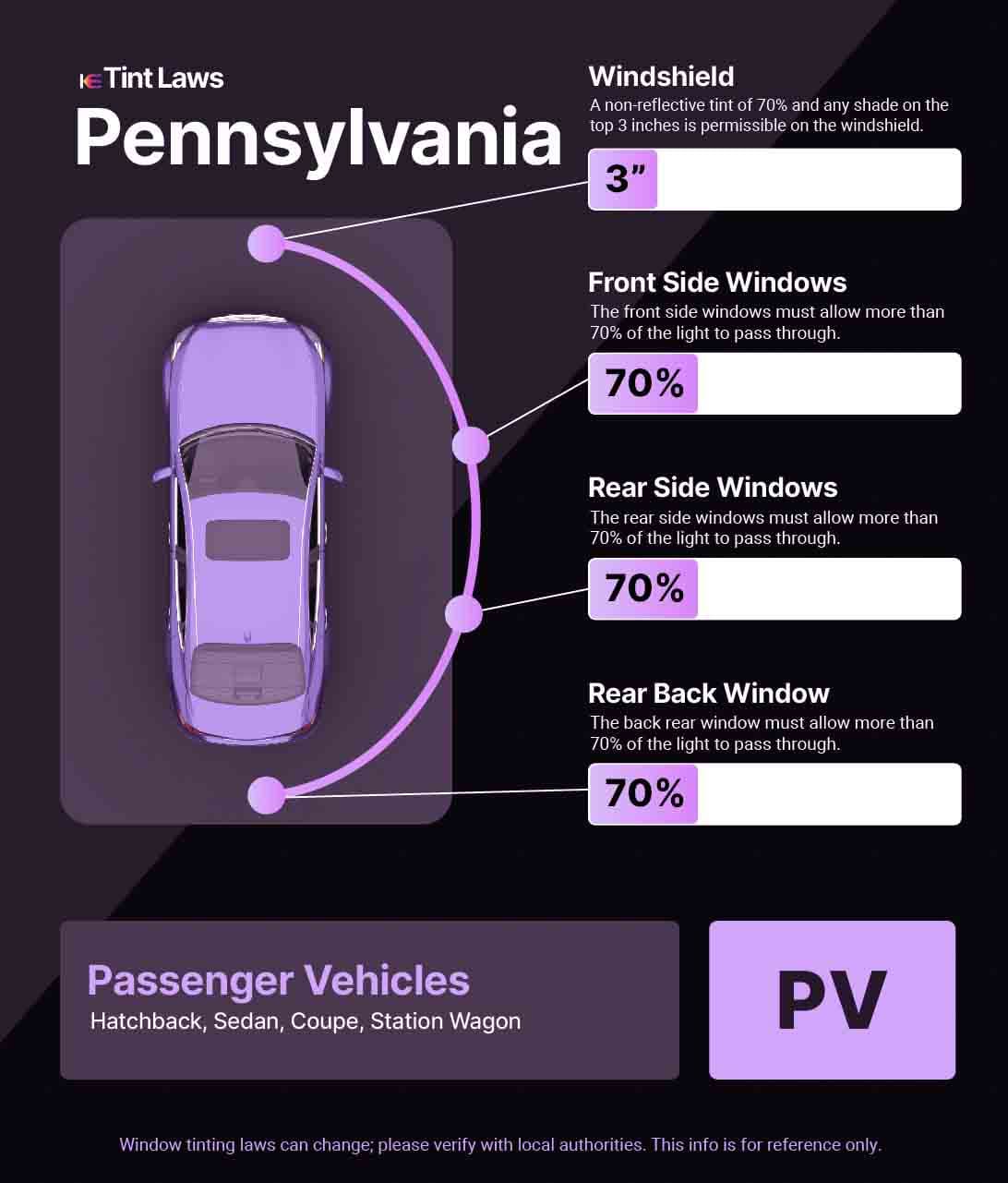
Passenger Vehicles
Hatchback, Sedan, Coupe, Station Wagon
Multi-Purpose Vehicles
Multi-purpose vehicles, including SUVs, vans and trucks, are treated as their own category. The rules set out the light transmission expected on the windshield and on the front side, rear side and rear glass, and the rear positions are generally handled differently from the front.
A non-reflective tint / sun strip, is allowed 3 inches from the top as long as it does not go past the AS-1 line on your windshield.
The law allows 70% of light visibility for front side windows.
The law allows Any Shade of light visibility for rear side windows.
The law allows Any Shade of light visibility for rear window tint.
Want a tinting quote for your SUV, van or truck?
Get a Quote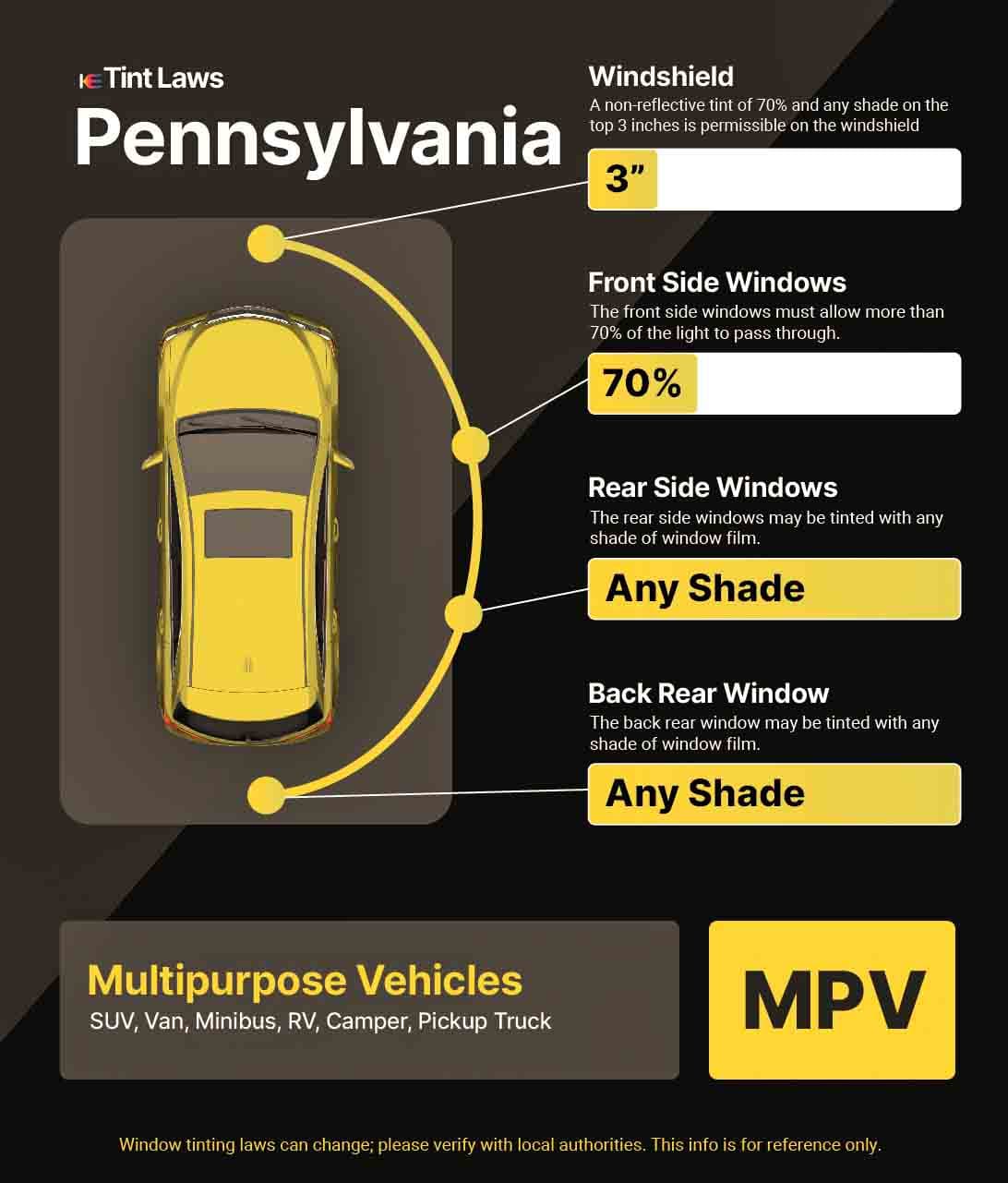
Multi-Purpose Vehicles
SUV, Van, Truck
Check current requirements with the relevant state authority.
Kepler IR and IR+ are nano-ceramic films built around infrared performance, not just a darker look. Light transmission and solar heat are separate things, so compare the exact film and shade.
Up to
98%
Infrared Rejection
Up to
99%
UV Protection
Up to
96%
Glare Reduction
Review
Warranty terms
Locate the local top-rated car window tinting provider in Pennsylvania.Ask a local tinter whether they carry Kepler film or can get it.
45 area guides

Gain designed discretion and refinement with Nebula, delivering exceptional refinement and shielding.
View our car window films in a never seen before experience with our Kepler 360 Experience - Viewhere.
Tell us the vehicle and the film you are considering, and ask a local tinter whether they carry Kepler film or can get it.
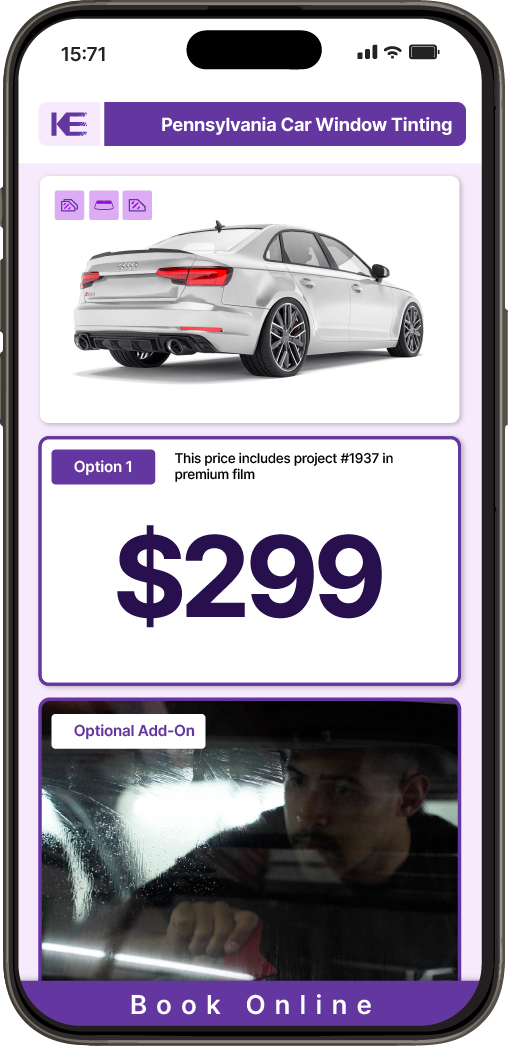
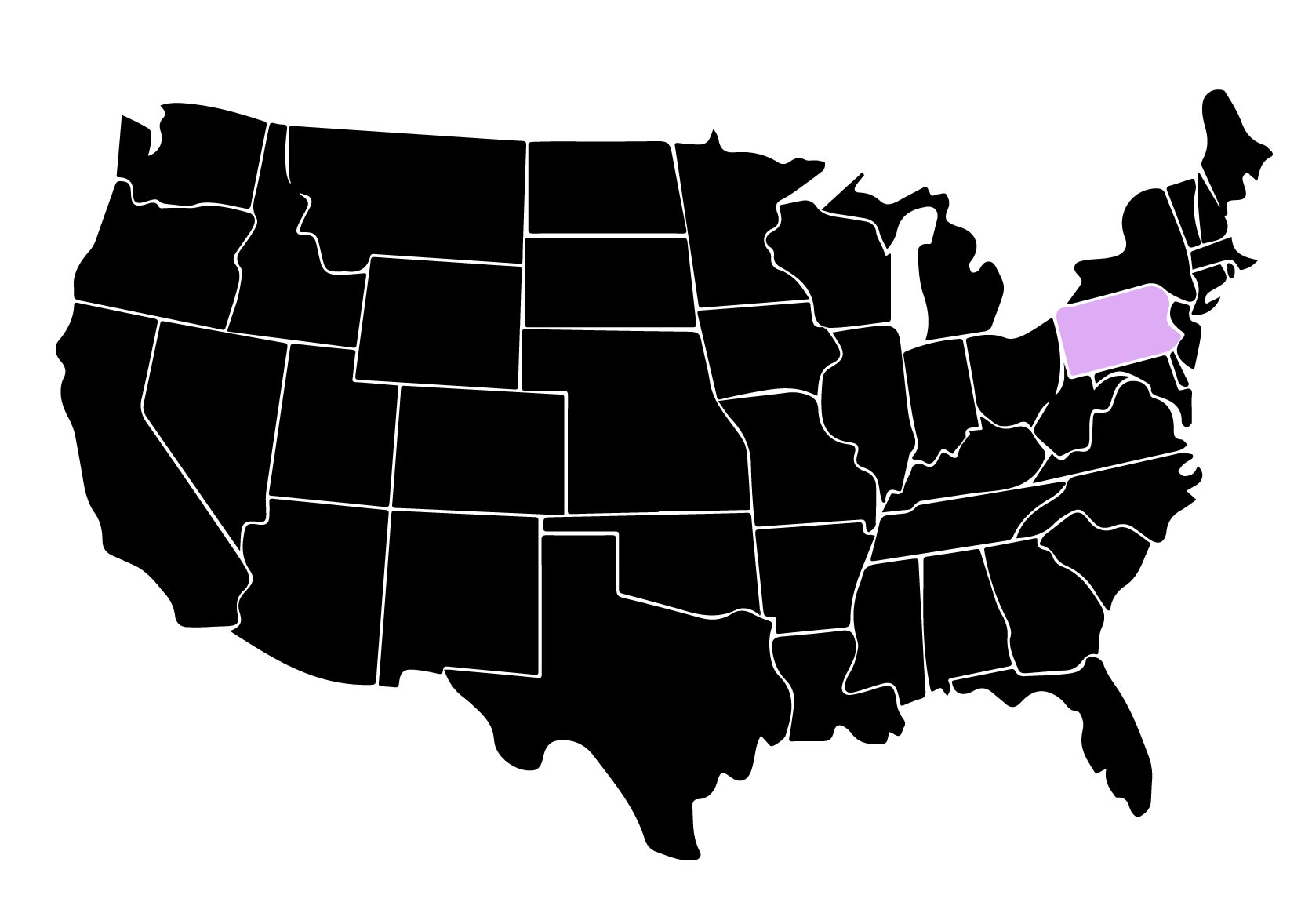
Find a Local Tinter
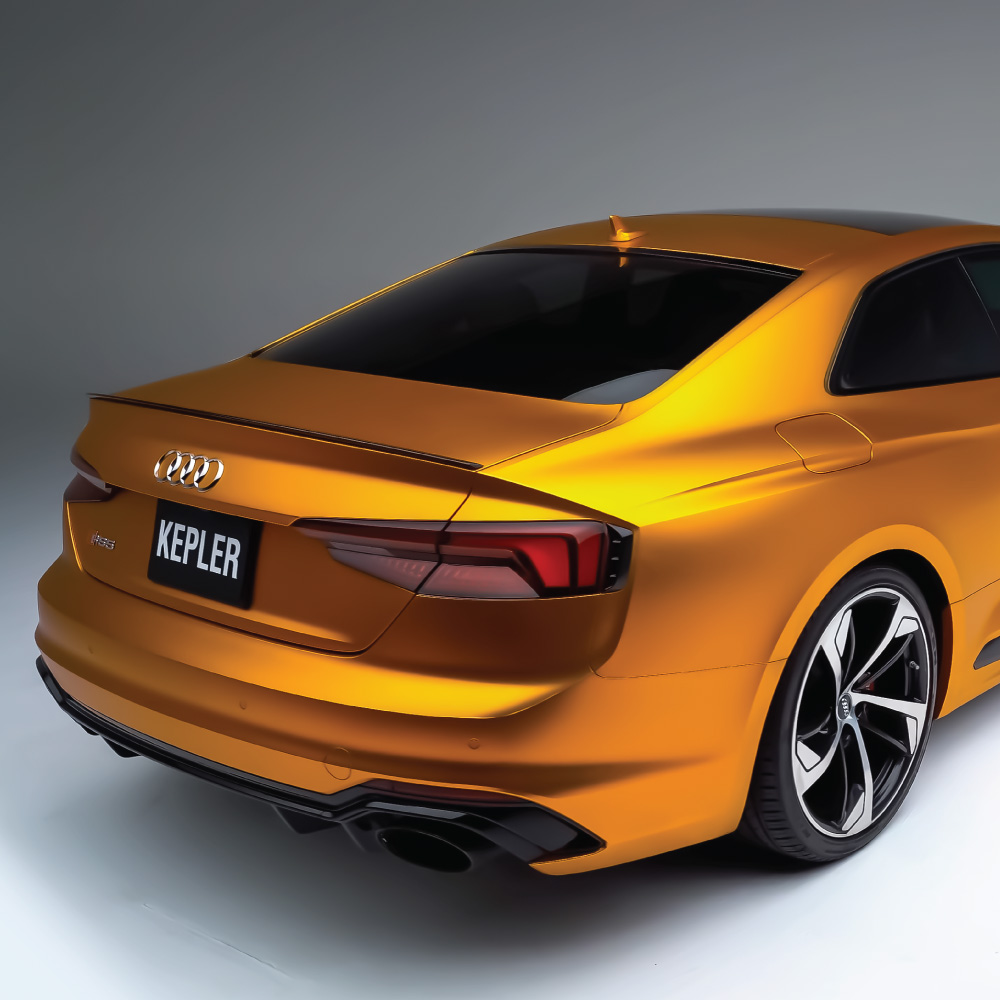
Kepler Experience
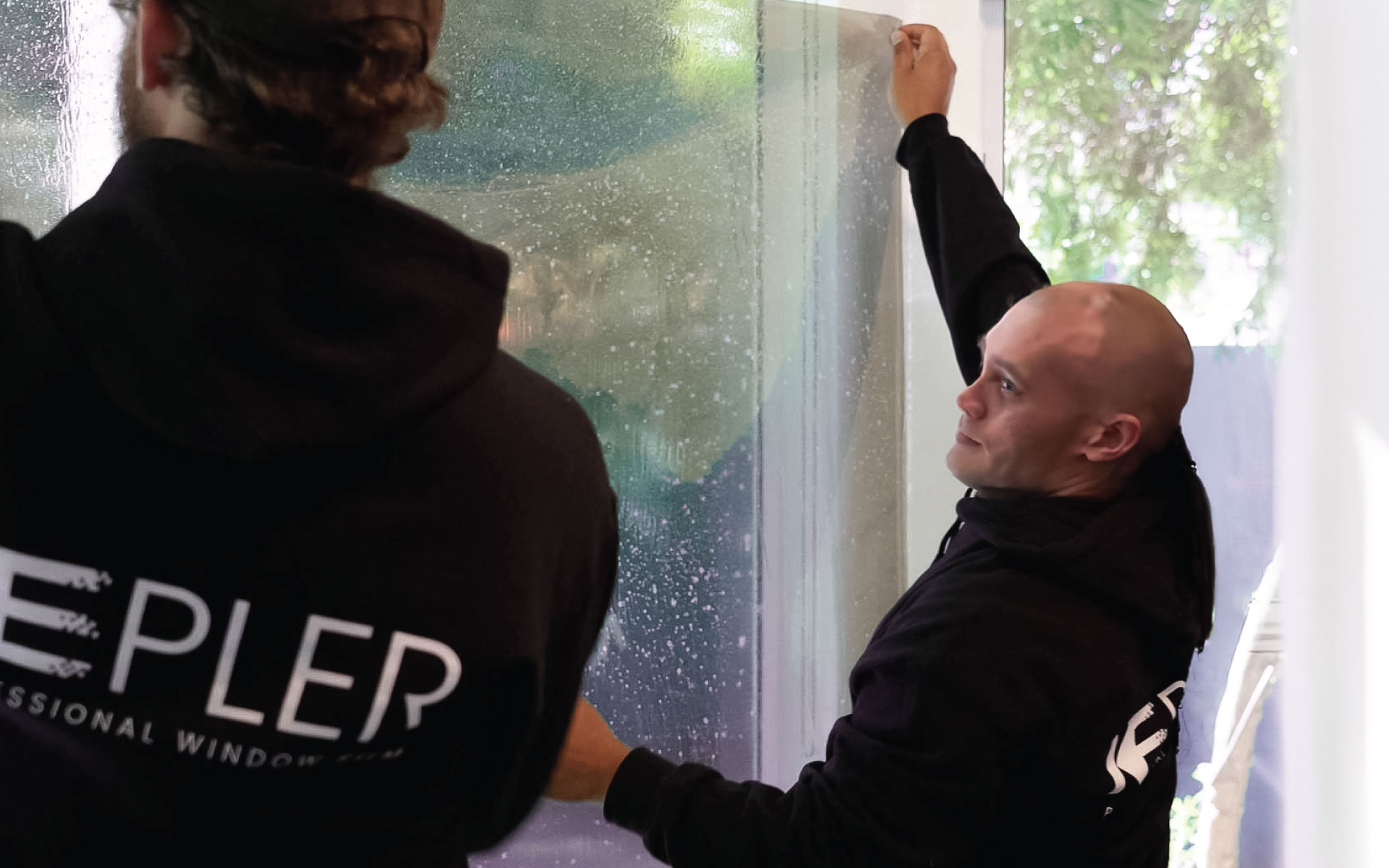
Home and Commercial
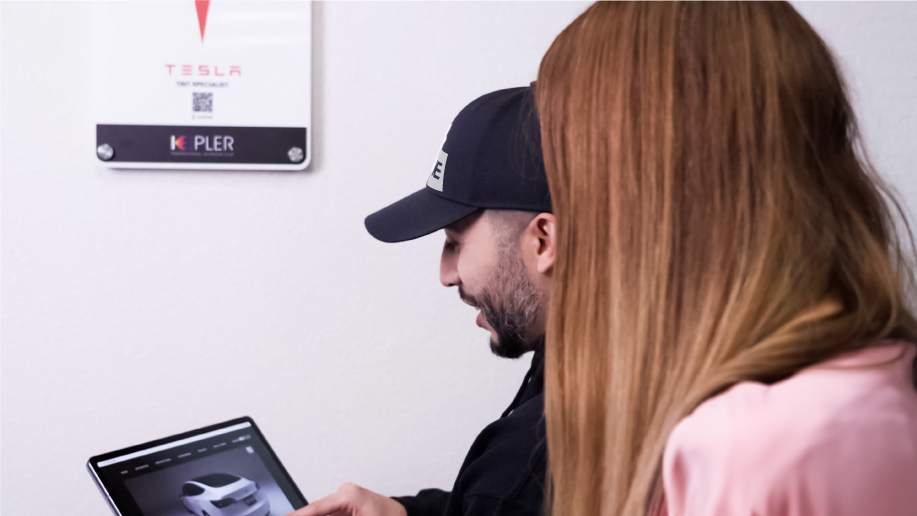
Tesla Owners
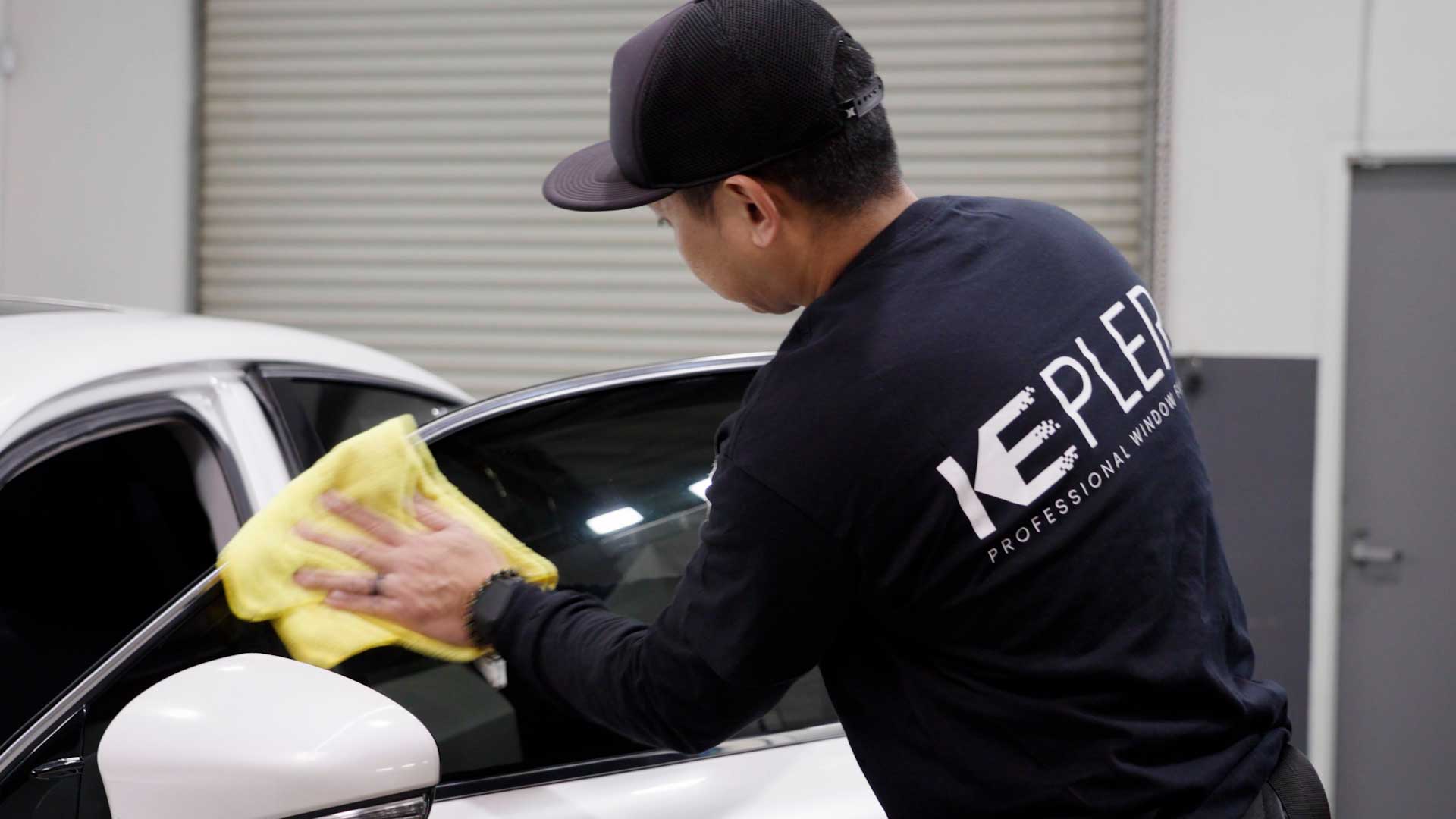
Kepler film is applied by independent installers who work with the ranges day in, day out and who deal with their customers directly. They can advise on the shade, the finish and how a film will look on your glass, then carry out the work themselves. You deal with one business from the first conversation to the finished car.
How Kepler works
Kepler makes the film, not the tint job. Independent tinting businesses install window film. For a project, ask a local tinter whether they carry Kepler film or can get it, then arrange the work directly with that shop.
Start your quote requestFilm availability and installation services vary by independent shop.
Kepler makes automotive and architectural window film, from everyday tint to nano-ceramic.
Independent tinting businesses install window film. Ask a local shop whether they carry Kepler film or can get it.
Share your project details, then ask an independent local tinter whether they carry Kepler film or can get it.
Tint that does not meet the state's rules can be treated as an equipment violation, and enforcement outcomes vary from case to case. Drivers are sometimes given the chance to correct the film and show that the vehicle has been brought back into line, while repeat problems tend to be dealt with less leniently. Because the details sit with the regulations and the officer, the practical advice is simple: check the current Pennsylvania rules before any film goes on the glass, and keep any paperwork you are given. An experienced installer can talk you through the shades available and how they relate to what the state allows, but the compliance decision stays with the vehicle owner.
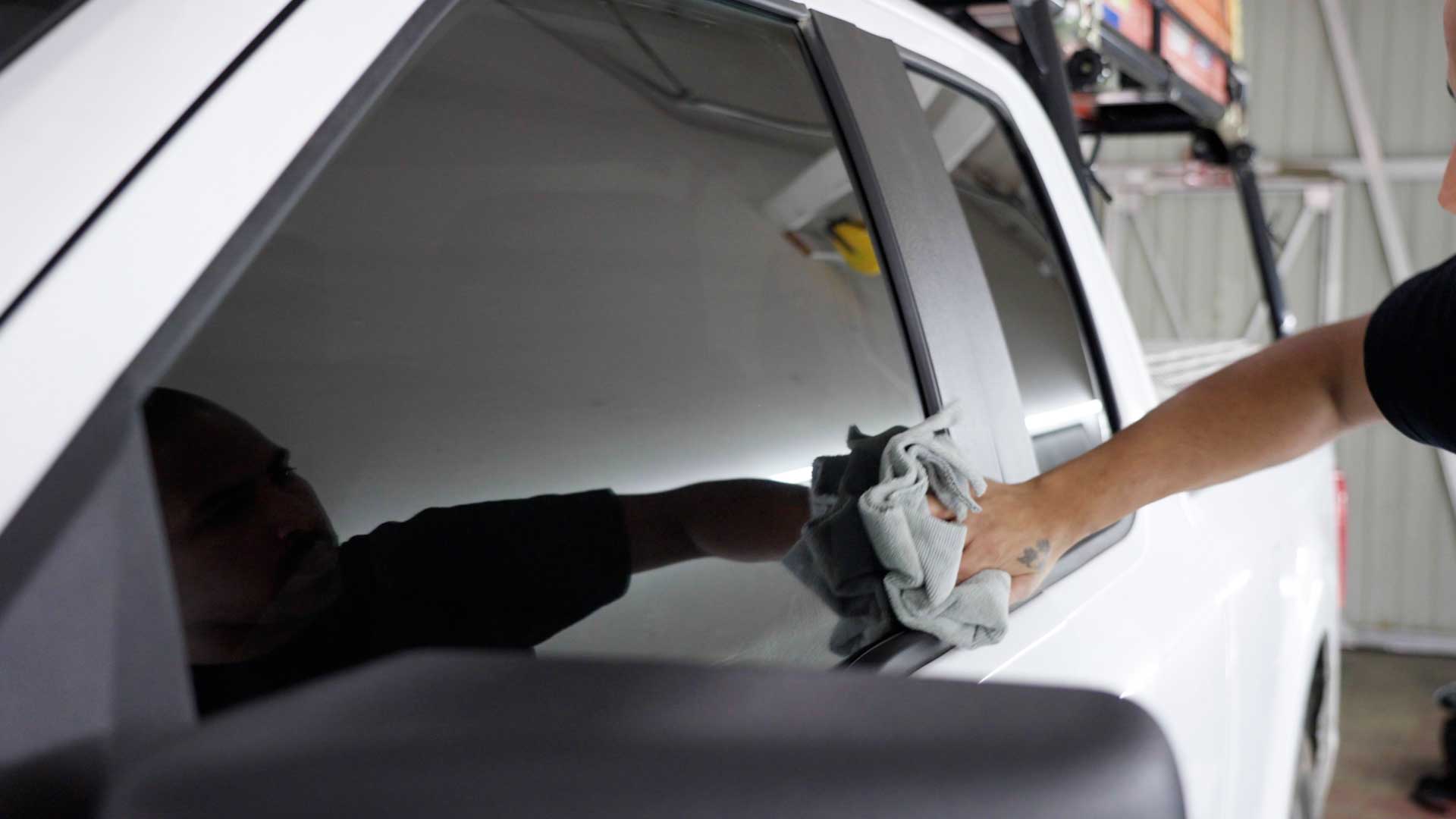
Ask a local tint shop whether they carry Kepler window film or can order it for your installation.
These businesses list Kepler films on their own websites. Contact them to discuss your project, their current range and whether they serve your area.
These Google listings are independent businesses. Contact each shop to confirm whether it installs Kepler film; appearing here does not mean it is a Kepler dealer.
Enter your town or ZIP code to find shops close to you.
Maps and business listings are provided by Google. Google Maps terms · Google privacy policy