
Car Window Tinting
Kepler logoArizona

Car Window Tinting Arizona

Explore Arizona

Nano-Ceramic Car Window Film, Fitted by a Kepler Dealer

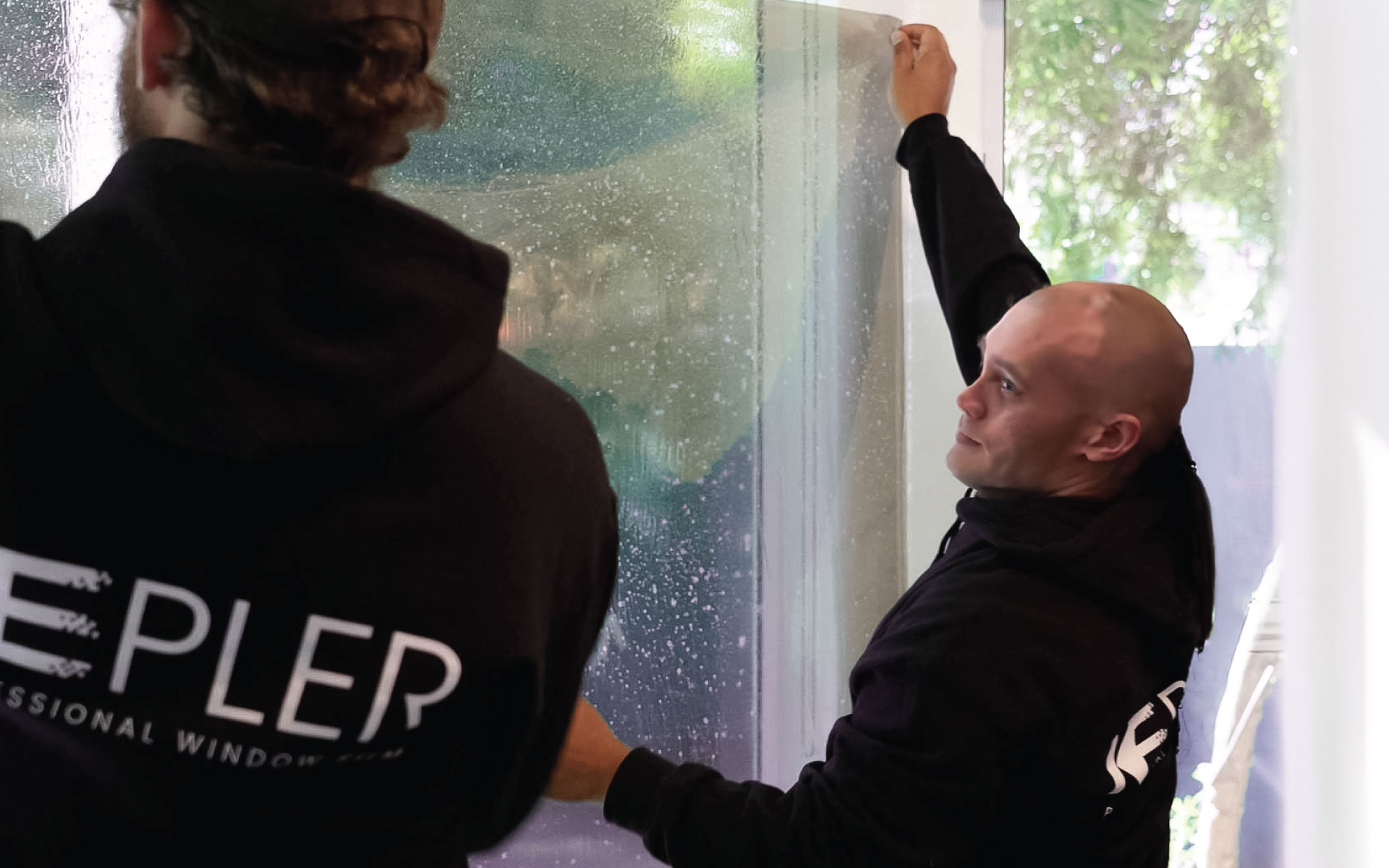
Kepler makes nano-ceramic window film for cars, the Kepler IR and IR+ ranges, and supplies it to the independent tinting businesses that fit it. Ask a local tinter whether they carry Kepler film or can get it.

Brand logoTeslaNASA
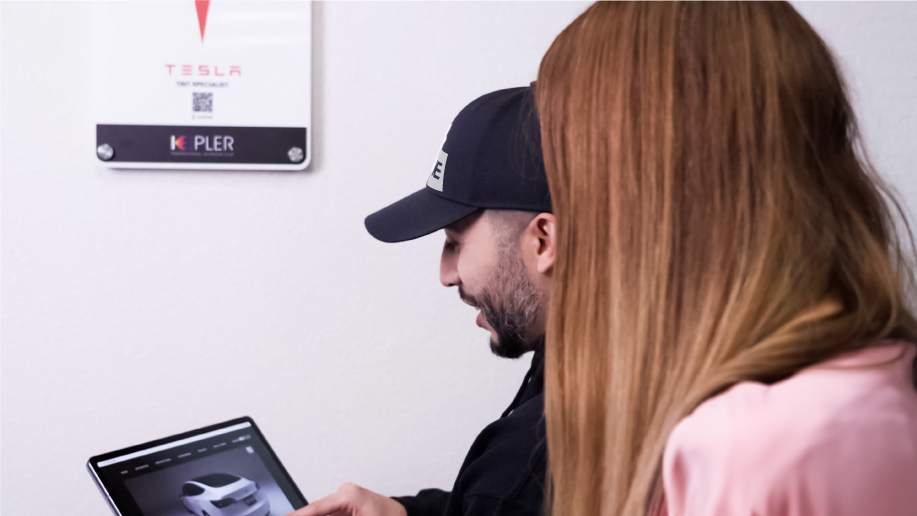
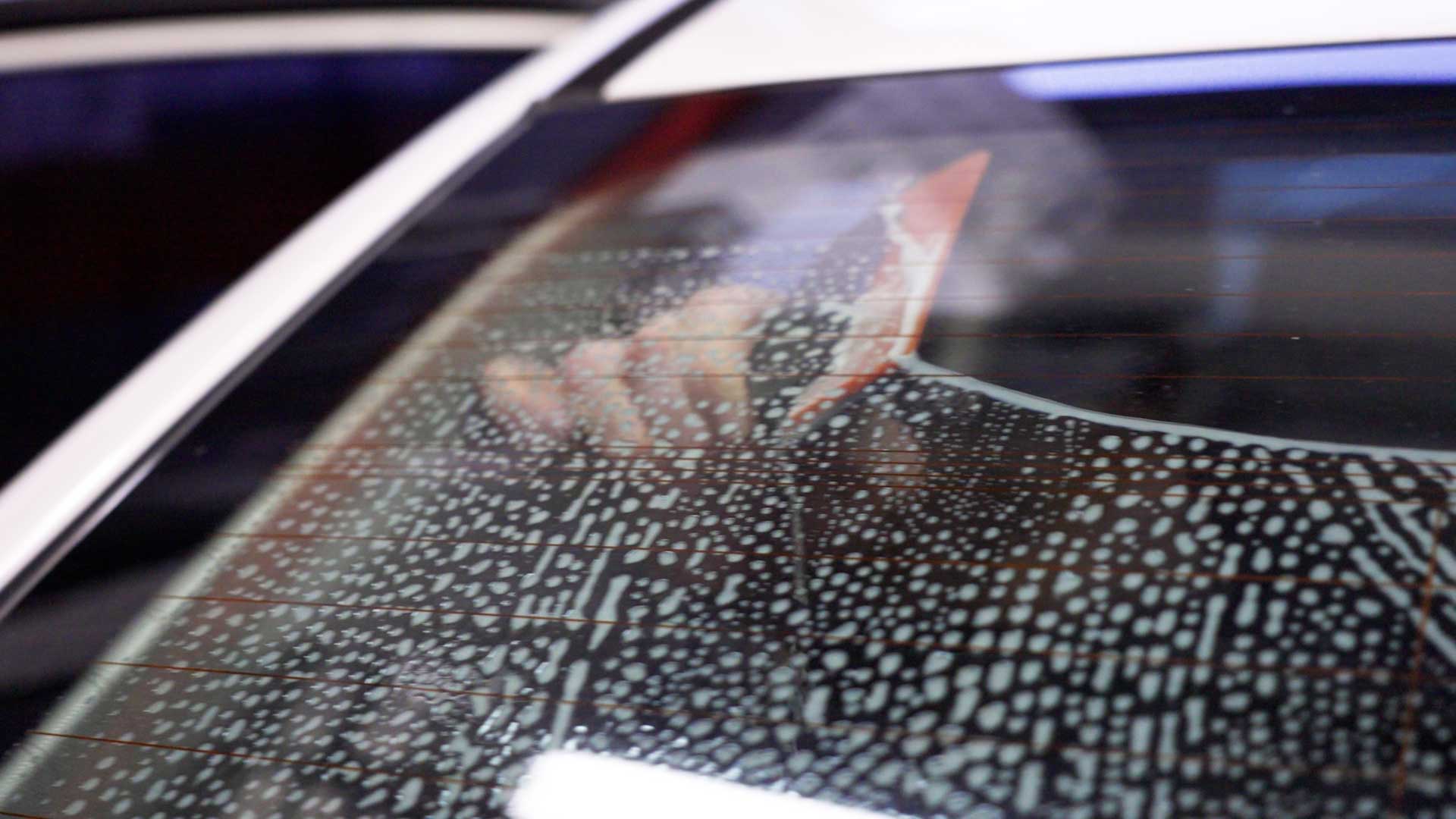
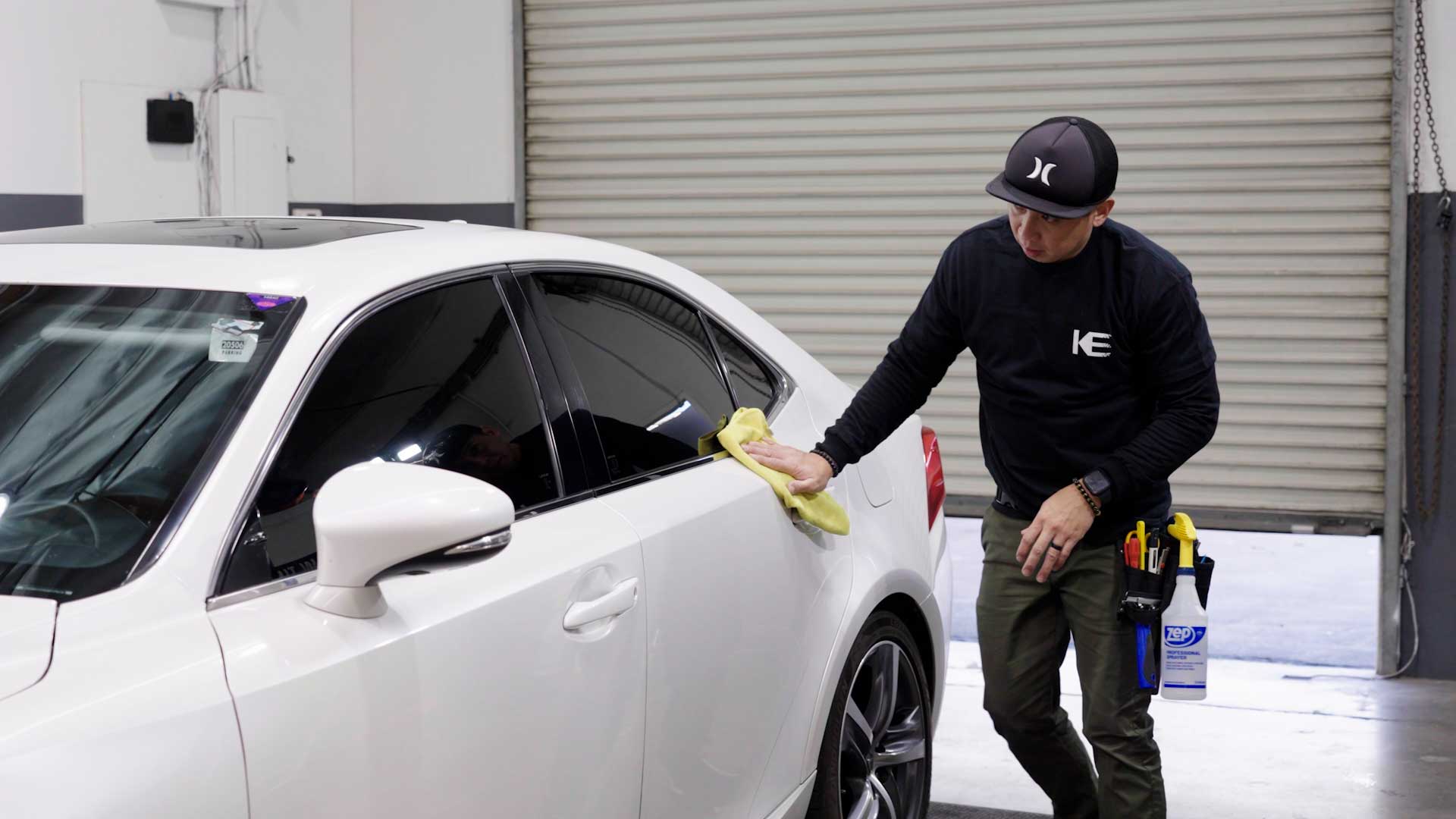
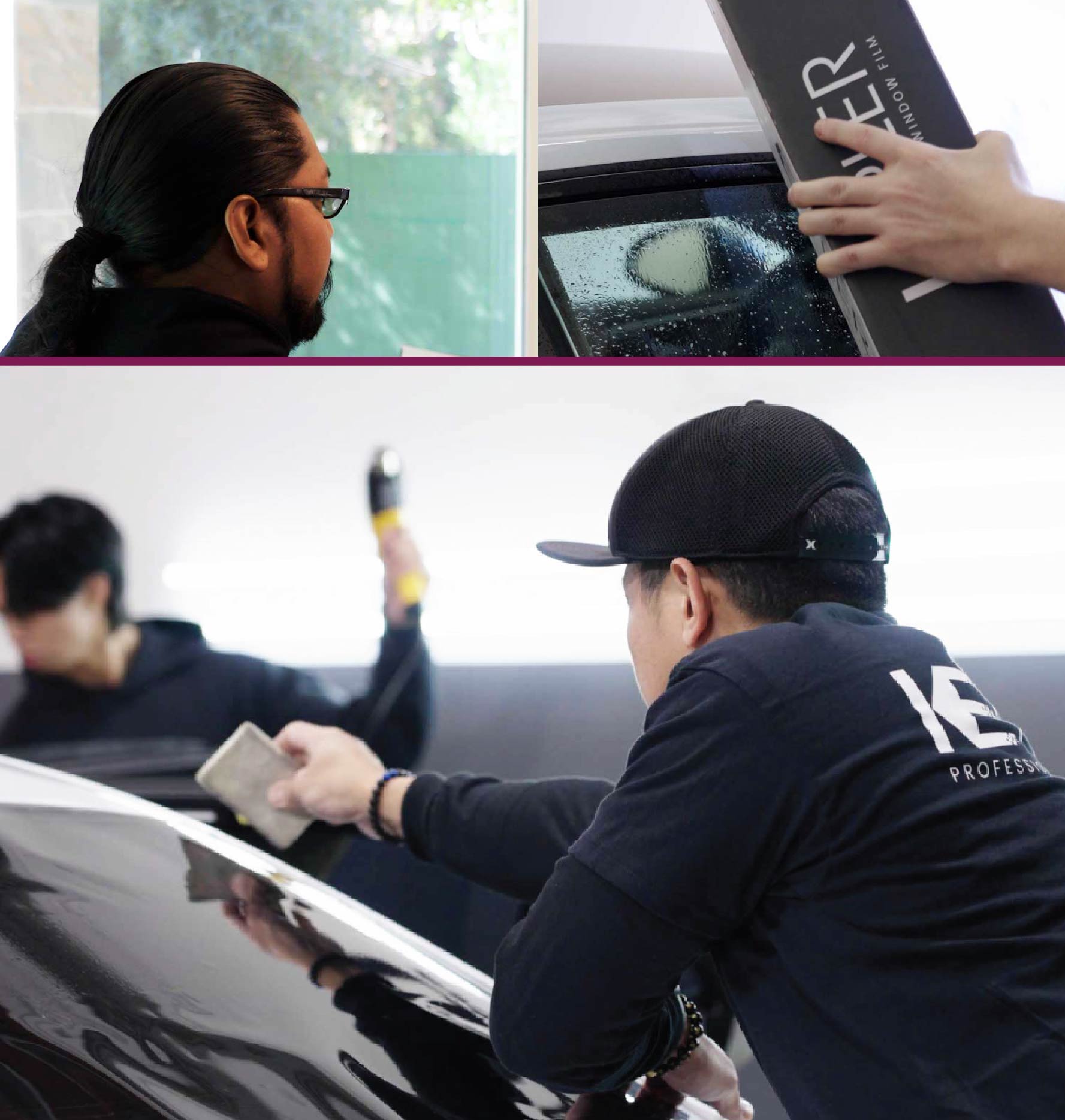
Car Window Tinting Specialist Working

A Full Range of Car Window Films

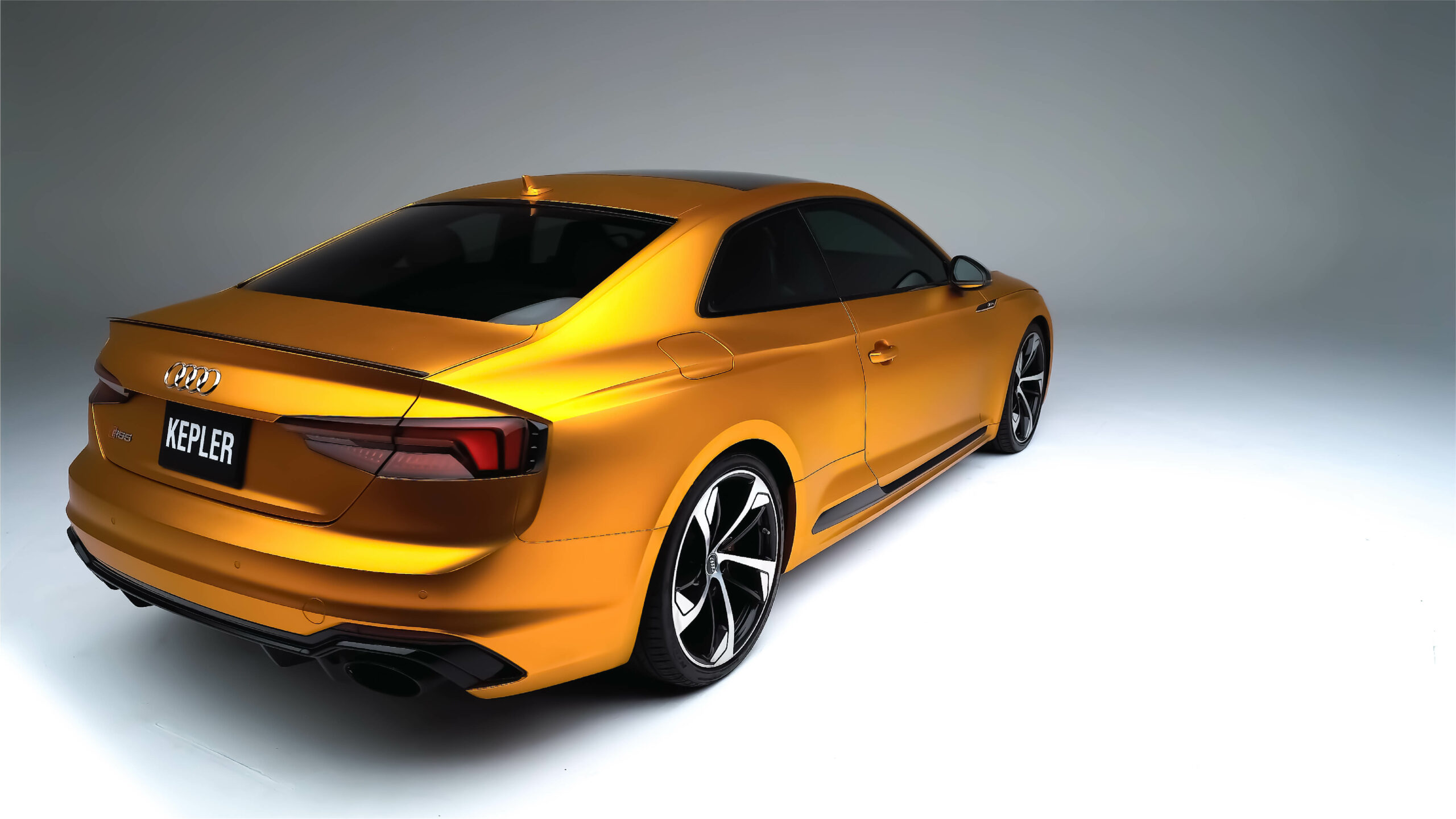
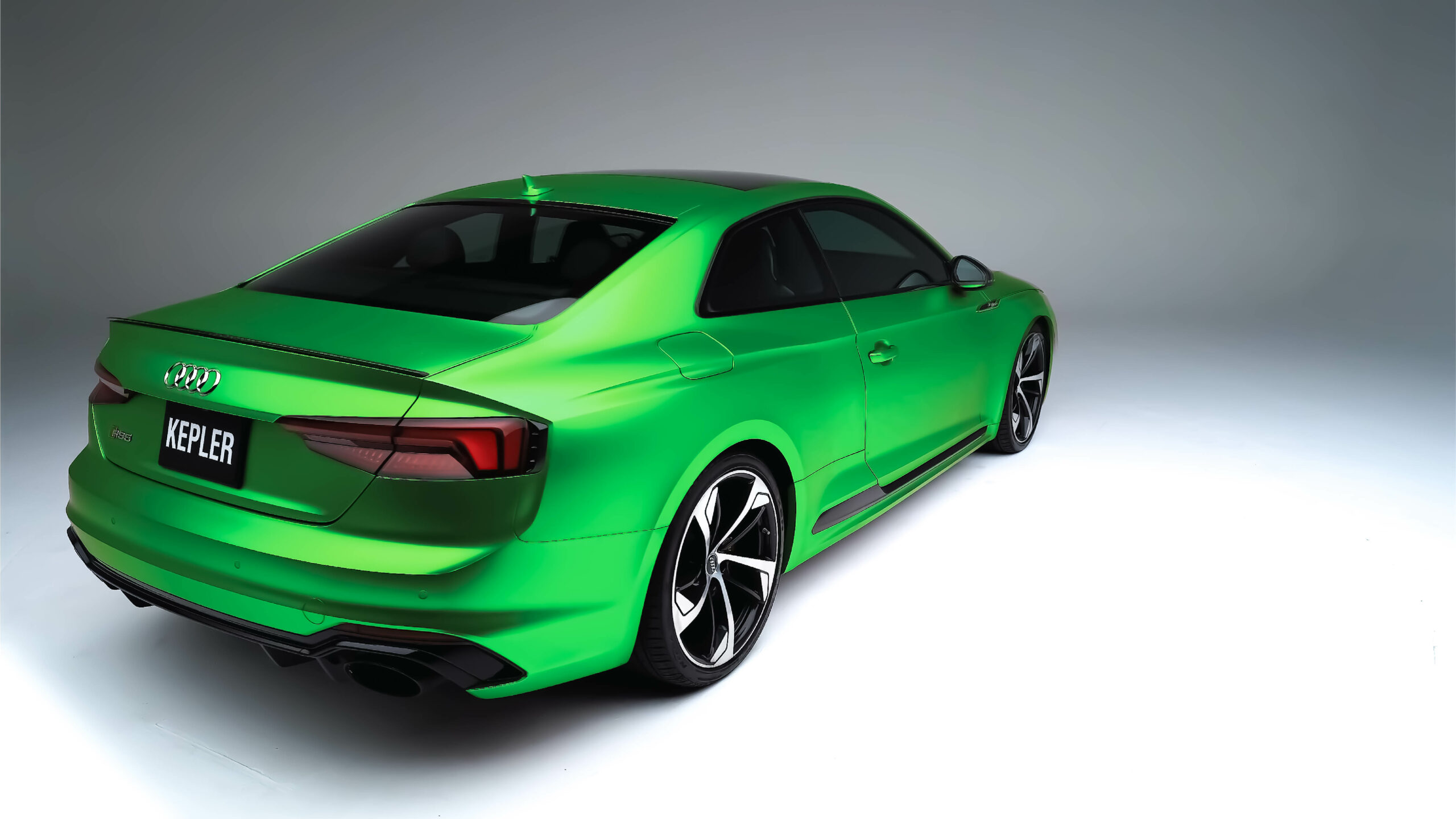
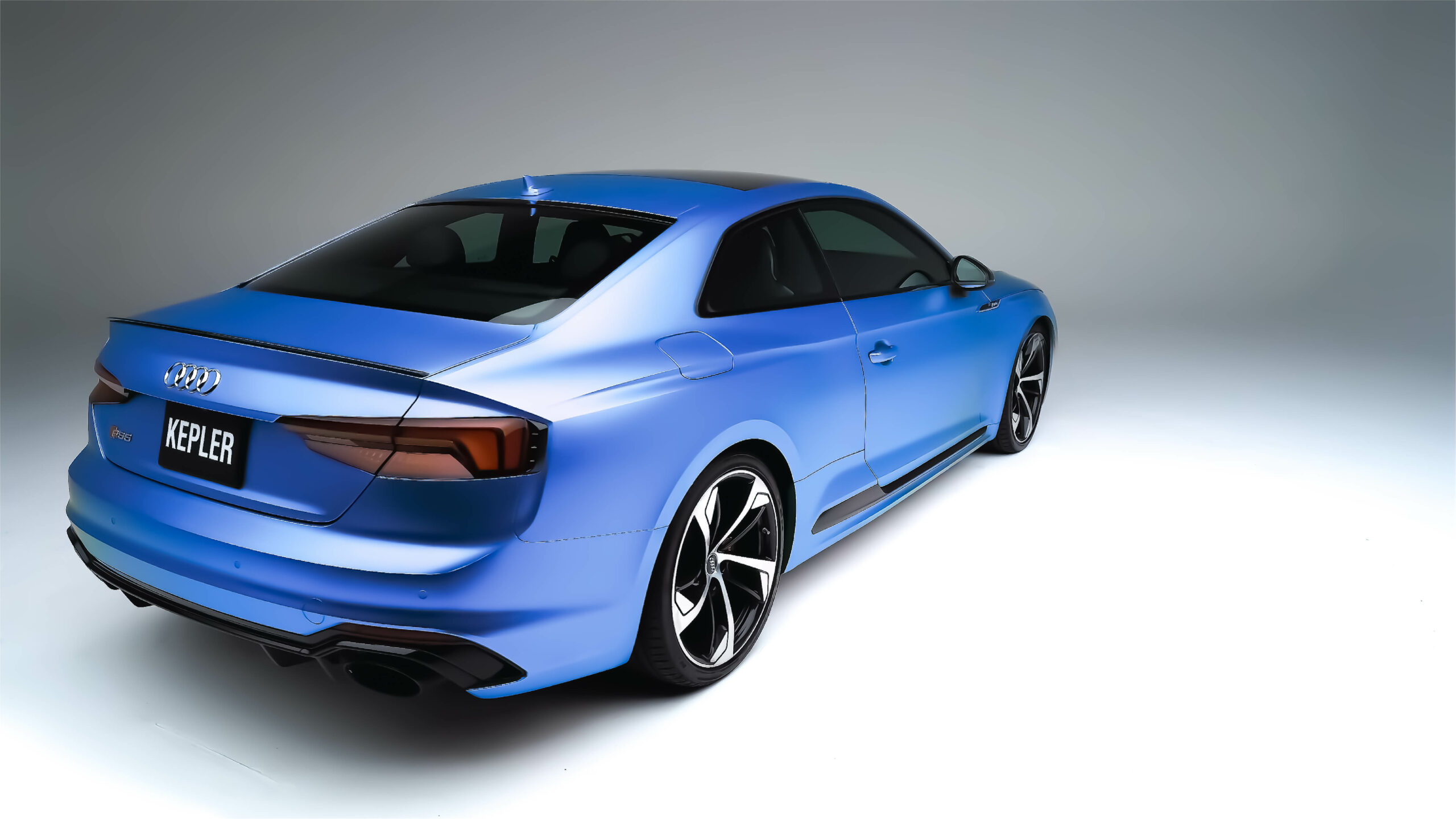
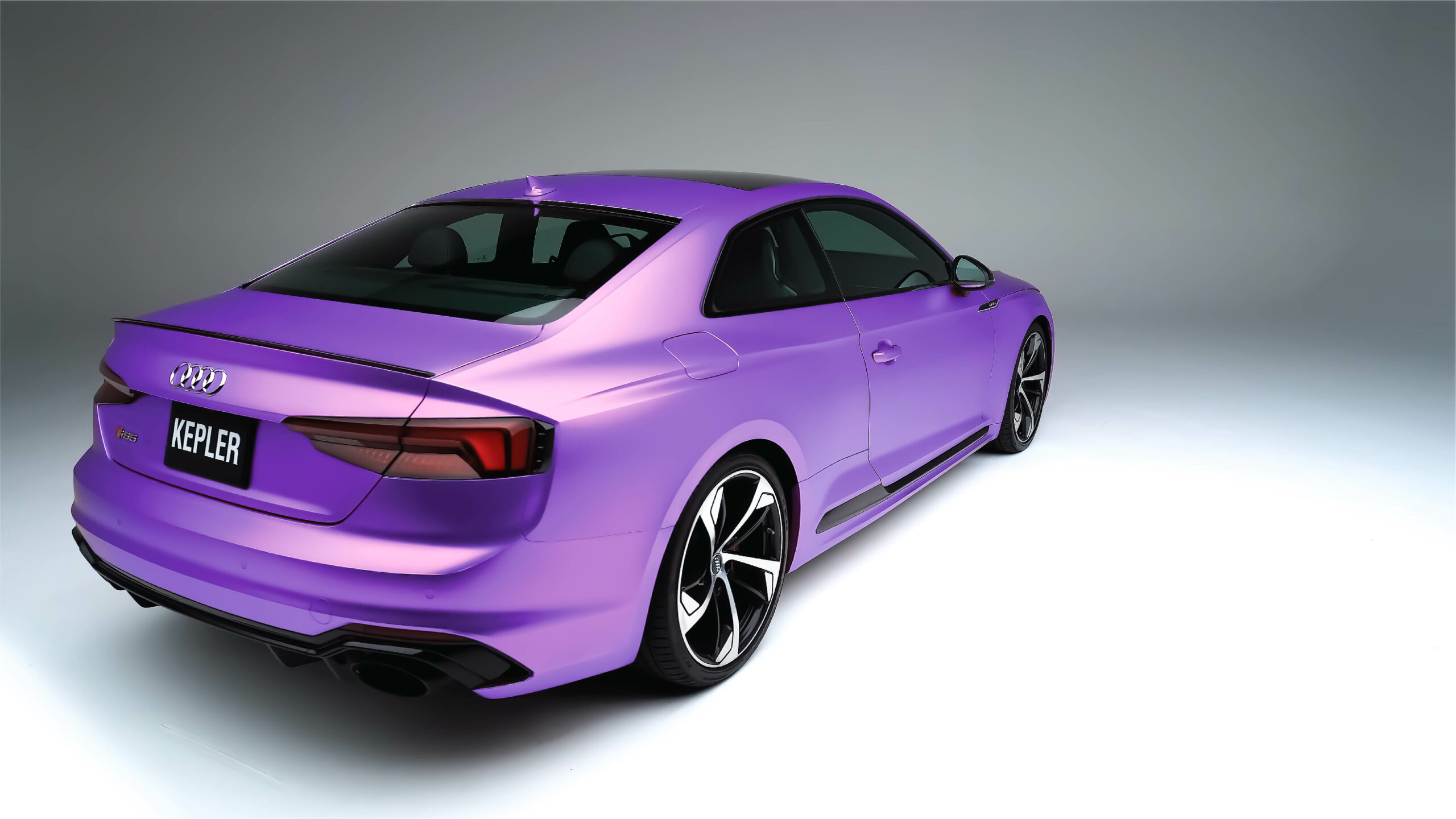
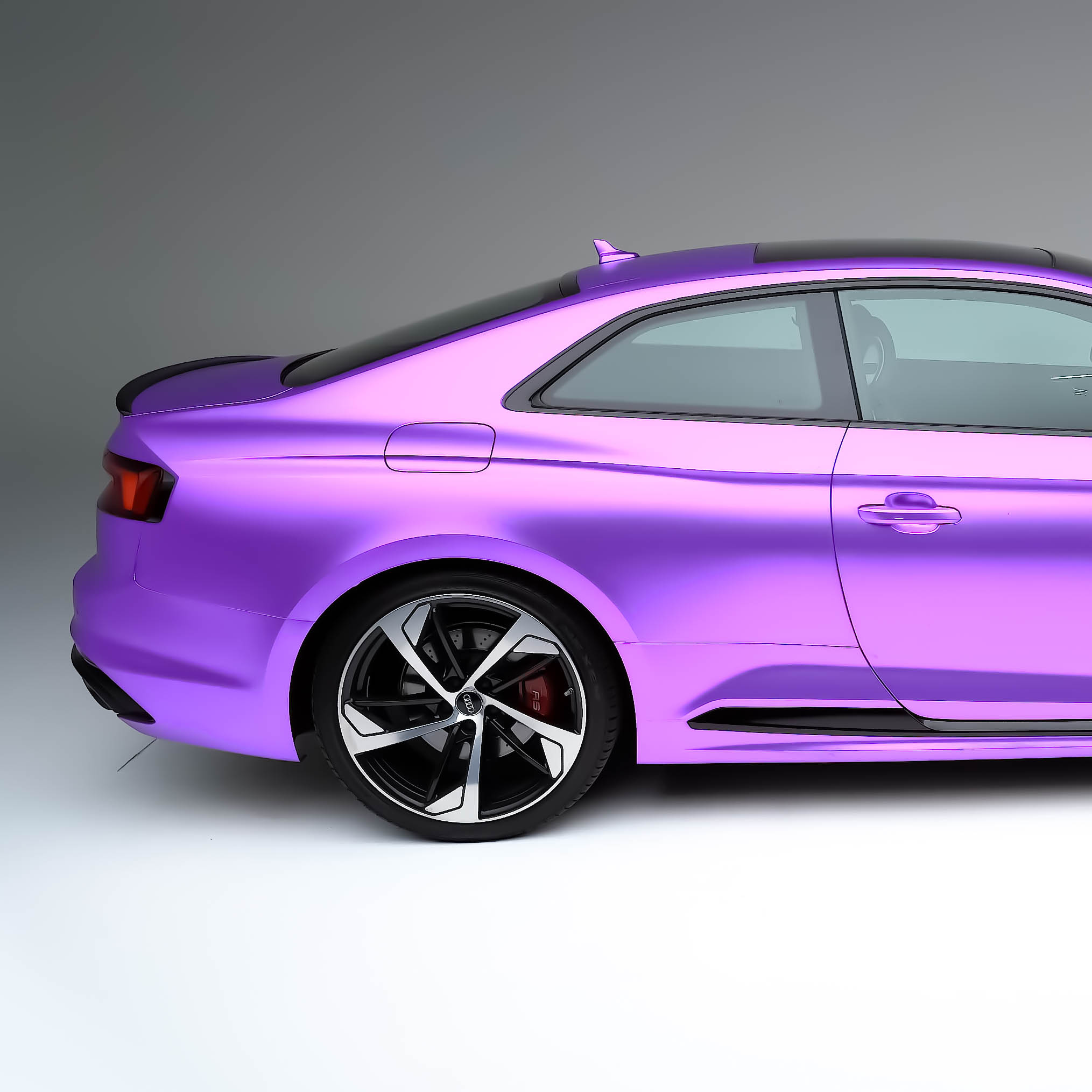
Kepler IR and IR+ run from Nebula, the darkest shade Kepler publishes, through to Photon on the IR+ range, which is close to clear. The shade is a decision about how you want the car to look; the nano-ceramic construction underneath is the same whichever one you pick.

What Kepler Film Does for Your Car

Out of Plain Sight

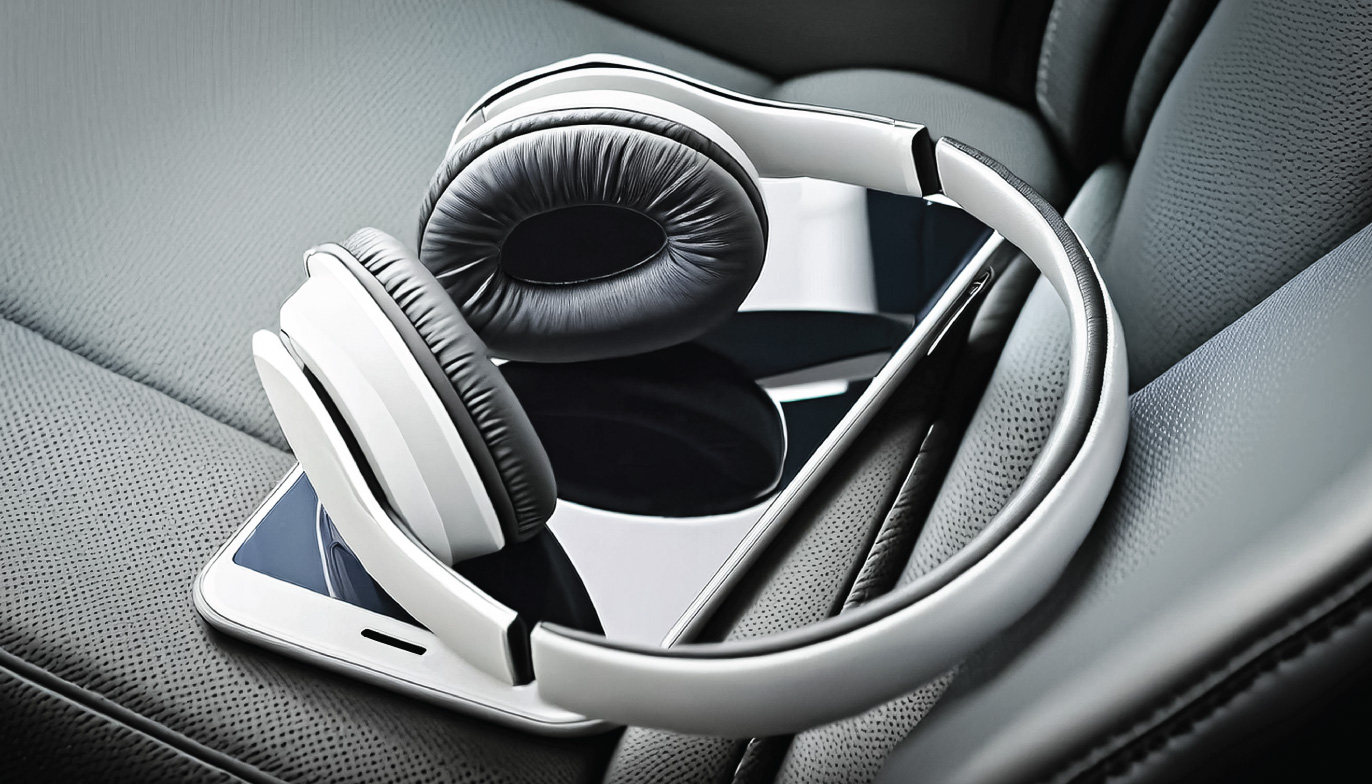
A darker film makes the cabin hard to see into, so the bag on your back seat isn't on show to everyone walking past. It won't lock your car, but what's inside stays your business.

Headphones-On-Seat
Valuables

The Technology Inside Kepler Film

The shade you can see is the smallest part of a Kepler film. Behind it sit a UV absorber, the nano-ceramic layer that deals with heat and a scratch-resistant coat, which is why two films that look identical on the glass can feel very different in the sun.

Ceramic Nanoparticles, Not Dye

Ceramic nanoparticles are dispersed through the film to absorb infrared energy across the band, which is how the film holds heat back without a heavy, mirrored or metallic look on the car.

Ceramic Film in Arizona Sun

A car parked in Arizona sun takes most of its heat straight through the glass. Because Kepler's ceramic layer works on infrared energy rather than on darkness, the shade and the heat performance are two separate decisions, and a lighter film is not automatically the warmer choice.
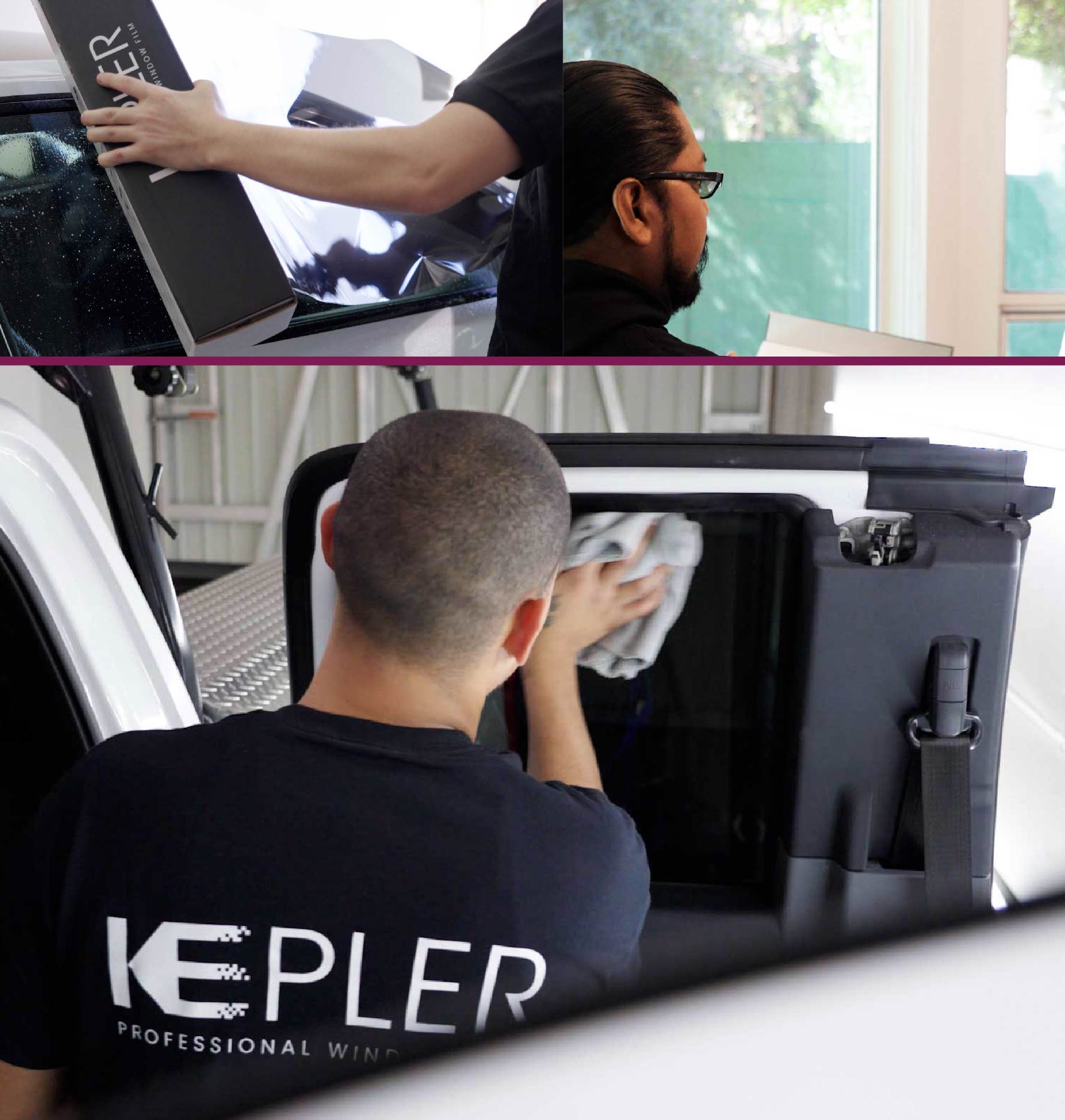
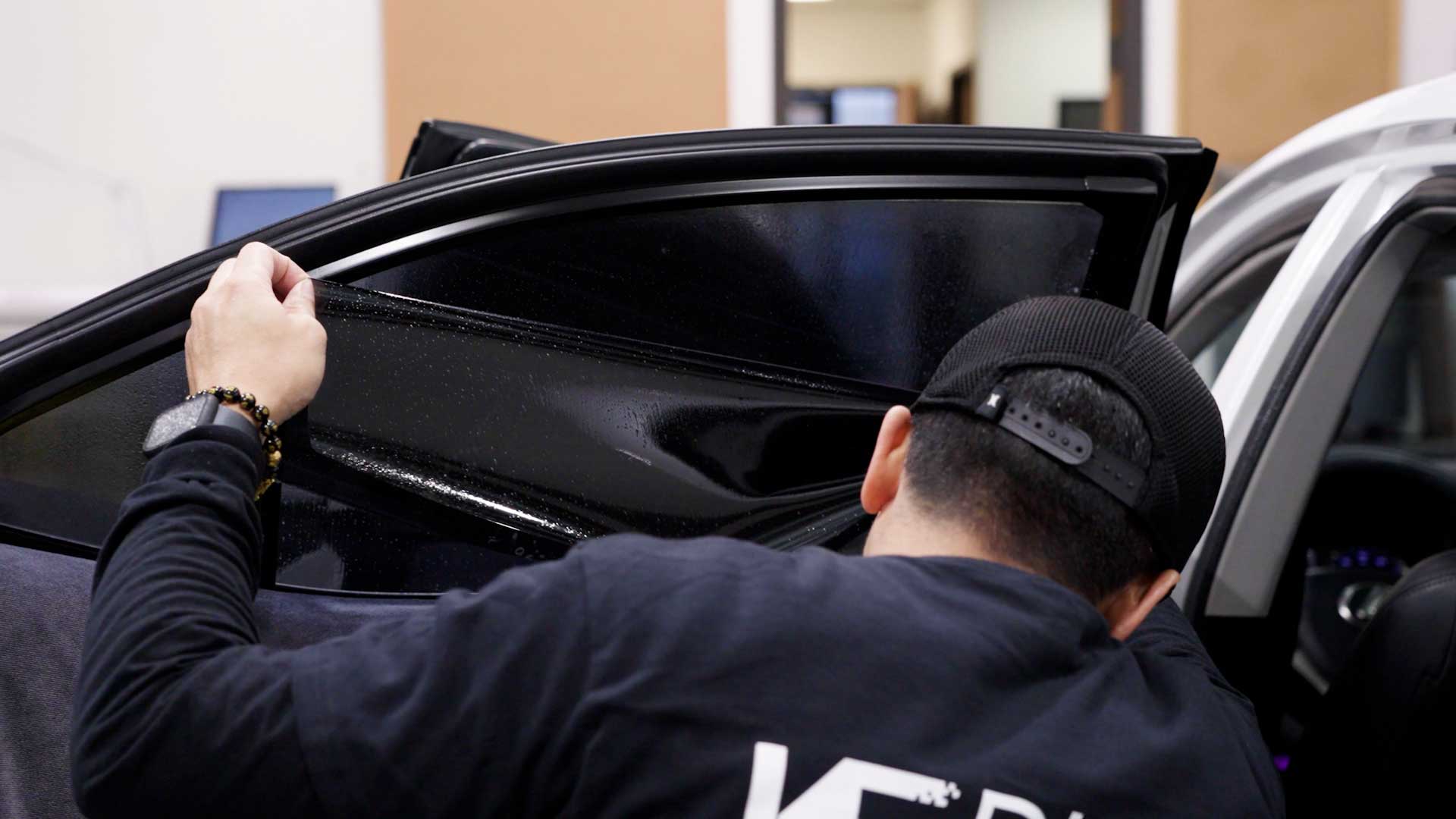
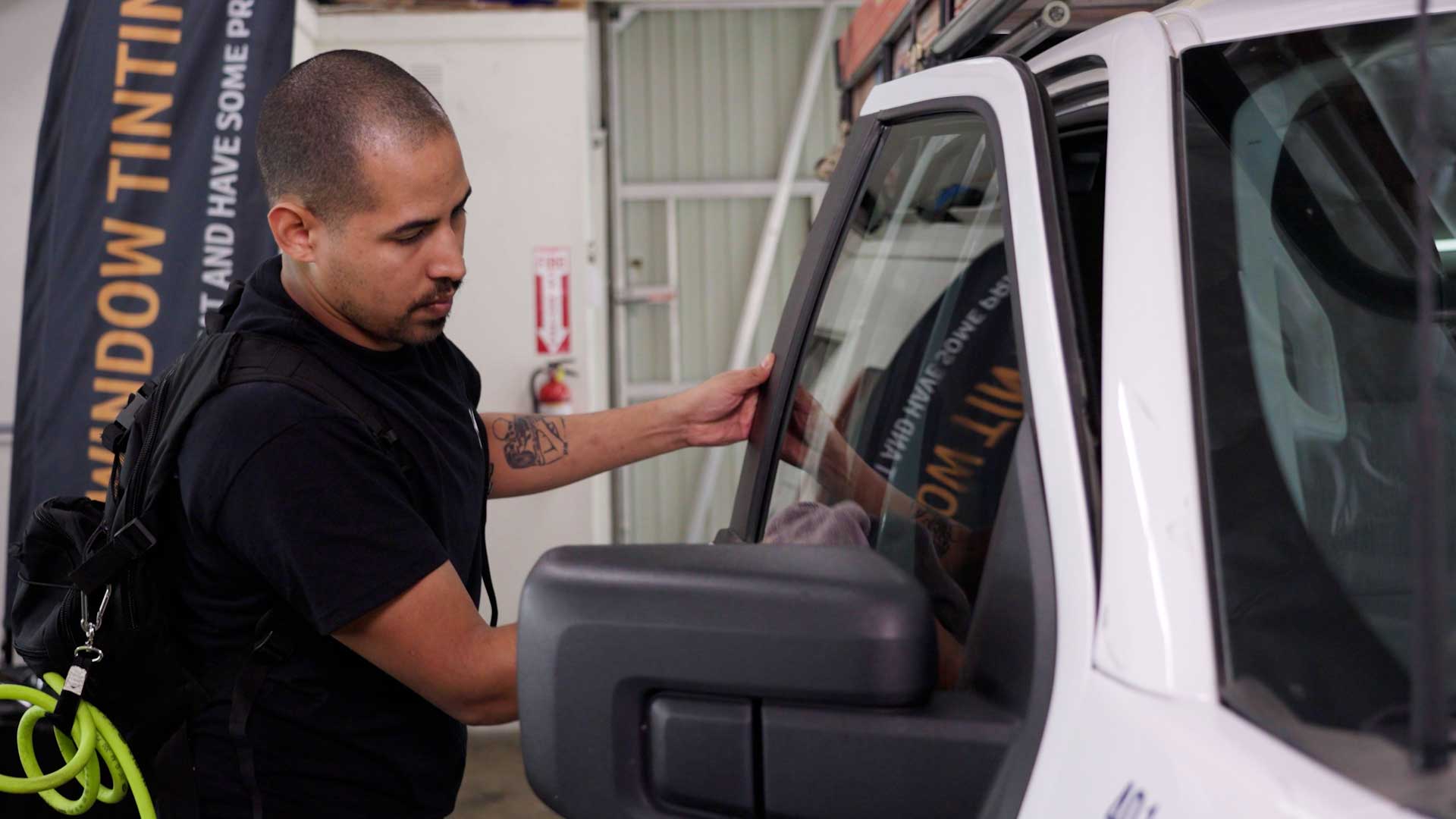
Kepler Dealer Installing Automotive Window Tint

Six Layers, One Thin Film

Kepler film reaches your installer as a single thin sheet, but there are six layers inside it: the adhesive that bonds it to the glass, a UV absorber, the tinted layer, a laminating adhesive, the nano-ceramic layer that handles infrared heat, and a scratch-resistant coating on top.

1. Glass
2. Ultra Bond Adhesive
3. UV Absorber
4. Tinted Layer
5. Laminating Adhesive
6. Nano-Ceramic (IR) Layer
7. Scratch Resistant Coating

What Kepler Publishes for These Films

Up to

98%

Infrared Rejection

Up to

99%

UV Protection

Up to

96%

Glare Reduction

Review

Warranty terms

Car Window Tinting Across Arizona

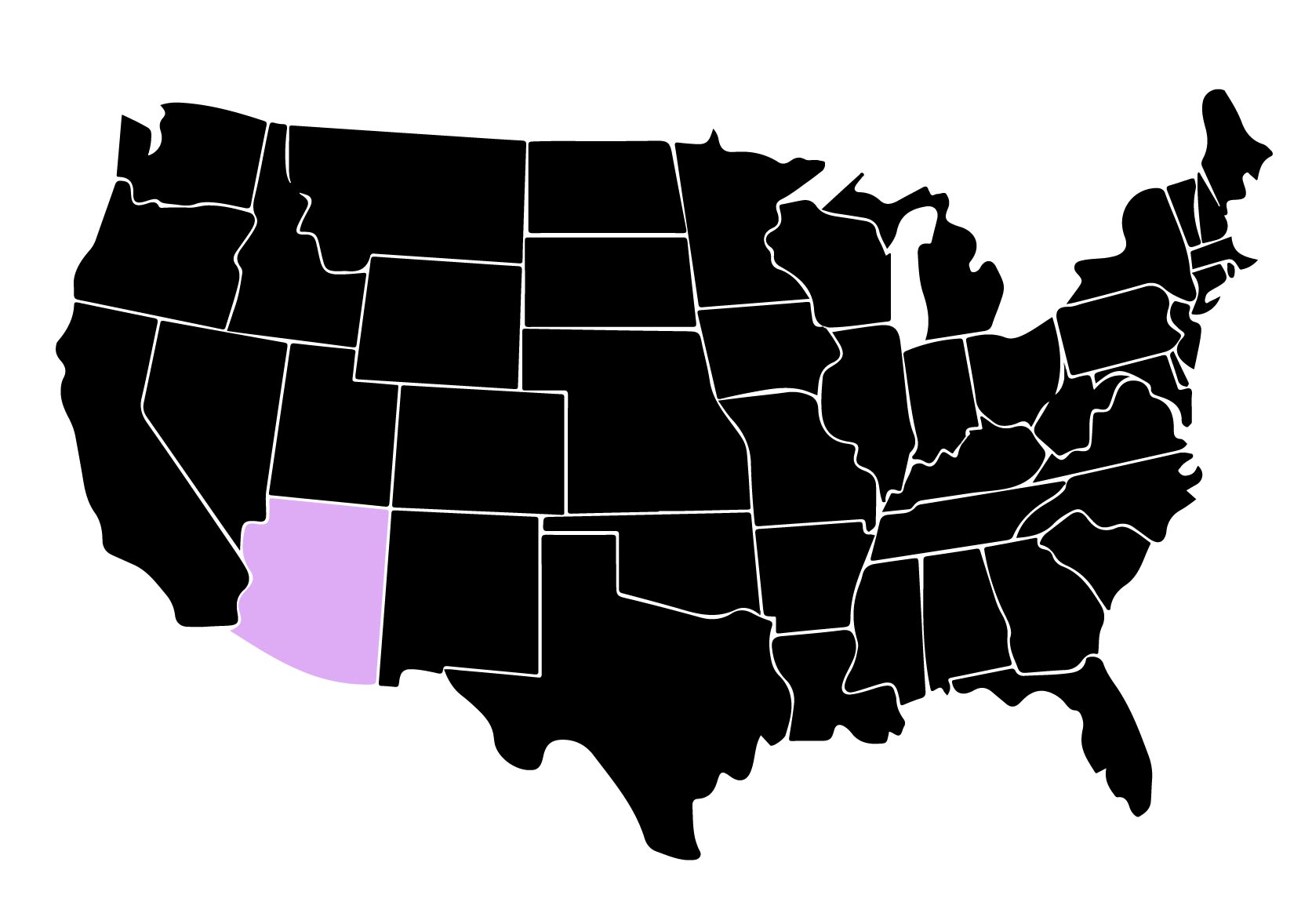
These pages cover car window tinting town by town across Arizona, from Phoenix and Tucson out to Yuma, Flagstaff and Lake Havasu City. Each page covers the Kepler car film range for that town. A page here doesn't confirm an address or availability, so the tinter search is the place to look for someone to quote for your car.

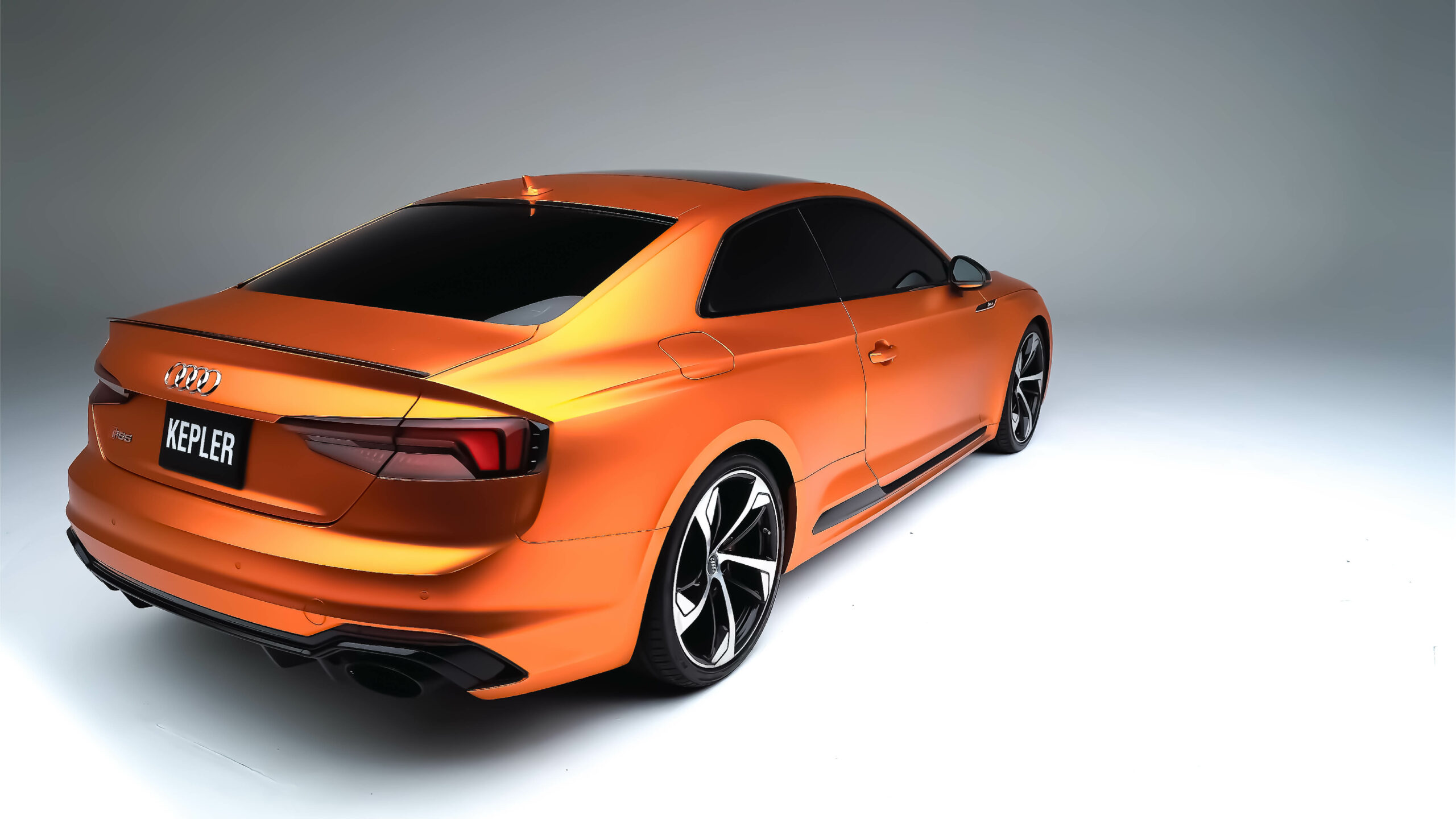
Automotive window film shade preview

Nebula 04%

Kepler's darkest published shade, on the same ceramic film.

Automotive window film shade preview — side view

Not Sure Which Shade to Choose?

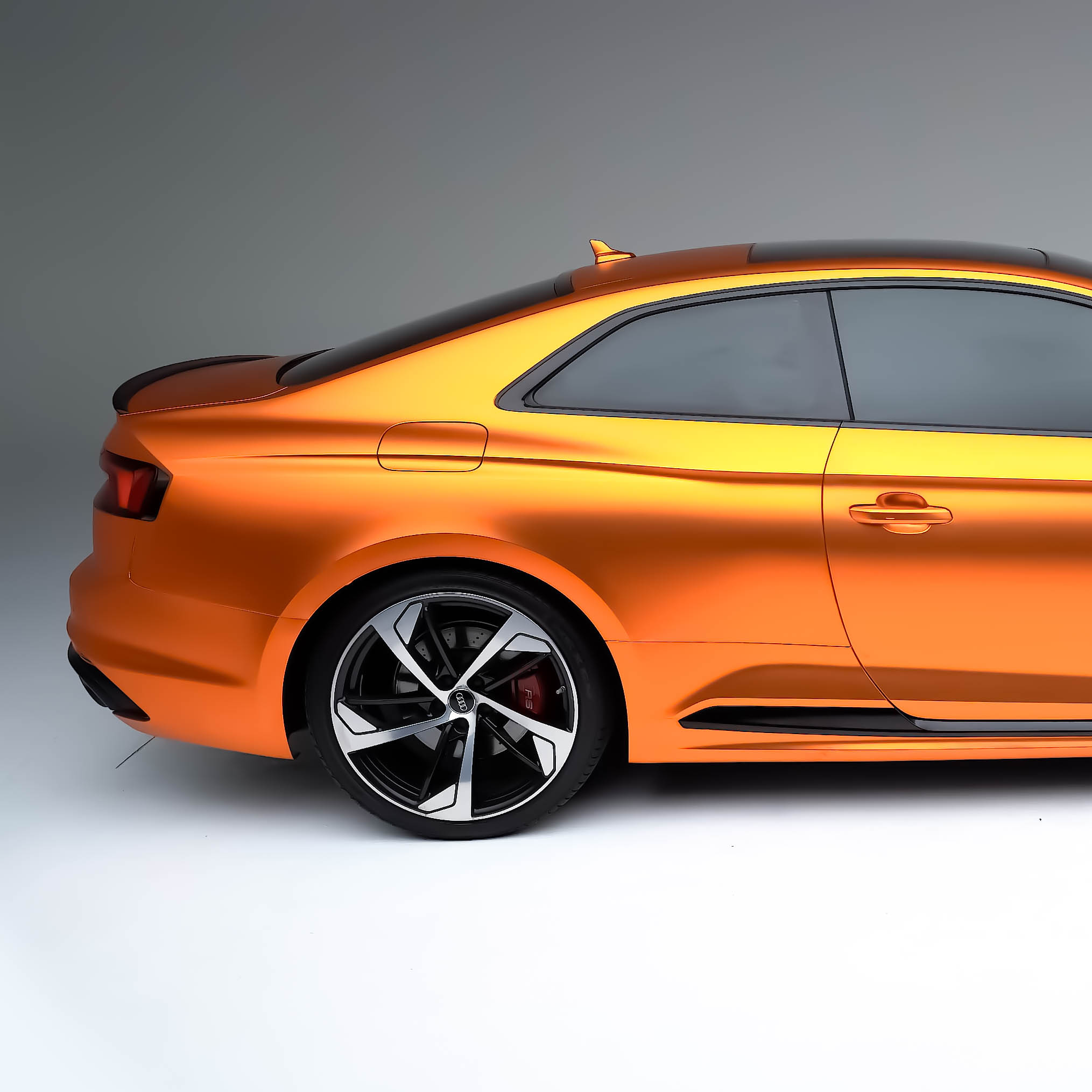
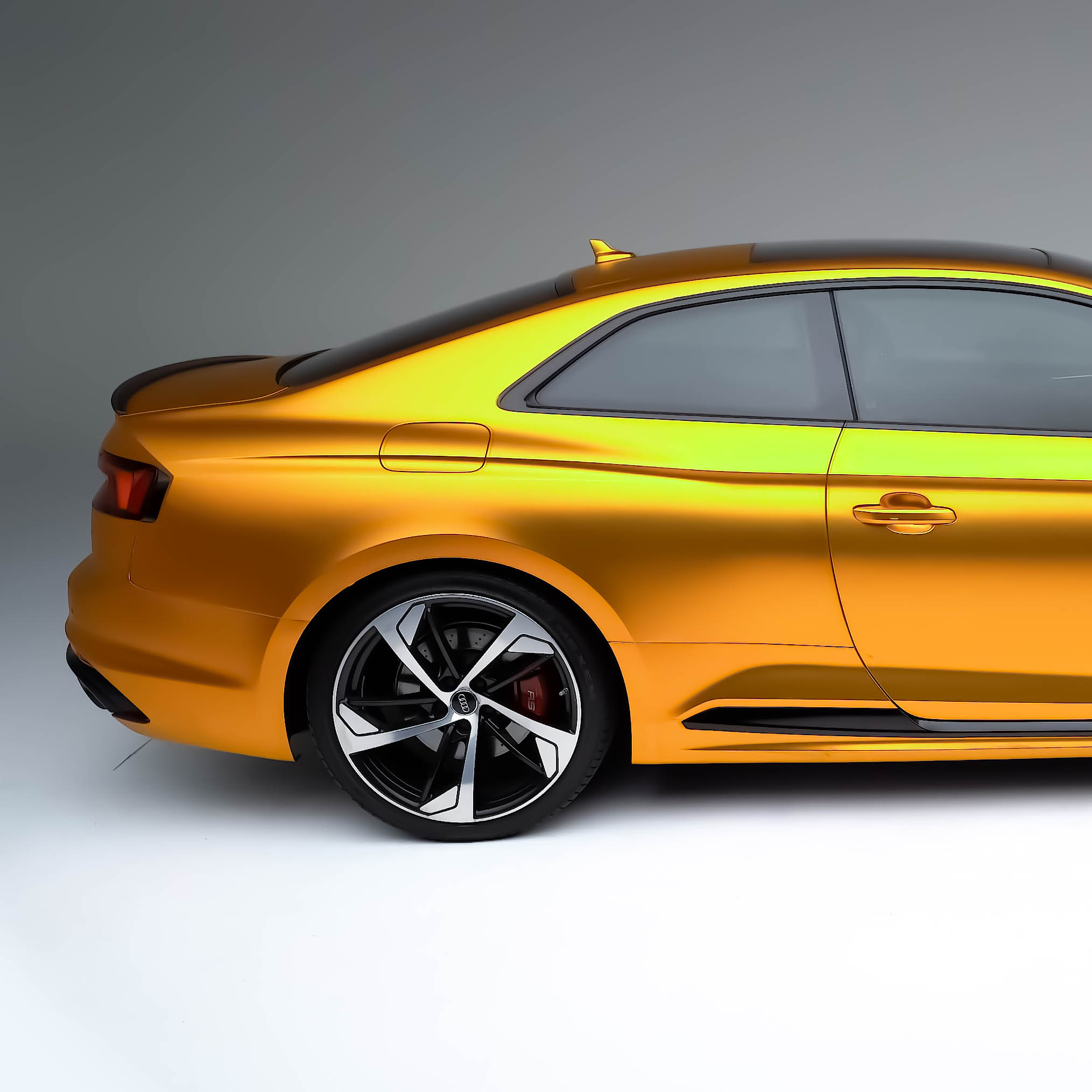
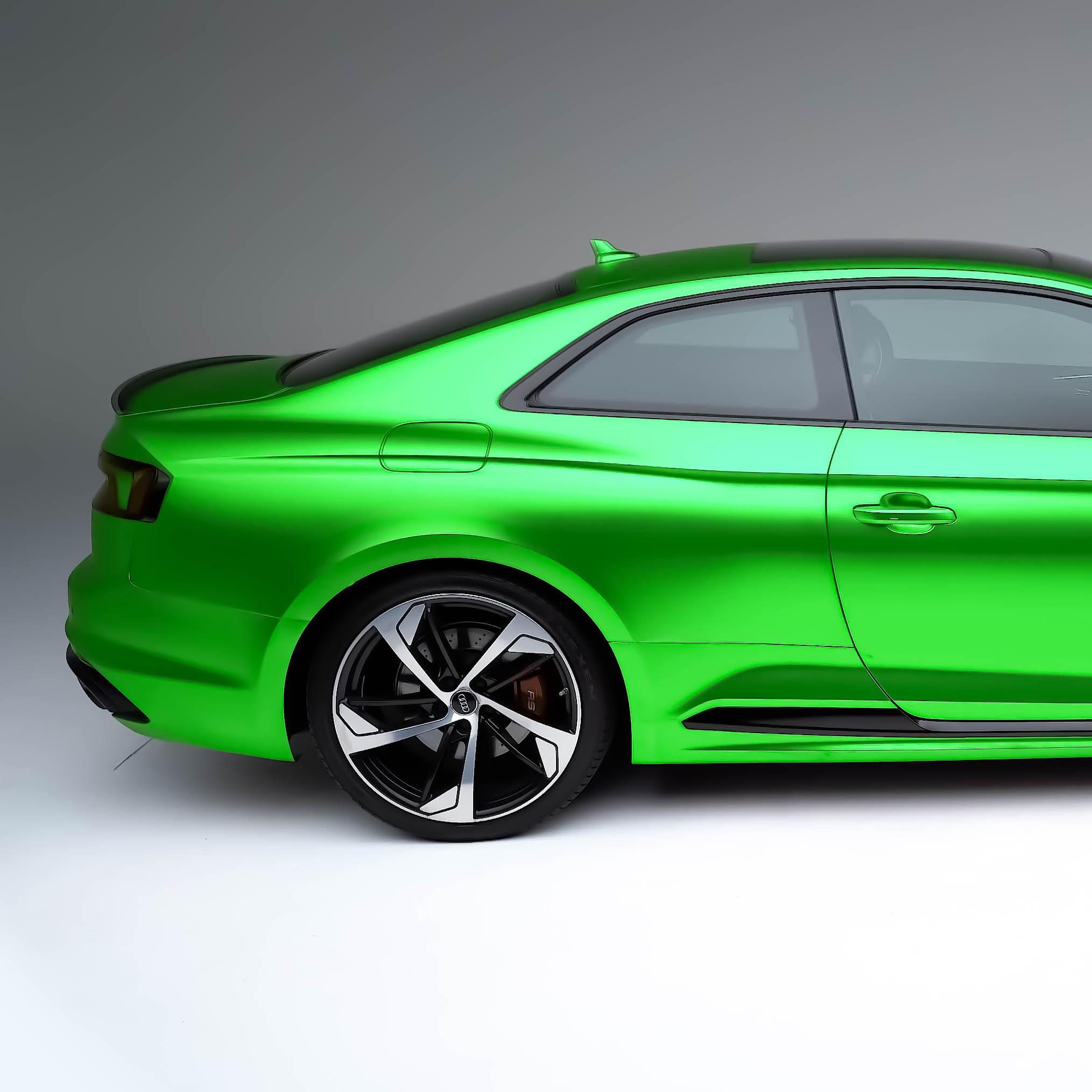
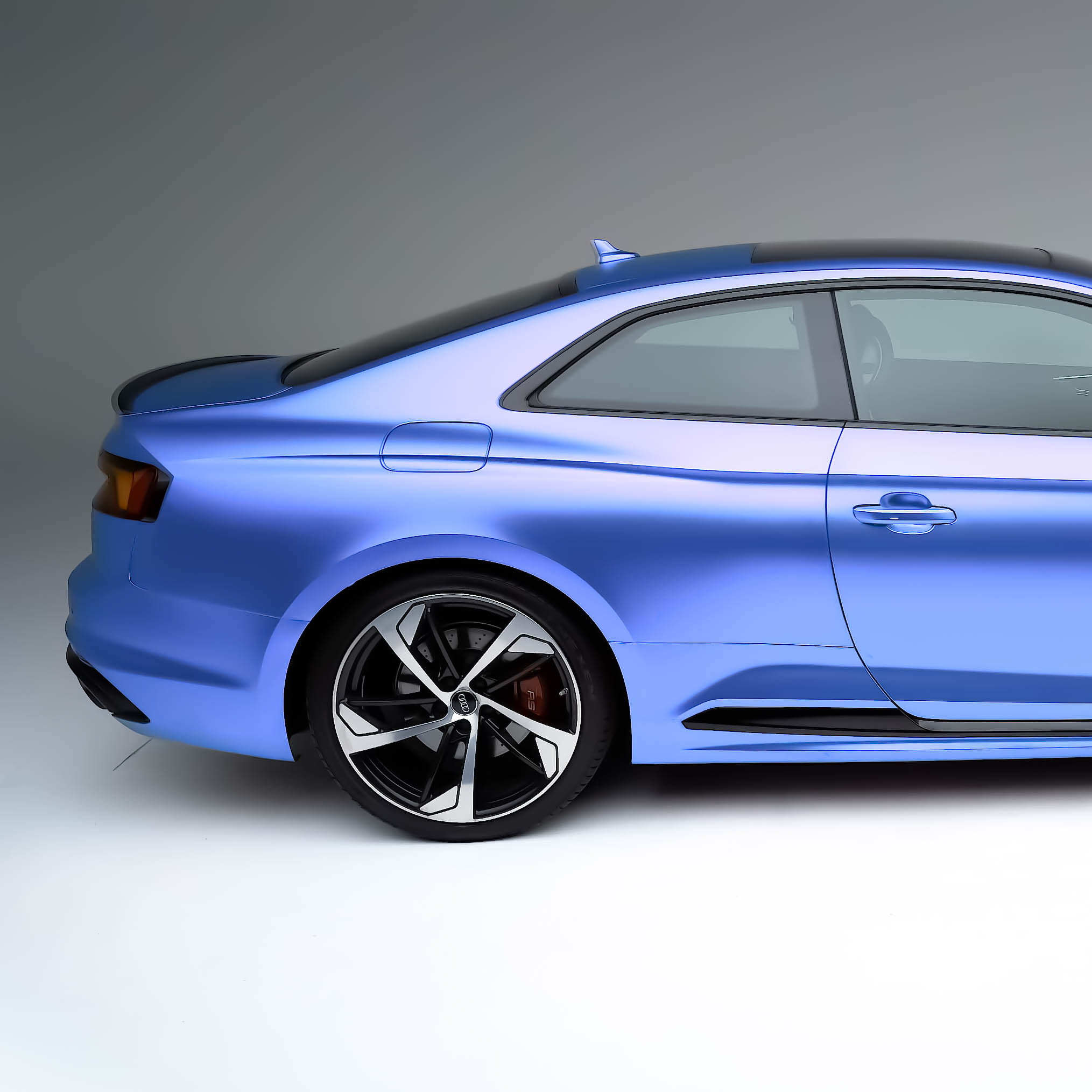
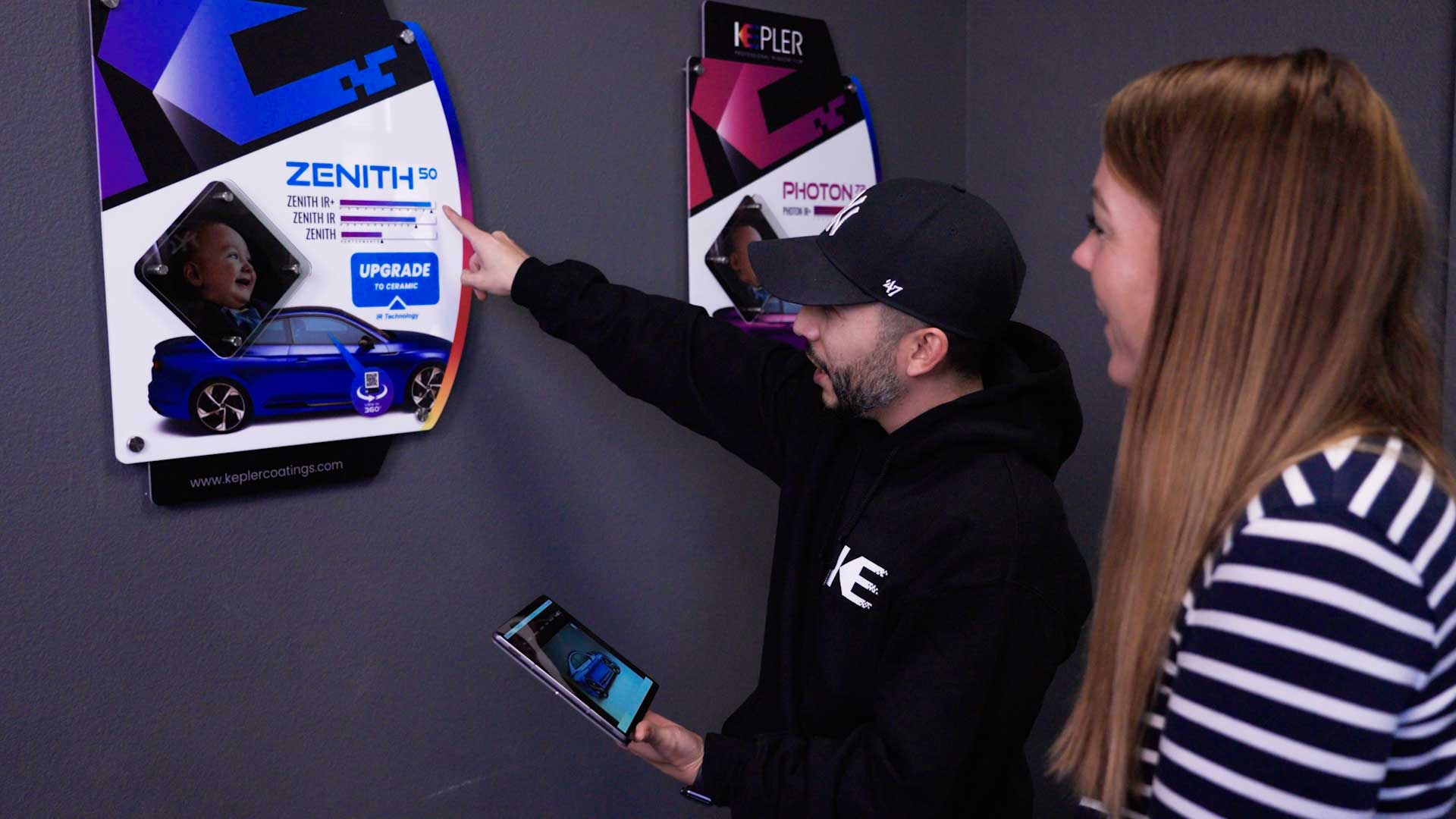
Shade is far easier to judge on a car than on a chart. The 360 viewer turns a vehicle through every angle so you can see how a film actually sits on the glass before you enquire, so take a look at the range in the Kepler Automotive Experience.

Get a Price for Your Car

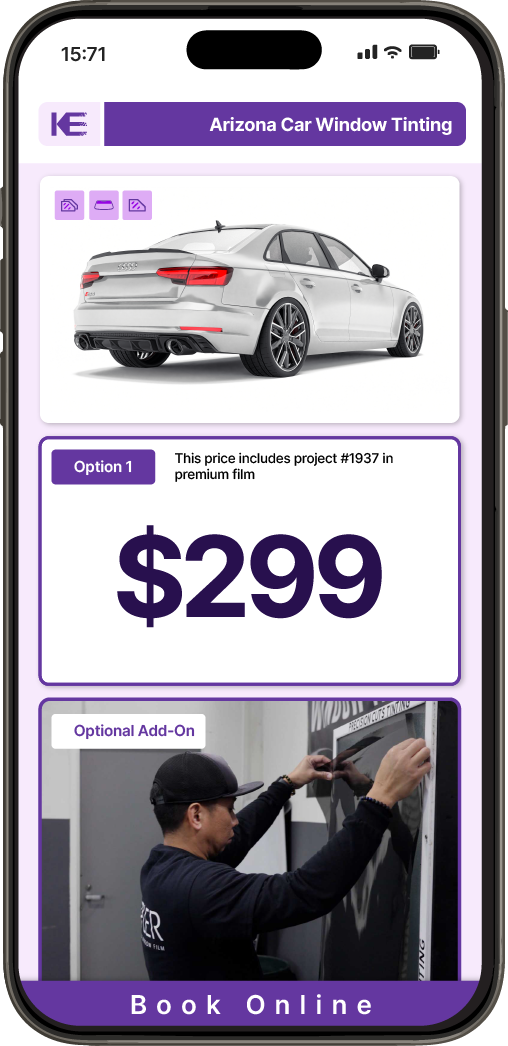
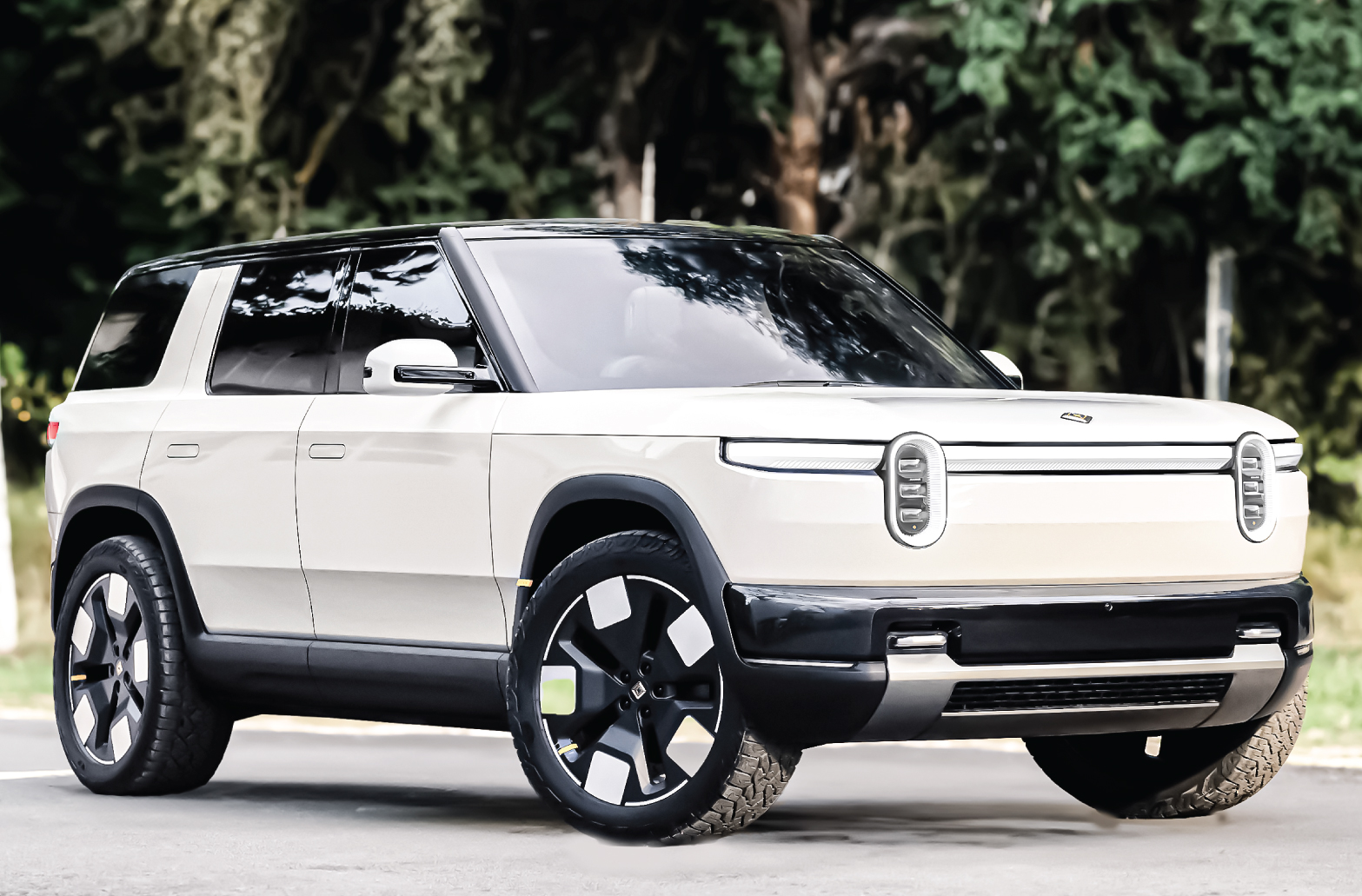
The online pricing tool turns your make into an indicative price for tinting the car. The dealer who does the work confirms the final figure with you. Pick your make to start.

Why Drivers Choose Kepler Film

Ask a local tinter whether they carry Kepler film or can get it.

Kepler manufactures the film and supplies it to independent tinting businesses; Kepler does not fit it. Send your details through and ask a local tinter whether they carry Kepler film or can get it. Confirm availability and timing with them before you make plans around it.
Arizona, United States
Visit our social media accounts up top

Car Window Tinting in Arizona: Common Questions

Choosing Your Film

Start with the shade: Nebula at the dark end, Photon close to clear, and the same ceramic film underneath whichever you choose. Check the state limits before you settle on anything dark, since they apply to the glass and the film together. Ask a local tinter whether they carry Kepler film or can get it.