
Less work for the climate system
When less solar heat reaches the cabin, the air conditioning has less to overcome on a hot afternoon. That shows up as a more comfortable interior and a system that is not fighting the sun every time you get in.
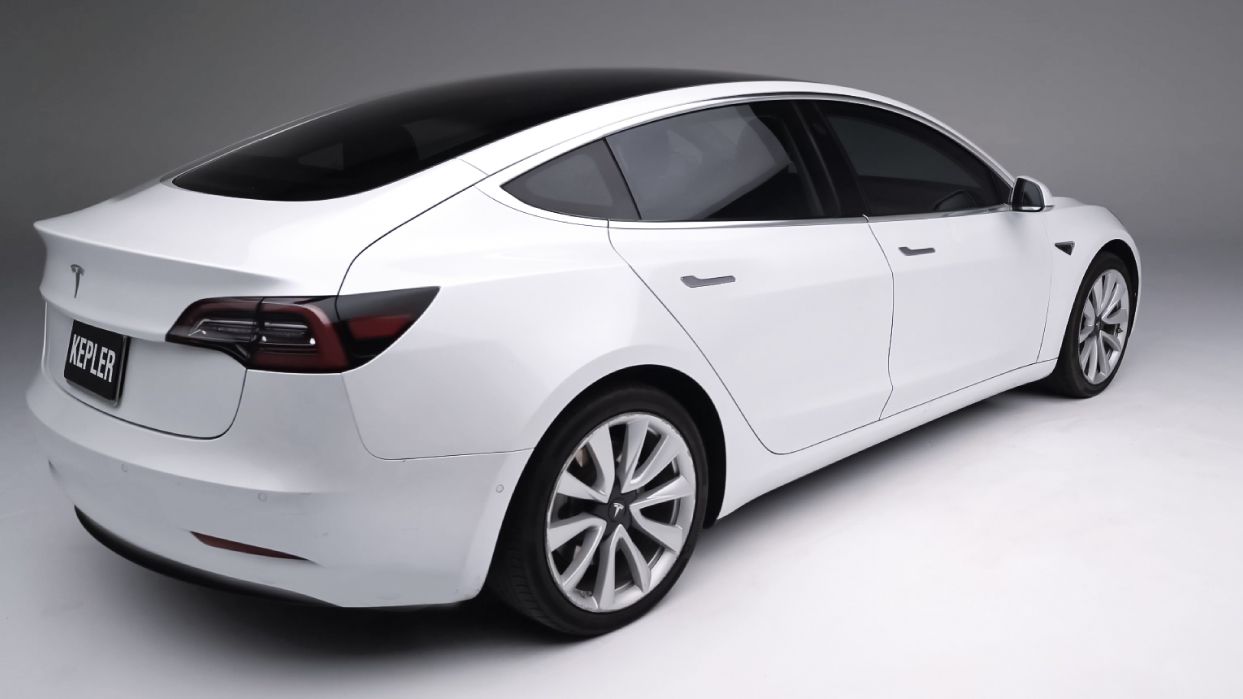
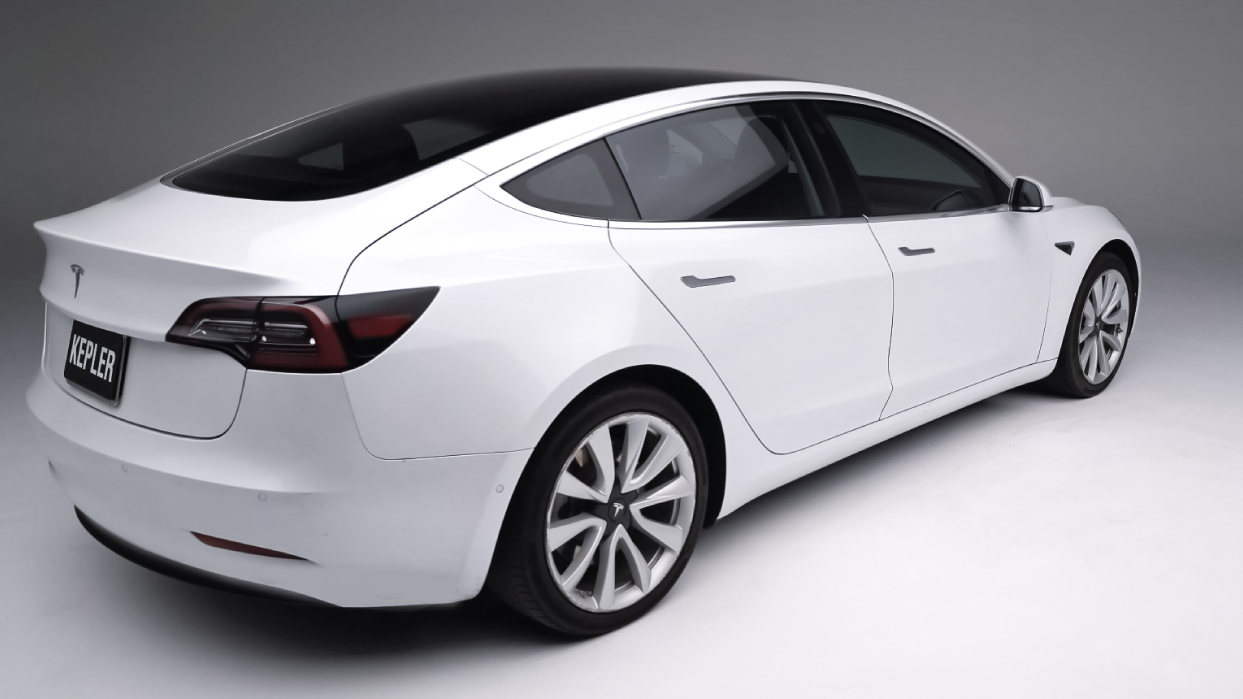
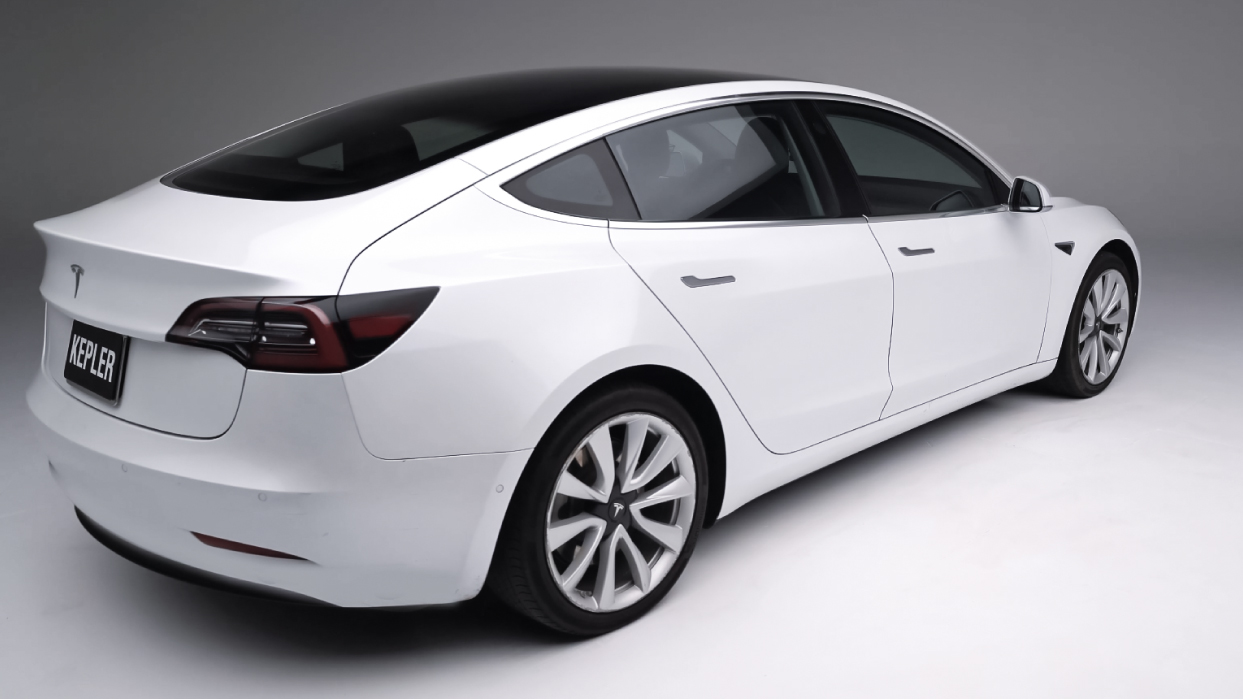
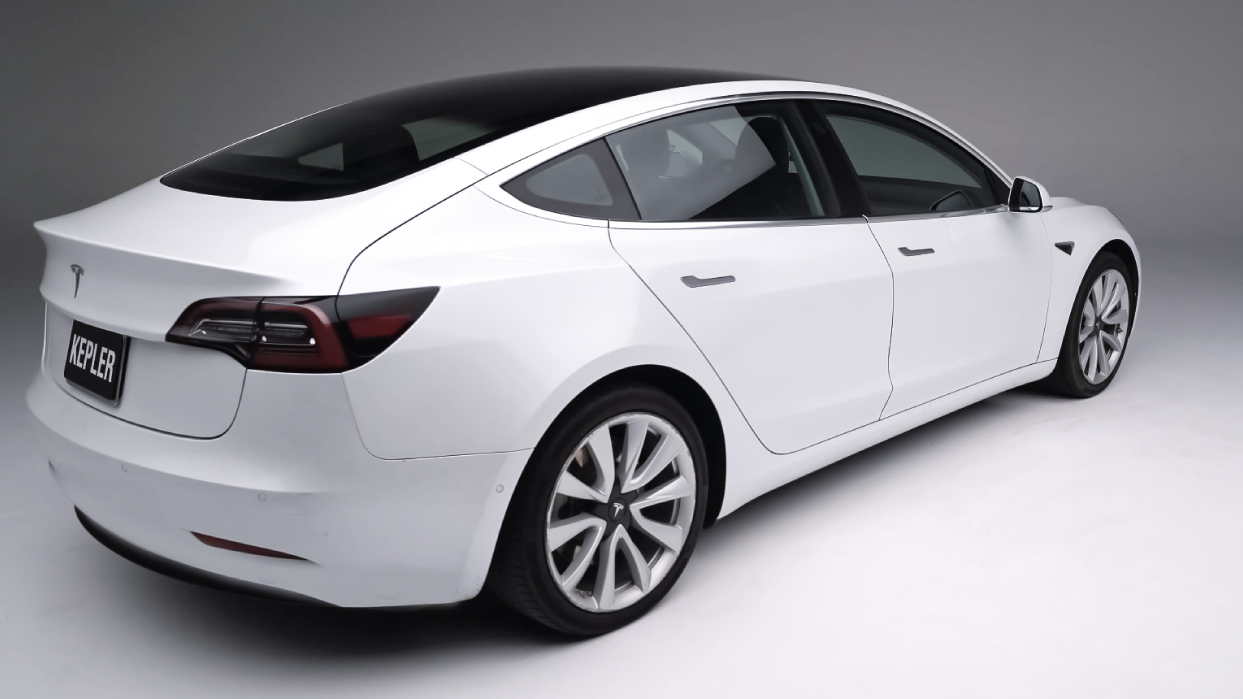
A Tesla spends a lot of time in direct sun, and its glass is a big part of the cabin experience. Kepler's nano-ceramic IR and IR+ automotive films are made to work with that glass, helping manage solar heat and glare while adding privacy and cutting ultraviolet light that fades interior trim. Ask a local tinter whether they carry Kepler film or can get it.



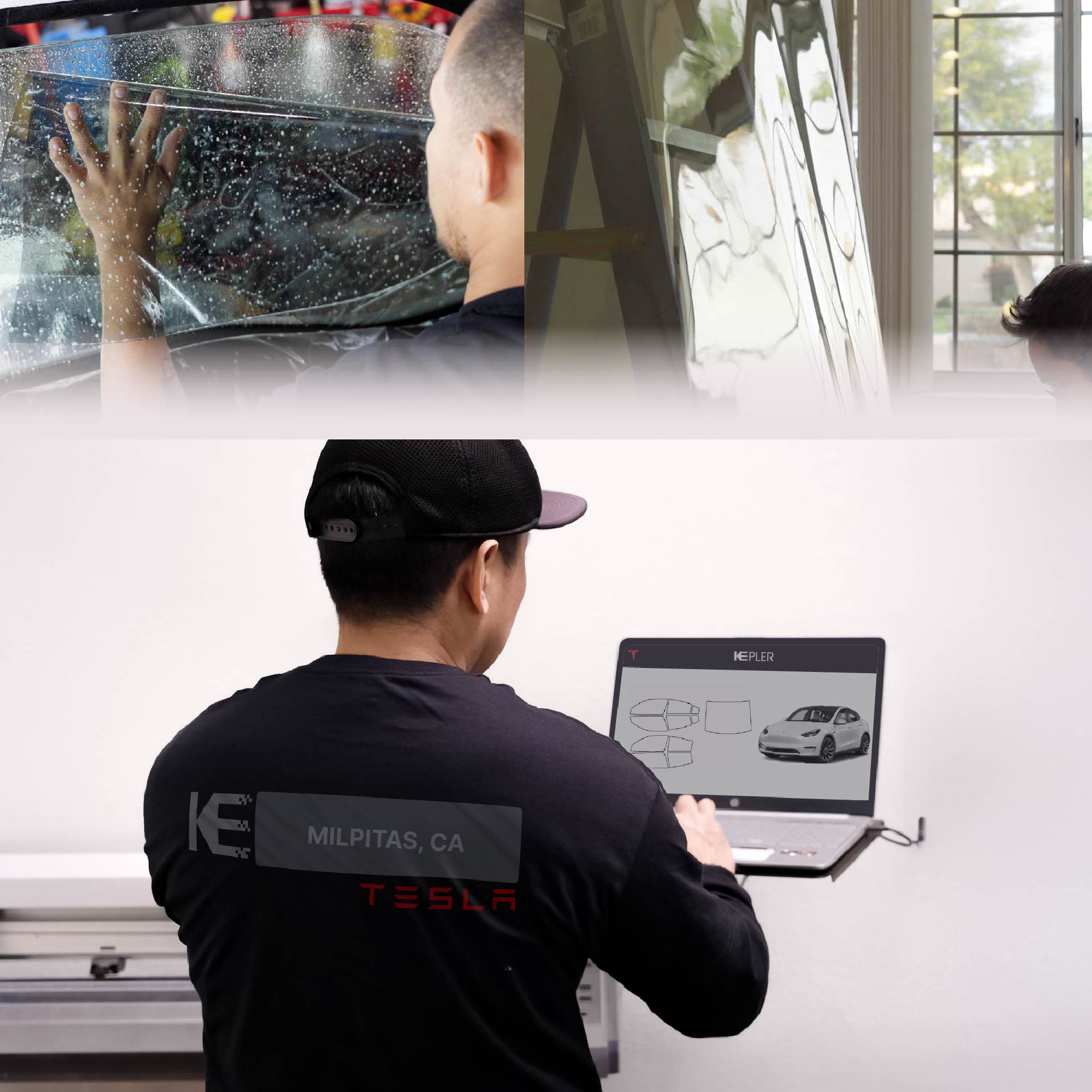
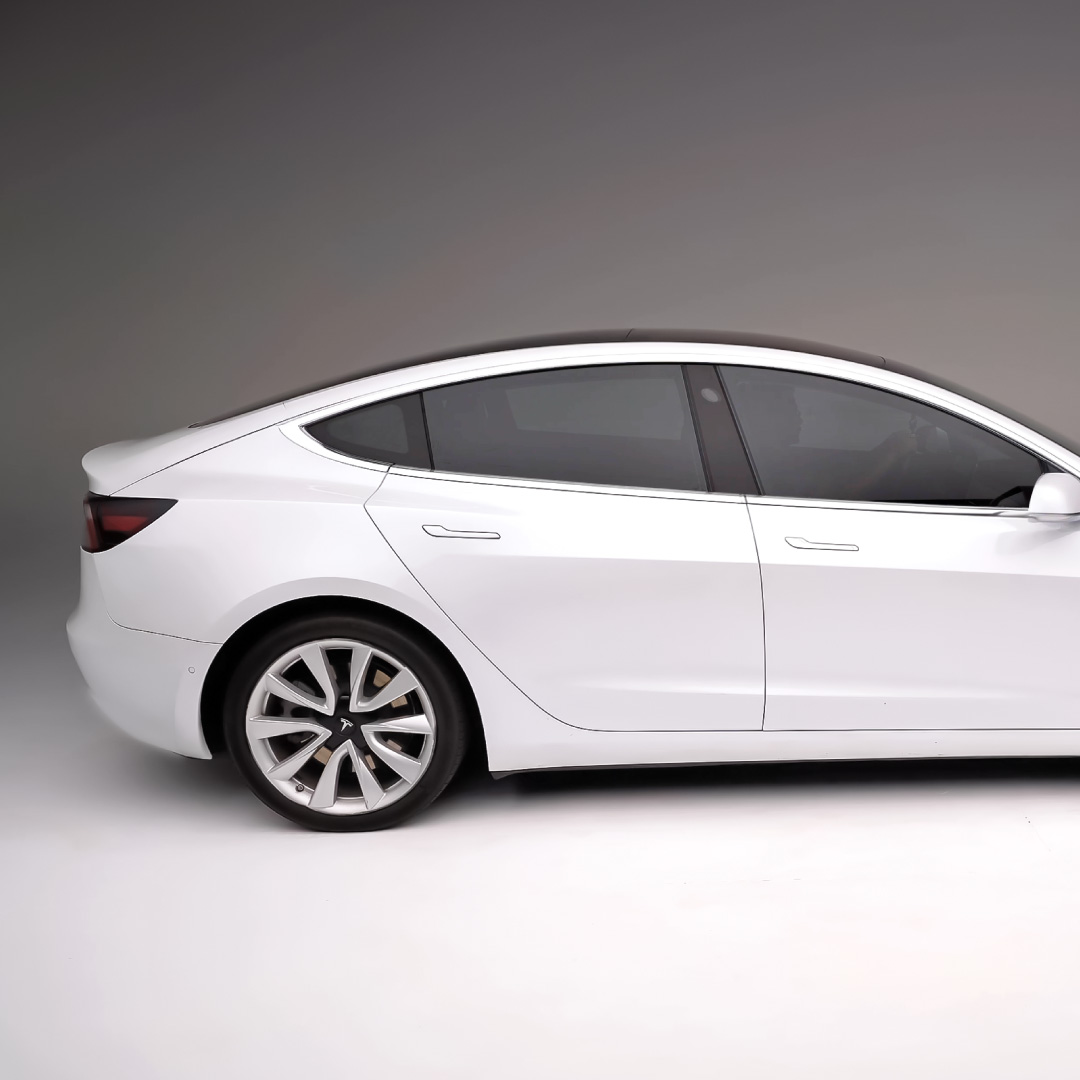
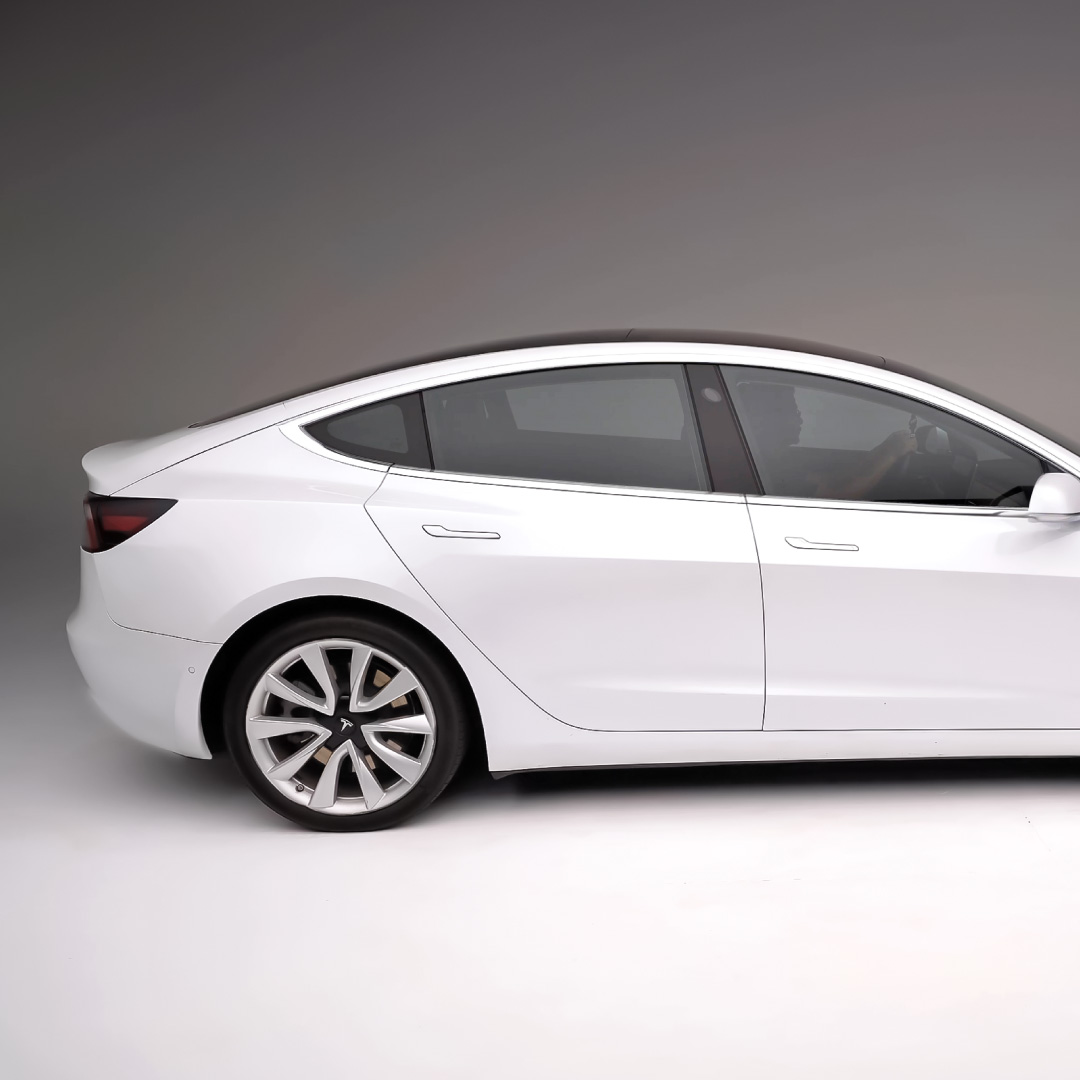
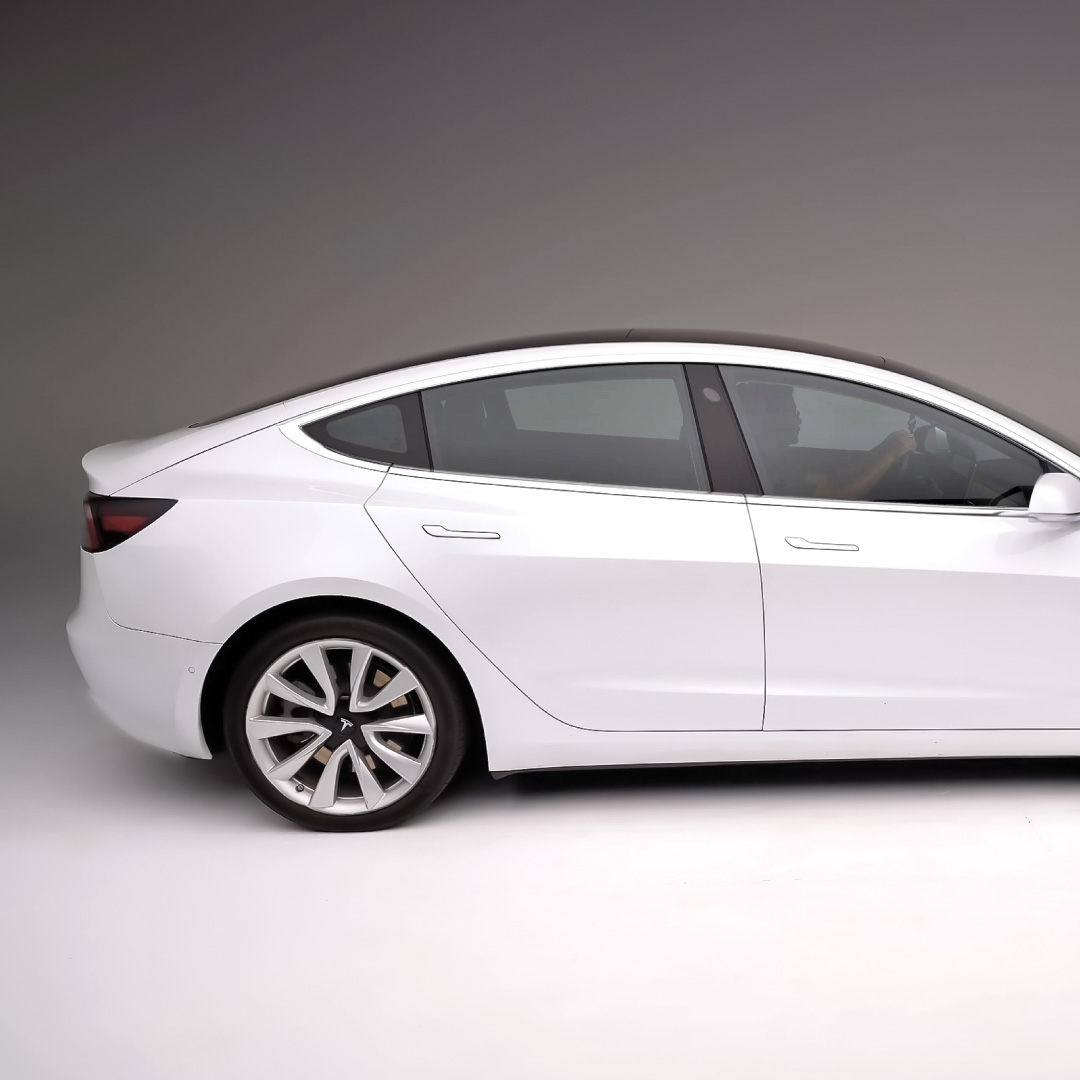
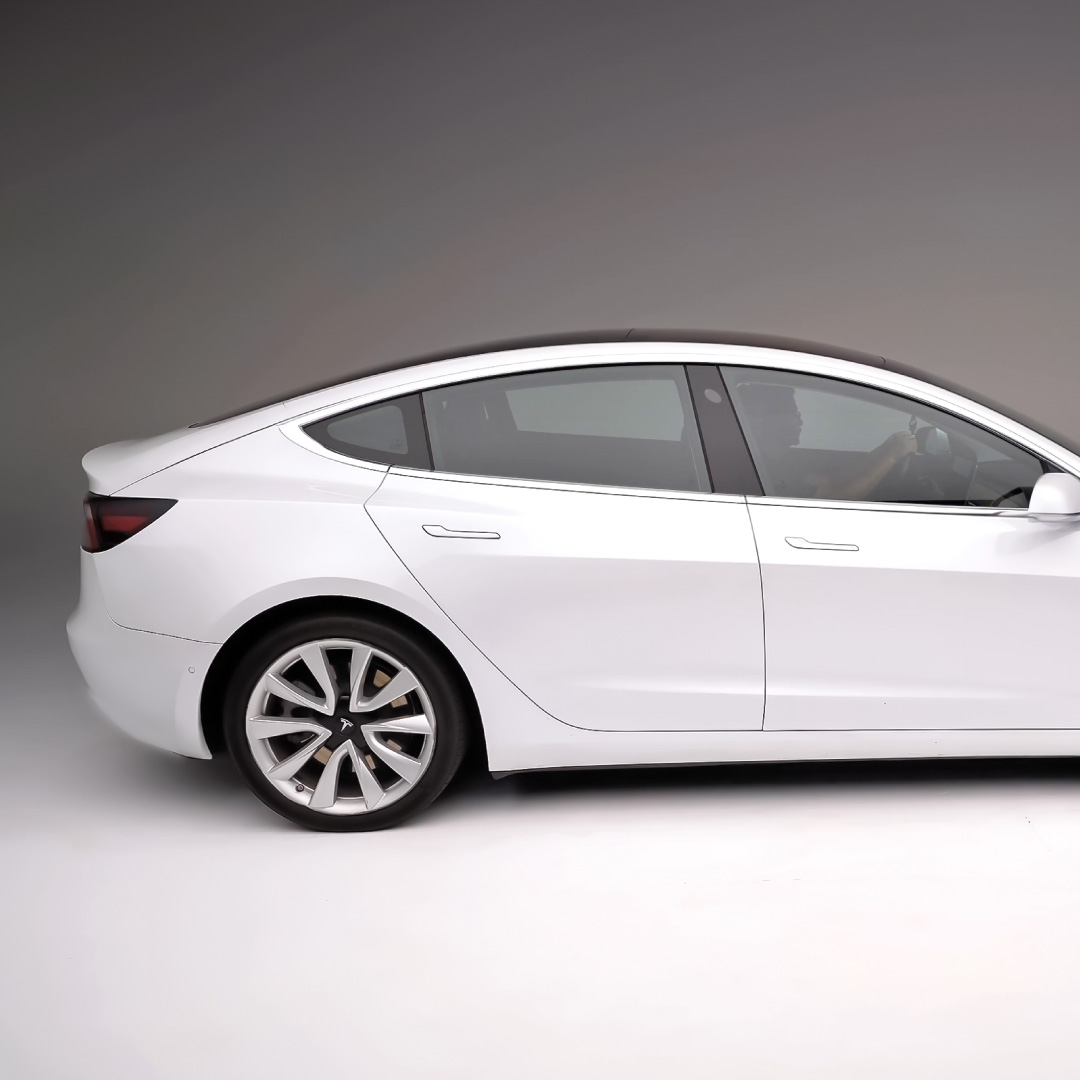
Kepler develops nano-ceramic automotive film ranges — IR and IR+ — for owners who want performance as well as appearance. Each shade below is a different visible light transmission, which describes how much light passes through the film. Because heat performance is a separate measurement, it is always worth comparing the exact film and shade rather than assuming a darker tint does more.
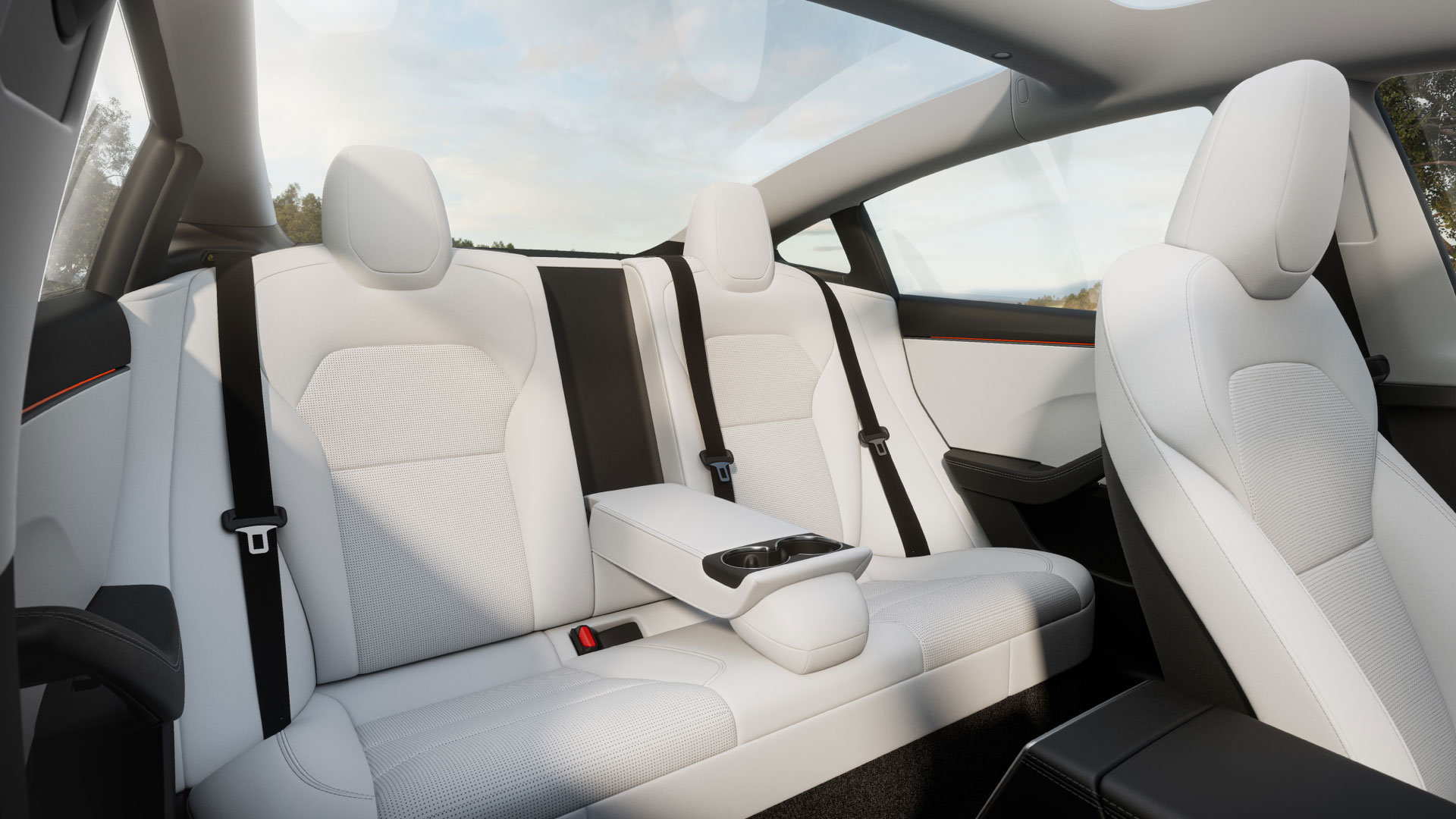
Many owners arrange film early, while the glass is still clean and the car is new to them. If you have just collected a Tesla, or are about to, it is worth deciding on a shade before the first hot spell rather than after. Ask a local tinter whether they carry Kepler film or can get it.
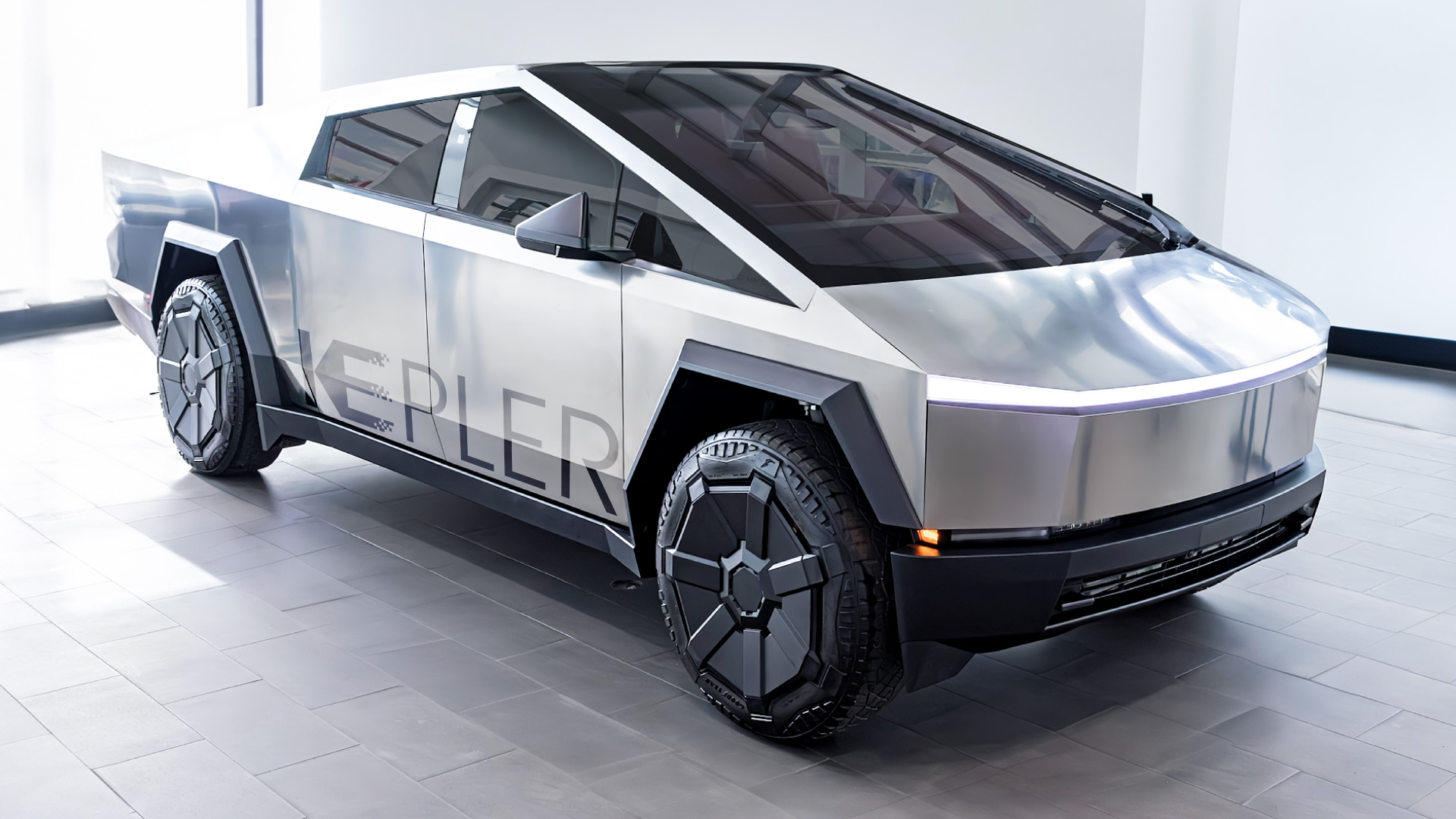
Large expanses of glass let in a lot of light, which can leave a parked Tesla warm and give the climate system more work to do. Nano-ceramic film addresses the solar heat reaching the cabin through the glazing, so the interior is more comfortable to get into and easier to keep at a settled temperature.
When less solar heat reaches the cabin, the air conditioning has less to overcome on a hot afternoon. That shows up as a more comfortable interior and a system that is not fighting the sun every time you get in.
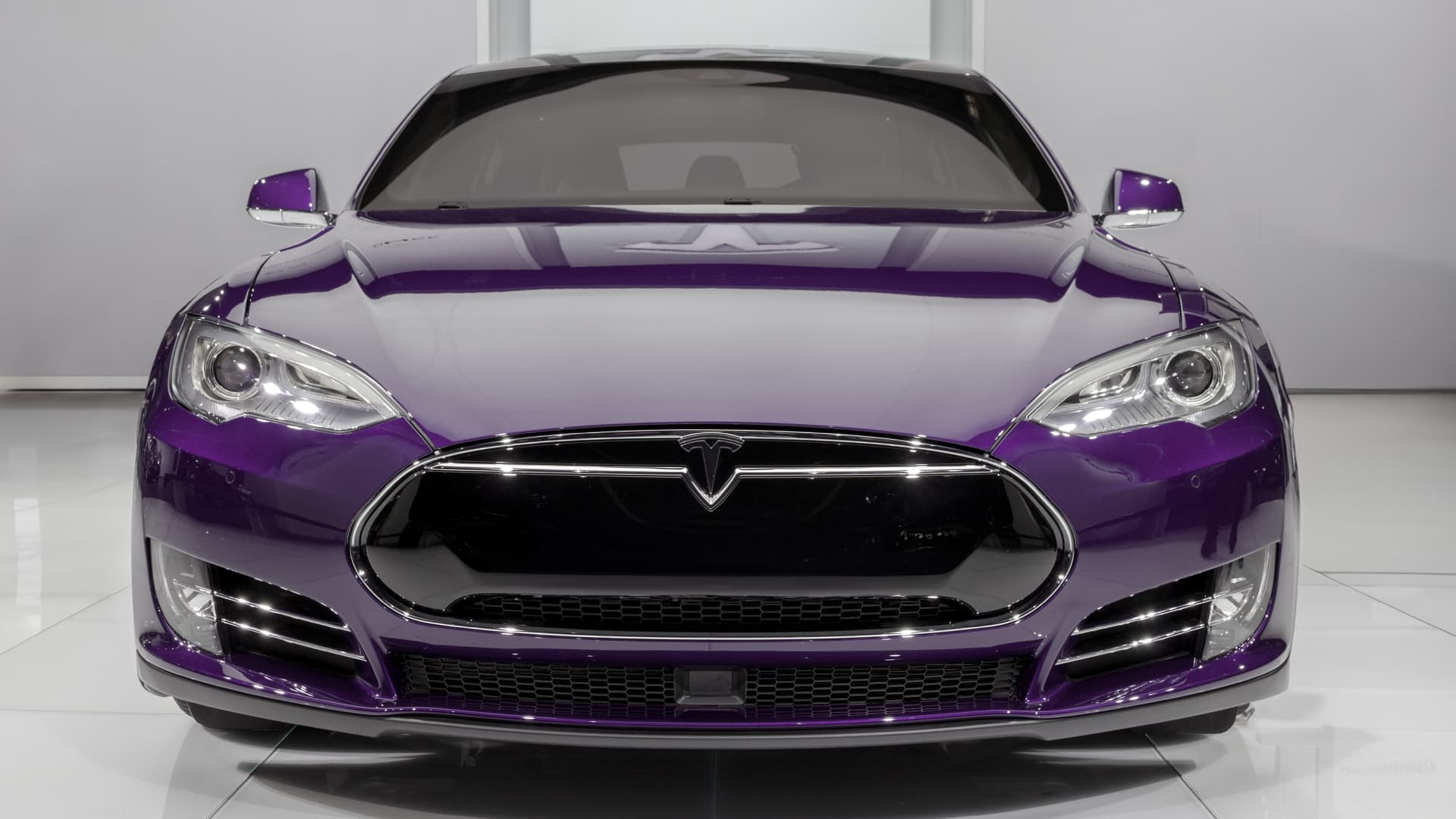
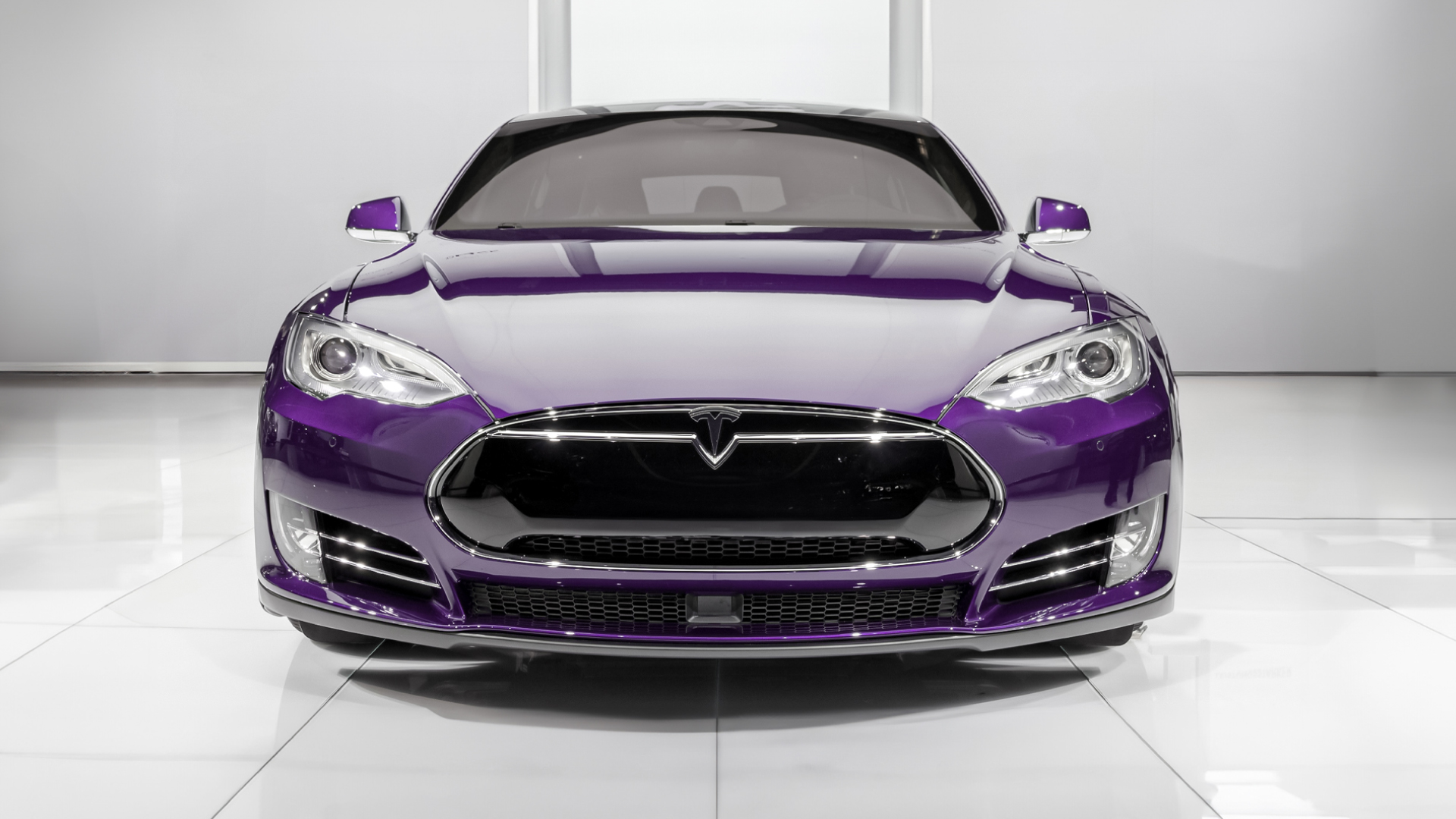
Glass roofs and deep windshields are part of what makes a Tesla feel open, but they also let a lot of sunlight in, so a car left in the sun can build up heat. Nano-ceramic film targets that solar gain at the glass. The practical result is a cabin that starts out cooler, a climate system that is asked to do less, and glare that is easier on the eyes on bright Bay Area commutes.
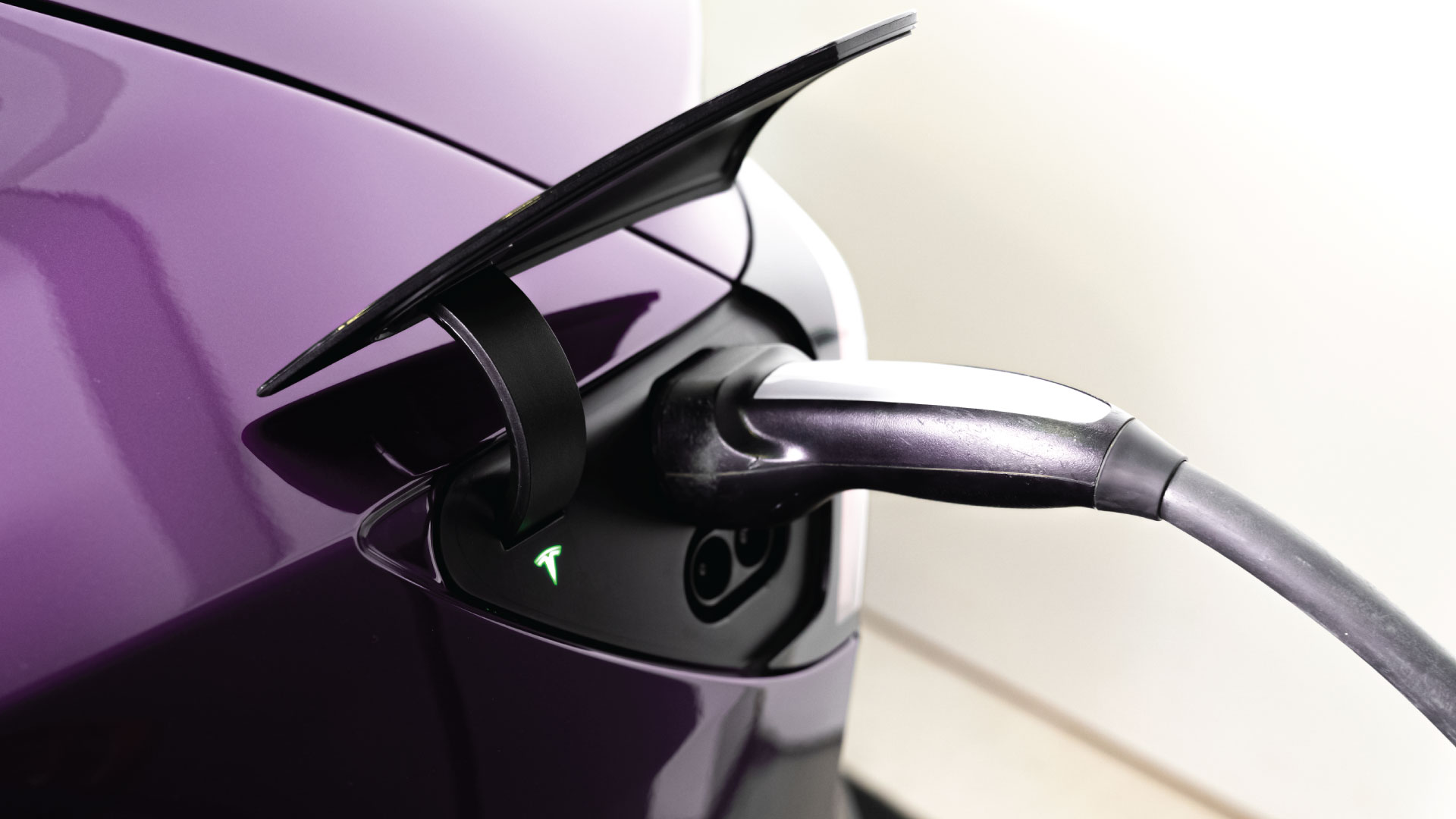
Kepler's automotive range is built around nano-ceramic construction rather than dyed or metalized film. Because the ceramic layer works on solar heat separately from how dark the film looks, lighter shades remain a serious option for owners who do not want a heavily tinted car. Compare the specific film and shade you are considering, and ask the dealer which one fits your Tesla and your preferences.
Kepler's ceramic films use nano-particle technology aimed at solar heat across the spectrum, including the infrared range, without relying on a dark shade or a metallic layer to do the work. That is why two films with the same visible light transmission can perform differently.
Tesla glazing varies by model and year, so suitability is worth confirming rather than assuming — panoramic roofs, rear glass and windshields are not all the same. Kepler supplies nano-ceramic IR and IR+ film for automotive work, and the installer handling your enquiry can identify the glass on your car and recommend a shade and film combination that suits it. Film choice and legal compliance are separate questions; both are worth raising in the same conversation.
Kepler films are built in layers rather than as a single dyed sheet, with each layer contributing to heat performance, ultraviolet filtering, optical clarity and durability. A multi-layer structure is also what allows a light film to hold its color and finish over years of sun exposure instead of turning purple or hazy.
Film data is only useful if you can compare like with like. Visible light transmission tells you how much light passes through; solar heat performance is measured separately. Ask for the figures on the exact film and shade you are considering so you can weigh appearance against performance with real numbers in front of you.
Up to
98%
IR Heat Reduction
Up to
99%
UV Protection
Up to
96%
Glare Reduction
Review
Warranty terms
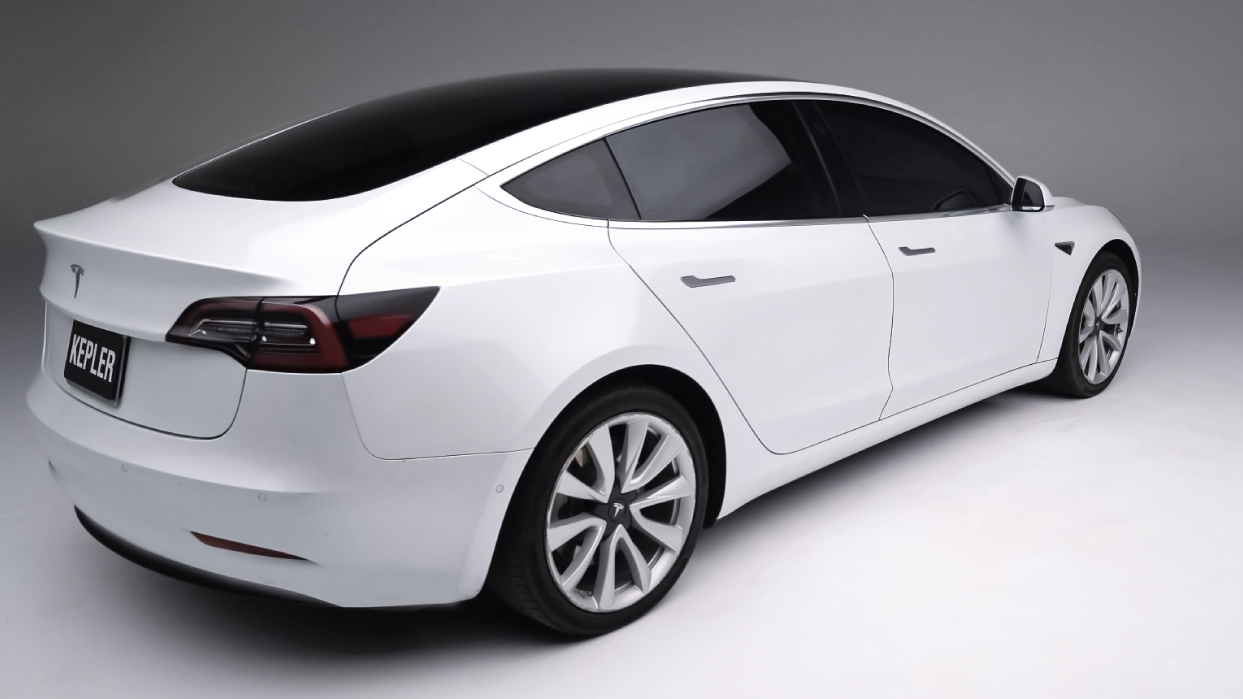
Nebula is the darkest shade in the range, giving strong daytime privacy and a deep, even finish.
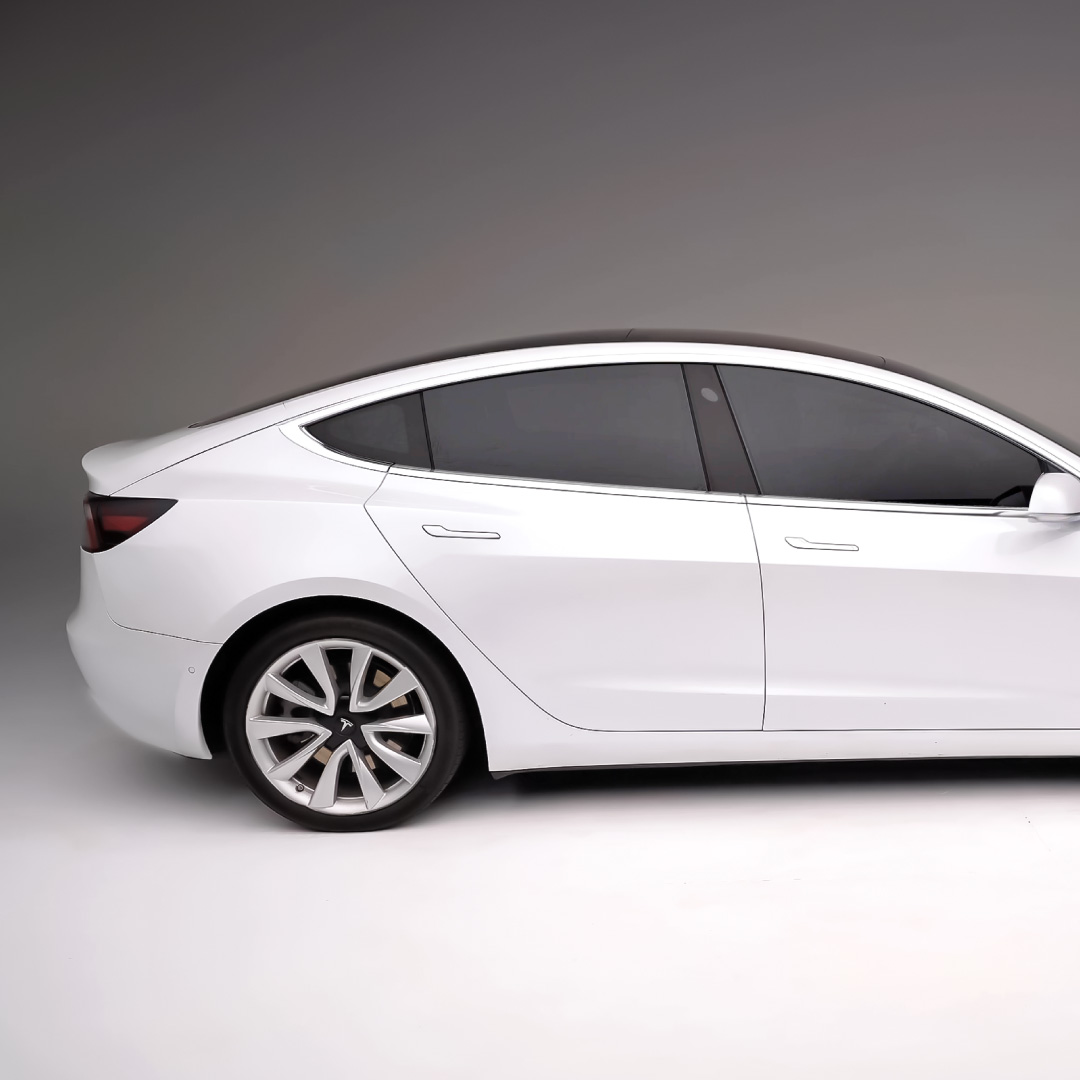
Once you have a shade in mind, send a quote enquiry with your Tesla model and the windows you want covered. Ask a local tinter whether they carry Kepler film or can get it.
Architectural Services
Automotive Services
How Kepler works
Kepler makes the film, not the tint job. Independent tinting businesses install window film. For a project in Milpitas, California, ask a local tinter whether they carry Kepler film or can get it, then arrange the work directly with that shop.
Start your quote requestFilm availability and installation services vary by independent shop.
Kepler makes automotive and architectural window film, from everyday tint to nano-ceramic.
Independent tinting businesses install window film. Ask a local shop whether they carry Kepler film or can get it.
Share your project details, then ask an independent local tinter whether they carry Kepler film or can get it.
Browse the published town guides A to Z. These are information pages and do not confirm a dealer, address or service area in each town.
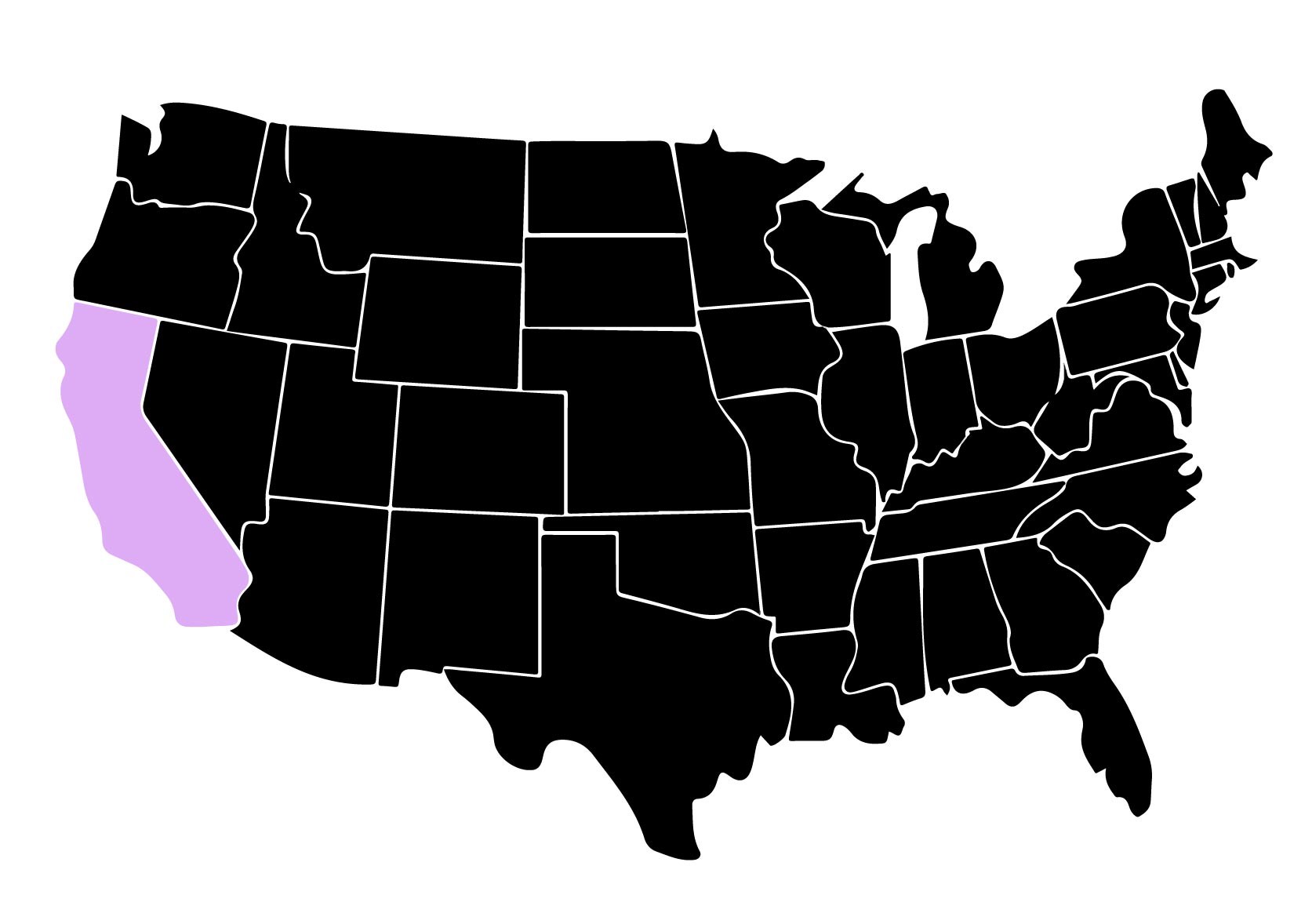
California town pages
Browse the published guides for California. These are page counts, not a count of verified dealers or confirmation of service availability.
Nearby
Tesla owners near Milpitas, California can browse nearby window-film guides and ask a local tinter whether it carries Kepler or can order it.
All California townsAsk a local tint shop whether they carry Kepler window film or can order it for your installation.
These Google listings are independent businesses. Contact each shop to confirm whether it installs Kepler film; appearing here does not mean it is a Kepler dealer.
Enter your town or ZIP code to find shops close to you.
Maps and business listings are provided by Google. Google Maps terms · Google privacy policy