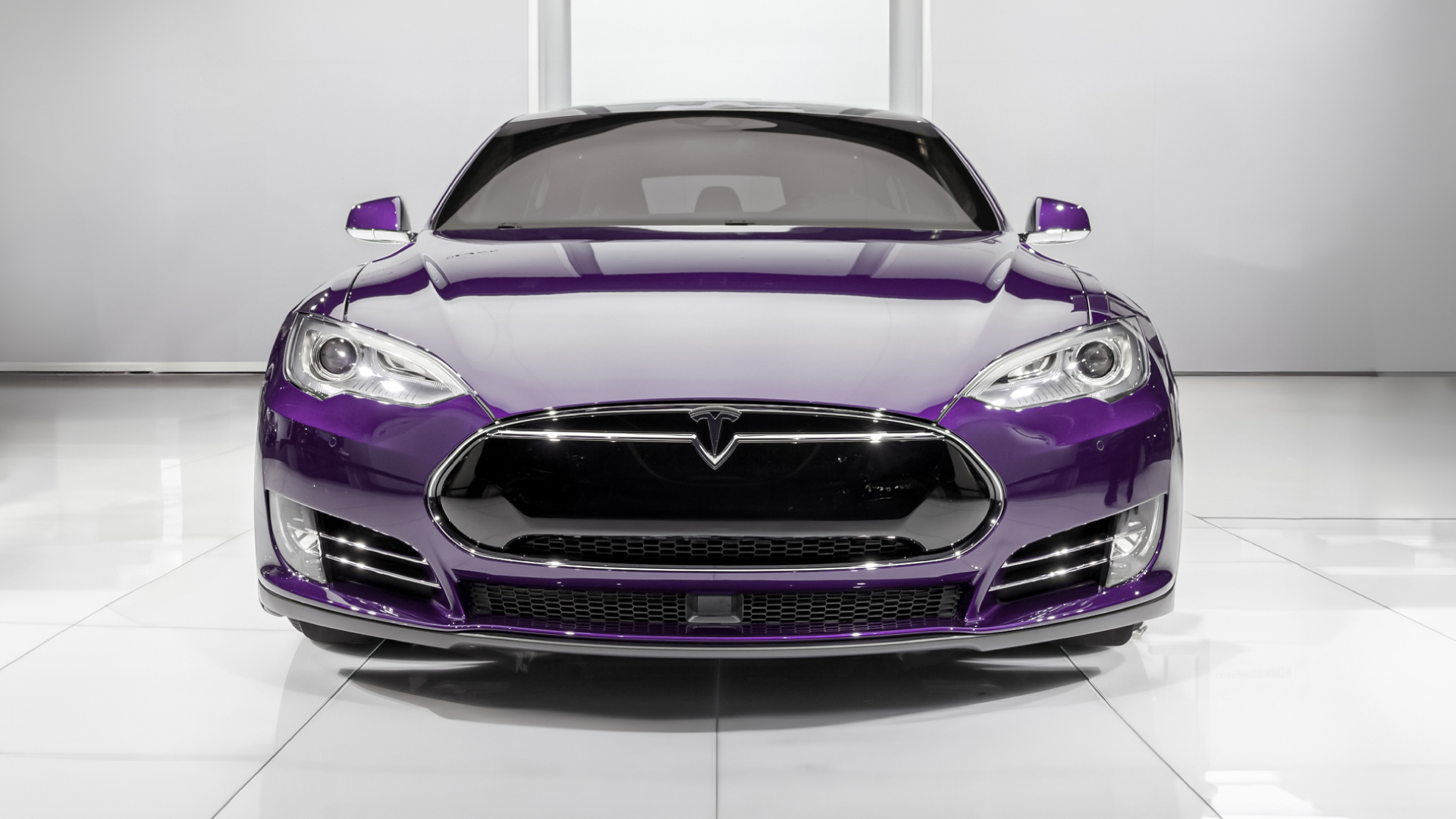
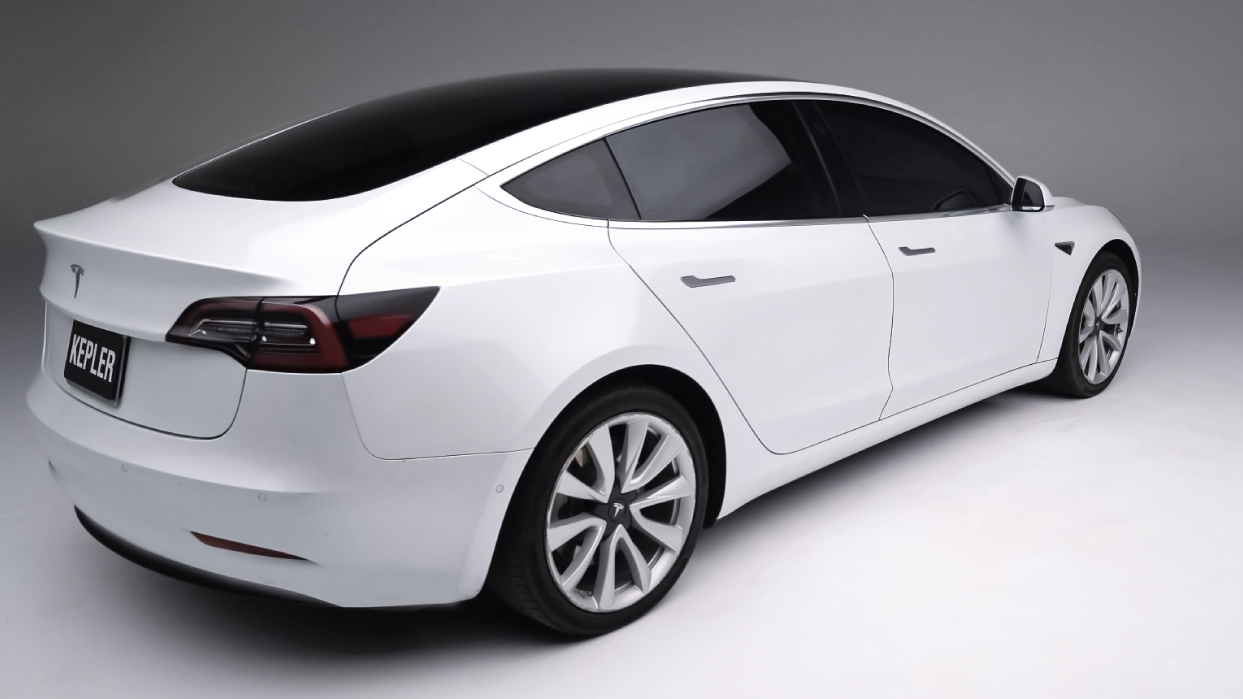
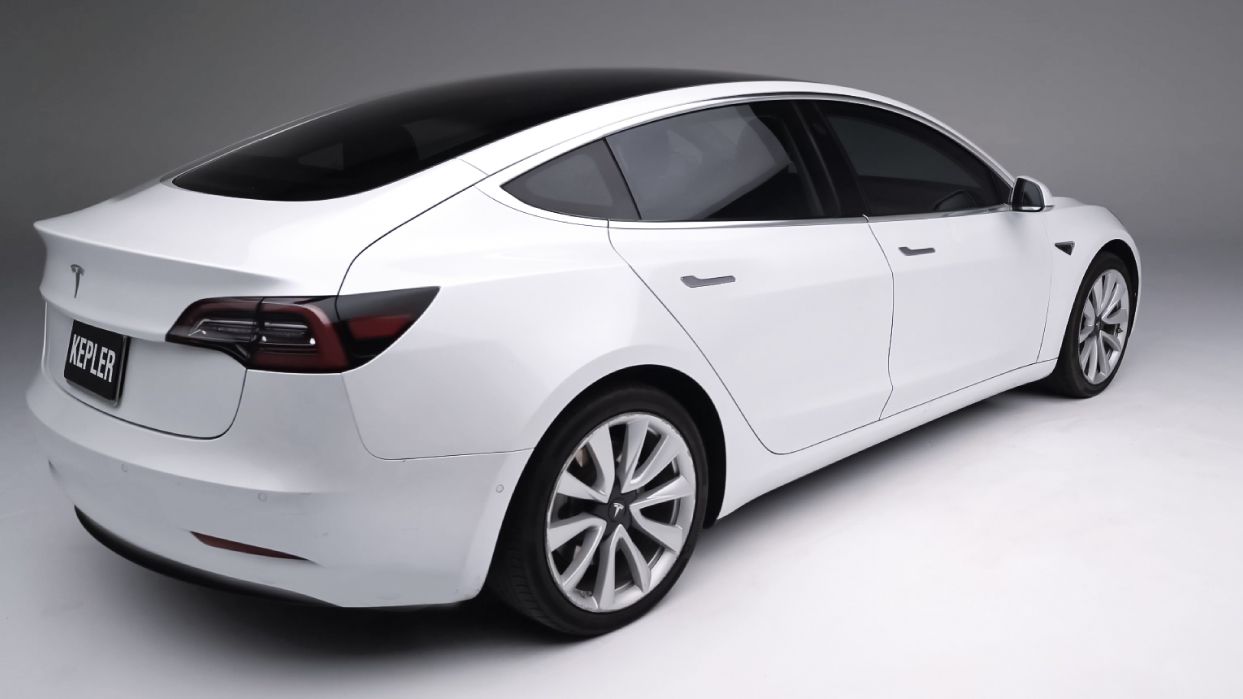
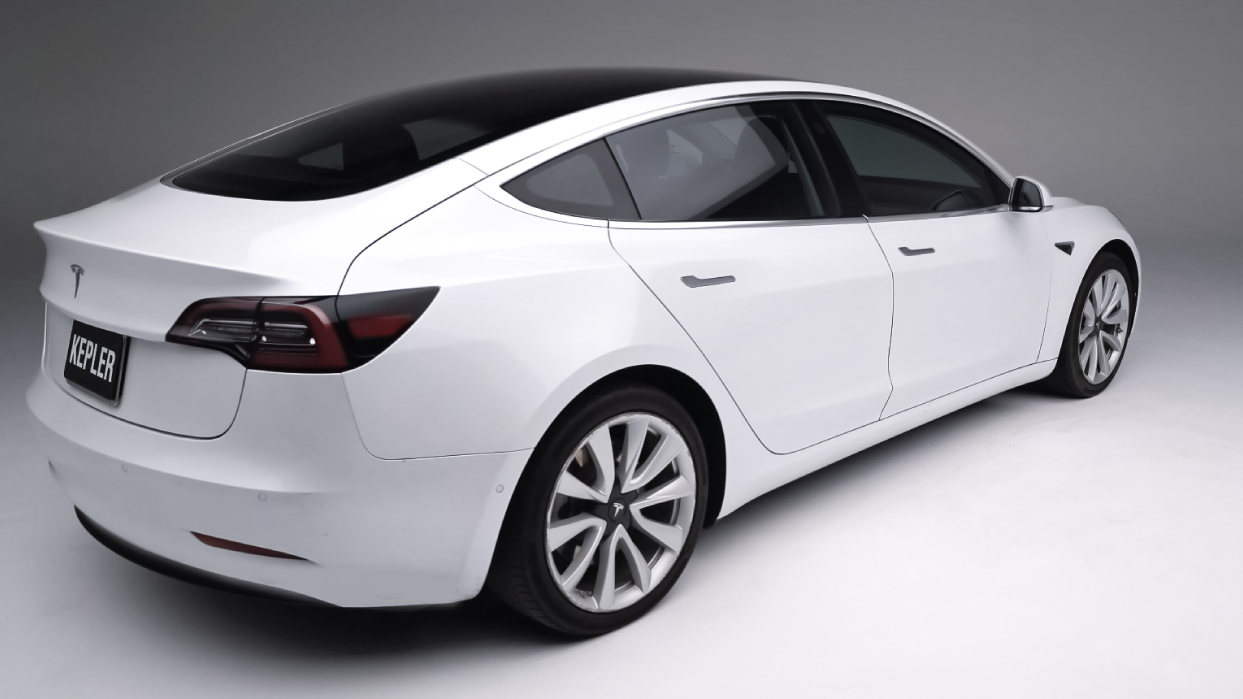
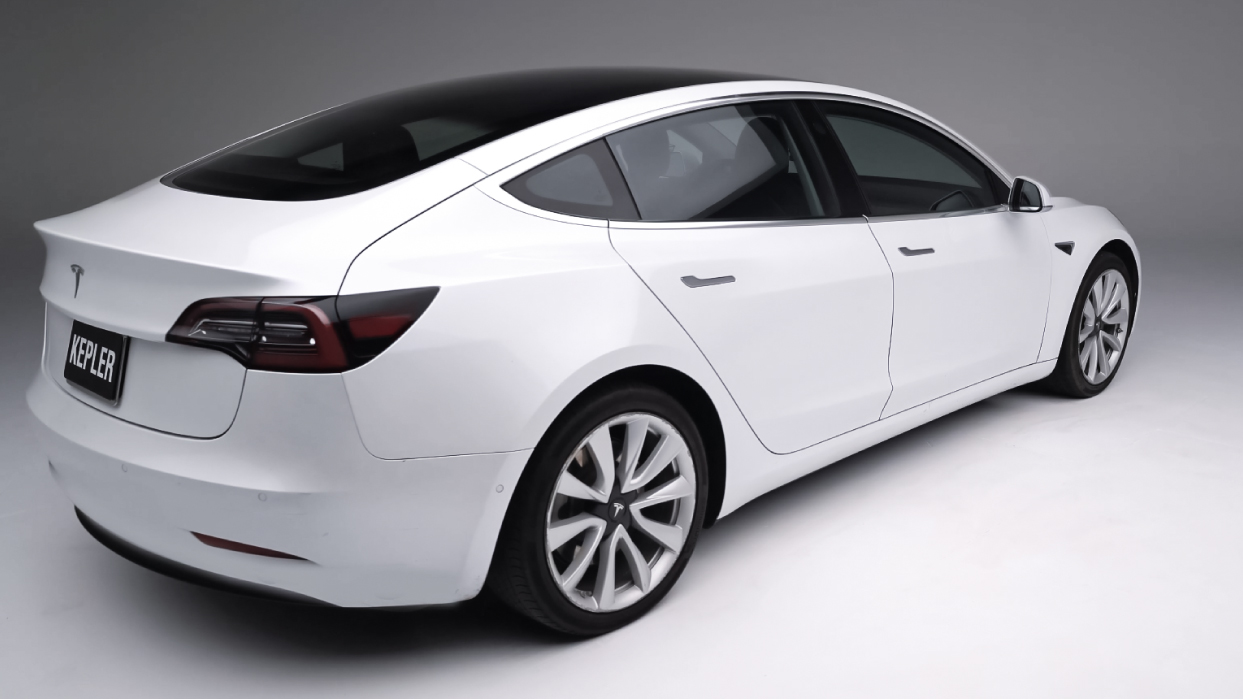
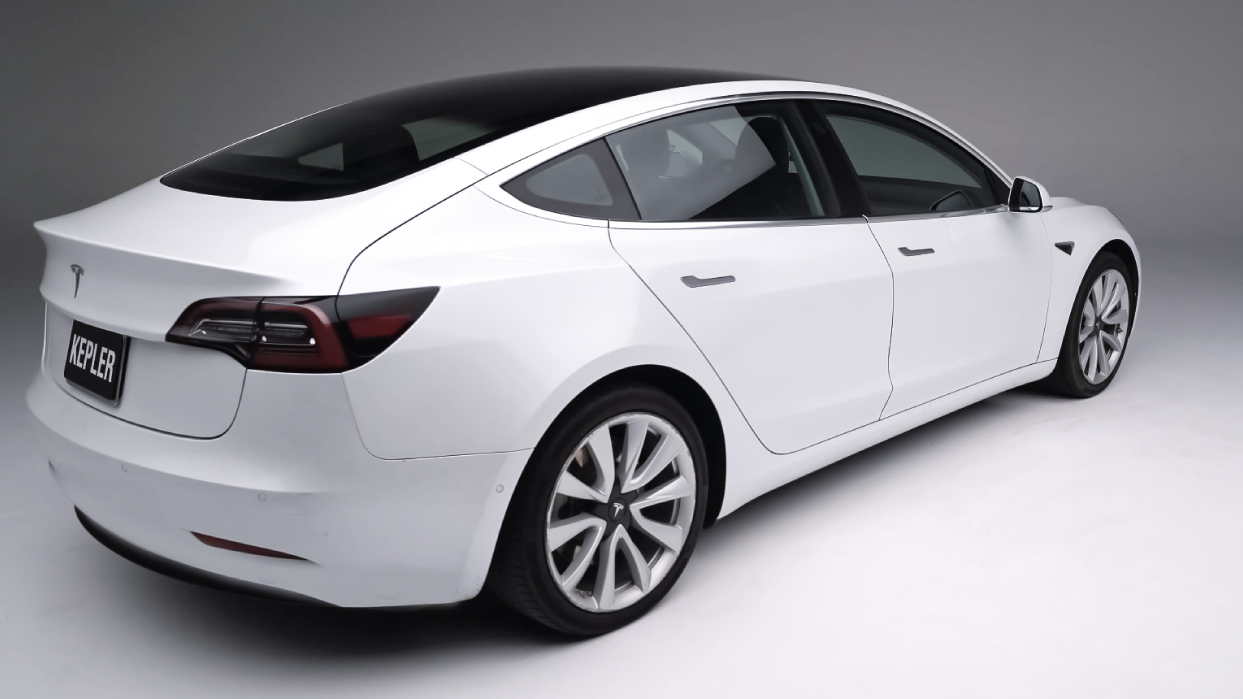
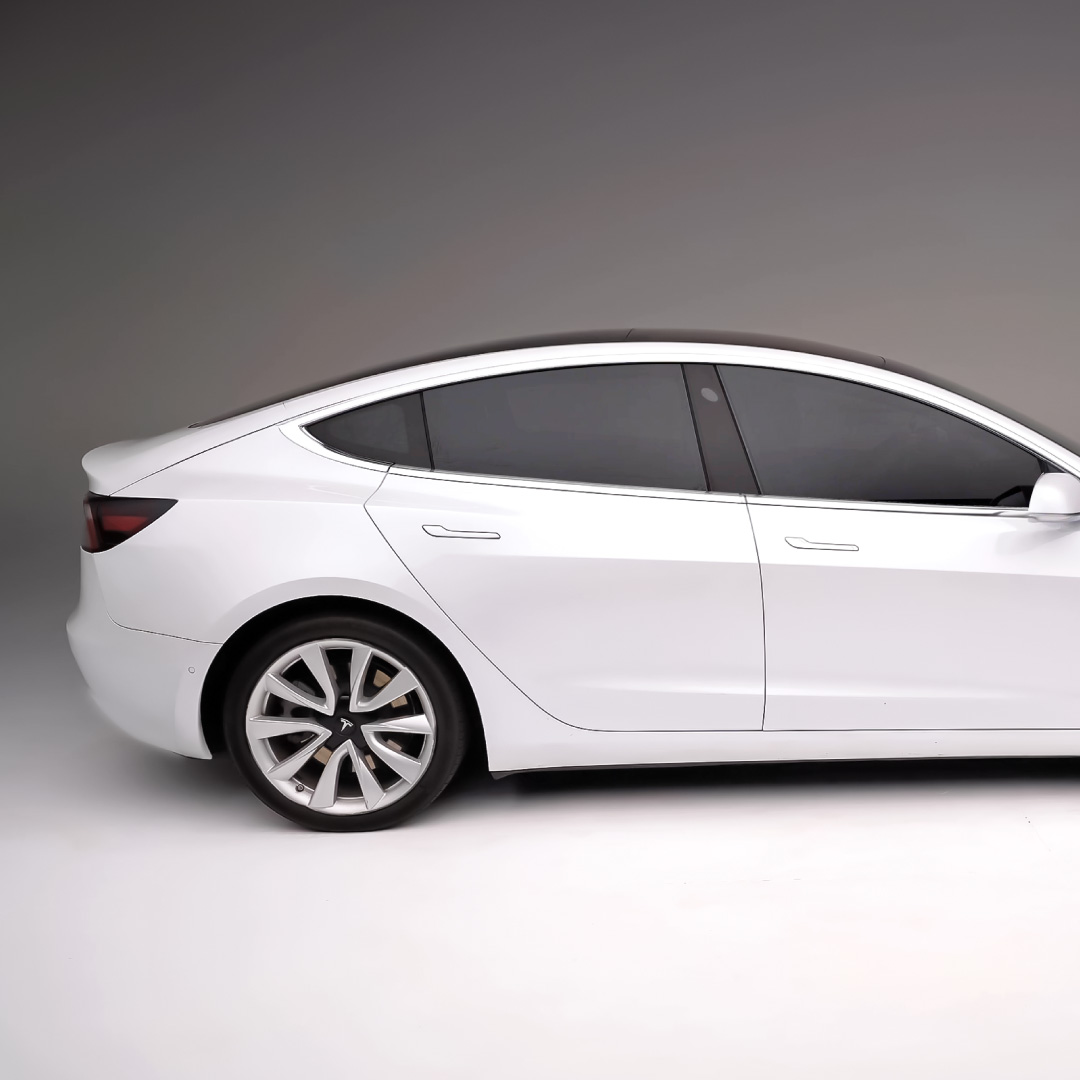
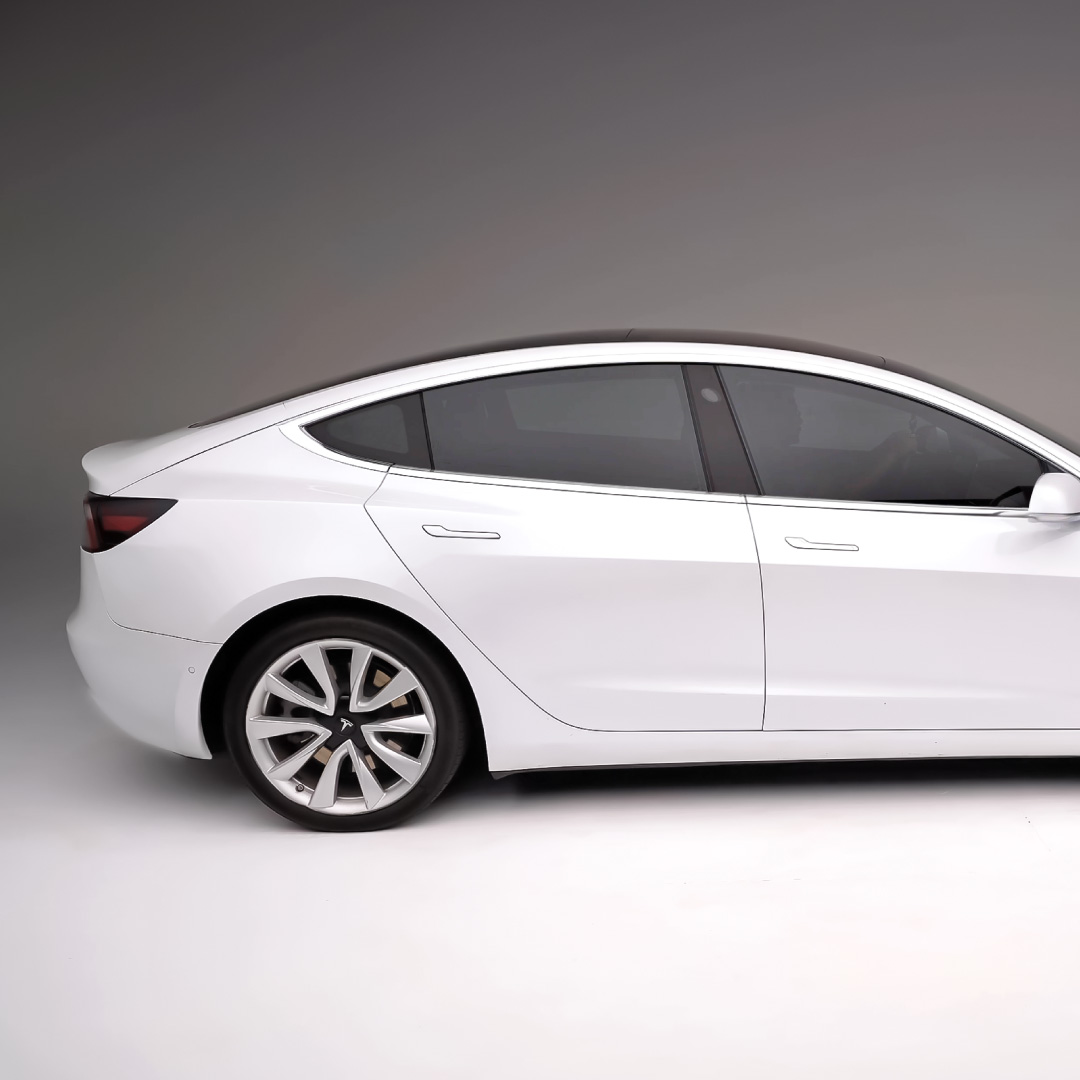
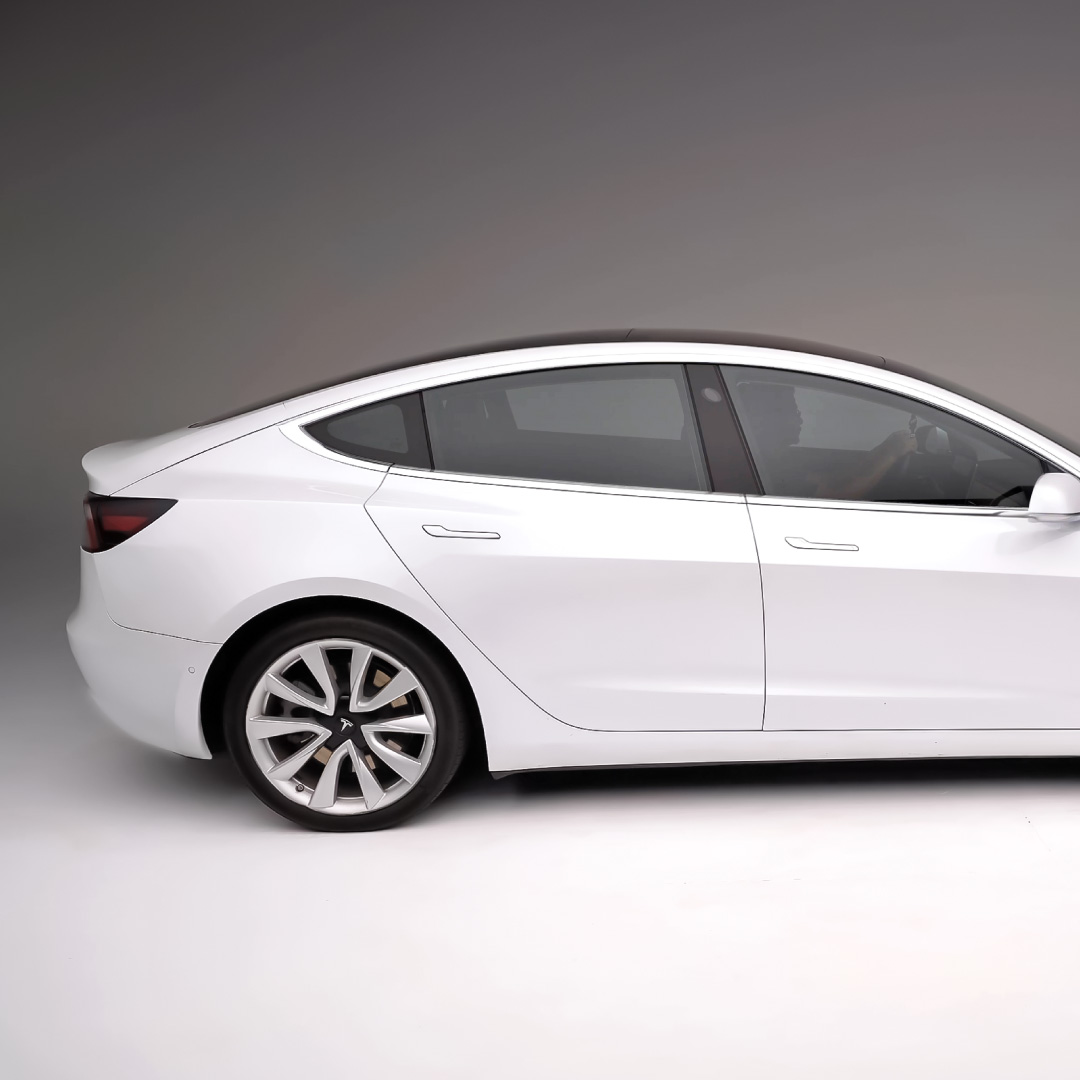
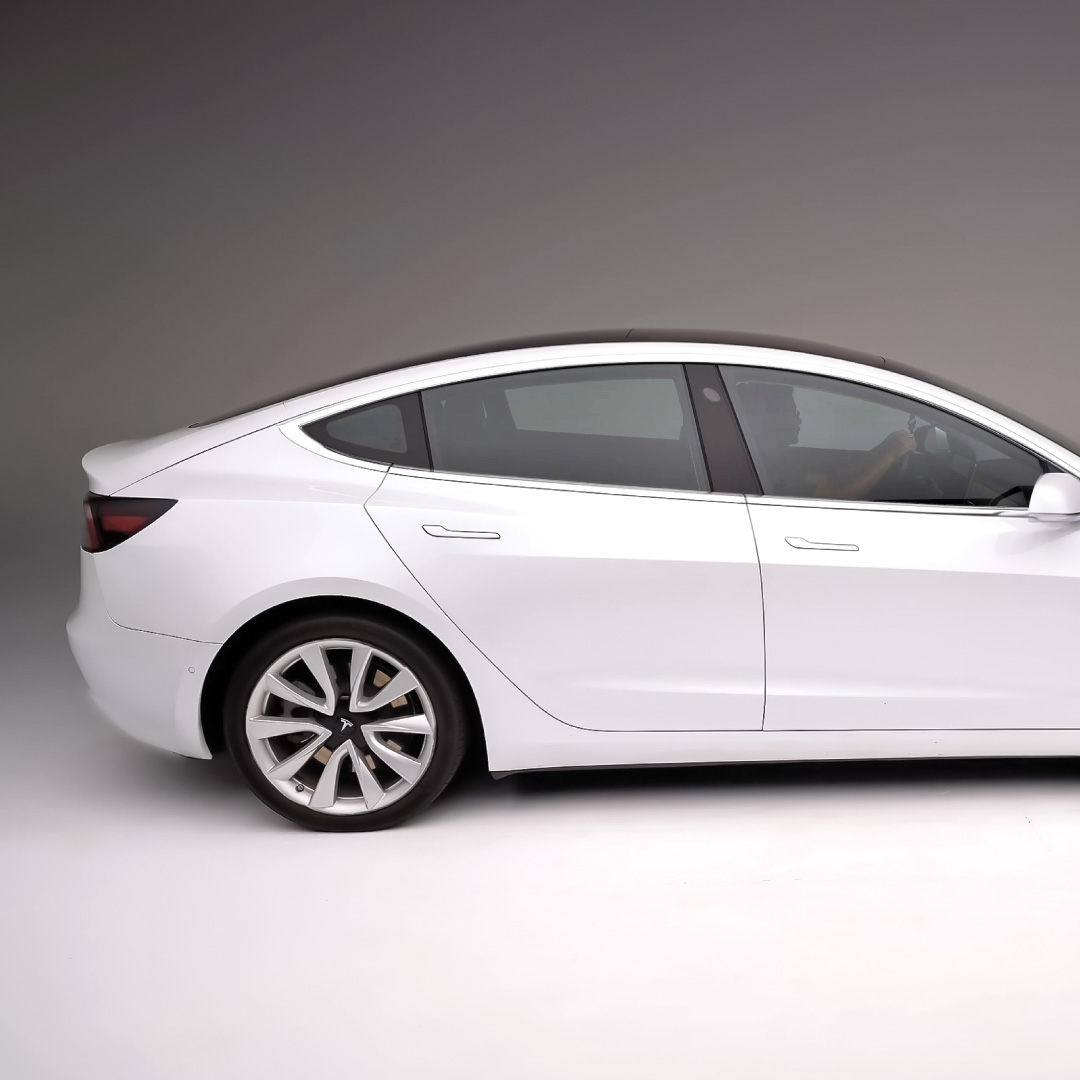
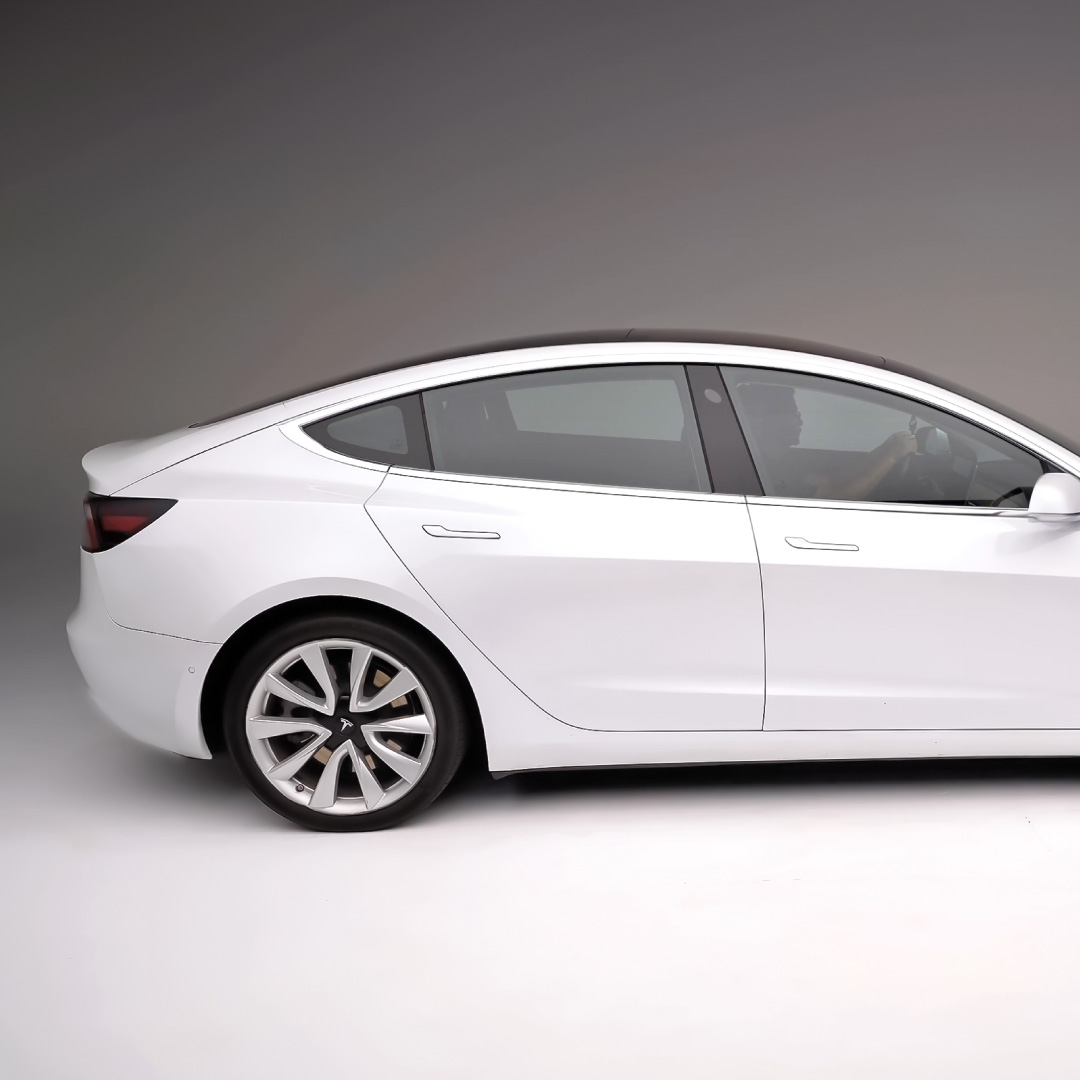
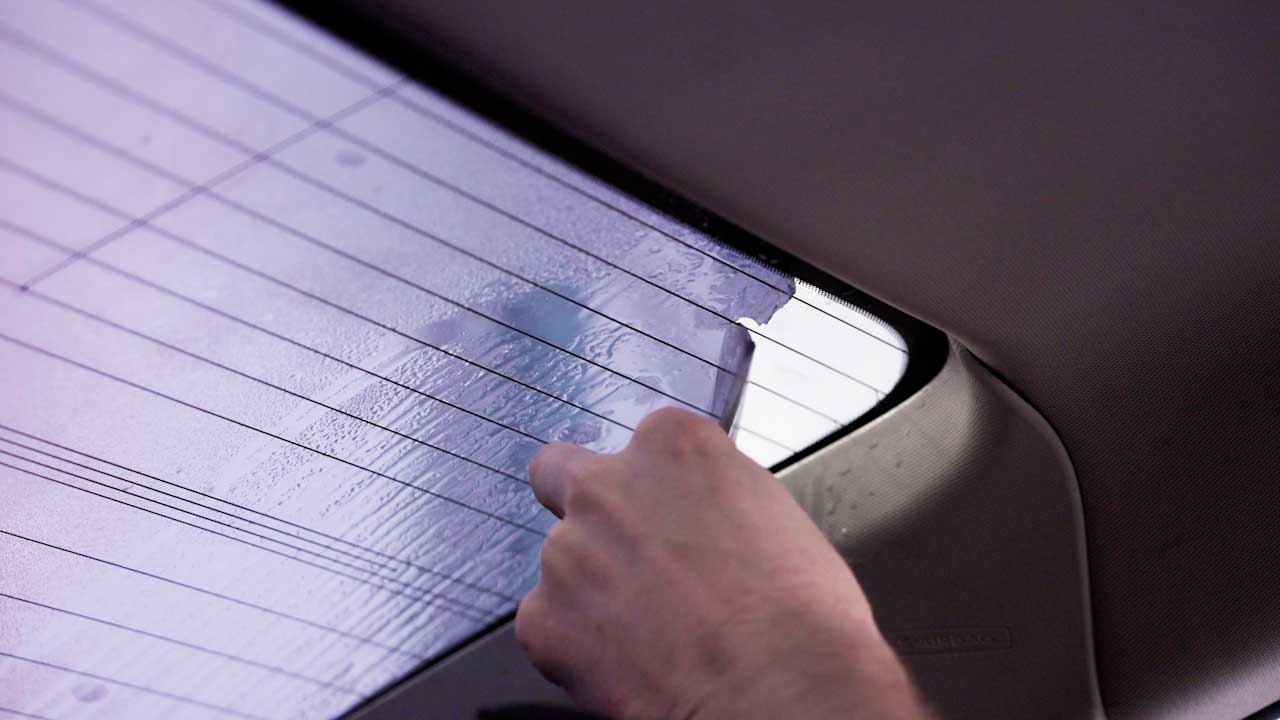
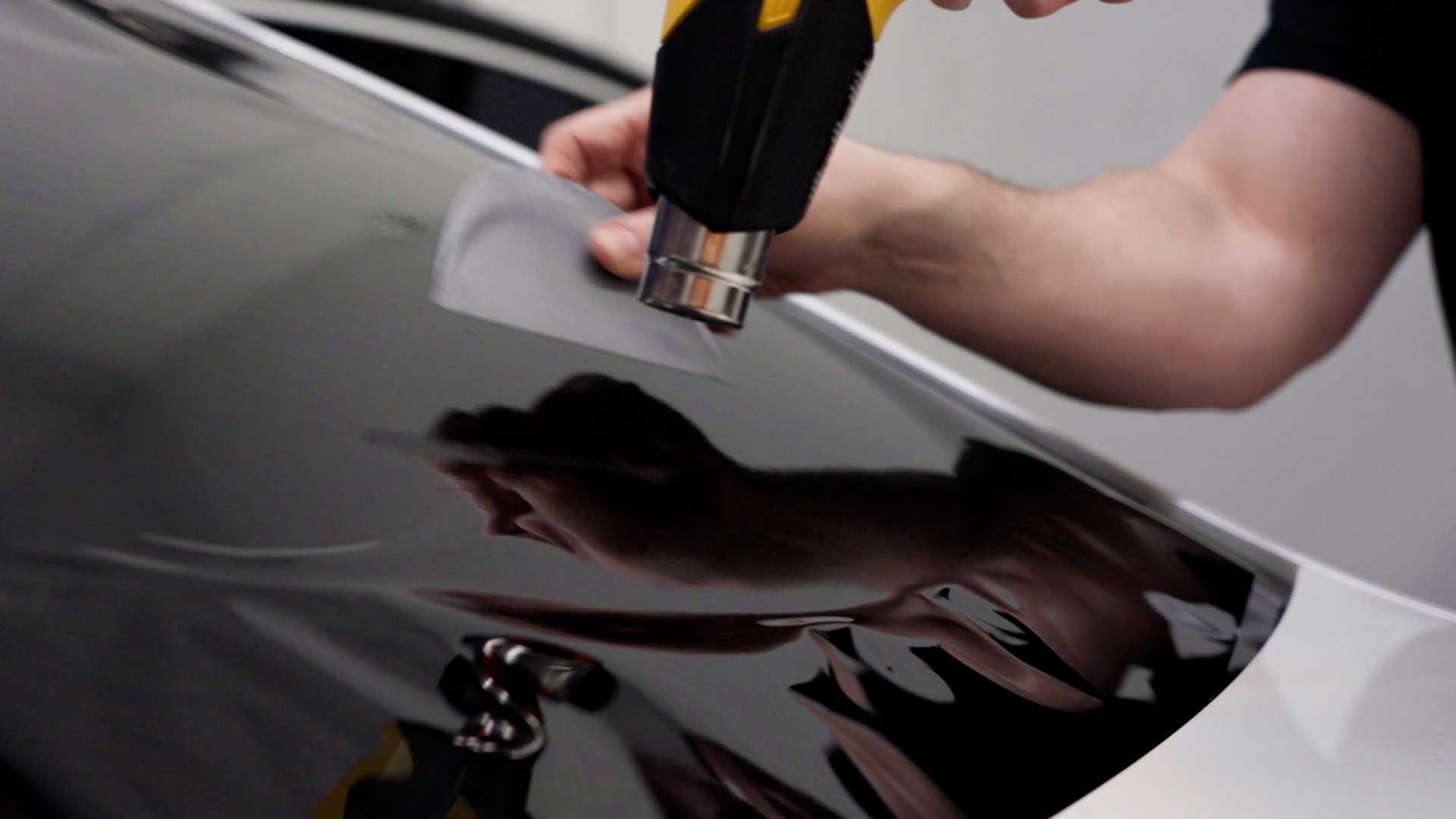
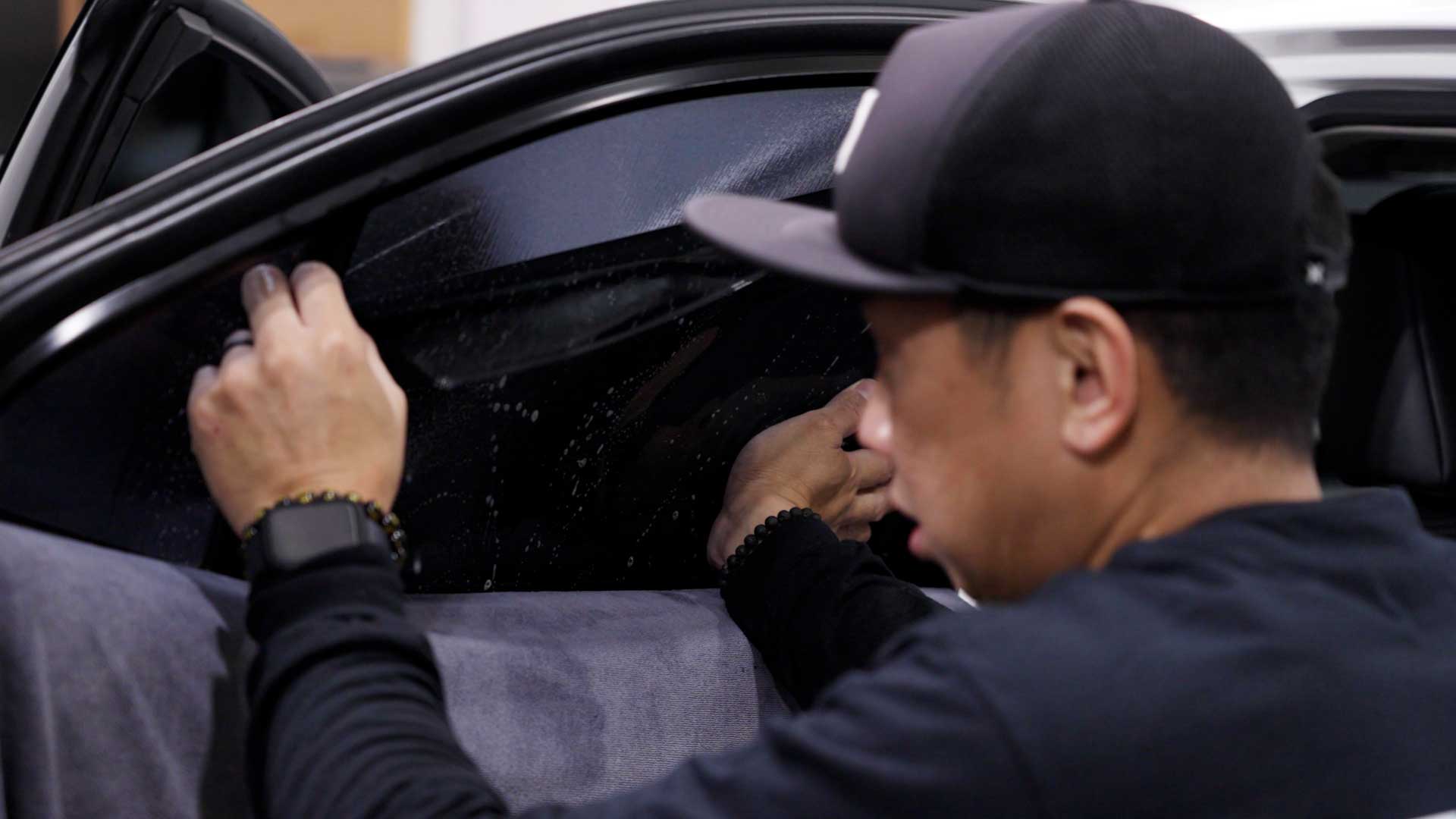
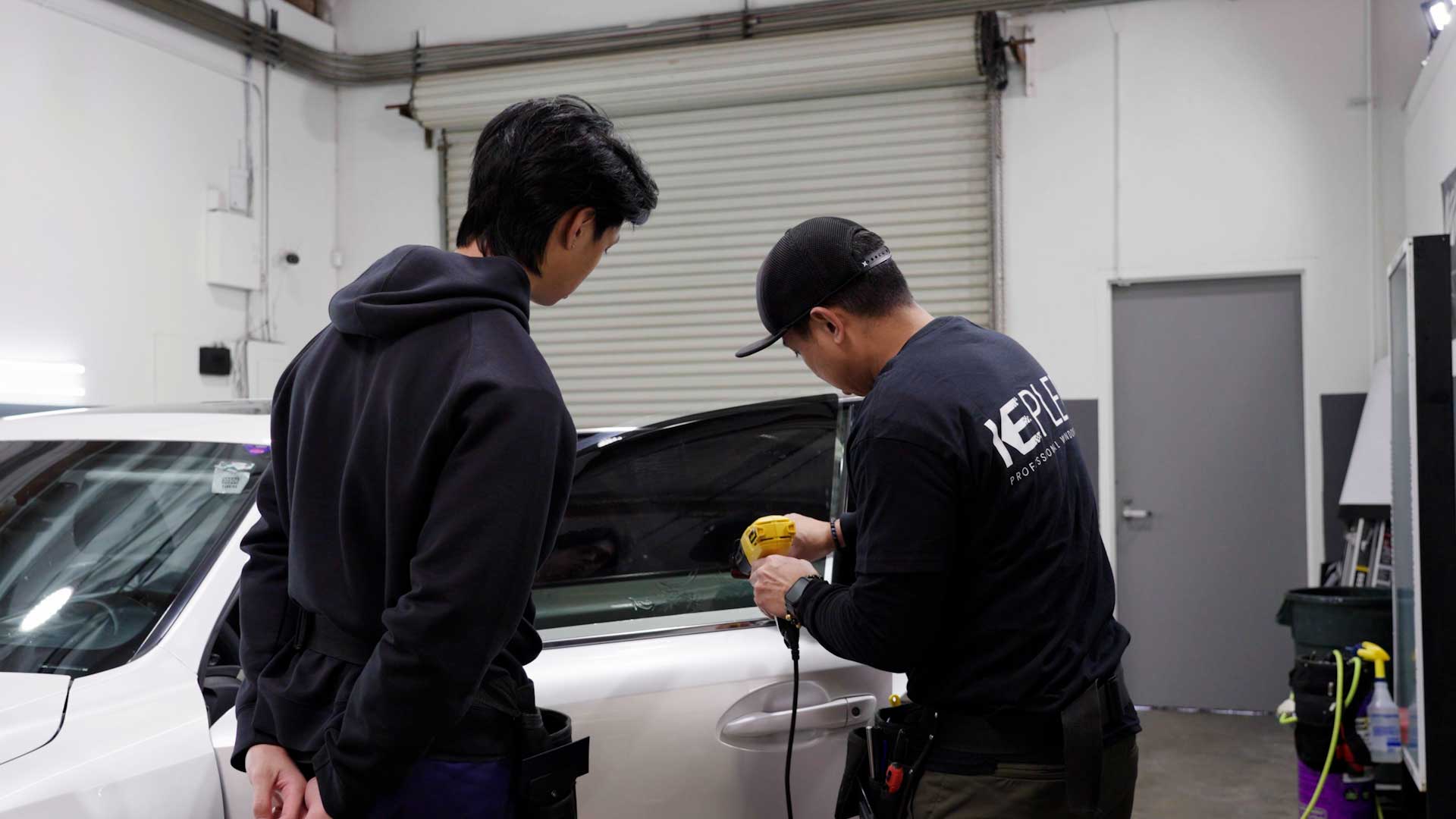
Solar energy reaching your Tesla's glass arrives as visible light, ultraviolet and infrared. Infrared is the part you feel rather than see, and it is a significant contributor to the heat that builds in a parked car through a Florida afternoon. Kepler's nano-ceramic film is engineered to act on that energy at the window, before it becomes trapped heat inside the cabin. This is also why the darkest film is not automatically the best performer. The shade percentage describes visible light transmission, meaning how much light passes through and how the car looks; heat performance comes from the film's construction and is a separate measurement. A lighter Kepler shade can therefore be a serious option even in strong sun. The practical benefits are a cabin that is easier to cool after the car has been standing, less strain on the climate system, reduced glare on bright coastal roads, and interior surfaces that spend less time under direct solar load. When you compare options, compare the exact film and shade rather than the number alone, and ask your installer which combination suits your model.
Ponte Vedra Tesla window tinting Highlights: – IR and IR+ ranges – UV and infrared management – Glare control – Dealer network