


Up to
98%
Infrared Rejection

Window film changes how your car handles heat, glare and privacy, and Hawaii sets its own rules on how dark the glass may be. This guide explains what the state regulates, why those rules exist and how to approach film selection separately from compliance, so you can talk to an installer with the right questions ready.

Film that does not meet Hawaii's requirements is a matter for police and the courts, and the consequences depend on the vehicle and the circumstances. Broadly, a driver may be fined, directed to correct the film and show that the vehicle complies, or face escalating penalties for repeated issues. Because the details are set by the state and can change, confirm the current position with the relevant authority rather than relying on what was true when the film was fitted.
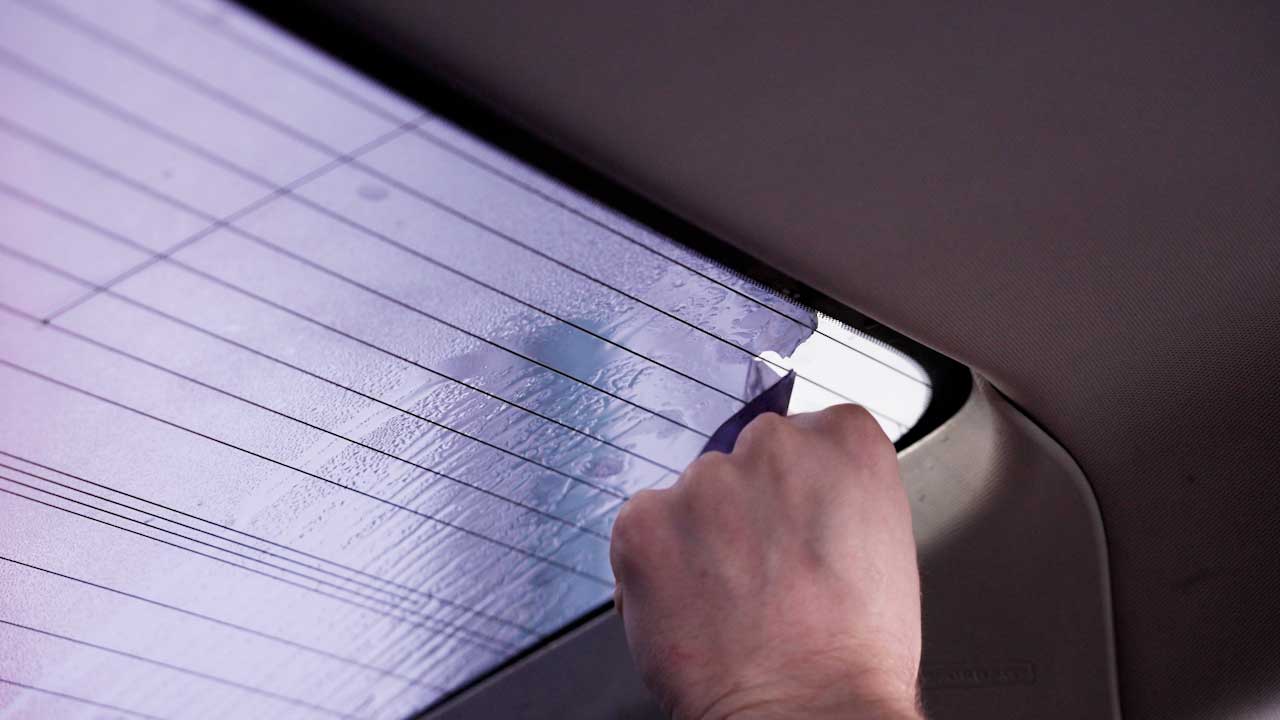
Removing non-compliant film is slow work. Adhesive tends to stay behind, and defroster lines need care, so have the glass assessed first.
Hawaii regulates how much light must pass through a vehicle's windows, and it treats different classes of vehicle separately. Passenger cars and multi-purpose vehicles such as SUVs, vans and trucks are covered by their own sets of limits, and within each class the front, side and rear glass can be treated differently. Visible light transmission is the measure used, and it describes light passing through the glass rather than how the film performs against solar heat. The diagrams and technical data below set out how the state's requirements are structured. Confirm the current figures for your vehicle before any film is fitted.
Passenger Vehicles
Passenger vehicle rules cover sedans, coupes and convertibles. They set out what is permitted on the windshield, front side, rear side and rear glass, with the driver's forward and side vision treated as the priority.
A non-reflective tint / sun strip, is allowed 4 inches from the top as long as it does not go past the AS-1 line on your windshield.
The law allows 35% of light visibility for front side windows.
The law allows 35% of light visibility for rear side windows.
The rear window must allow more than 35% of light in
Want a quote for your car?
Get a Quote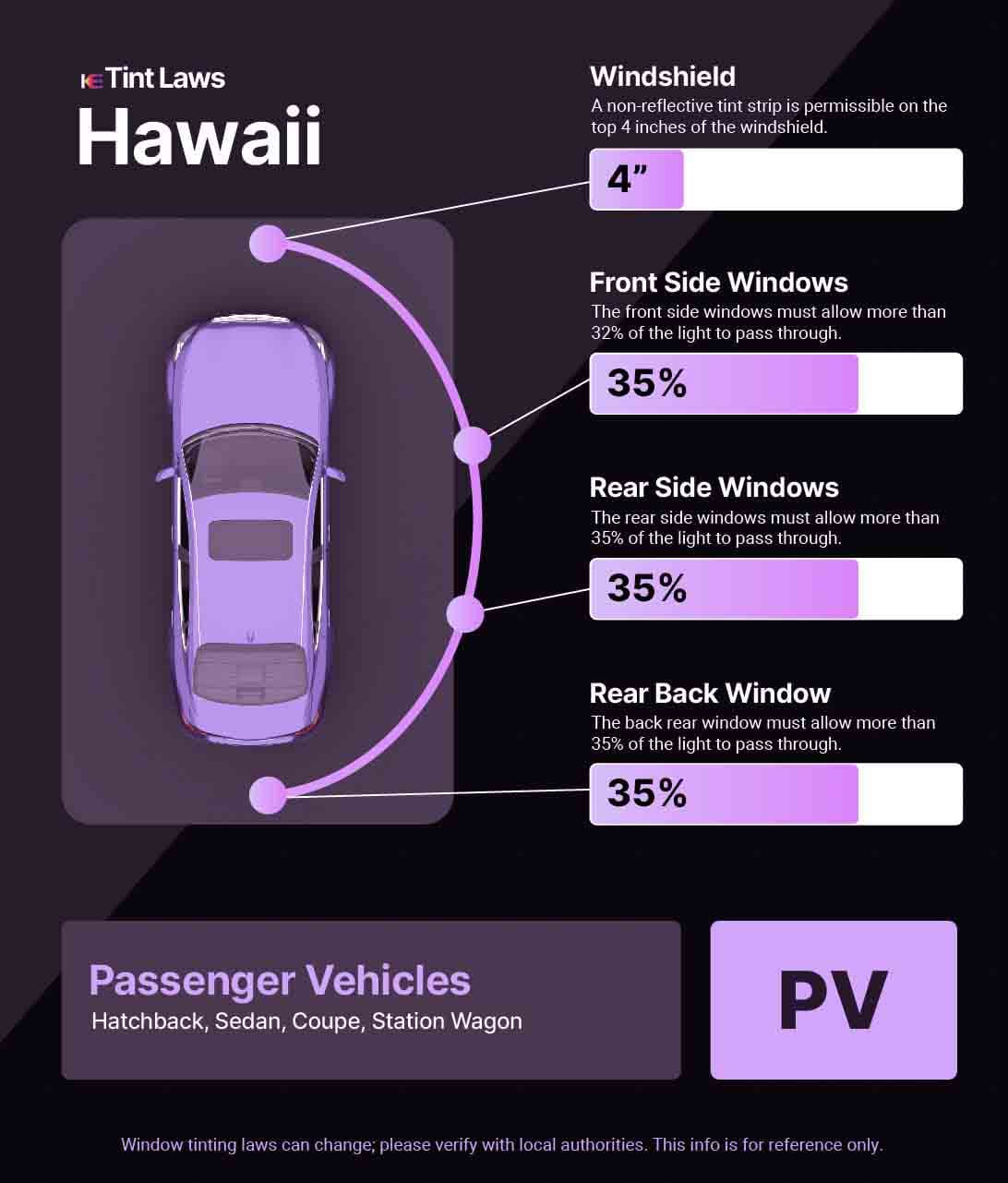
Passenger Vehicles
Hatchback, Sedan, Coupe, Station Wagon
Multi-Purpose Vehicles
Multi-purpose vehicles are those built to serve more than one role, including SUVs, vans and many trucks. Because these vehicles have different glazing and sightlines from a sedan, the permitted levels for front, side and rear windows are set out separately from passenger car rules.
A non-reflective tint / sun strip, is allowed 4 inches from the top as long as it does not go past the AS-1 line on your windshield.
The law allows 35% of light visibility for front side windows.
The law allows Any Shade of light visibility for rear side windows.
The law allows Any Shade of light visibility for rear window tint.
Want a quote for your SUV, van or truck?
Get a Quote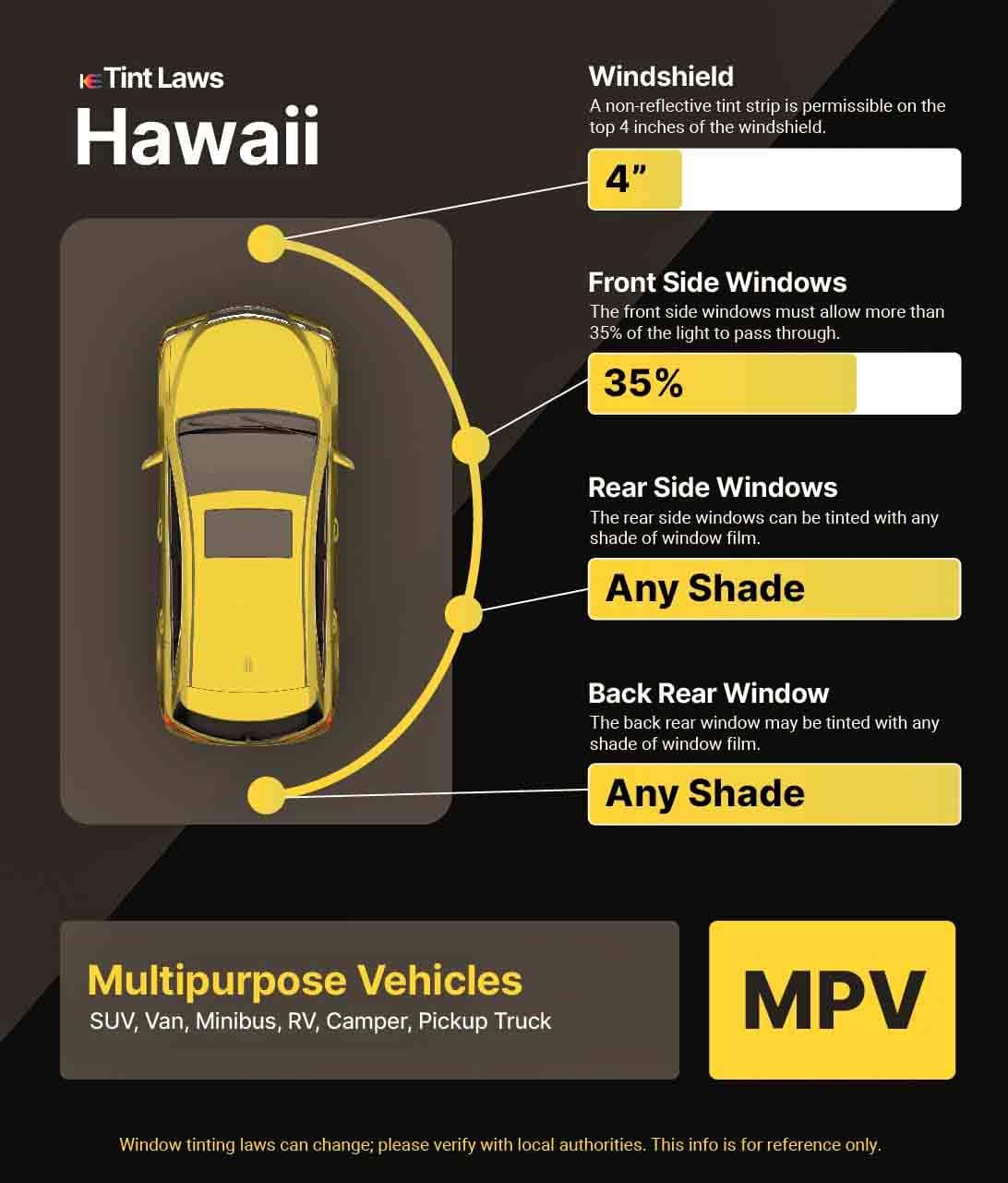
Multi-Purpose Vehicles
SUV, Van, Truck
Verify current requirements with local authorities.
Dark glass and heat performance are separate things. Kepler's nano-ceramic IR and IR+ ranges state solar heat performance apart from visible light transmission, so compare the exact film and shade.
Up to
98%
Infrared Rejection
Up to
99%
UV Protection
Up to
96%
Glare Reduction
Review
Warranty terms
Kepler film is fitted by independent installers who run their own studios and handle customers directly. Ask a local tinter whether they carry Kepler film or can get it.
12 area guides

This deep tint, our deepest tint, delivers unequaled discretion and refinement, combining outstanding style and security.
View our car window films in a never seen before experience with our Kepler 360 Experience - Viewhere.
Tell us about your vehicle and the film you are considering, and ask a local tinter whether they carry Kepler film or can get it.
Find a Local Tinter
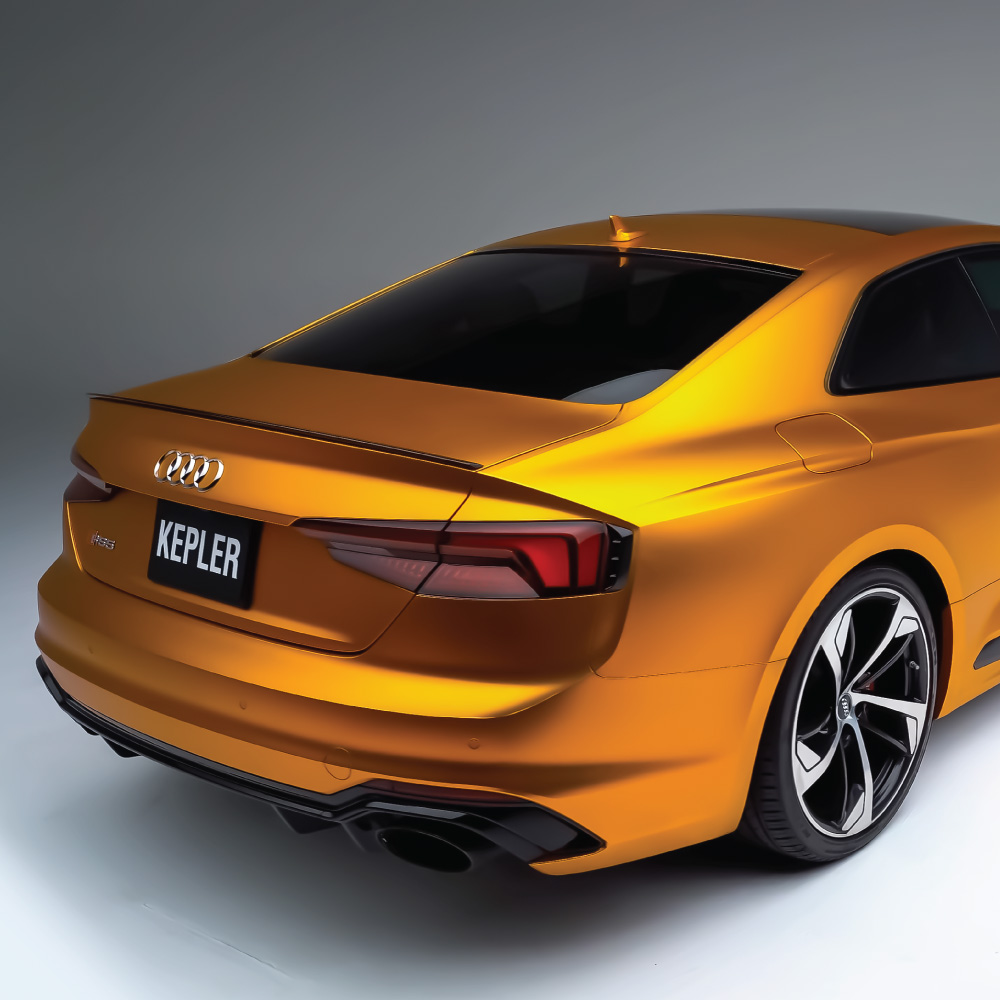
Kepler Experience
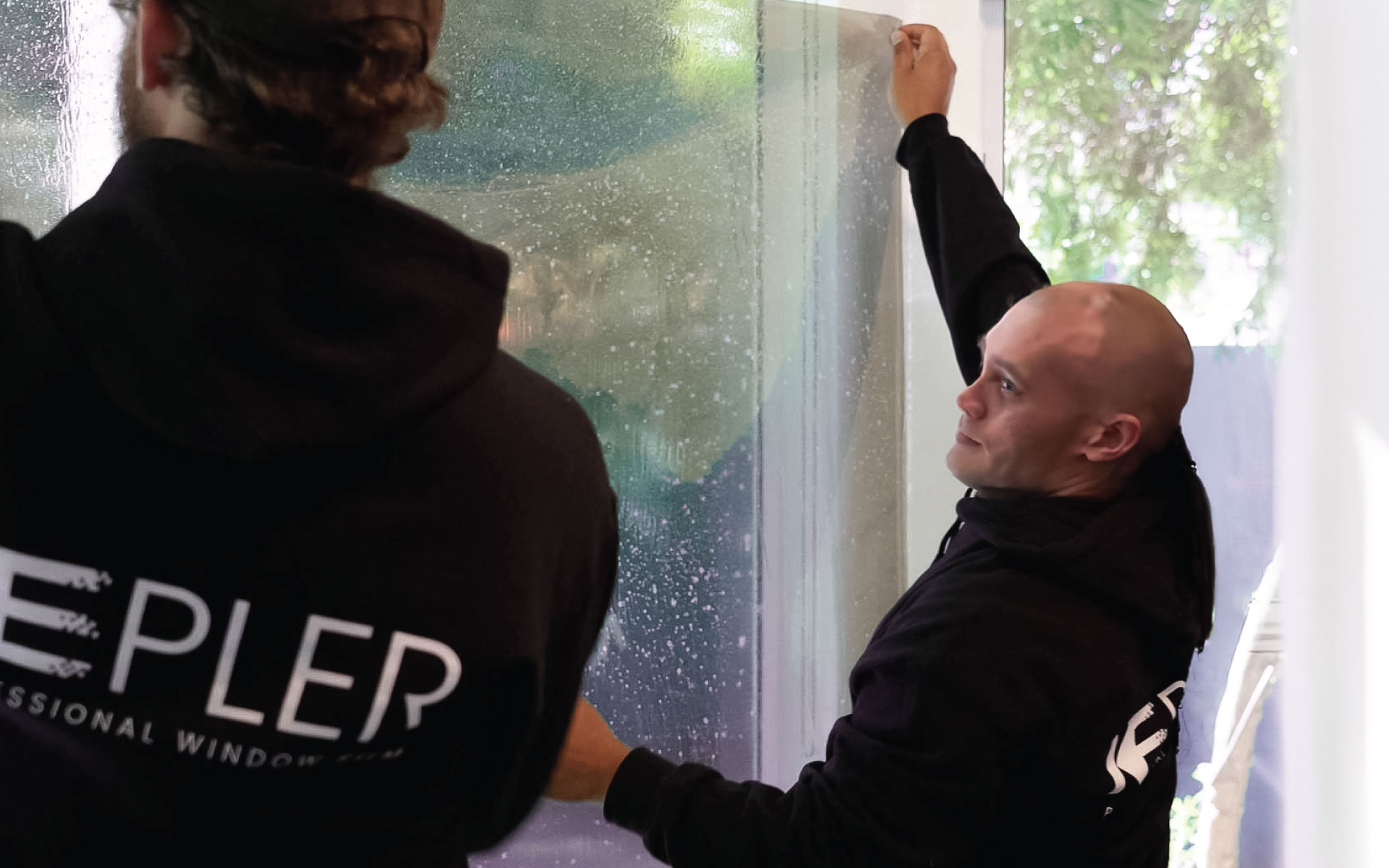
Home and Building Film
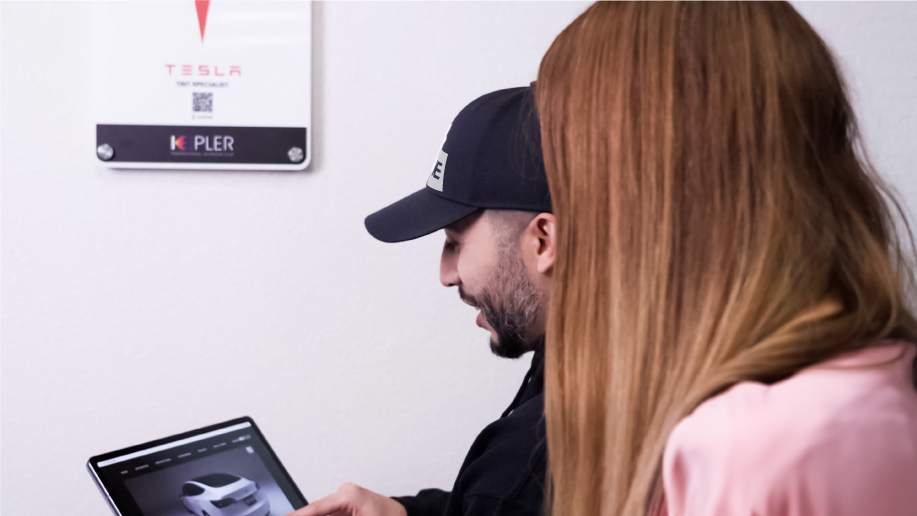
Tesla Window Tint
Kepler film is fitted by independent installers who work with the product day in, day out and deal with customers directly. They see the full range of vehicle glazing, which matters because glass differs from model to model, and they can talk you through what a particular film and shade will look and feel like on your car before anything is committed to.
Looking for commercial window film? See our services here.
How Kepler works
Kepler makes the film, not the tint job. Independent tinting businesses install window film. For a project, ask a local tinter whether they carry Kepler film or can get it, then arrange the work directly with that shop.
Start your quote requestFilm availability and installation services vary by independent shop.
Kepler makes automotive and architectural window film, from everyday tint to nano-ceramic.
Independent tinting businesses install window film. Ask a local shop whether they carry Kepler film or can get it.
Share your project details, then ask an independent local tinter whether they carry Kepler film or can get it.
Penalties for non-compliant window film are set by state law and enforced by police and the courts, so the exact outcome depends on the vehicle, the film and the circumstances of the stop. In general terms, a driver may face a fine, be directed to correct the film and show that the vehicle now complies, or see penalties escalate if the same issue comes up again. The practical takeaway is simple: confirm the current requirements before film goes on, keep any paperwork your installer gives you, and check anything you are unsure about with the relevant Hawaii authority. Choosing a film is a separate decision from meeting the law, and a good installer will discuss both with you.
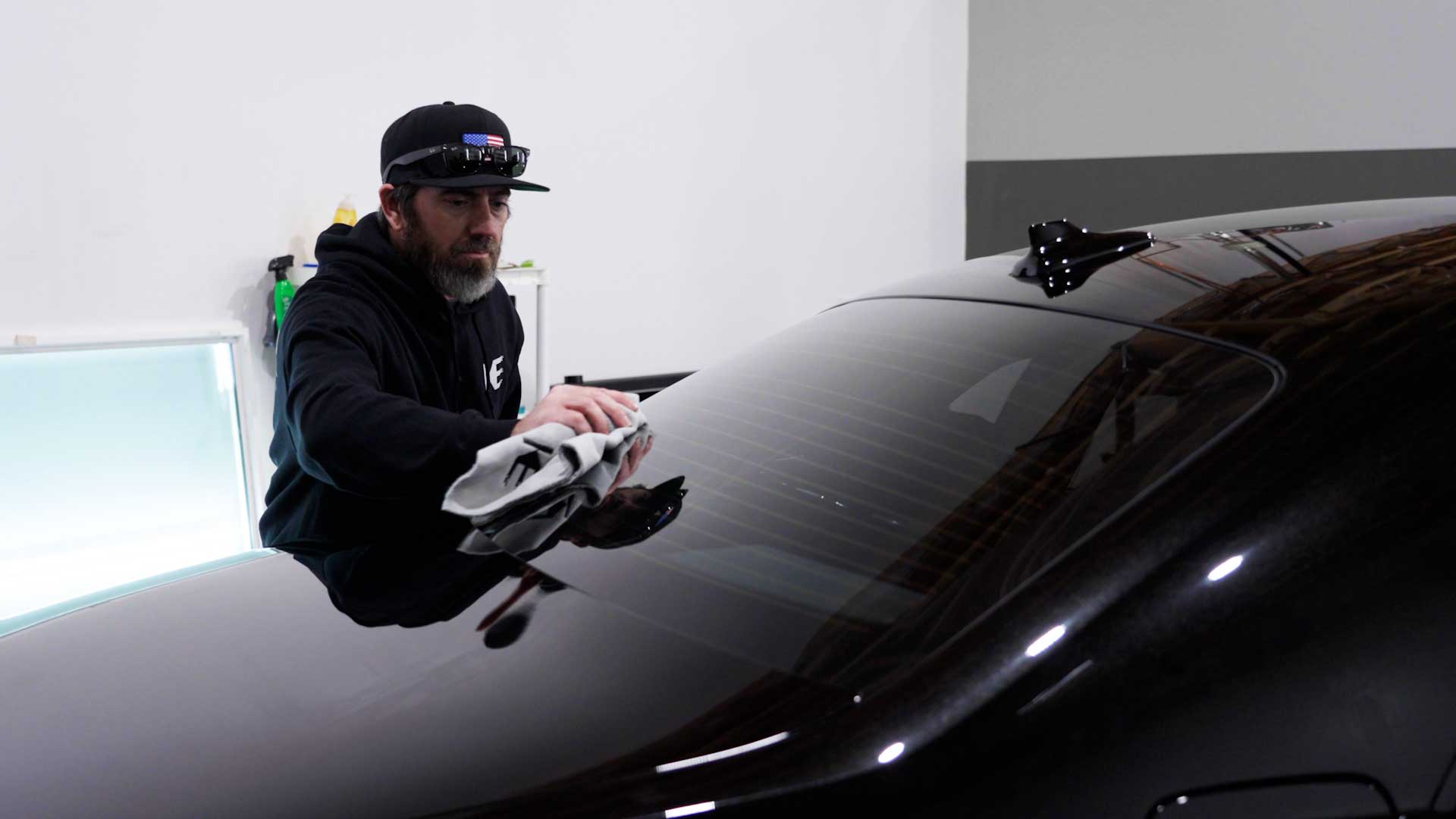
Ask a local tint shop whether they carry Kepler window film or can order it for your installation.
These Google listings are independent businesses. Contact each shop to confirm whether it installs Kepler film; appearing here does not mean it is a Kepler dealer.
Enter your town or ZIP code to find shops close to you.
Maps and business listings are provided by Google. Google Maps terms · Google privacy policy