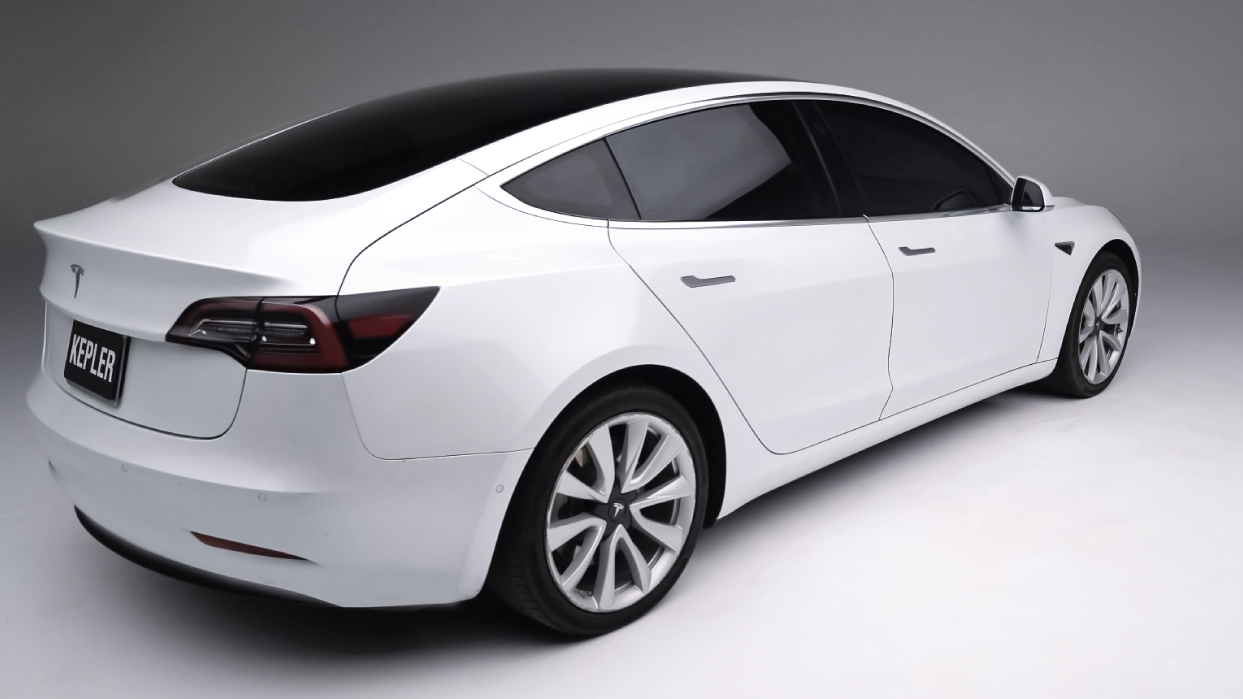
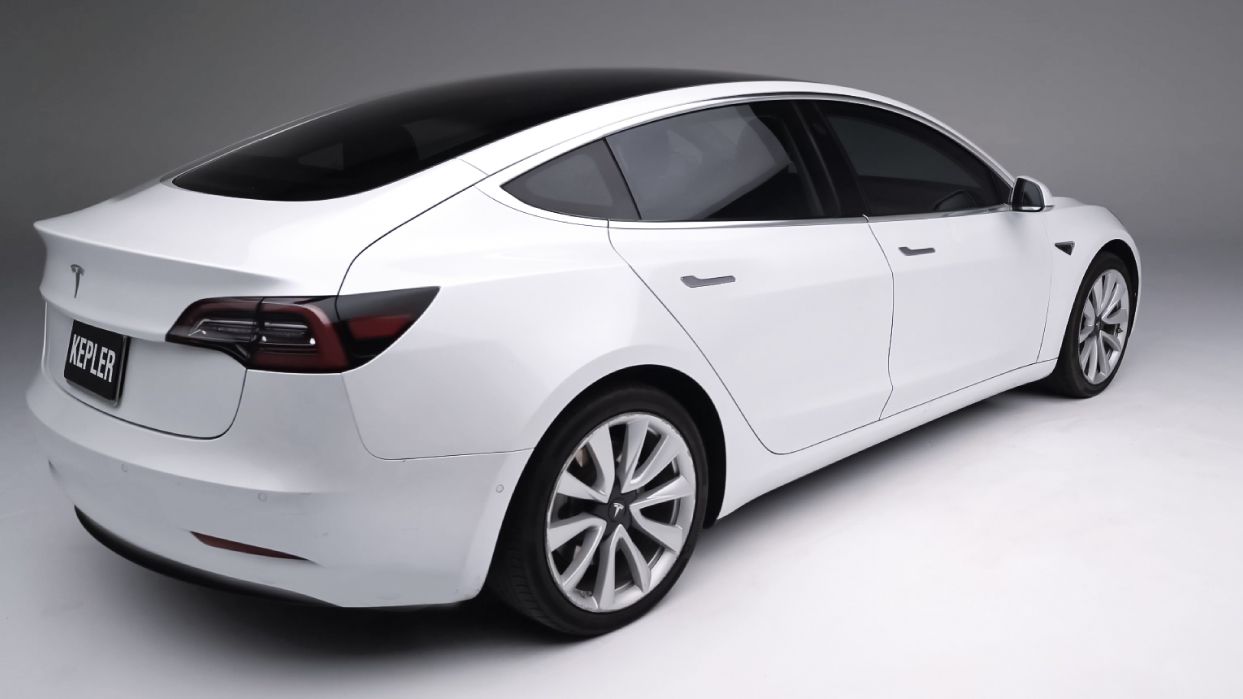
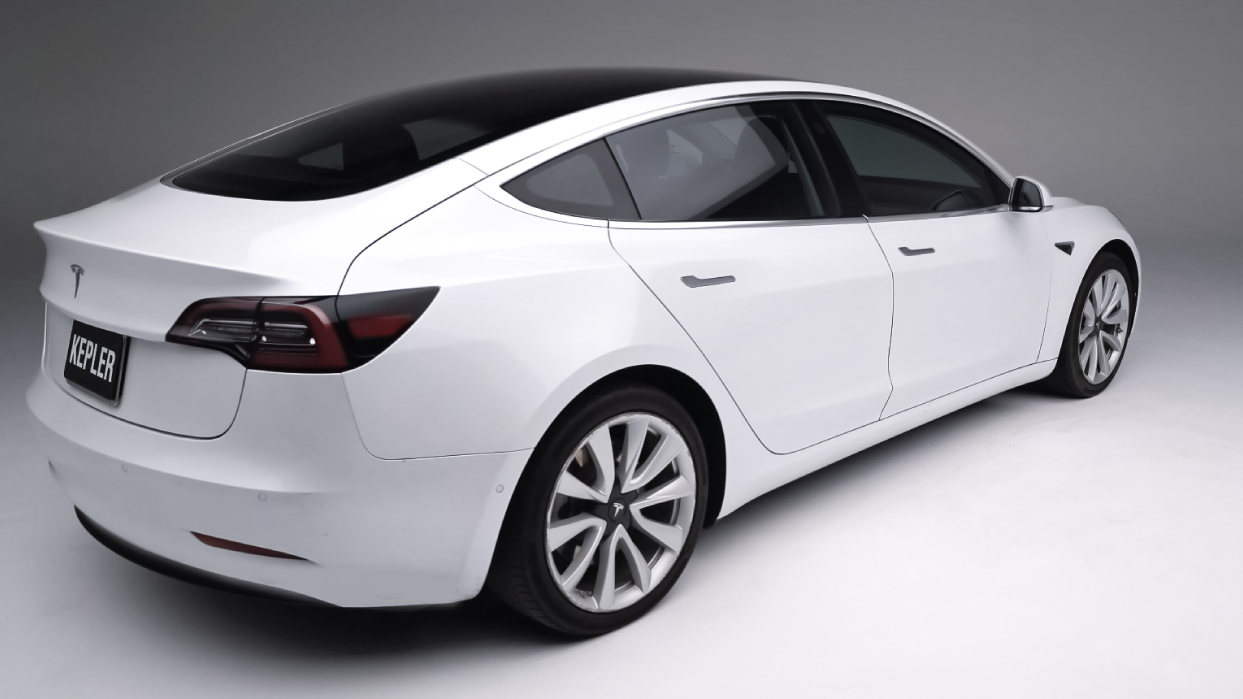
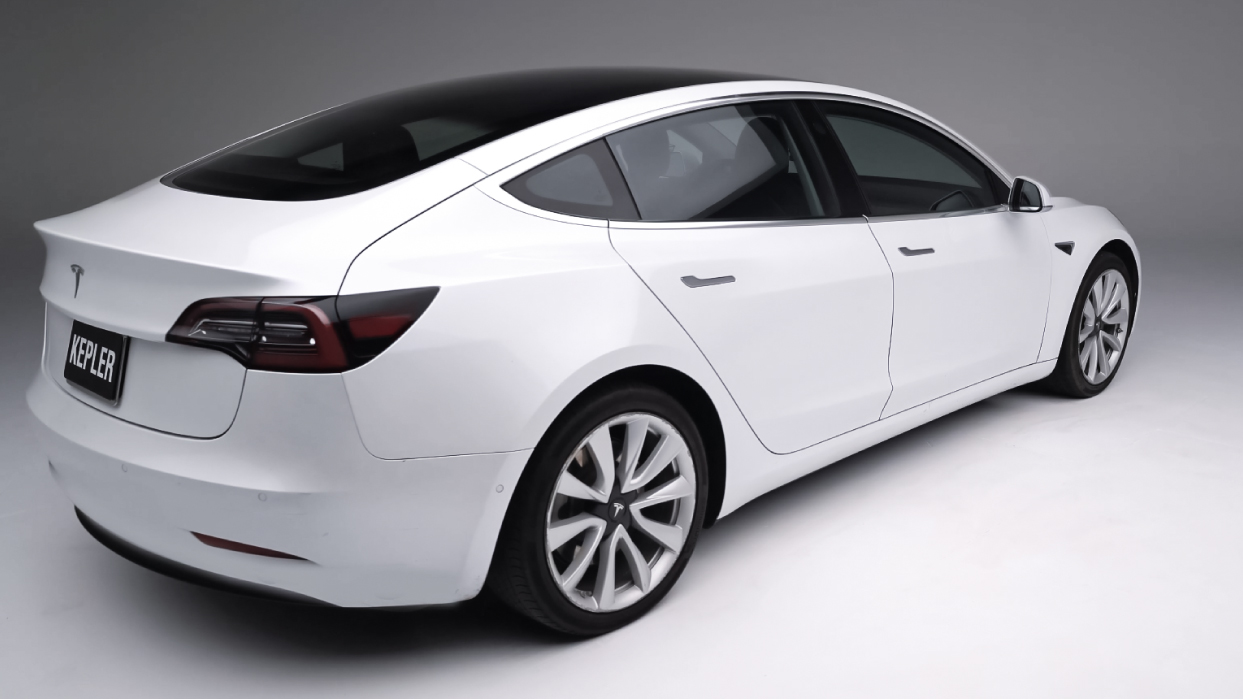
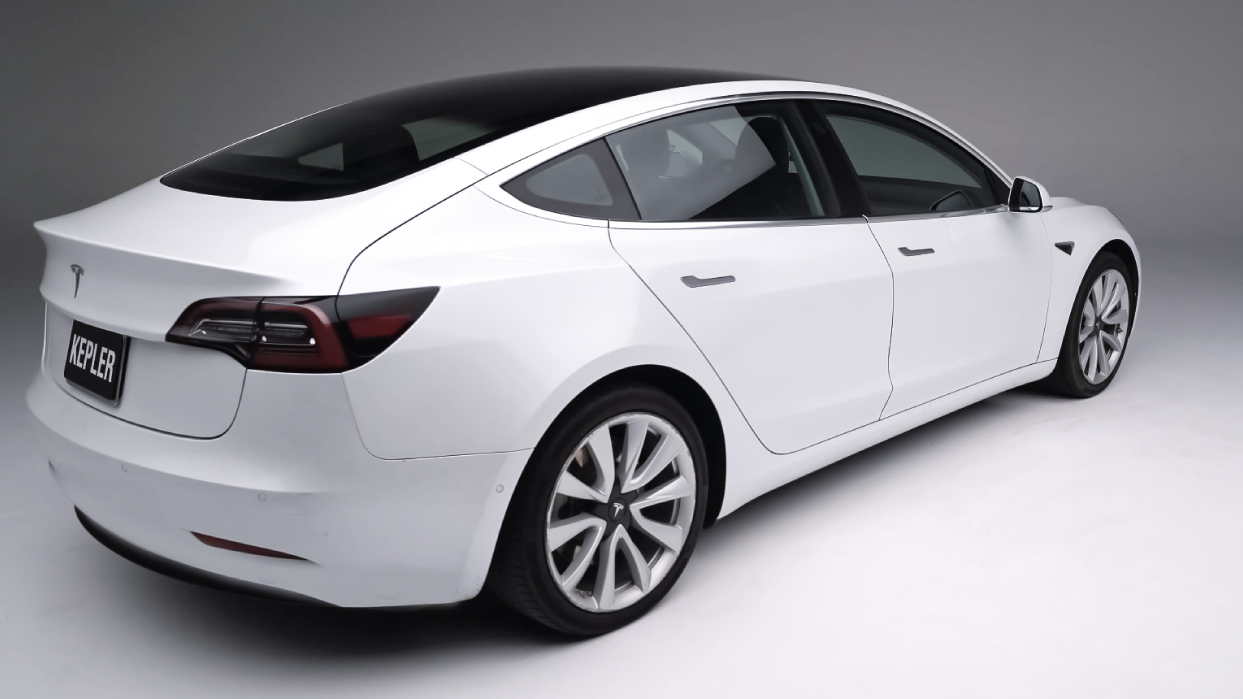
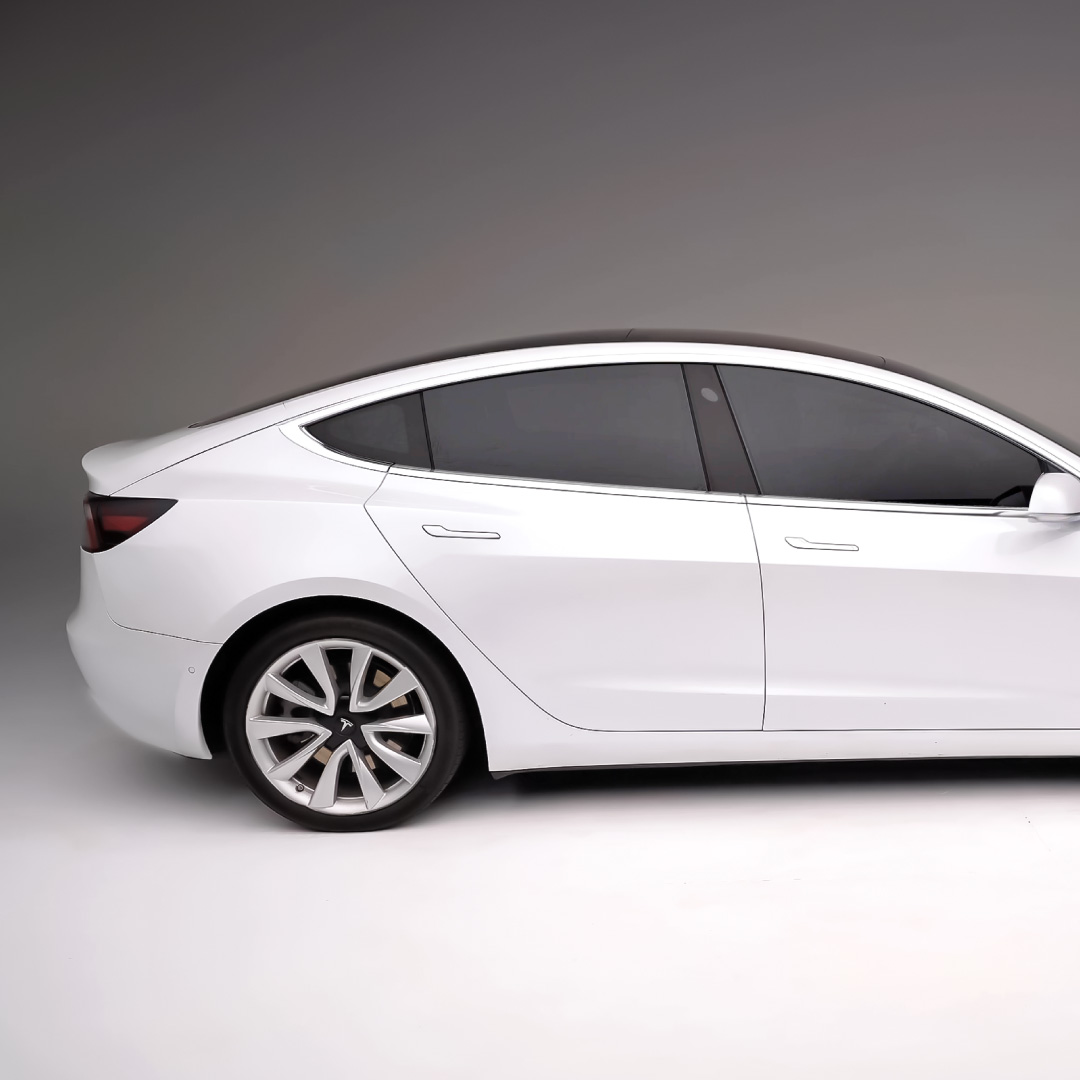
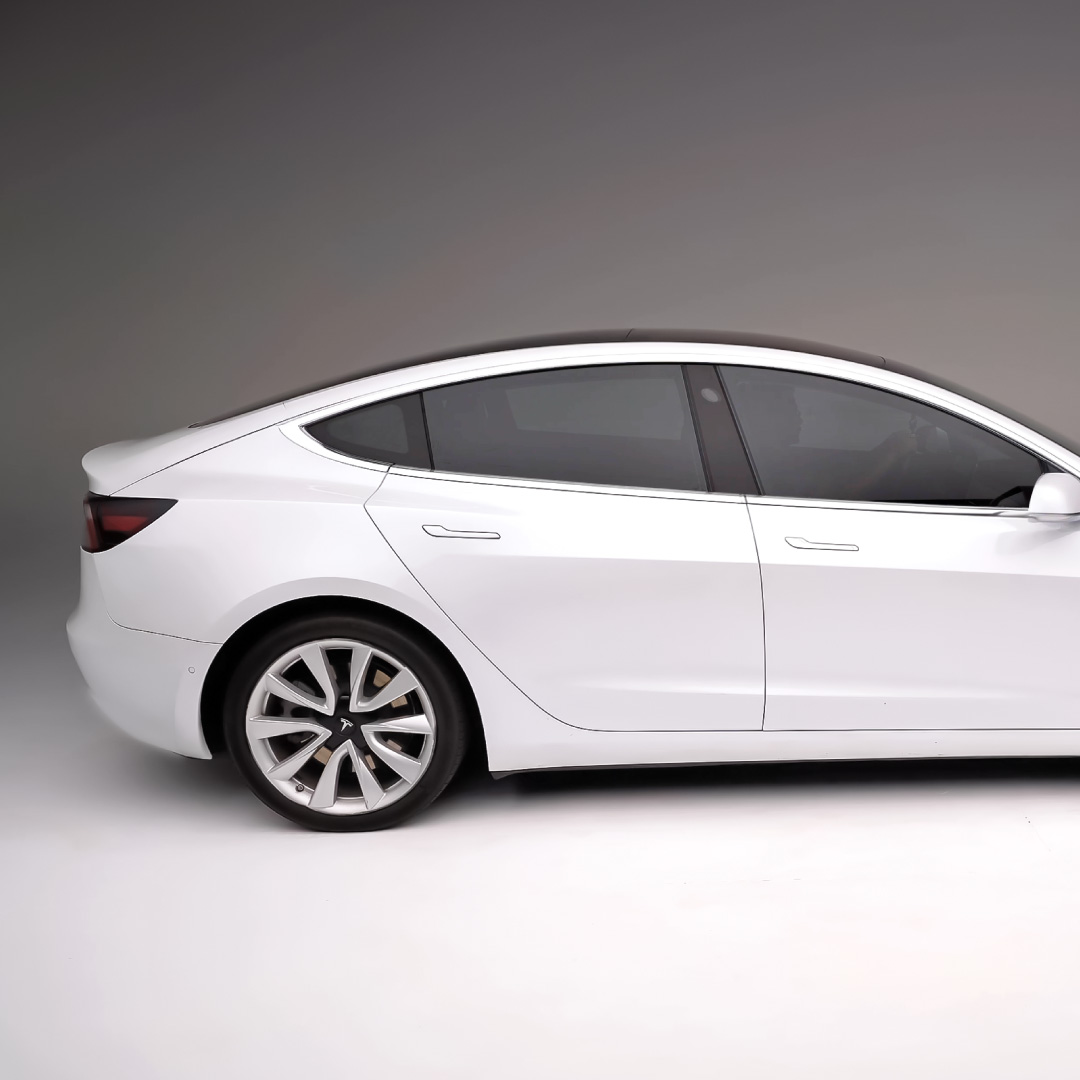
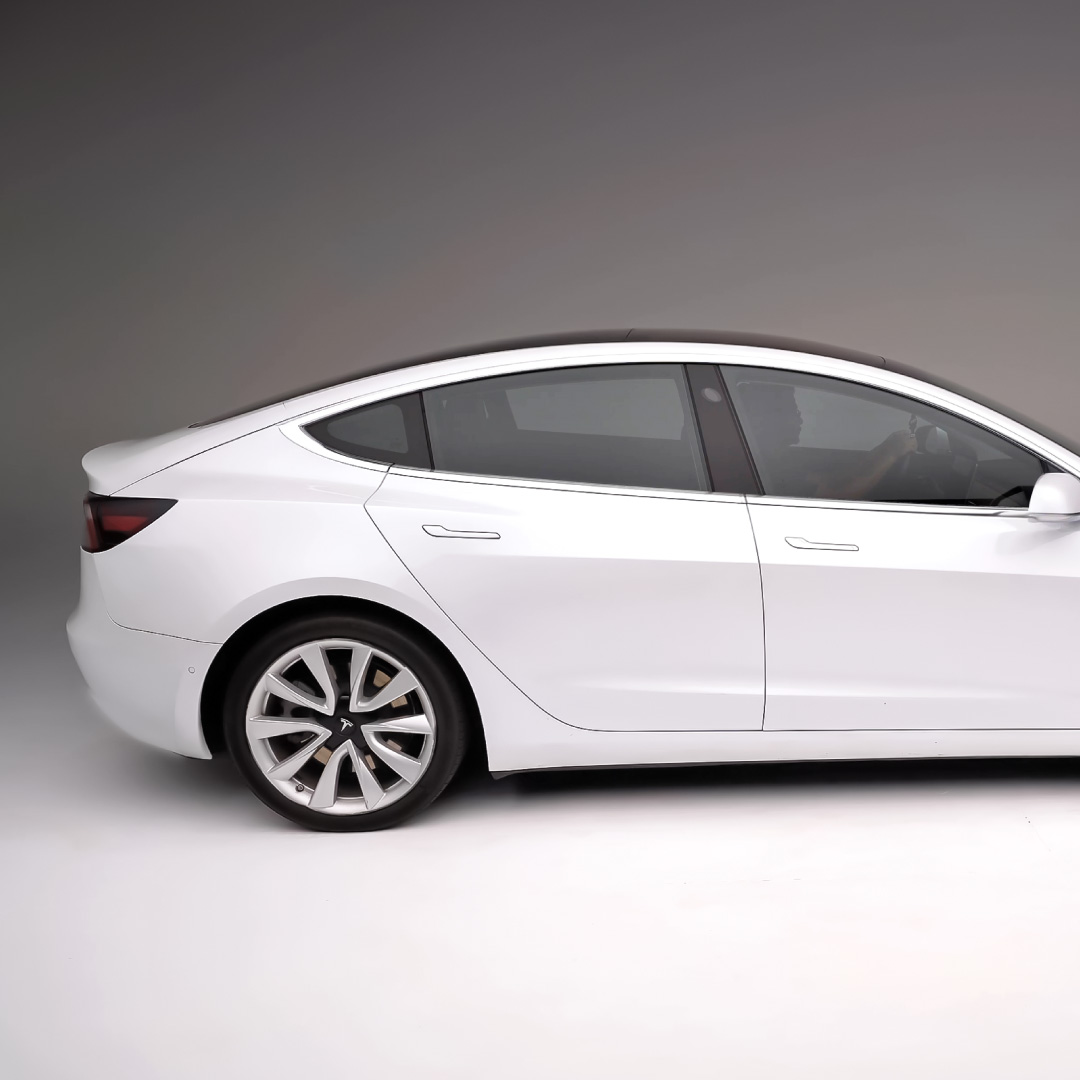
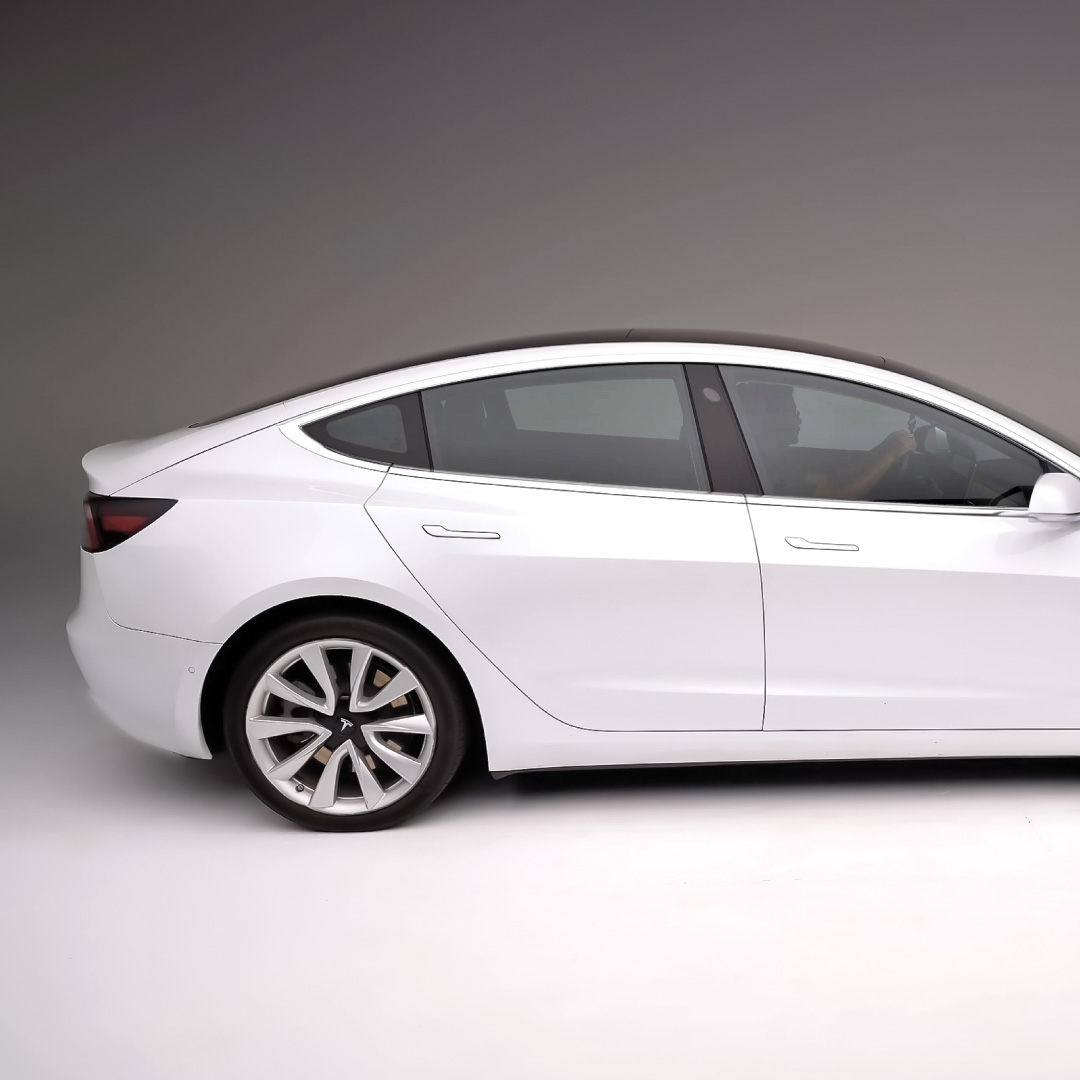
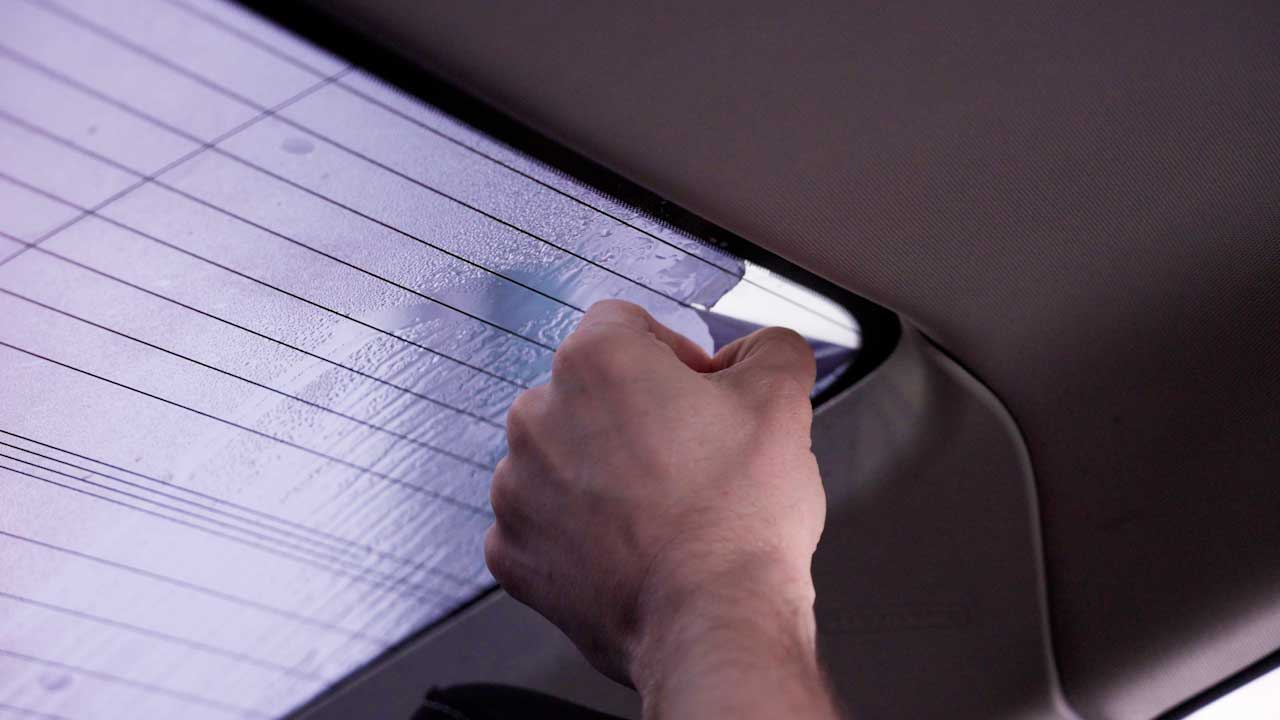
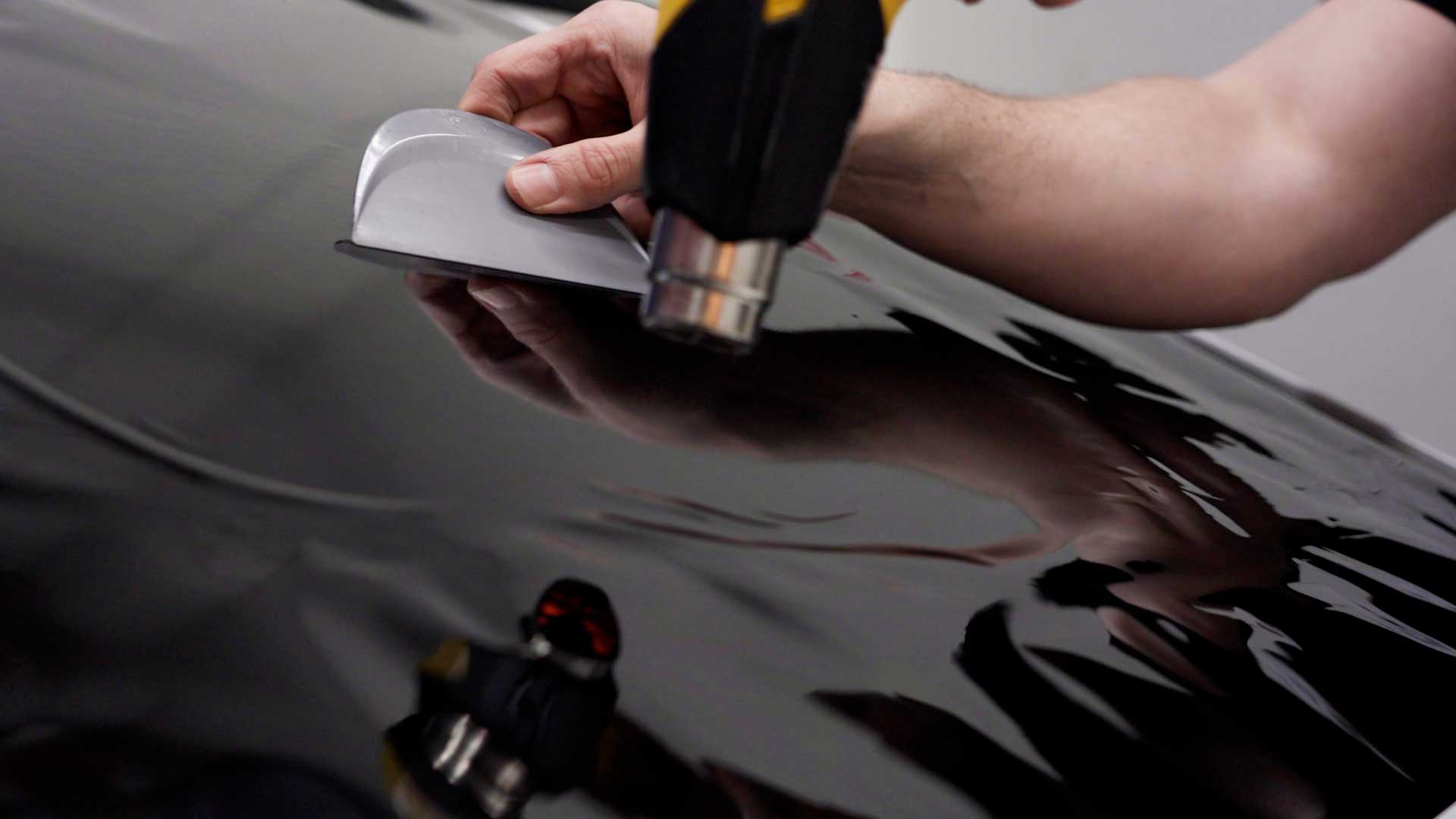
The warmth you feel through a car window comes from more than one part of the spectrum. Visible light carries some of it, ultraviolet does damage over time without being felt, and infrared accounts for a large share of the heat that builds up in a closed cabin. Kepler's IR and IR+ ranges are nano-ceramic films engineered to work on that infrared portion, absorbing and dissipating the energy rather than relying on a dark shade to block light. That distinction matters when you are choosing. Visible light transmission, the percentage beside each shade, tells you how much light passes through; it is a separate measure from solar heat performance. A light film built on ceramic technology can perform very differently from a dark film that is simply dyed. The practical effect on a Tesla is a cabin that heats up more slowly in full sun, less stored heat in the seats and trim when you get back in, and a climate system working against a smaller temperature swing. How much difference you notice depends on the exact film and shade, the glazing already fitted to your car, and how and where it is parked. Ask your installer to compare the published figures for the shades you are considering before you book.