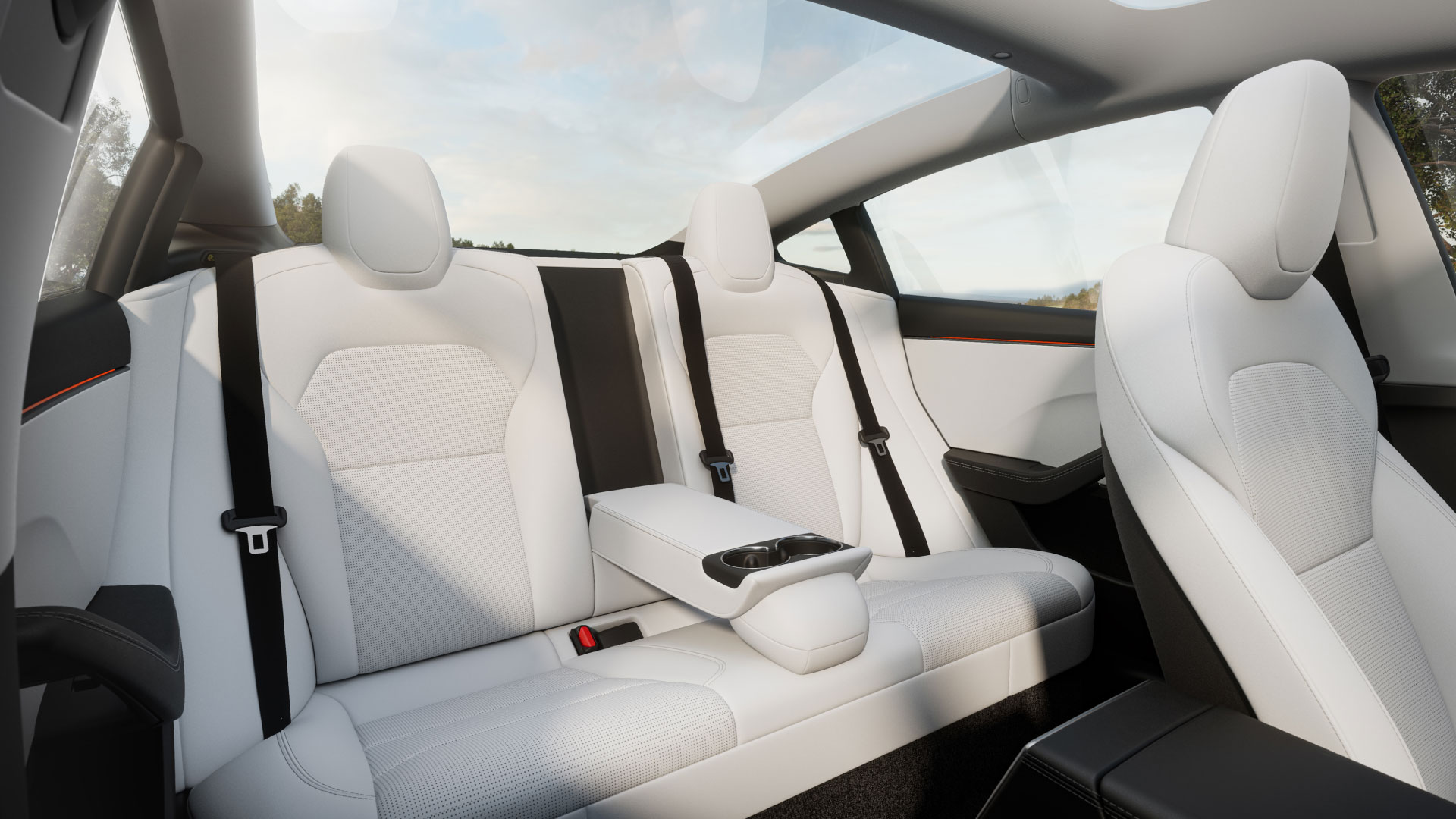
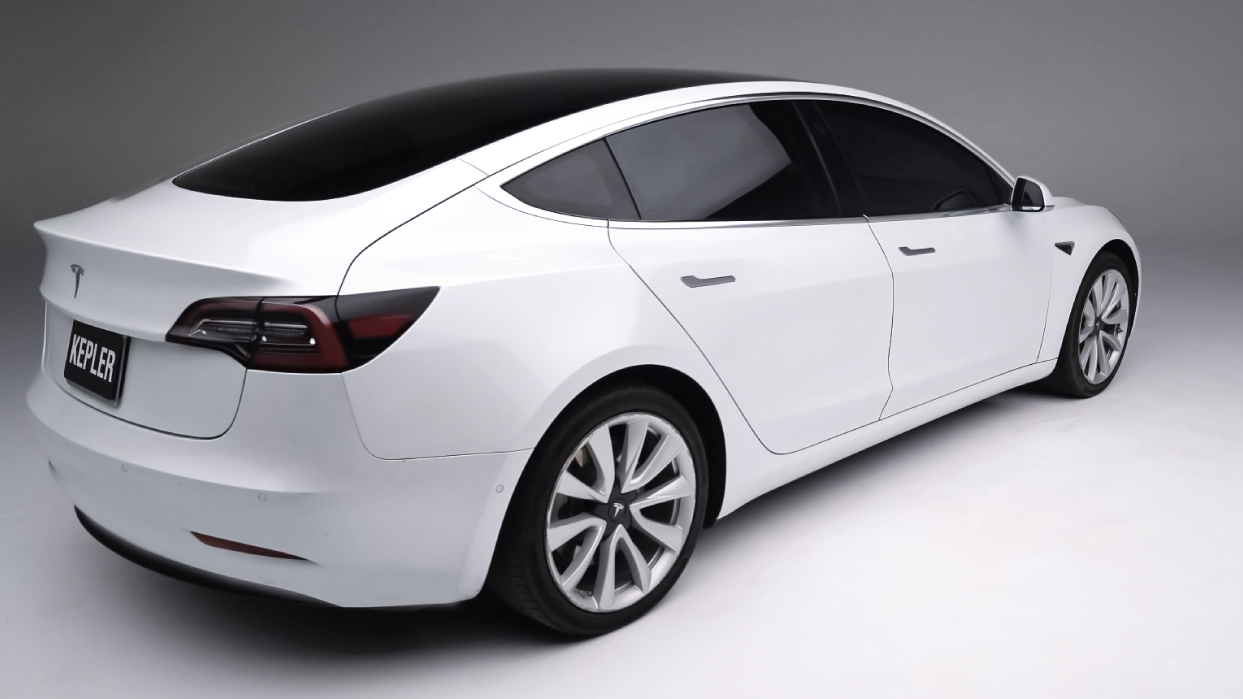
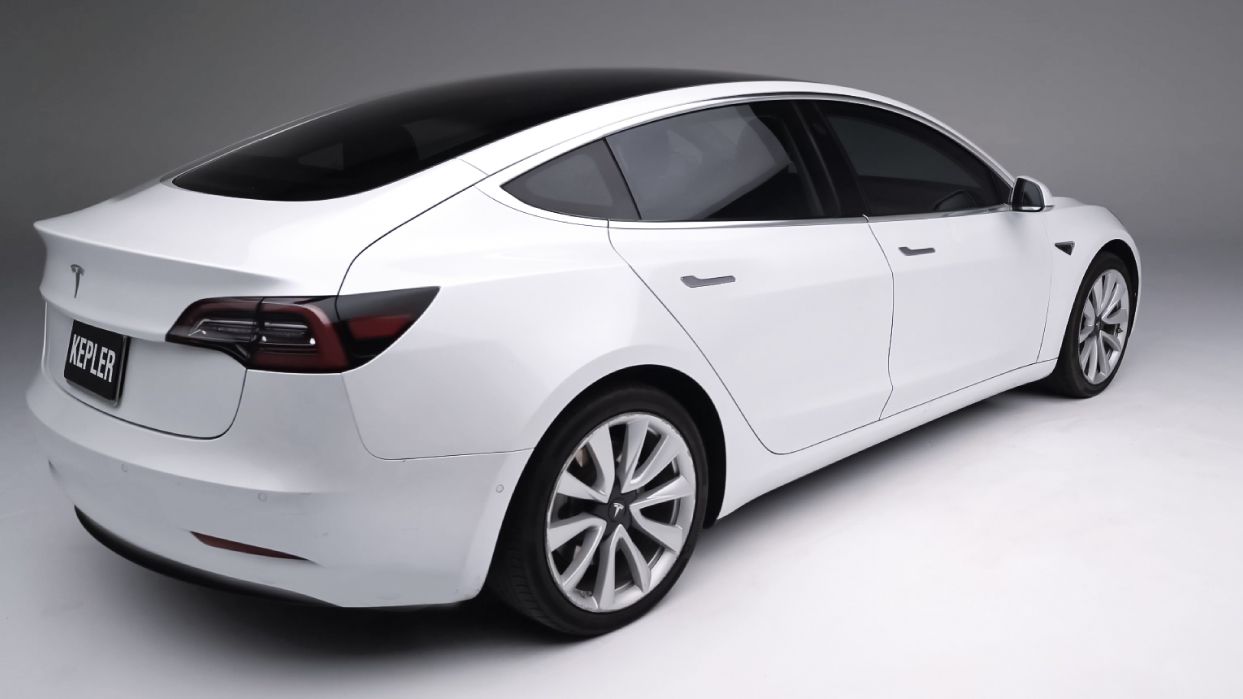
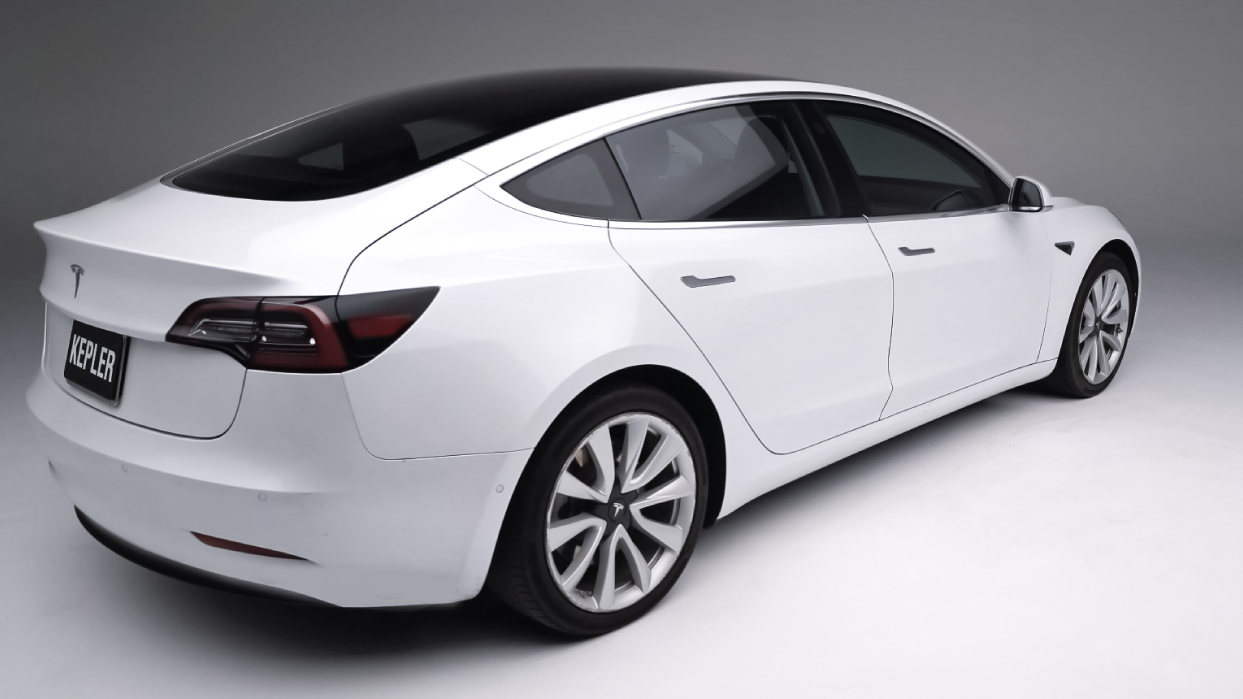
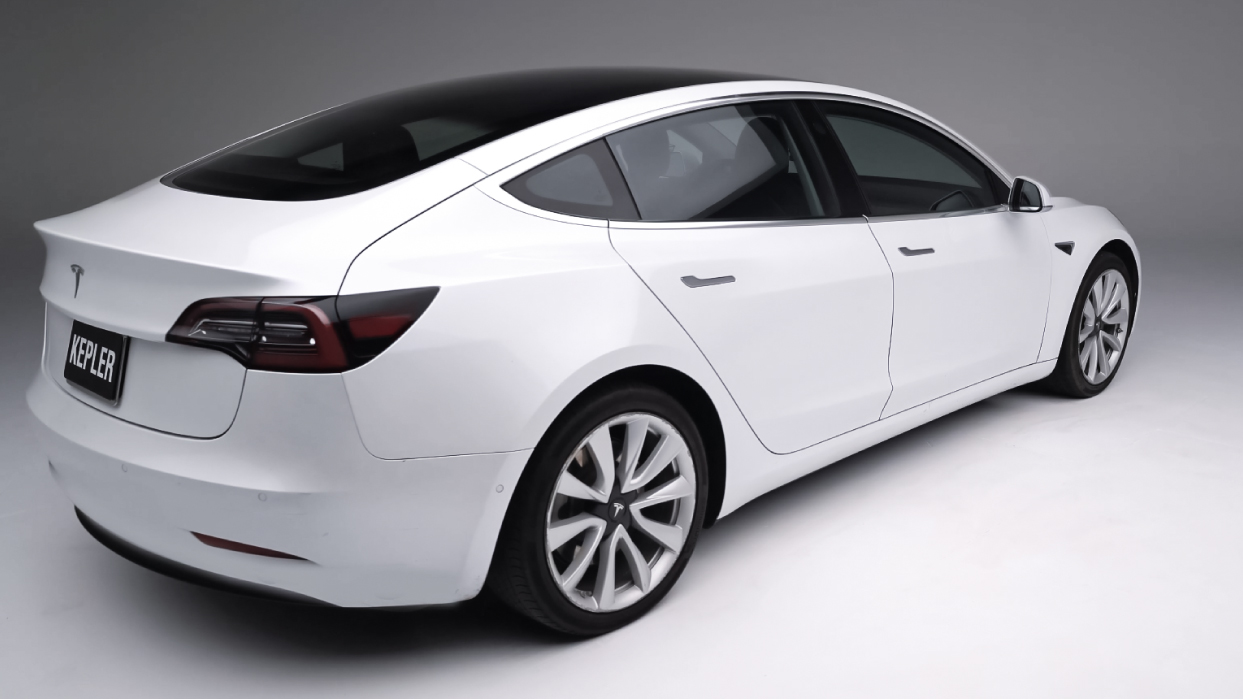
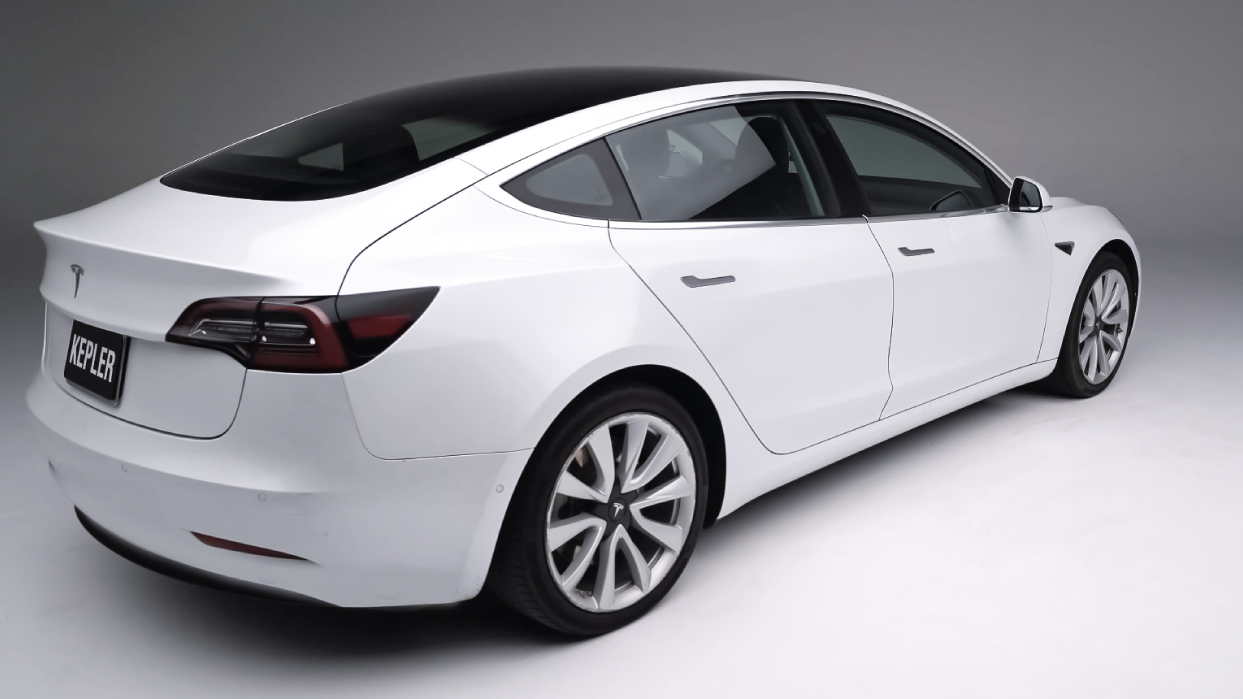
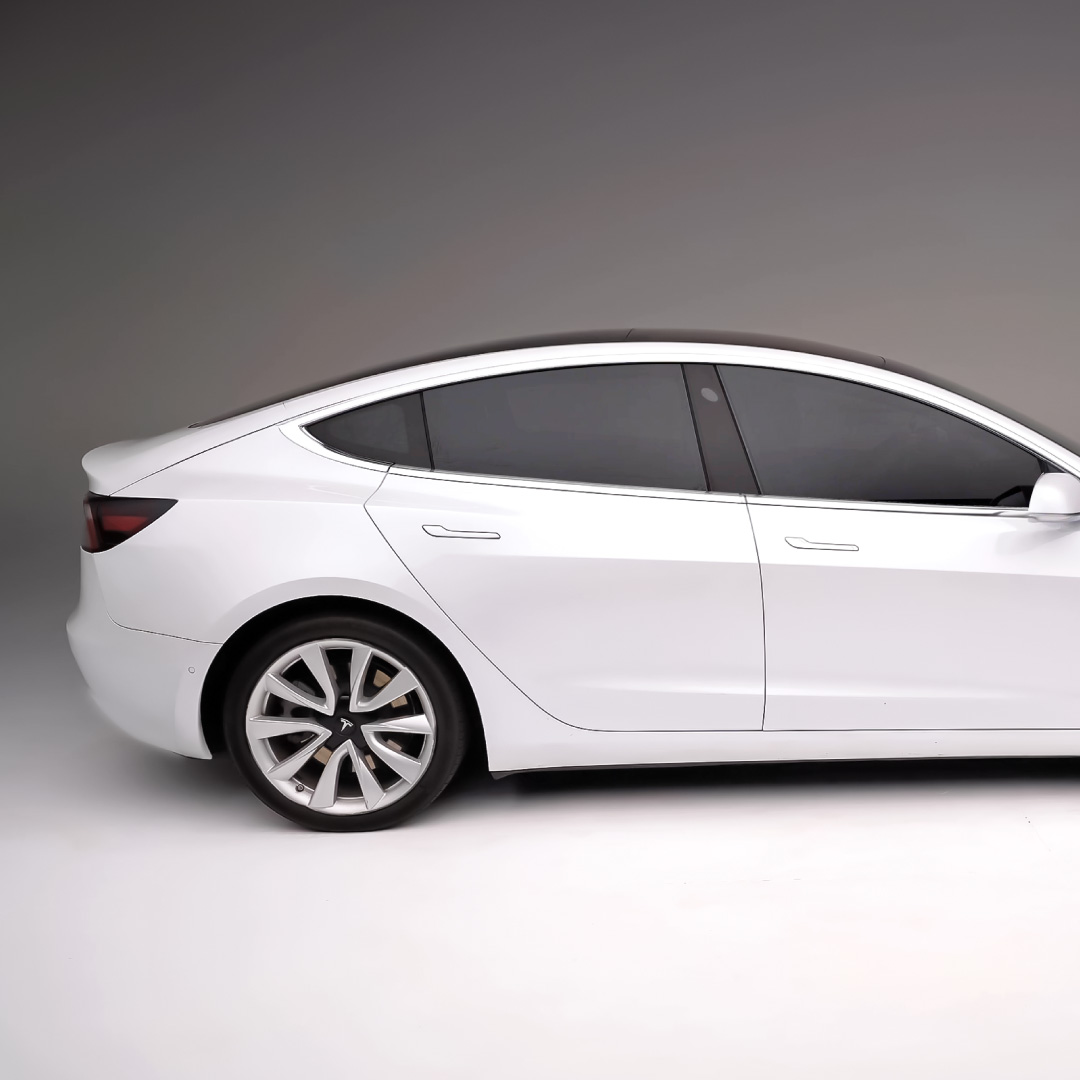
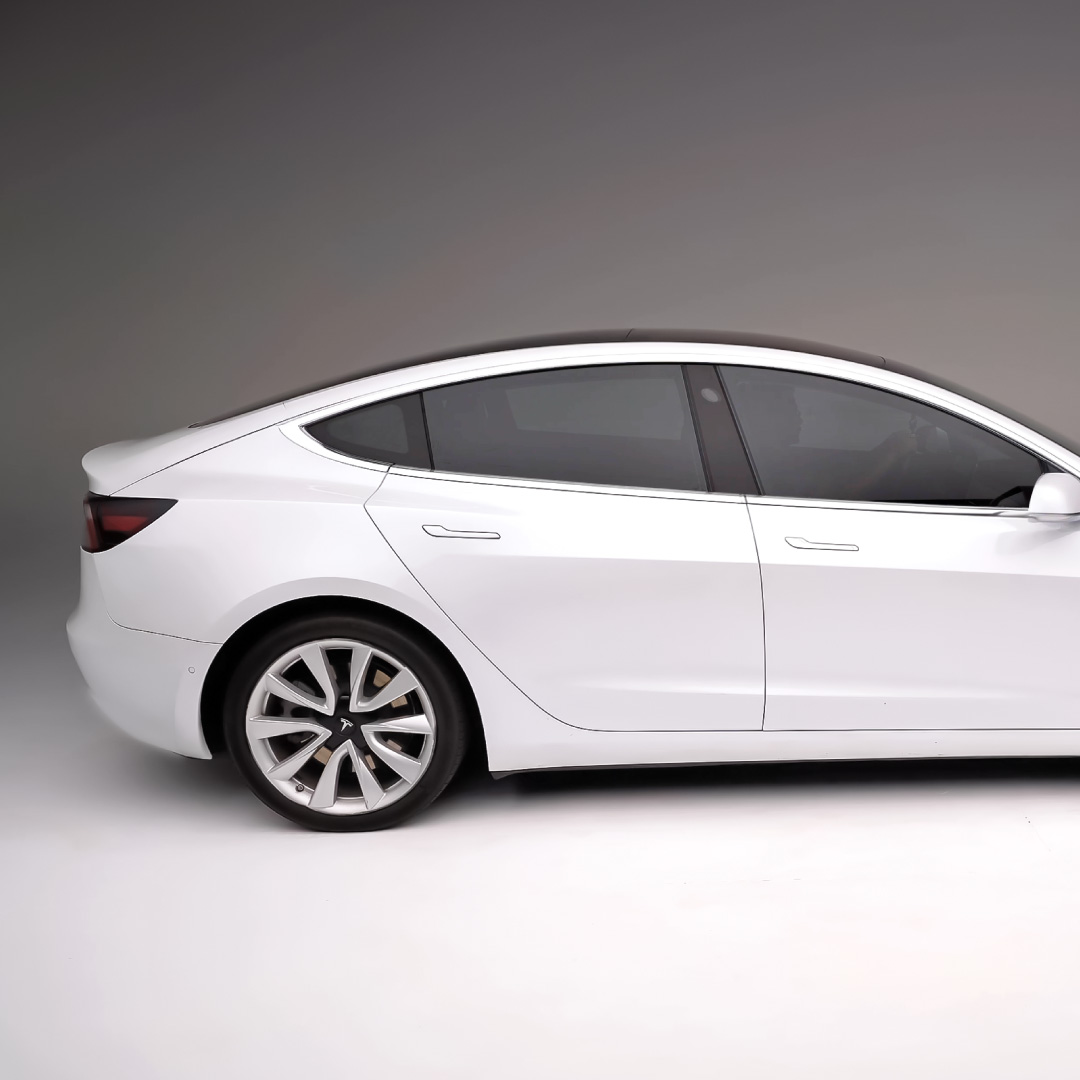
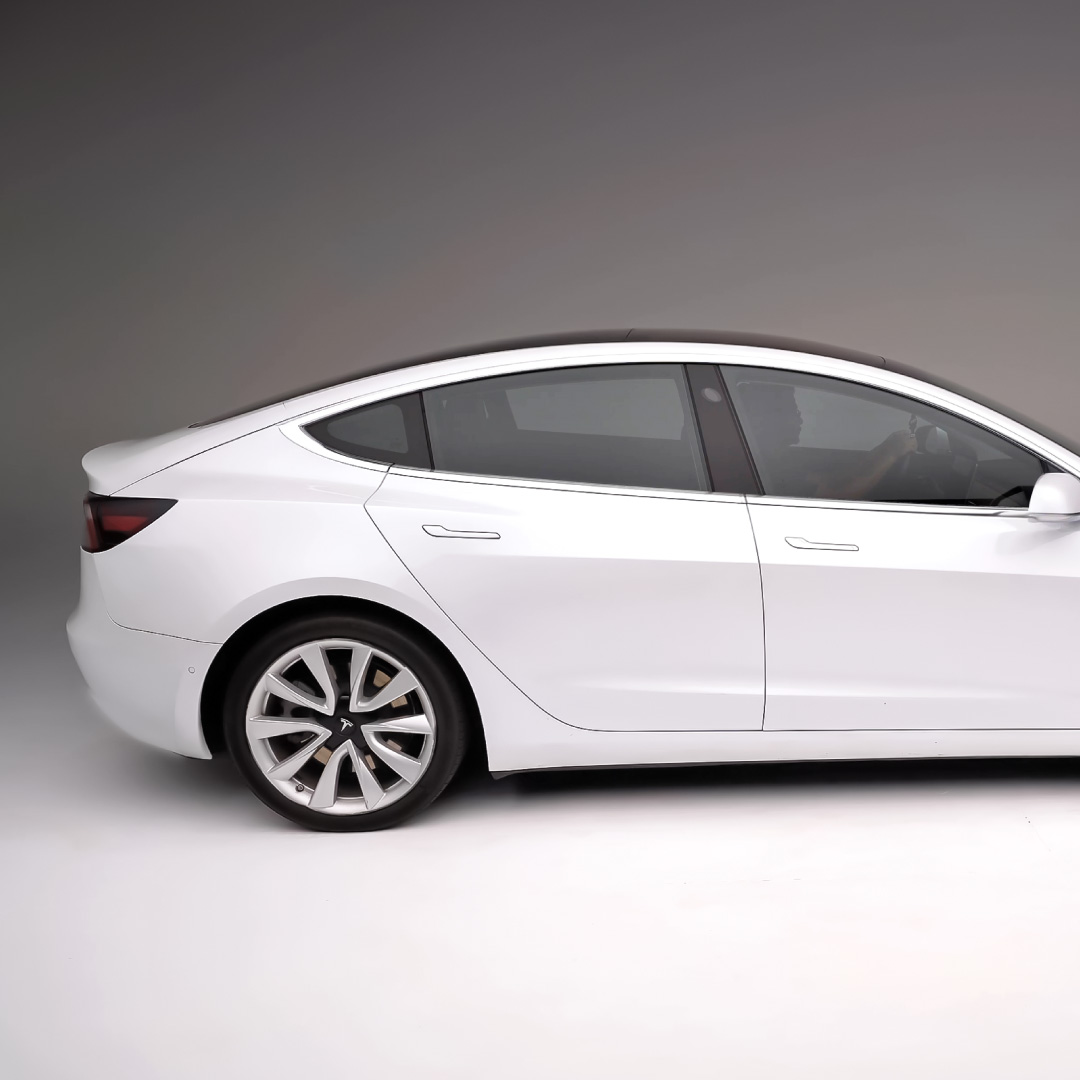
Sunlight reaching your Tesla's glass arrives as visible light, ultraviolet and infrared energy, and it is the infrared part, which you cannot see, that does much of the warming inside the cabin. Kepler's nano-ceramic film is built to work on that infrared energy and on UV, rather than relying on darkness alone to cut heat. That is why appearance and heat performance are quoted separately, and why a lighter Kepler shade can still be a serious heat film.
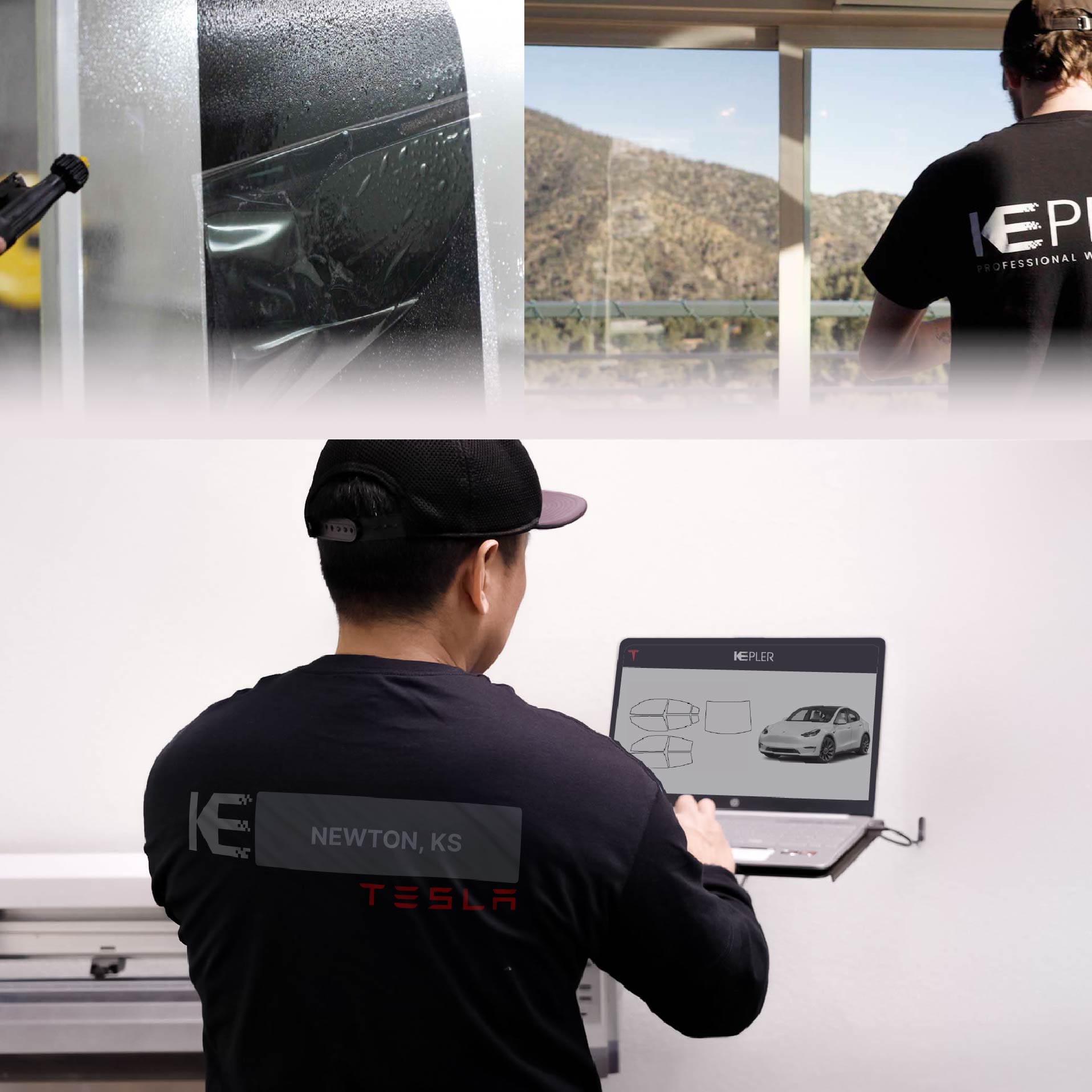
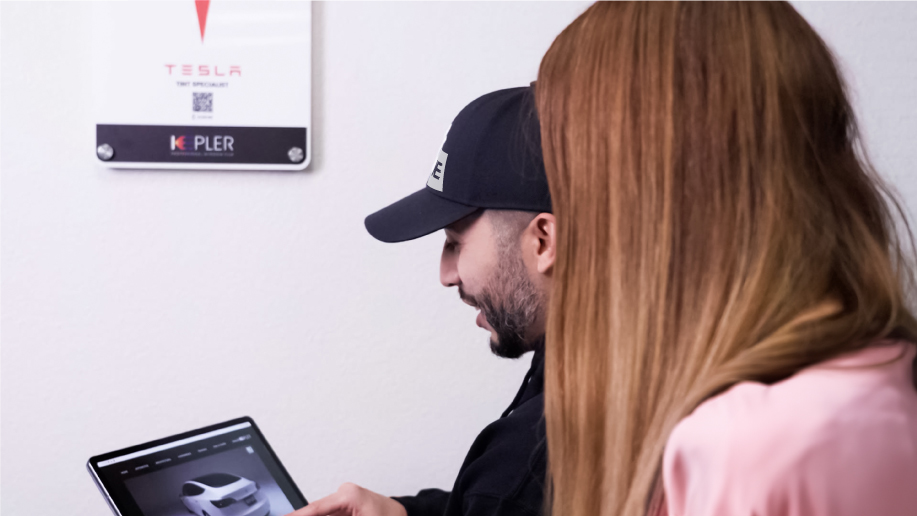
In practice, less solar energy passing through the glazing means a cooler starting temperature when you get in, less glare on bright drives, and less work for the climate control to bring the cabin back to comfort. Compare the figures for the exact film and shade you are interested in, and ask the Kepler dealer handling your enquiry which option best fits how and where you drive around Newton.