Kepler logoKansas

Tesla Window Tinting in Kansas

Explore Kansas

Tesla Window Tinting in Kansas

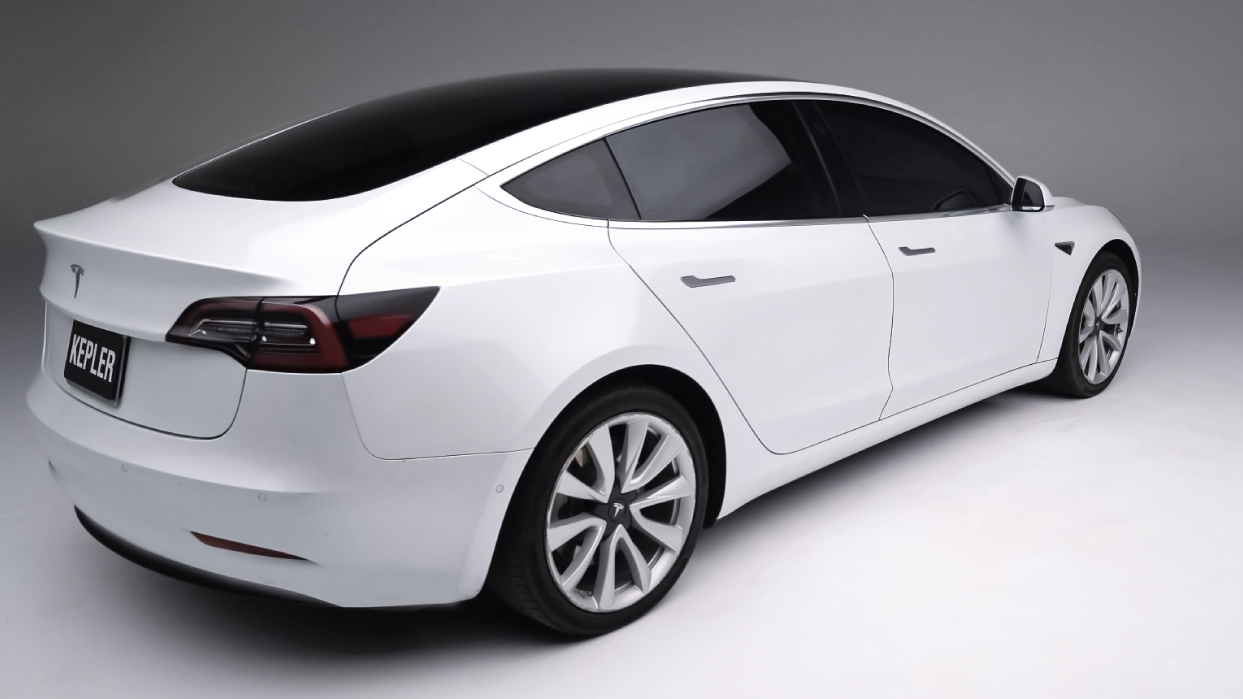
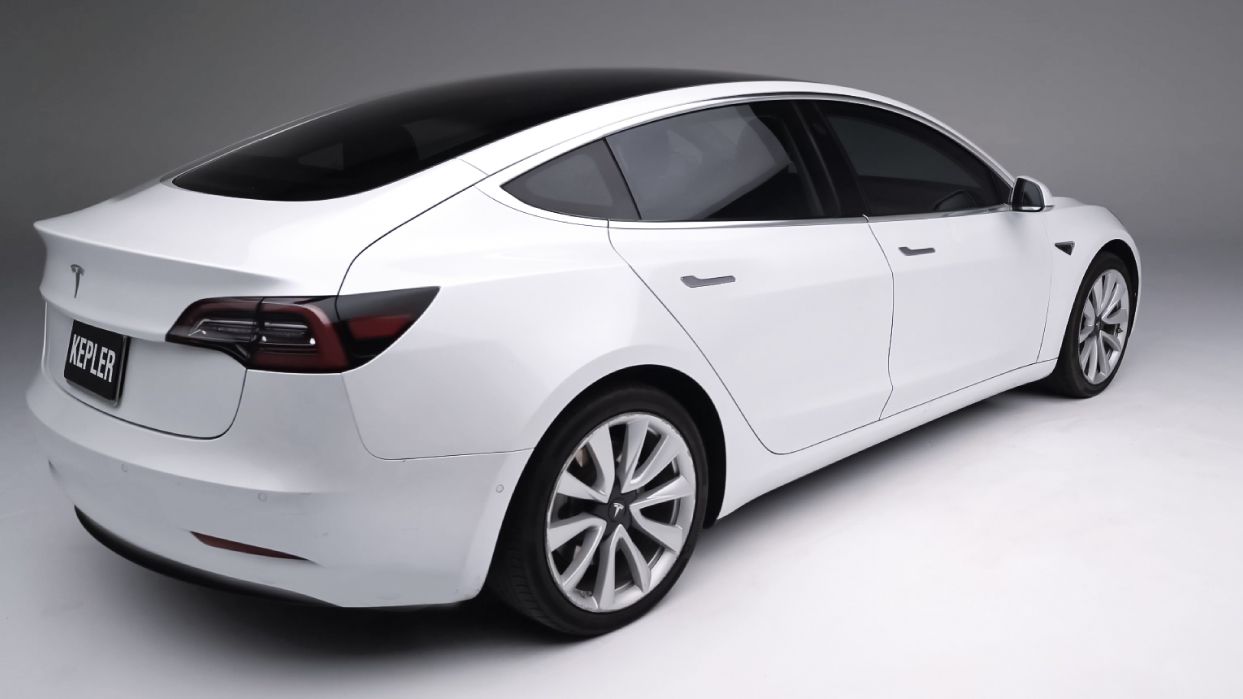
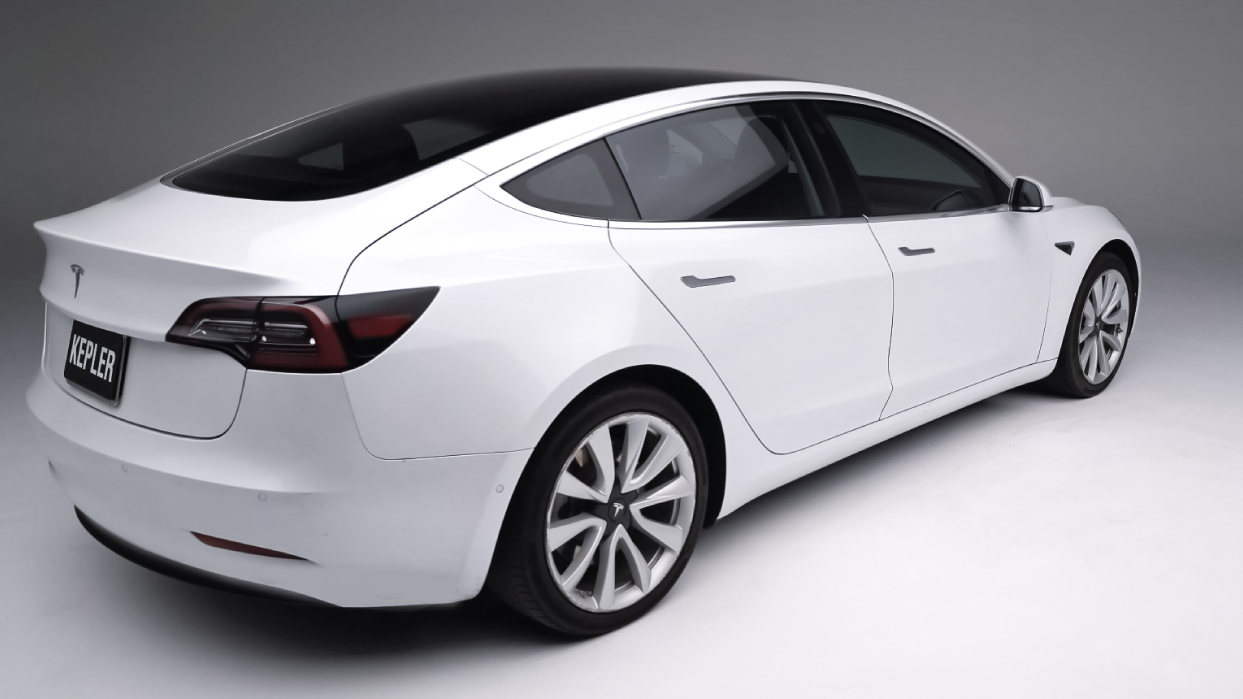
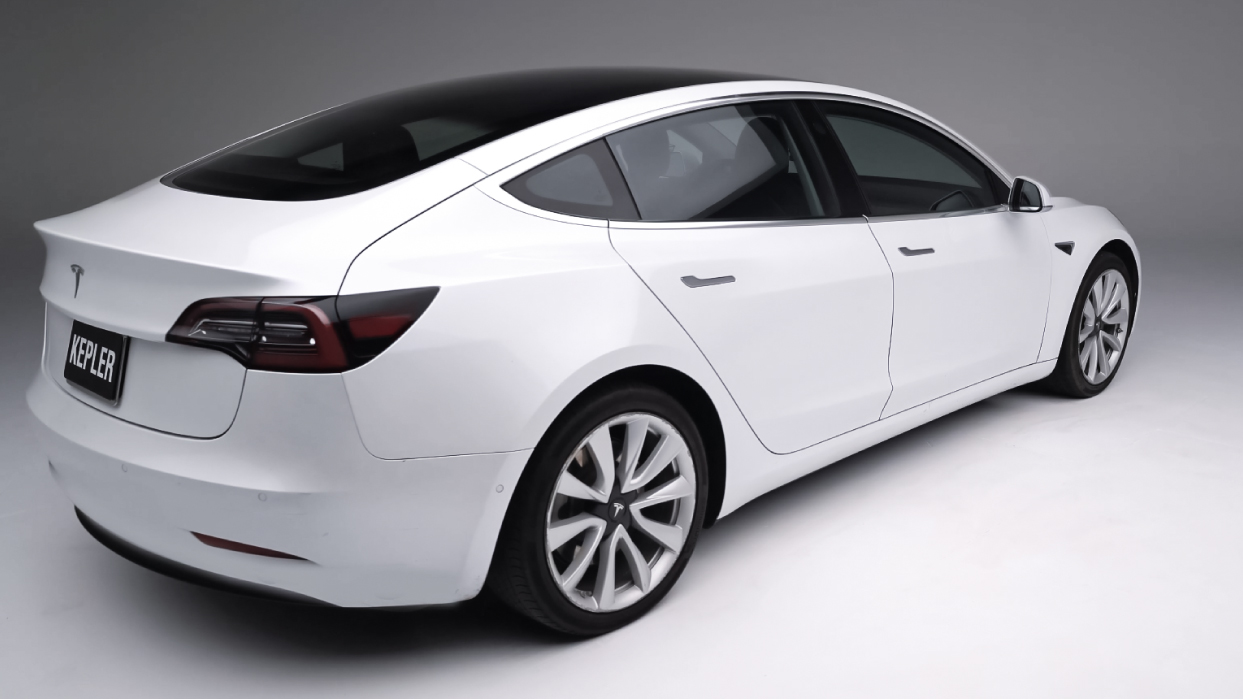
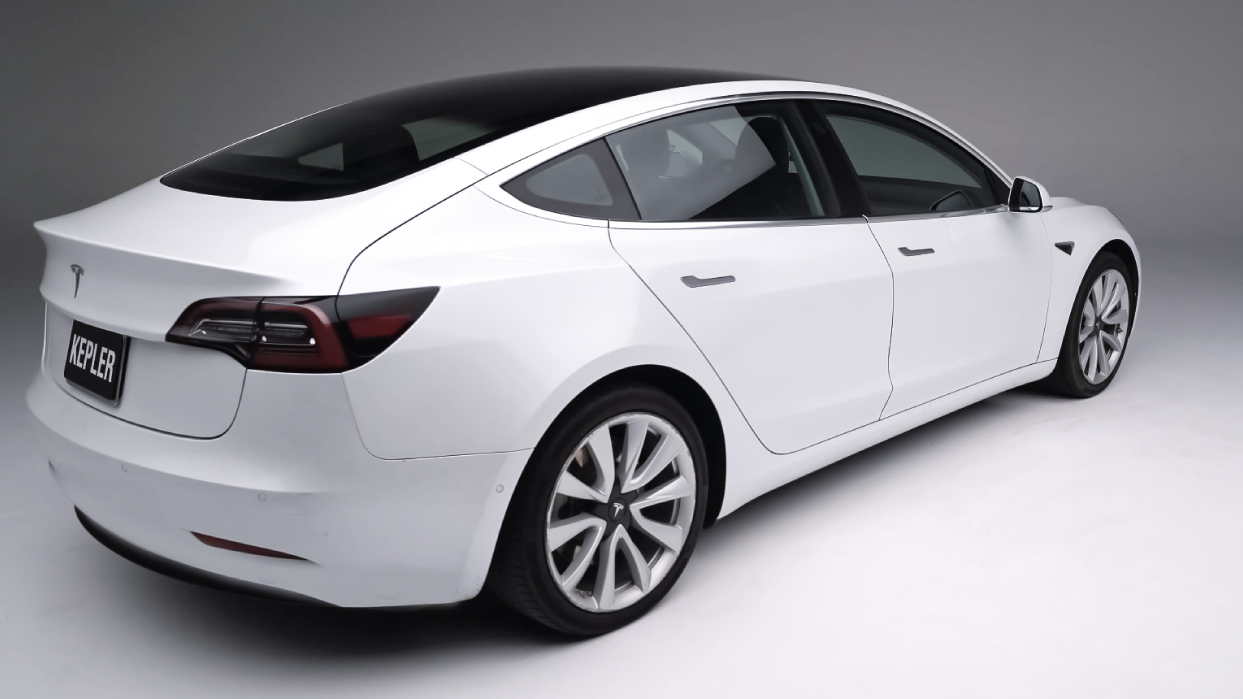
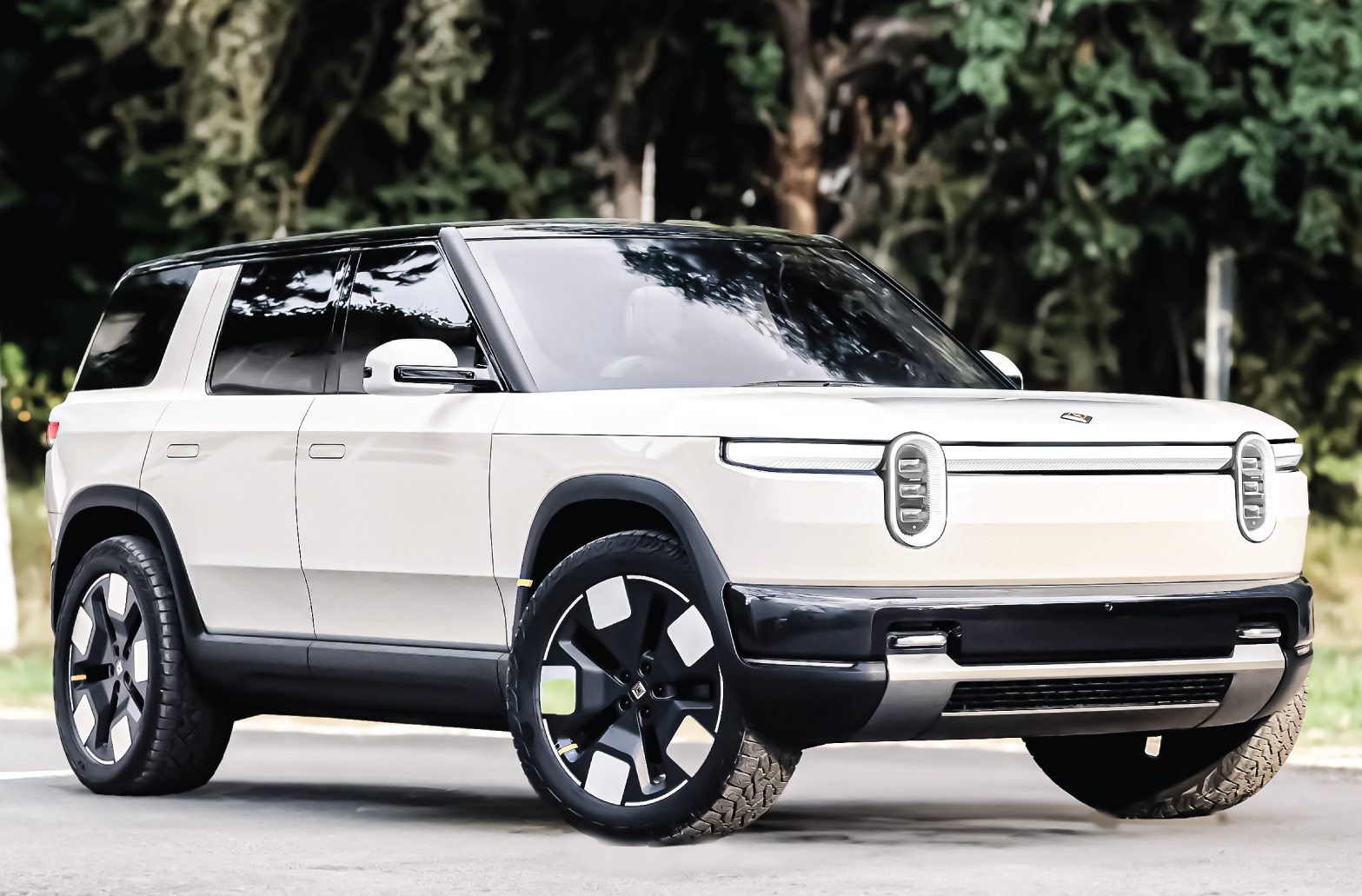
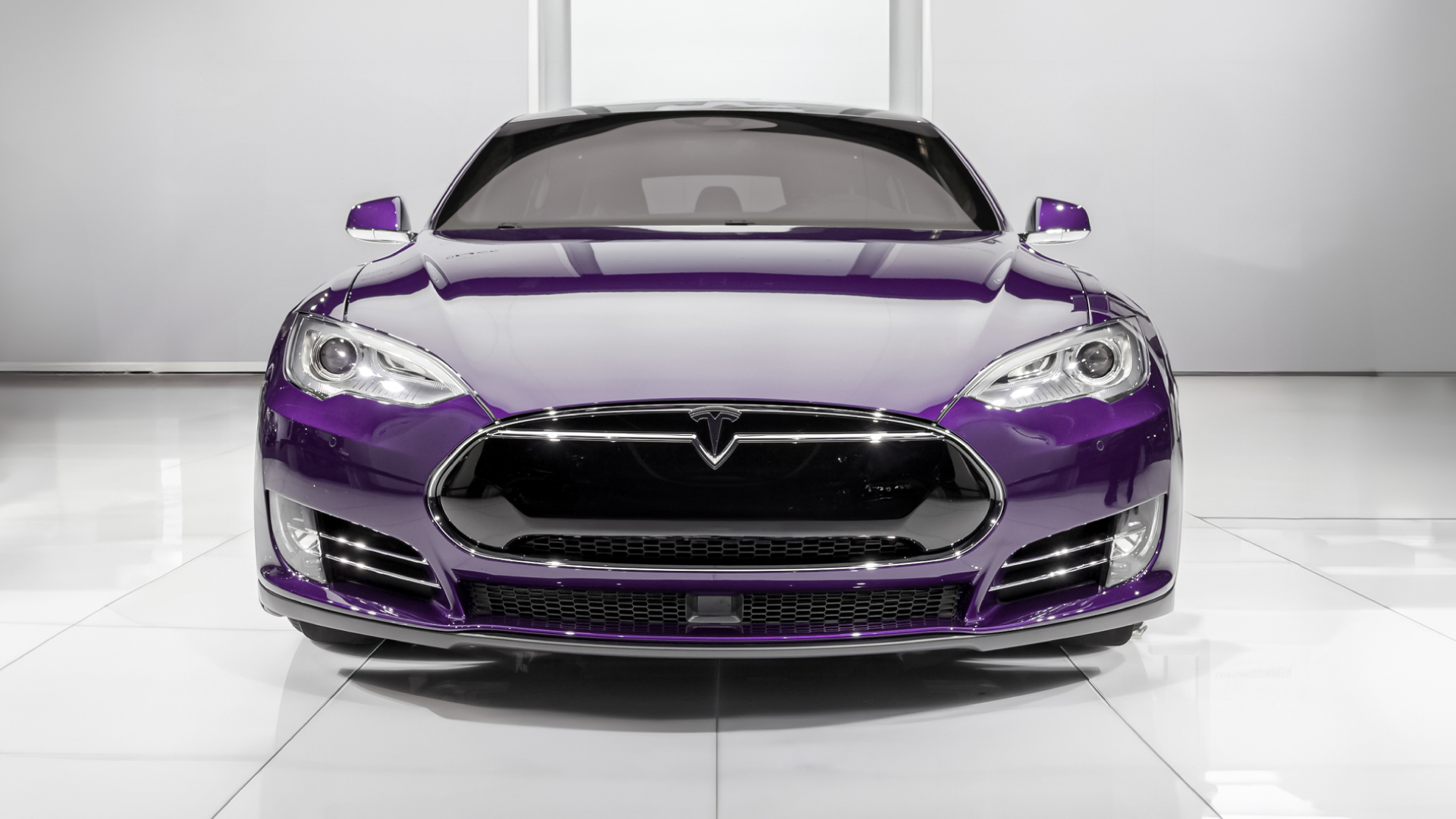
A Tesla spends a lot of time under open sky, and its glazing is a large part of the cabin. Kepler IR and IR+ are nano-ceramic automotive film ranges made for that kind of driving, working on solar heat, glare and ultraviolet light so daily commutes and longer weekend drives stay more comfortable. Ask a local tinter whether they carry Kepler film or can get it.

TeslaTesla
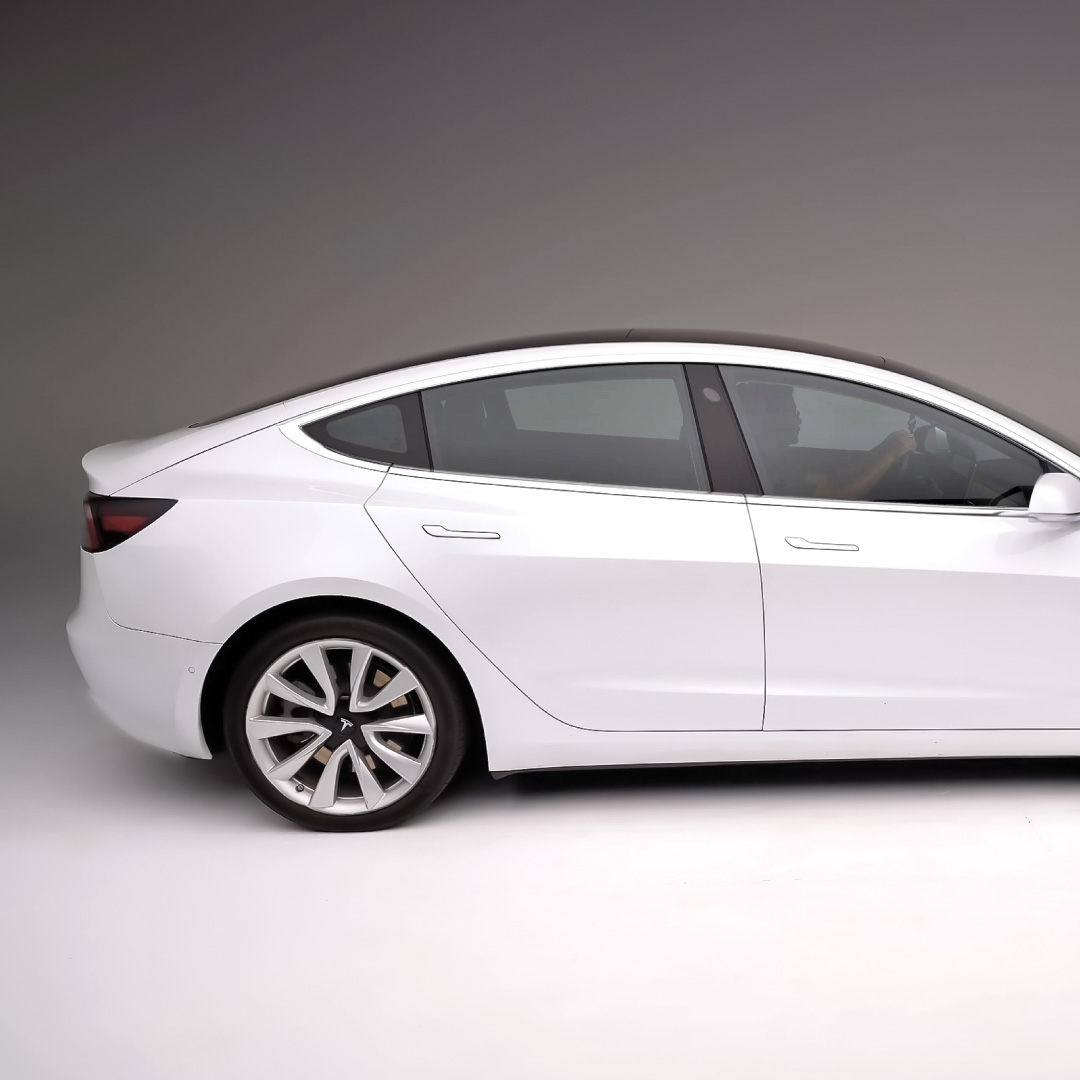
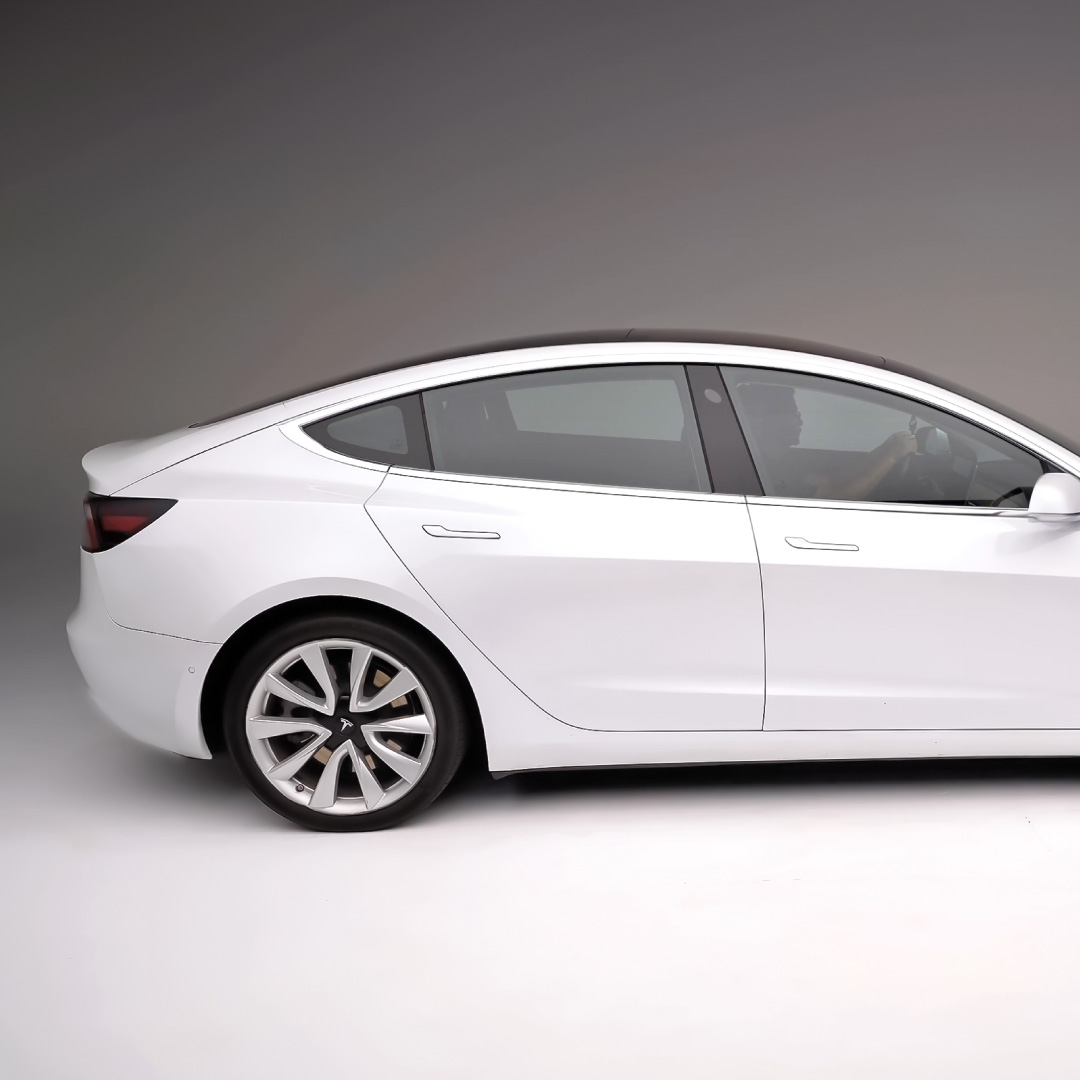
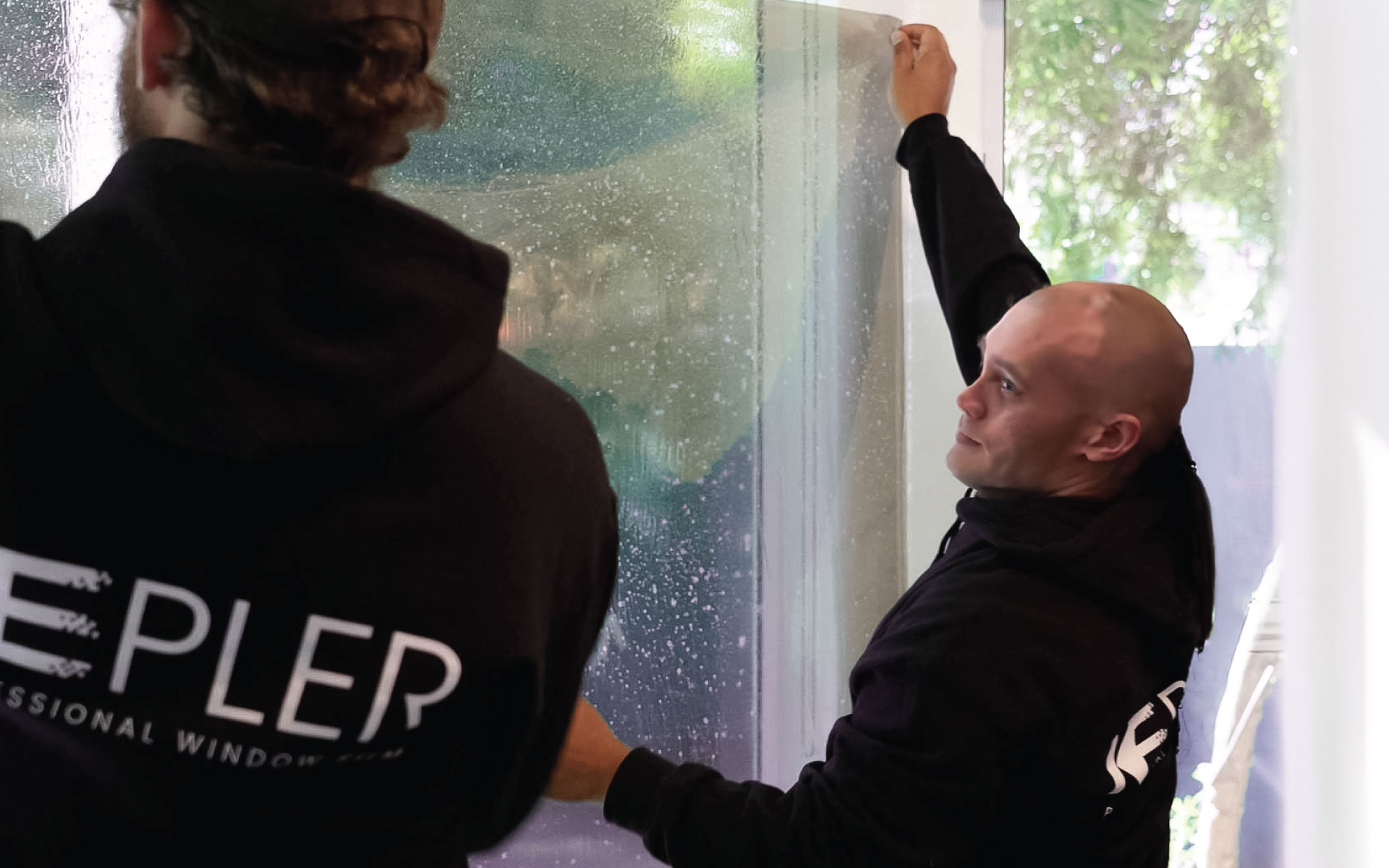
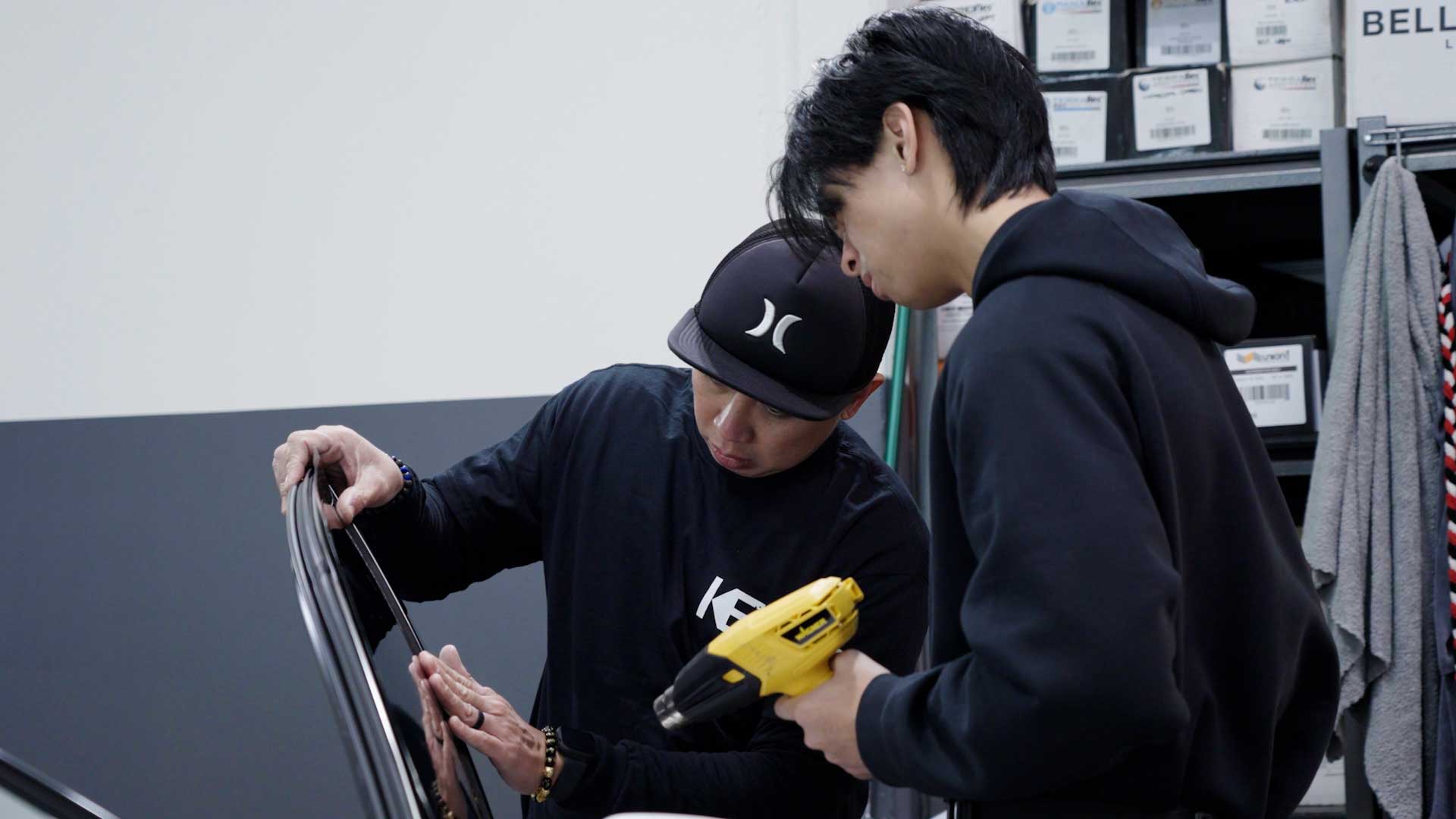
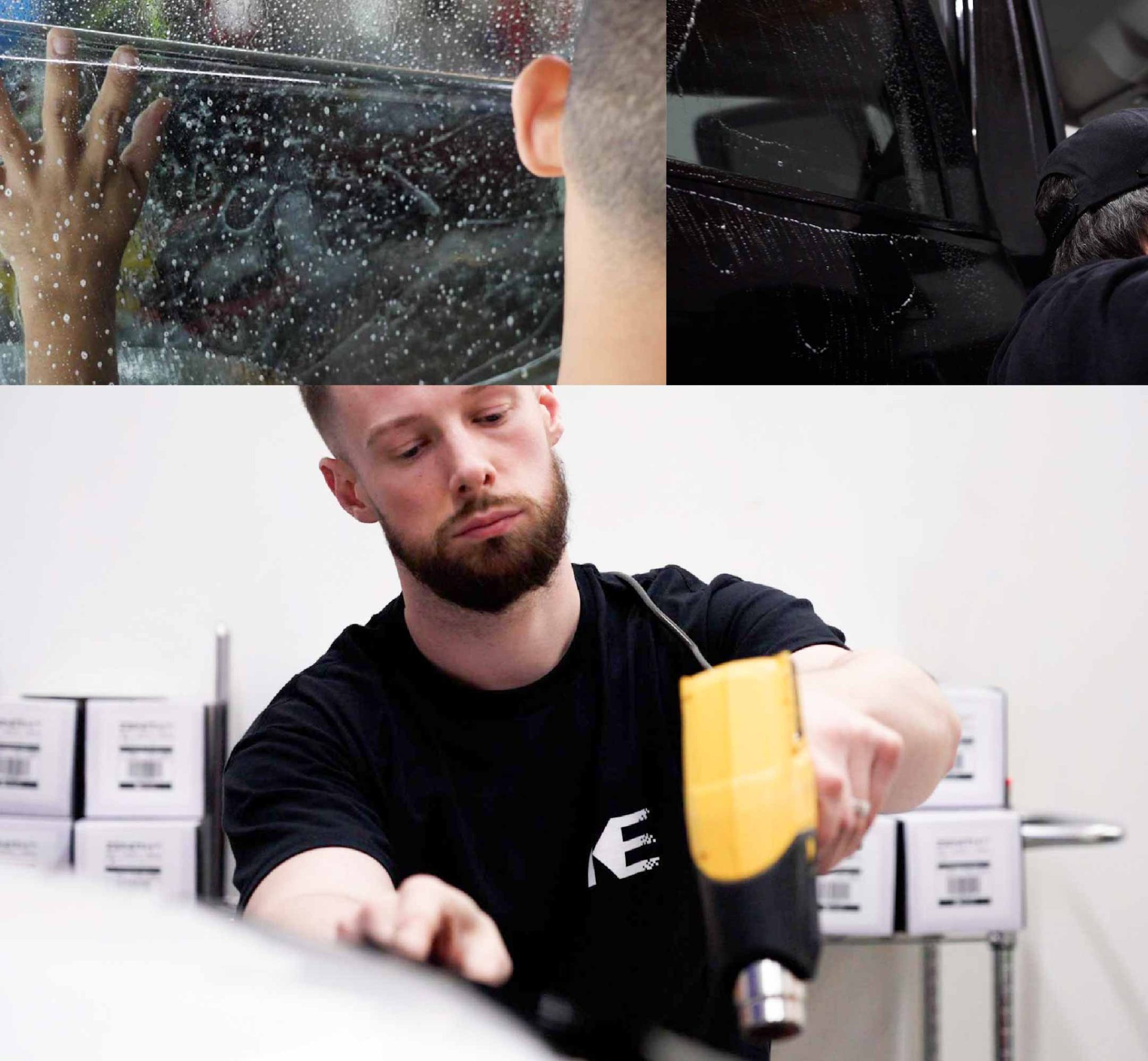
Kepler Technician Applying Ceramic Window Tint to Tesla

Explore the Kepler Tesla Tint Range

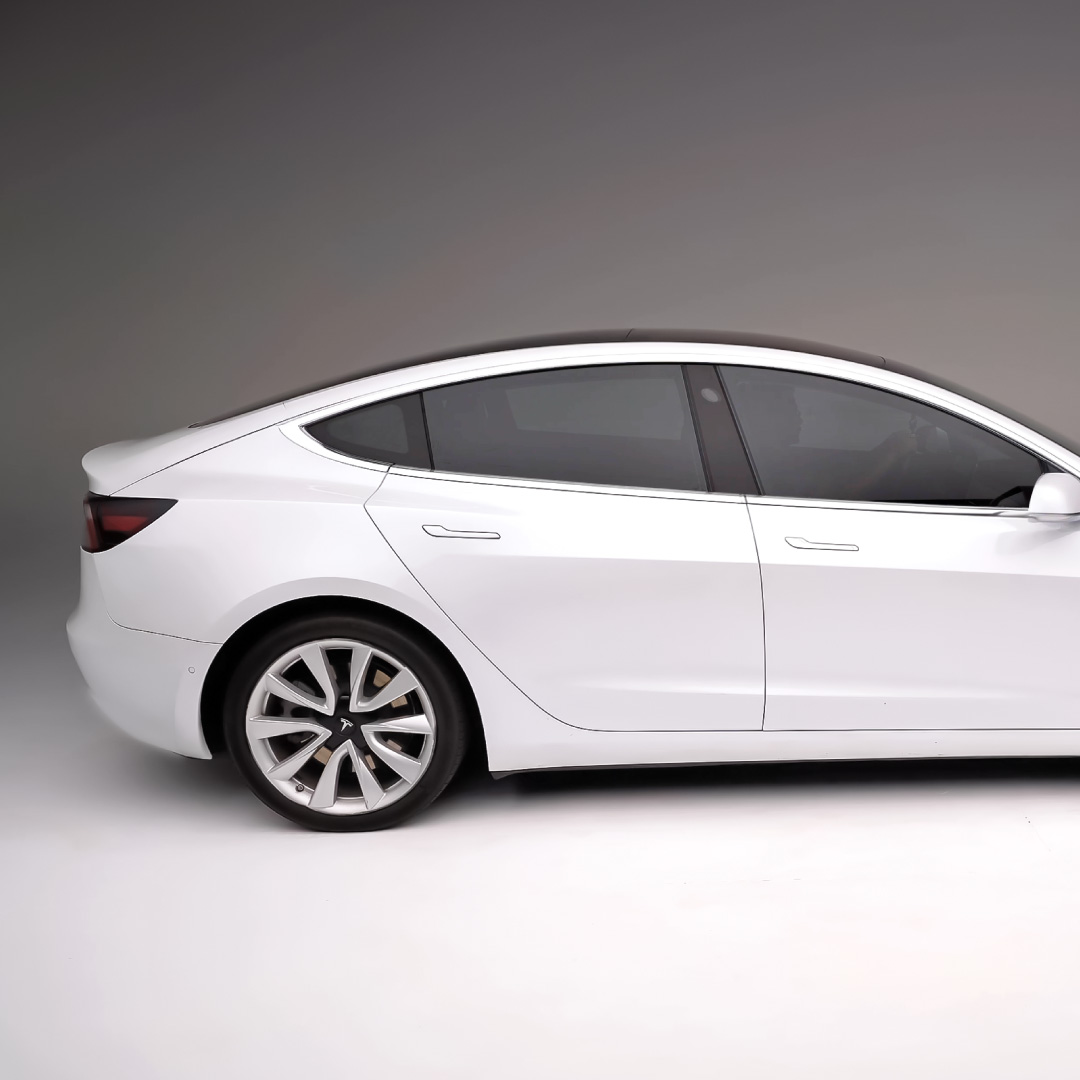
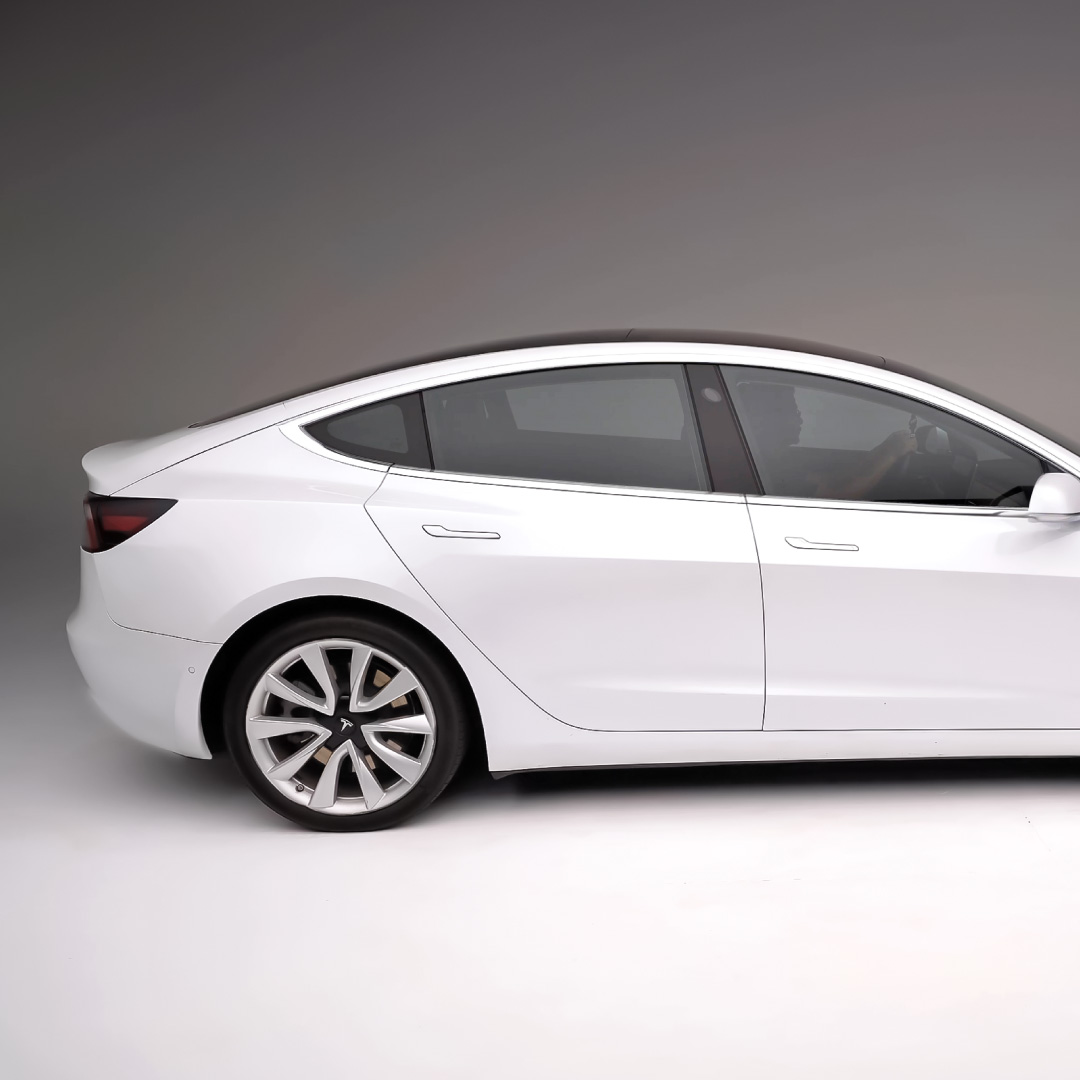
Kepler builds automotive film around nano-ceramic technology rather than dye or metal, so the film can address heat without adding a heavy metallic look. The IR and IR+ ranges are offered in a spread of shades, from near-clear to very dark, and each shade behaves differently in the car. Visible light transmission describes how much light passes through the film; it is separate from solar heat performance, so a lighter film is not automatically a warmer one. When you are weighing up options, compare the exact film and shade rather than shade alone.

Discover our Tesla window tinting choices.

Film from day one

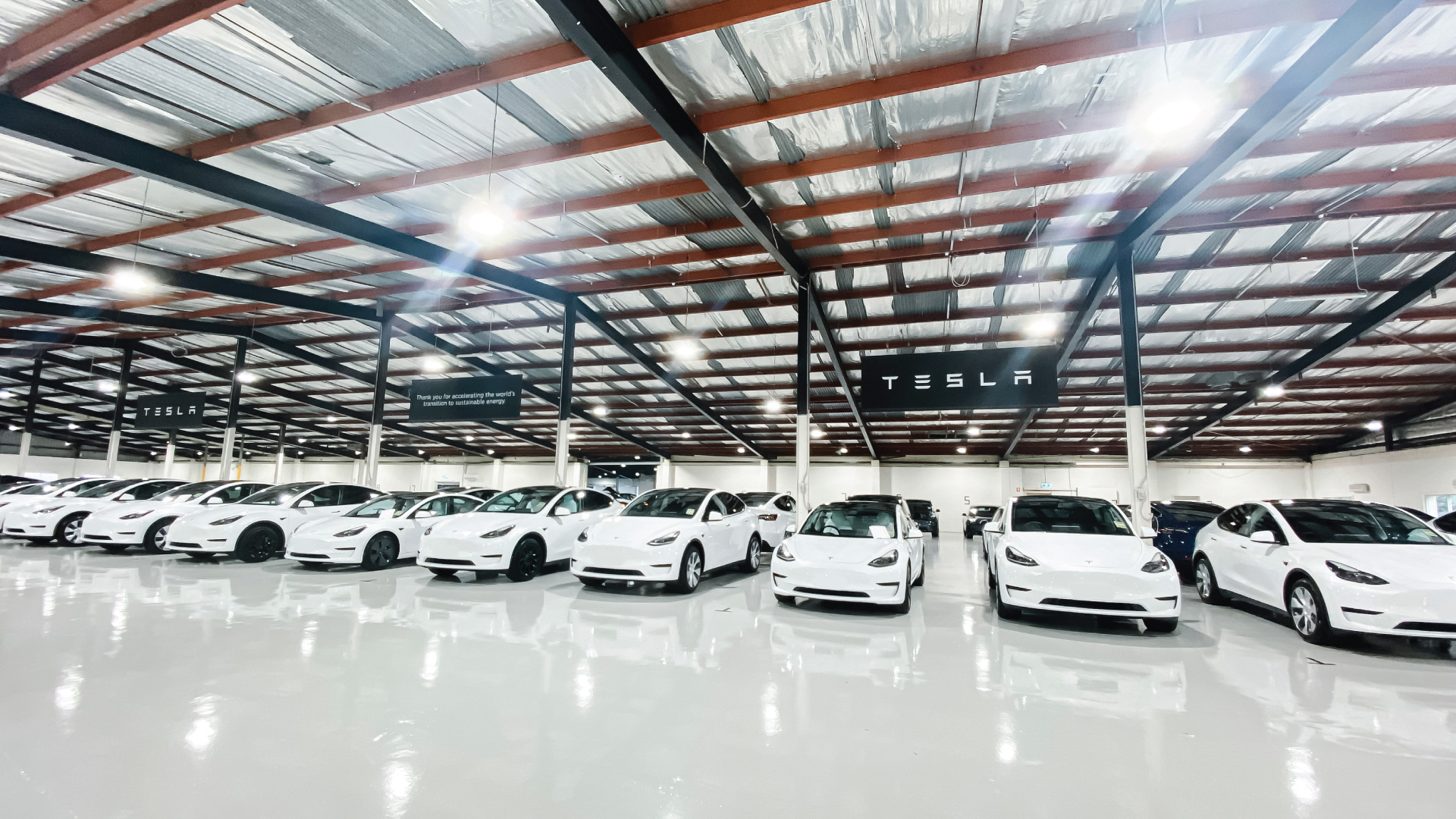
Many owners arrange film early, while the car is still new and the interior has seen little sun. Starting there means the glass is clean, the choice of shade is made before habits set in, and the cabin behaves the way you want it to from the first summer. If your Tesla has already covered a few thousand miles, nothing is lost; the film works the same way, and a dealer can look at the glazing as it stands today.

Straight from the factory

Cabin heat and the air conditioning

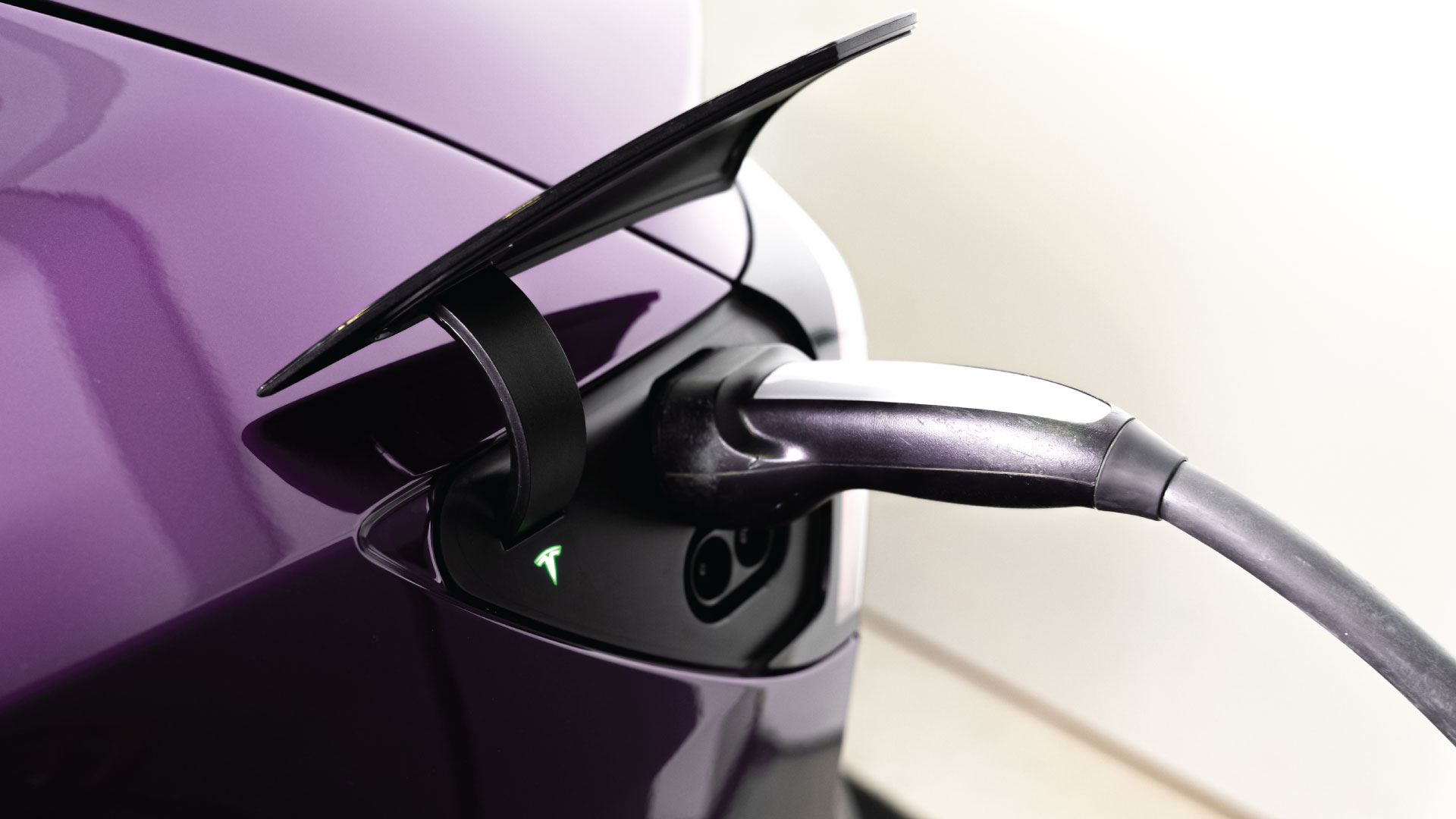
On hot Kansas afternoons, sunlight falling on a large area of glass heats the cabin and the air conditioning has to work harder to bring it back down. Nano-ceramic film addresses part of the solar energy reaching the interior, which is why owners often describe a car that feels less punishing when they get back in and less demanding to cool once they are moving. How much difference you notice depends on the film, the shade, the glazing and the day.

Save up to 1 kWh per hour for air-con

Ease the load on the air conditioning

The less solar heat that reaches the cabin, the less work the climate system has to do to hold a comfortable temperature. That is the practical case for film on an electric car: comfort first, with a lighter cooling load as a welcome side effect on the hottest days.
Comfort that lasts through the day

Film also works on glare and ultraviolet light, which matters on long, bright stretches of road and for the dashboard, screen surround and seats that sit under the sun all afternoon. Together, the reduction in heat, glare and UV is what makes film feel like an everyday improvement rather than a cosmetic one.

Charge less with energy savings

Nano-Ceramic Tesla Window Tinting Technology

Older films leaned on darkness to do the work, so heat control and appearance were tied together. Nano-ceramic construction separates the two. Kepler IR and IR+ films are offered across light and dark shades, so you can pick the look you want and then compare the solar performance of the exact film and shade you are considering, rather than assuming darker always means cooler.

Inside the Film

Nano-ceramic particles do the solar work in these films, rather than dye that can fade or metal that can interfere with signals. That construction is what allows a film to stay optically clear while still addressing heat and ultraviolet light.

Built Around How a Tesla Is Used

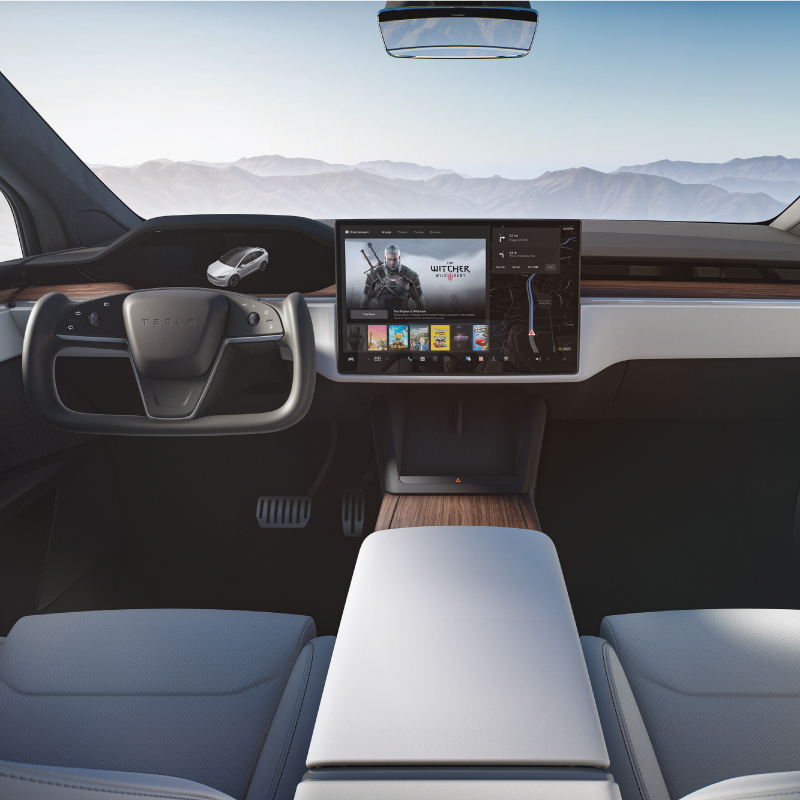
A Tesla is glass-heavy, screen-led and driven with an eye on efficiency, so the film you put on it should be judged on more than shade. Kepler's nano-ceramic films are designed to work on solar heat, glare and UV while keeping the view out of the car clean, and because they contain no metal layer they suit vehicles full of electronics and antennas. Glazing differs by model and year, so the sensible last step is always a conversation with the dealer who will carry out the work.

Automotive window film

Multi-Layer Construction

Kepler film is built as a multi-layer laminate rather than a single tinted sheet, with each layer doing a specific job, from the adhesive that meets the glass to the hard coat that faces the cabin.

1Glass
2Ultra Bond Adhesive
3UV Absorber
4Tinted Film
5Laminating Adhesive
6Nano-Ceramic (IR) Layer
7Scratch Resistant Coating

Compare the specifications properly

Solar performance figures belong to a specific film in a specific shade, so read them that way. Ask for the data on the exact product you are considering, look at heat, glare and UV separately, and remember that visible light transmission tells you about light, not about heat.

Up to

98%

IR Heat Reduction

Up to

99%

UV Protection

Up to

96%

Glare Reduction

Review

Warranty terms

Find Kepler Film Near You

Ask a local tinter whether they carry Kepler film or can get it.

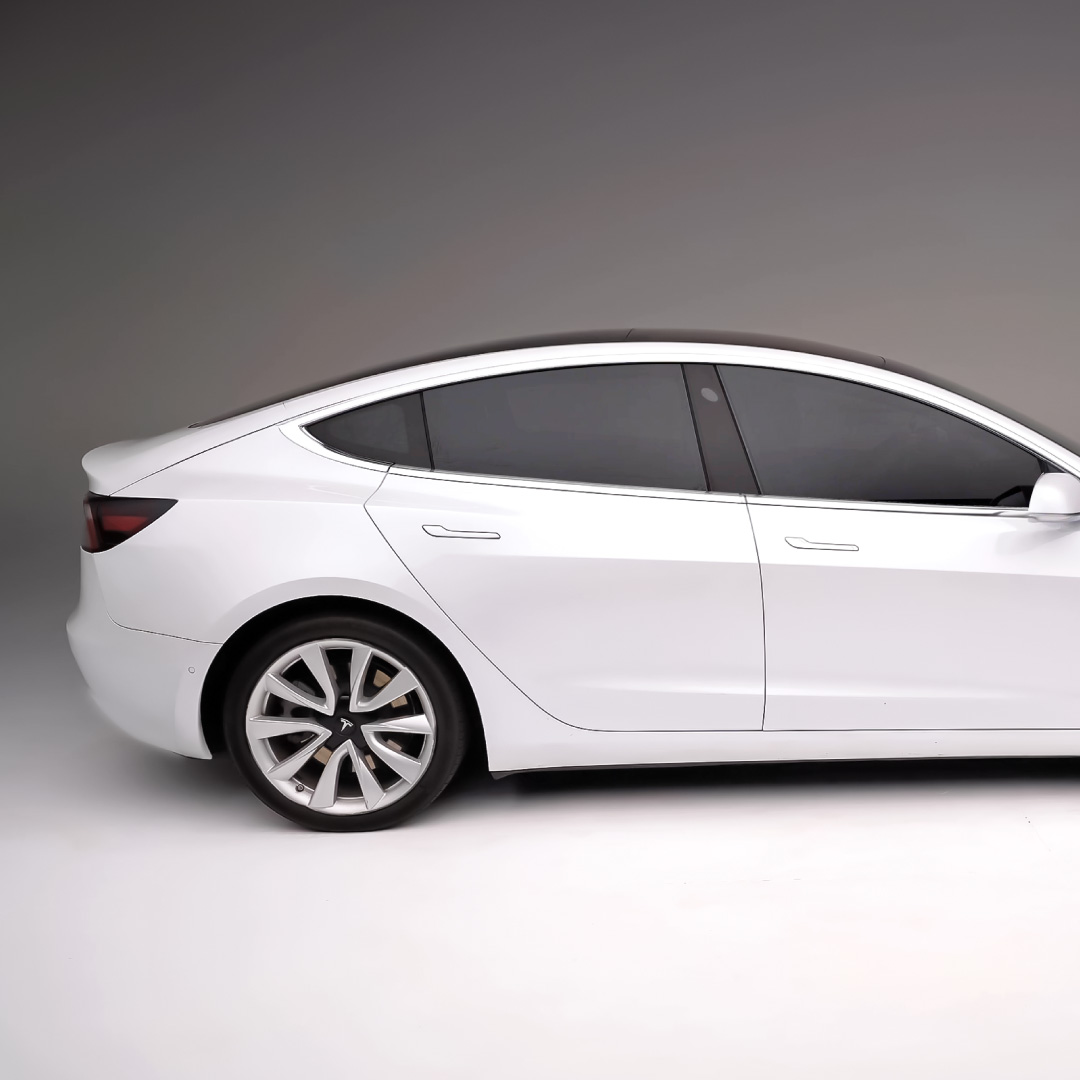
Nebula 04% Tesla background

Nebula 04%

Nebula is our darkest film, chosen for a strong private look and a deep, even finish across the glass.

Nebula 04% Tesla detail

So what's next?

Once you have a shade in mind, the next step is a conversation with a dealer about your particular Tesla.

Why Tesla Owners Choose Kepler Film

Kepler, Tesla Window Tinting Kansas

Tell us about your Tesla and the shade you have in mind, and ask a local tinter whether they carry Kepler film or can get it.
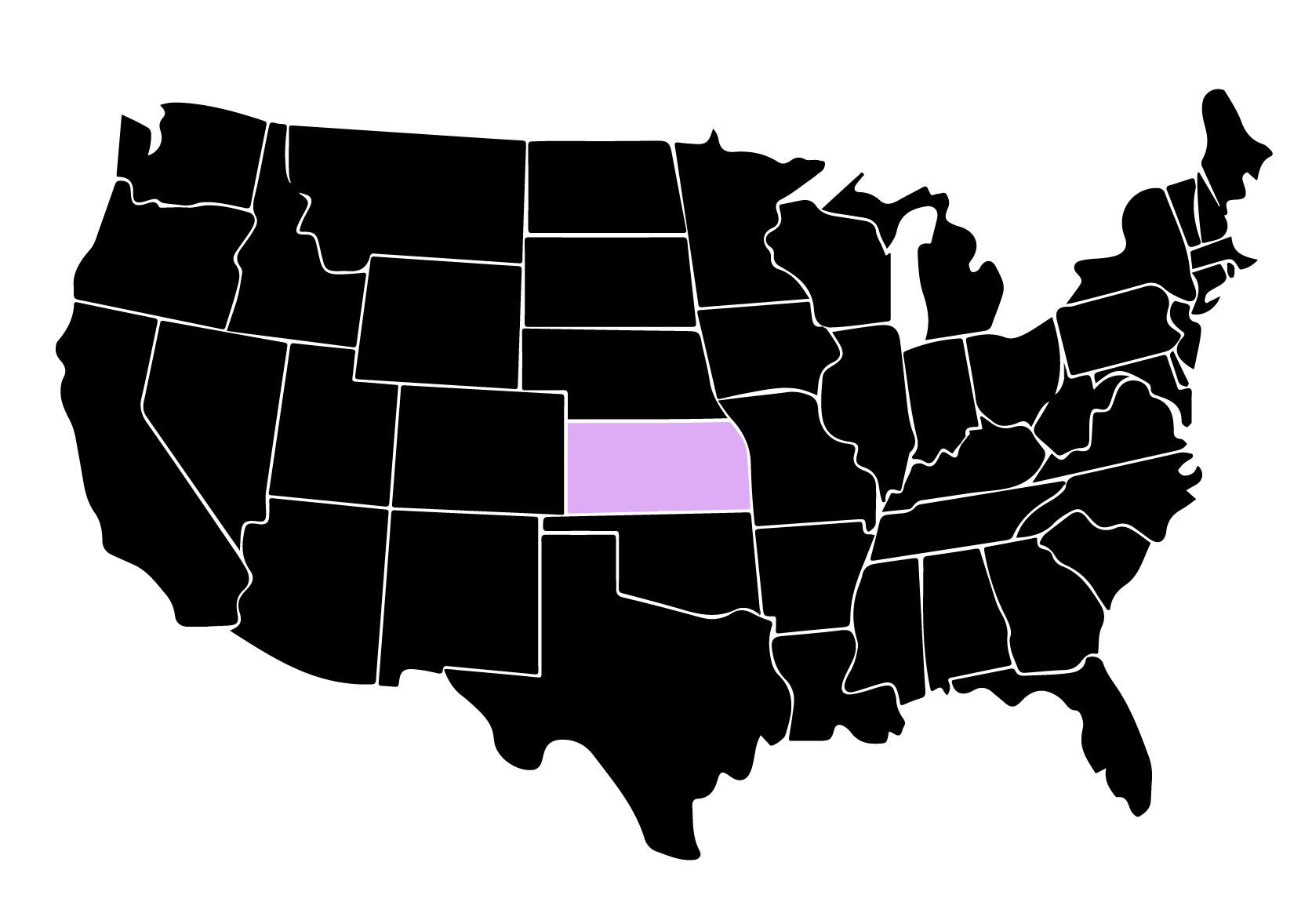
Kansas, United States
Follow Us

Tesla window tinting questions, answered

Kansas Tesla Window Tinting By Kepler

A Tesla puts a lot of glass between you and a bright Kansas sky, which is exactly where good film earns its place. Kepler IR and IR+ nano-ceramic ranges are built to work on solar heat, glare and ultraviolet light across shades from near-clear to very dark, so you can settle the appearance you want and then compare the performance of the specific film behind it. Kepler supplies the film; an independent dealer takes your enquiry, looks at your car's glazing and handles the work directly. Choose a shade, send an enquiry, and start the conversation.