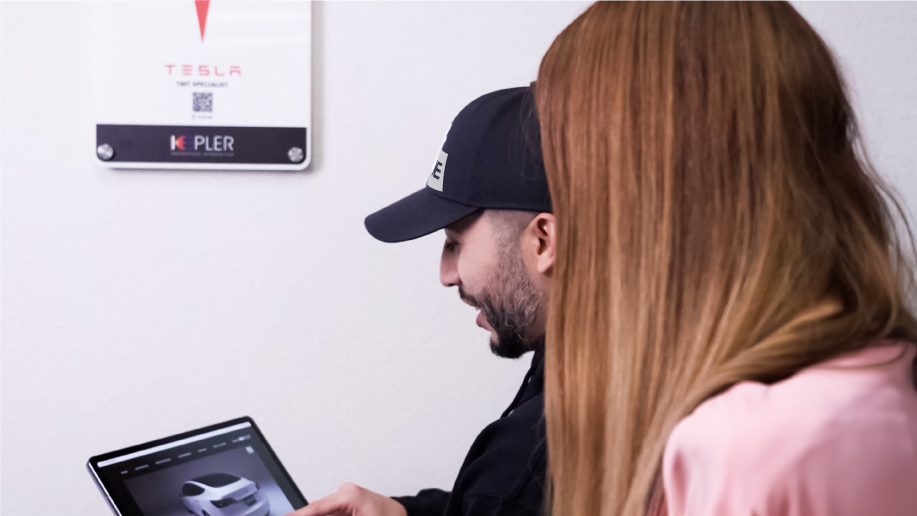
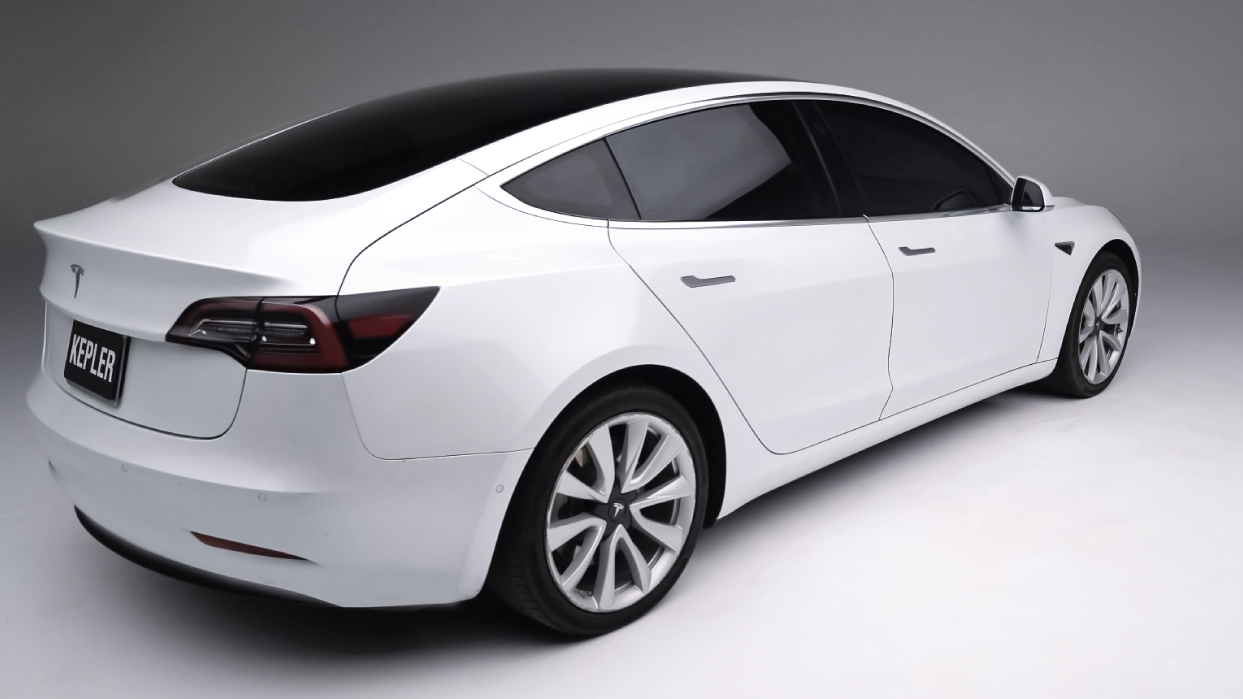
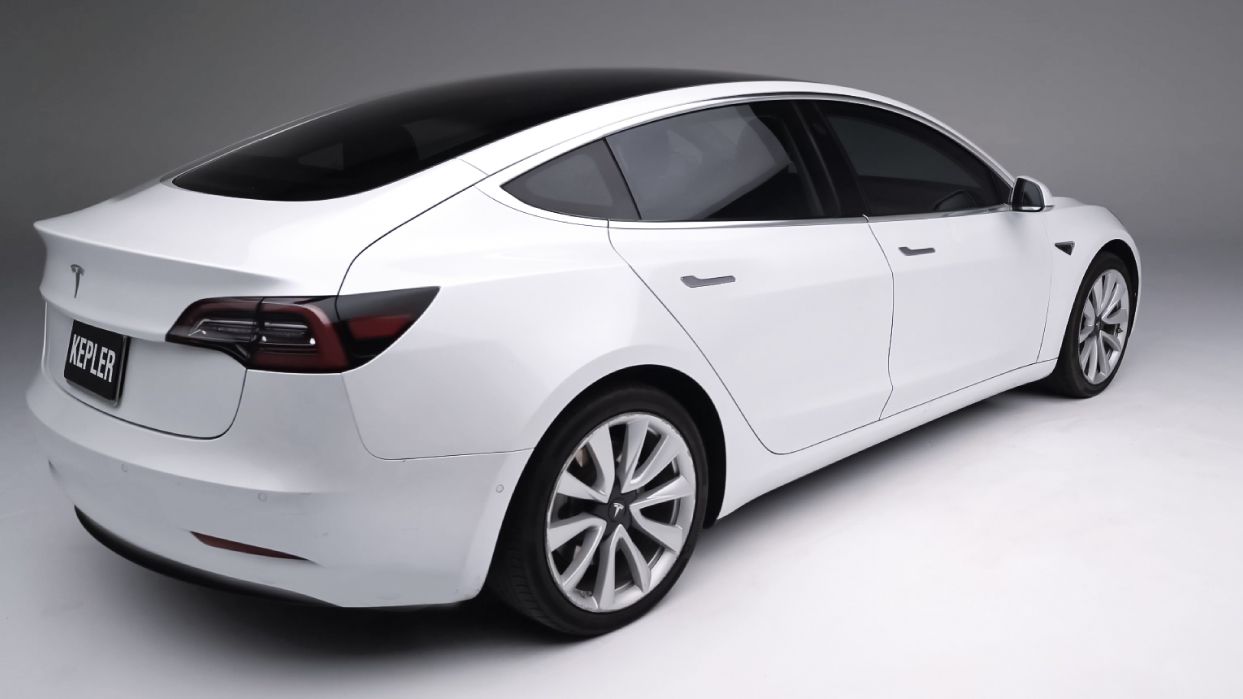
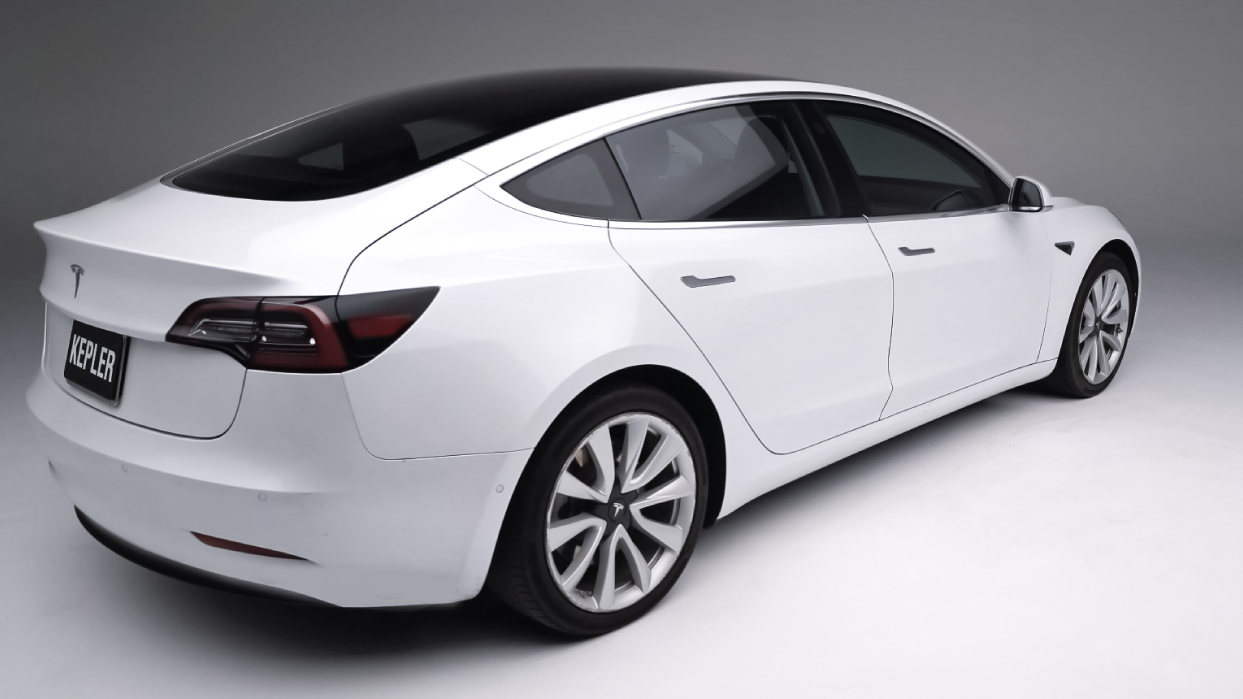
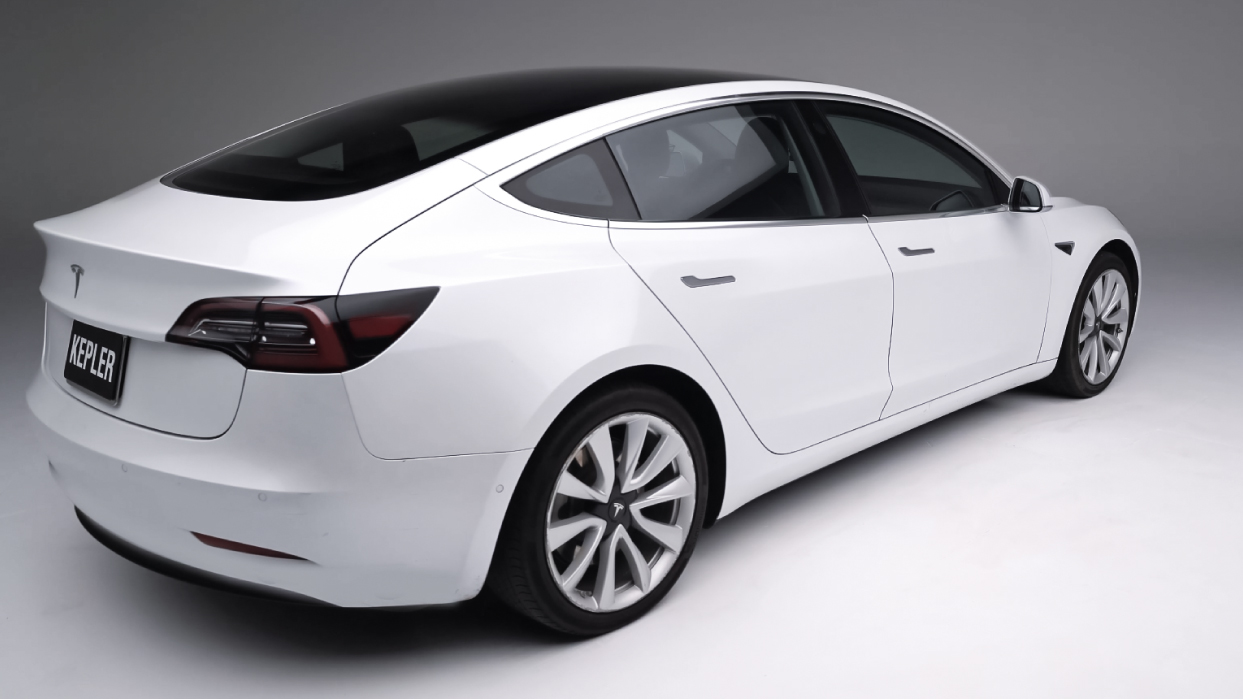
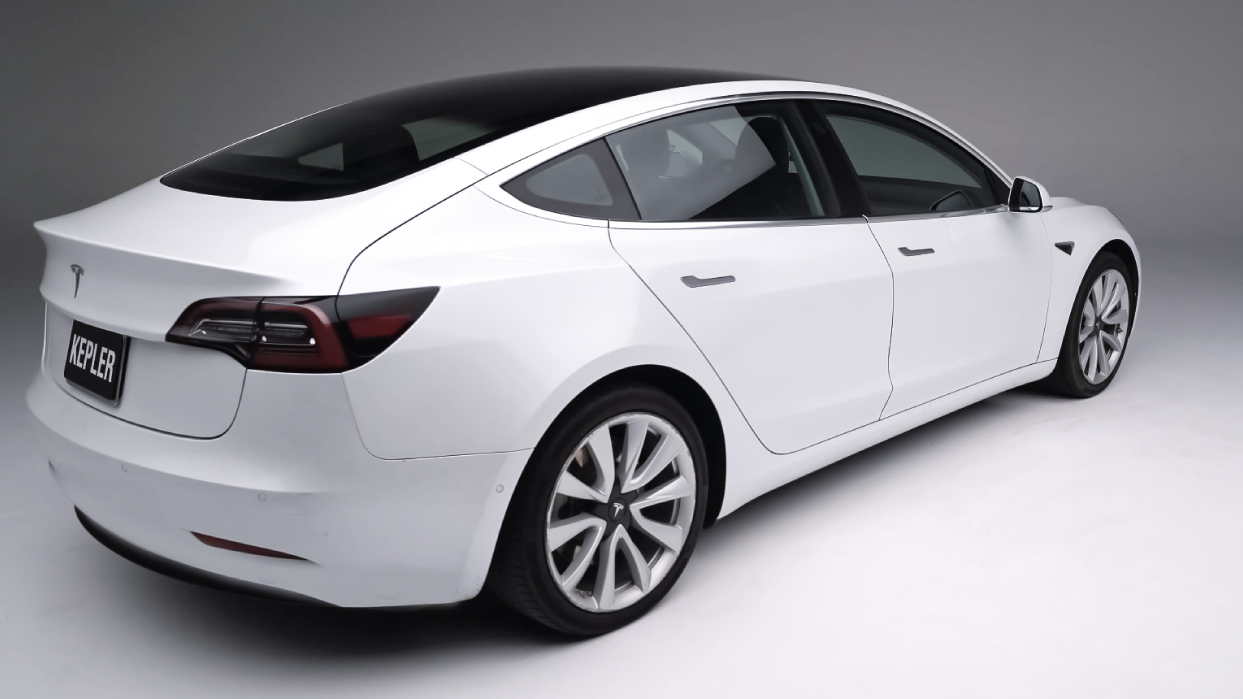
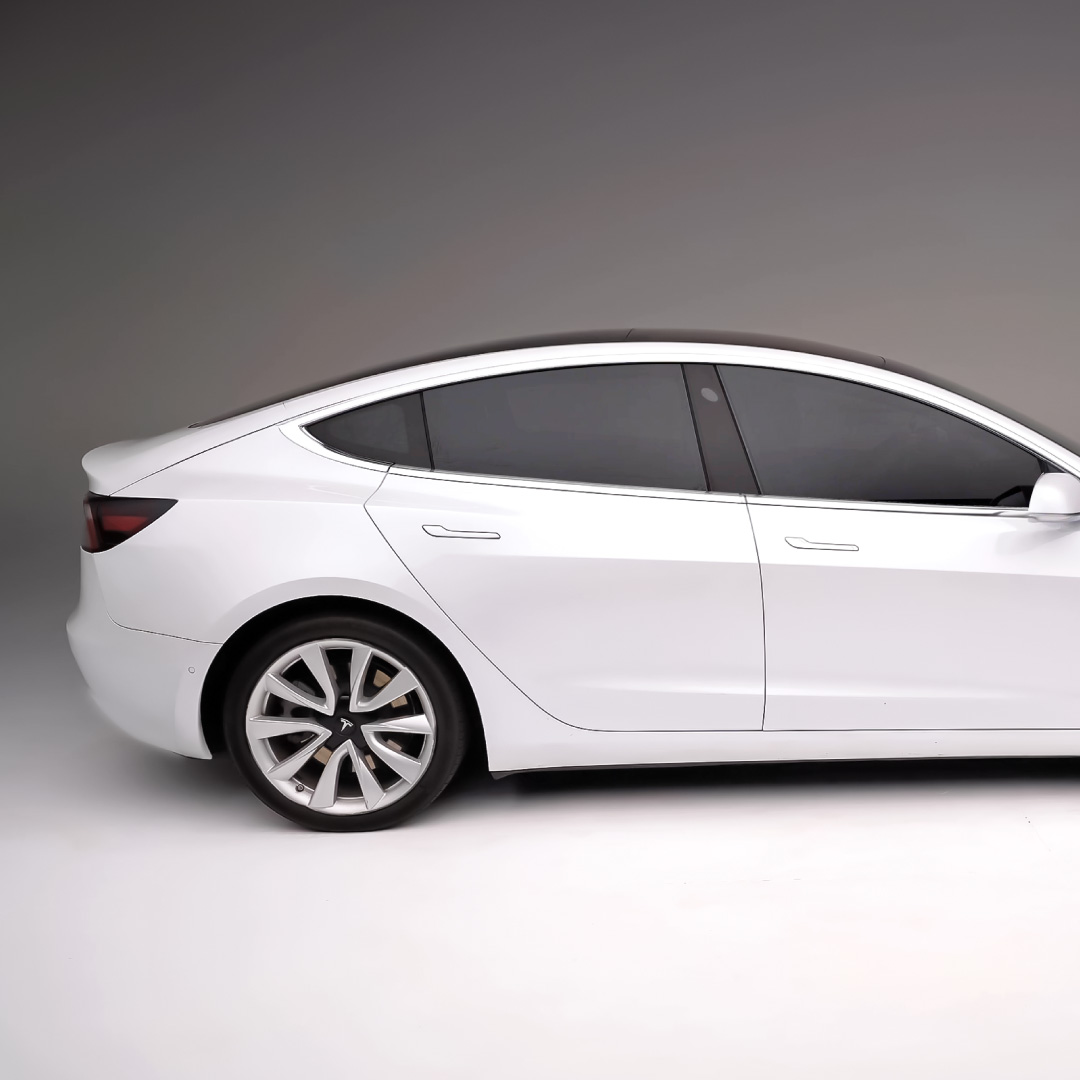
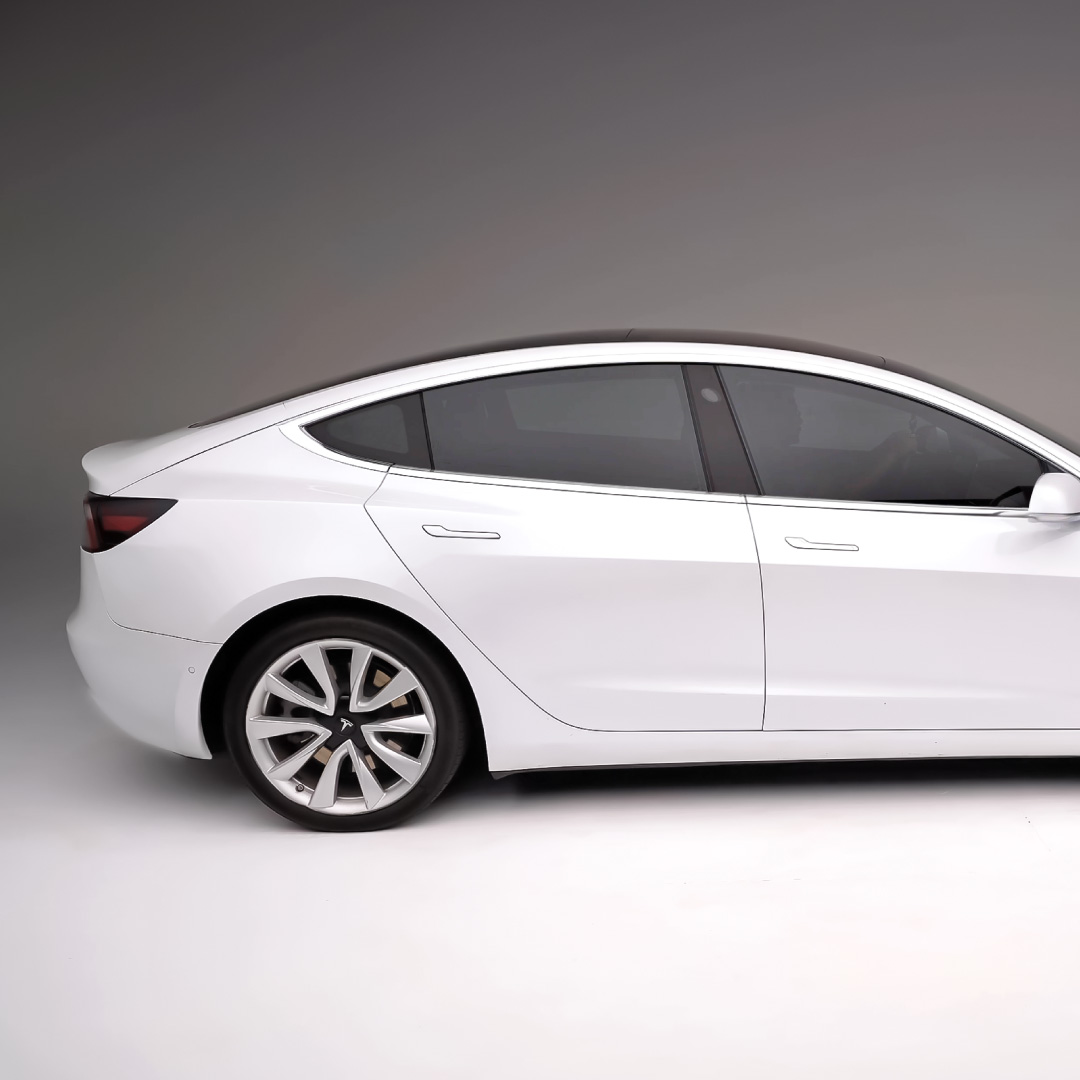
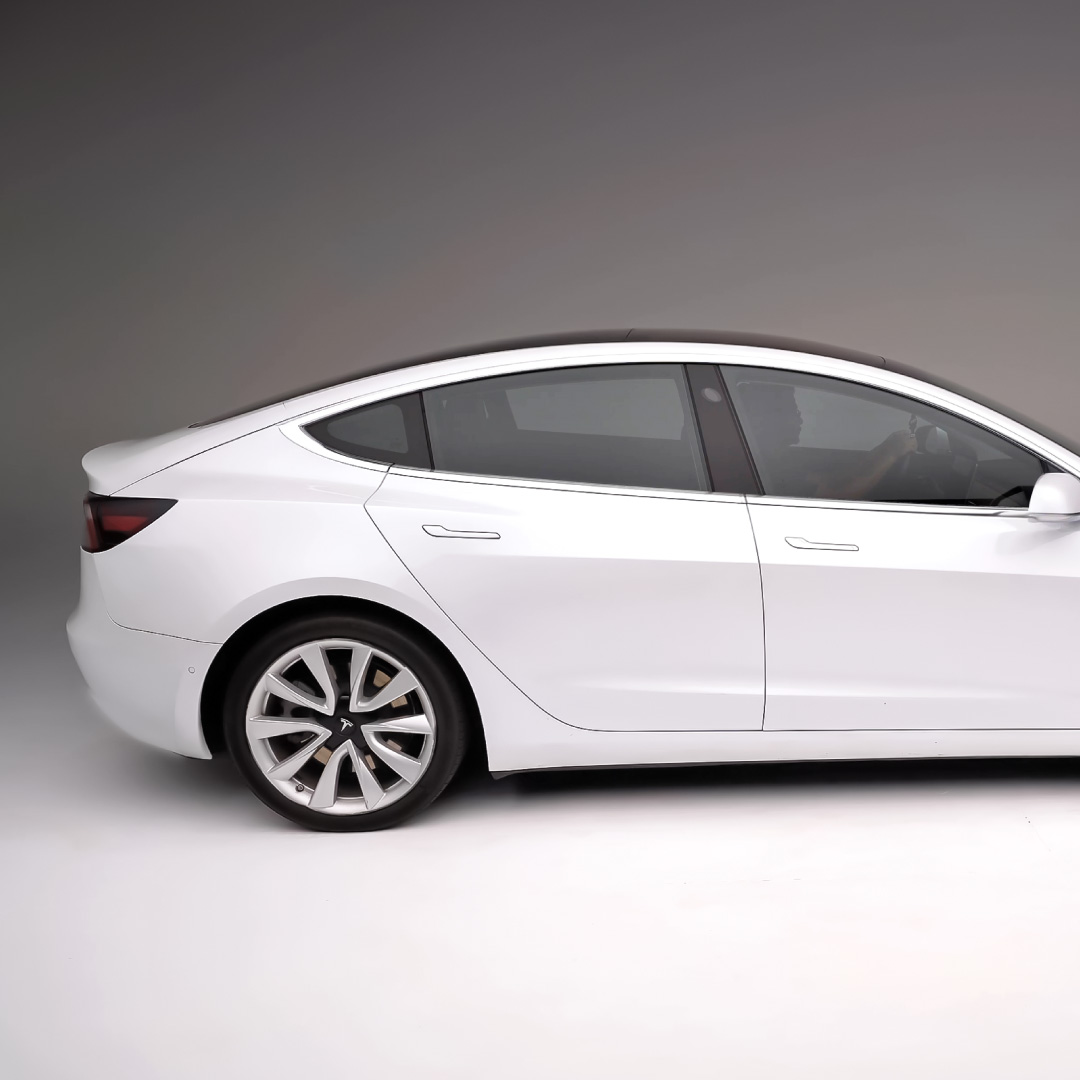
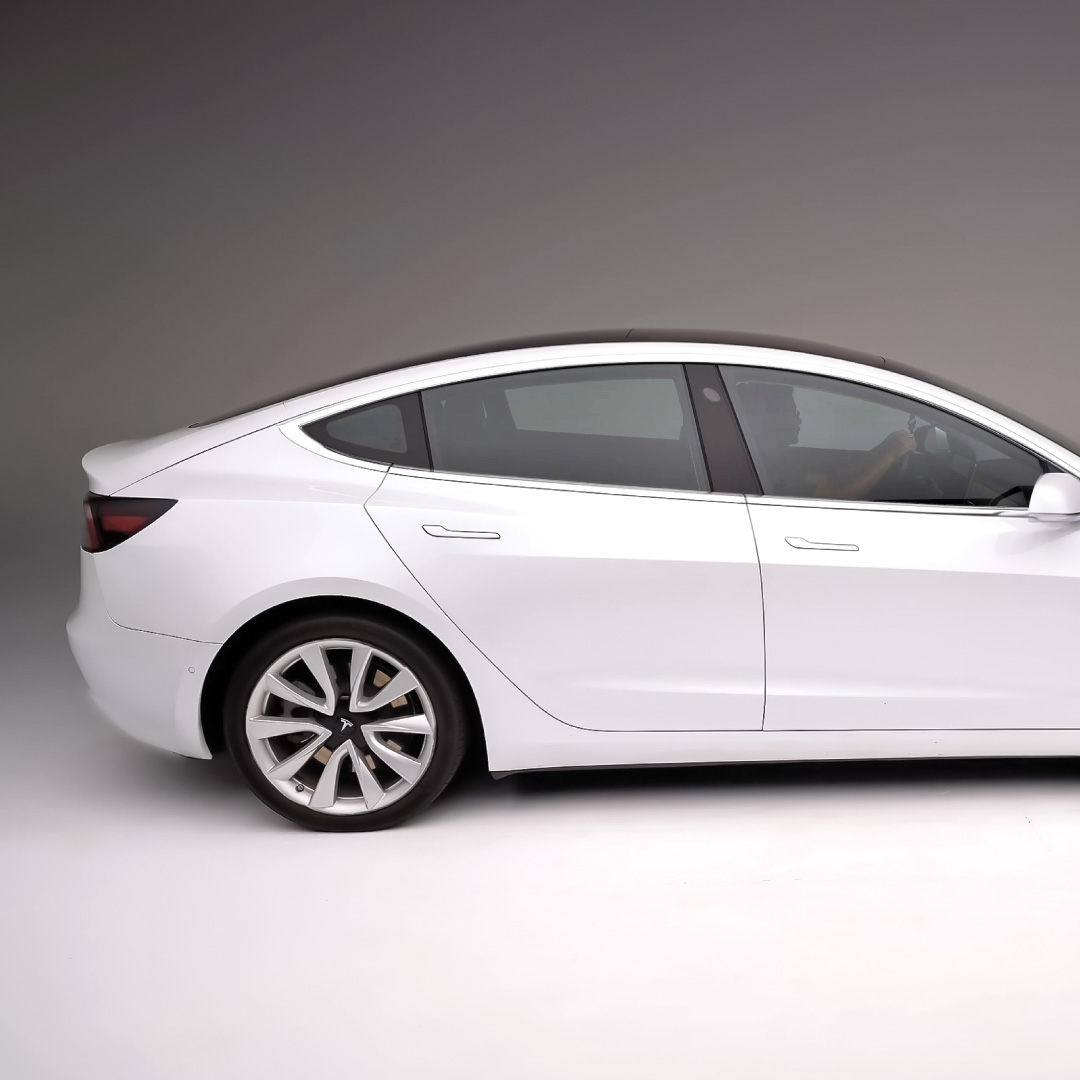
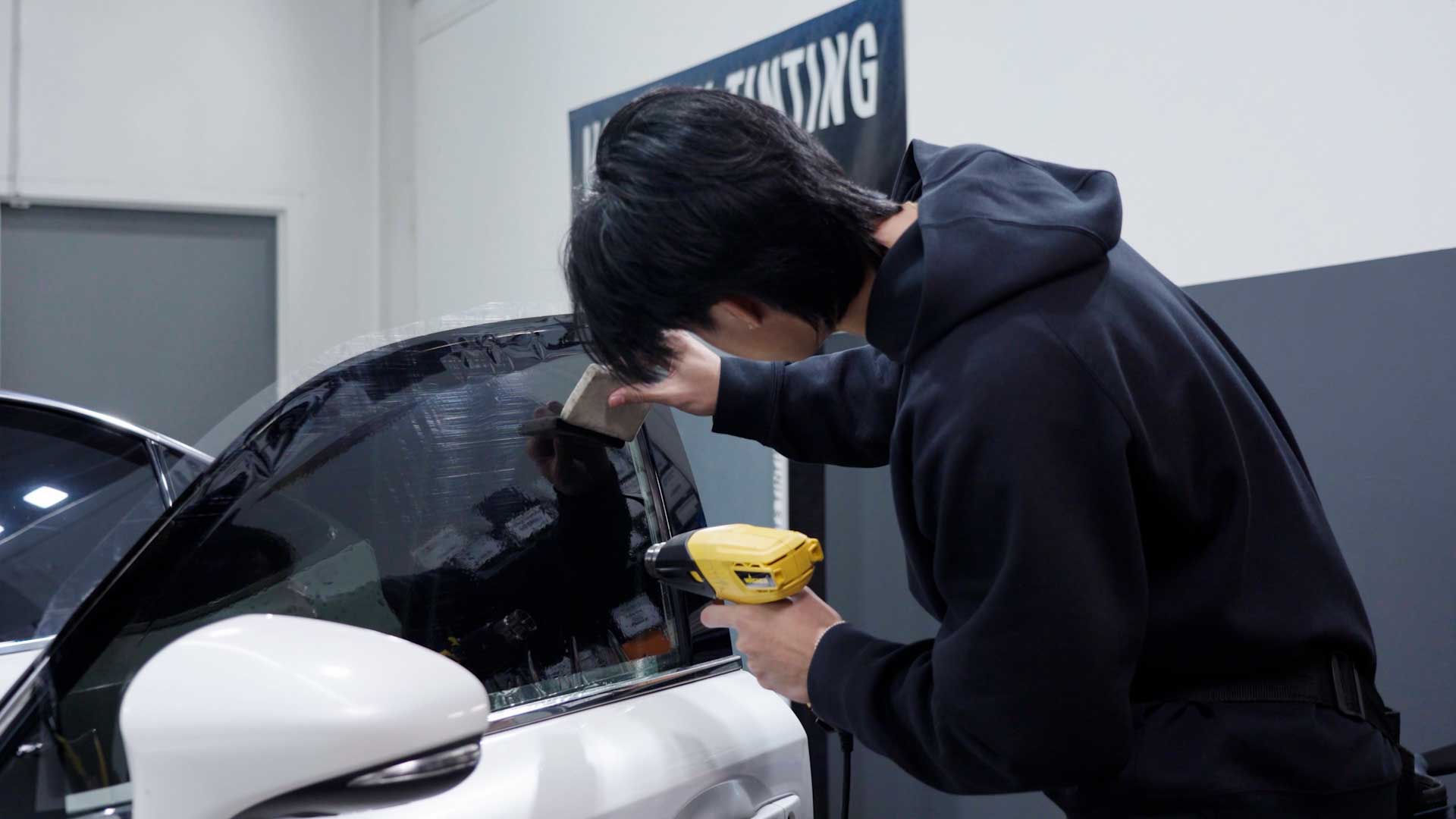
Sunlight reaching your Tesla's glass arrives as visible light, ultraviolet and infrared. The part you feel most on a hot day is infrared, and because it is invisible you cannot judge it by how dark a film looks. That is the point of a nano-ceramic film: the ceramic layer is there to address infrared heat, so the film works on cabin comfort across the shade range rather than depending on darkness alone. It also filters UV, which helps protect trim and upholstery from sun damage over time. This is why visible light transmission and heat performance are quoted separately, and why two films that look similar on the glass can behave quite differently in the sun. When you are comparing, look at the figures for the exact film and shade rather than assuming a darker film is always the cooler one. A Kepler dealer can walk you through those numbers for the specific film you are considering and how it applies to your model's glazing.
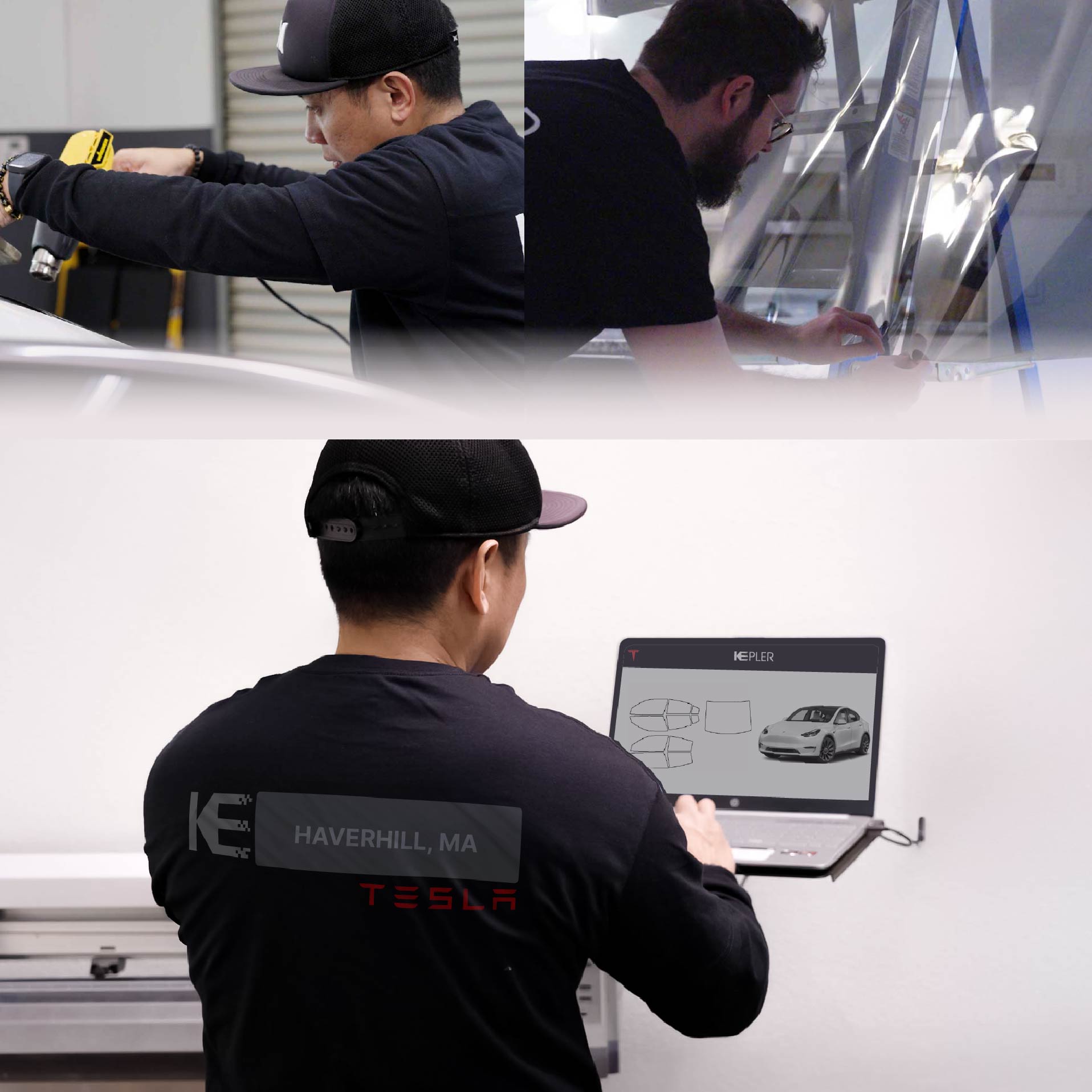
Tesla owners in Haverhill: did you know we specialize in Tesla window tinting?