Kepler logoTexas

Tesla Window Tinting in Texas

Explore Texas

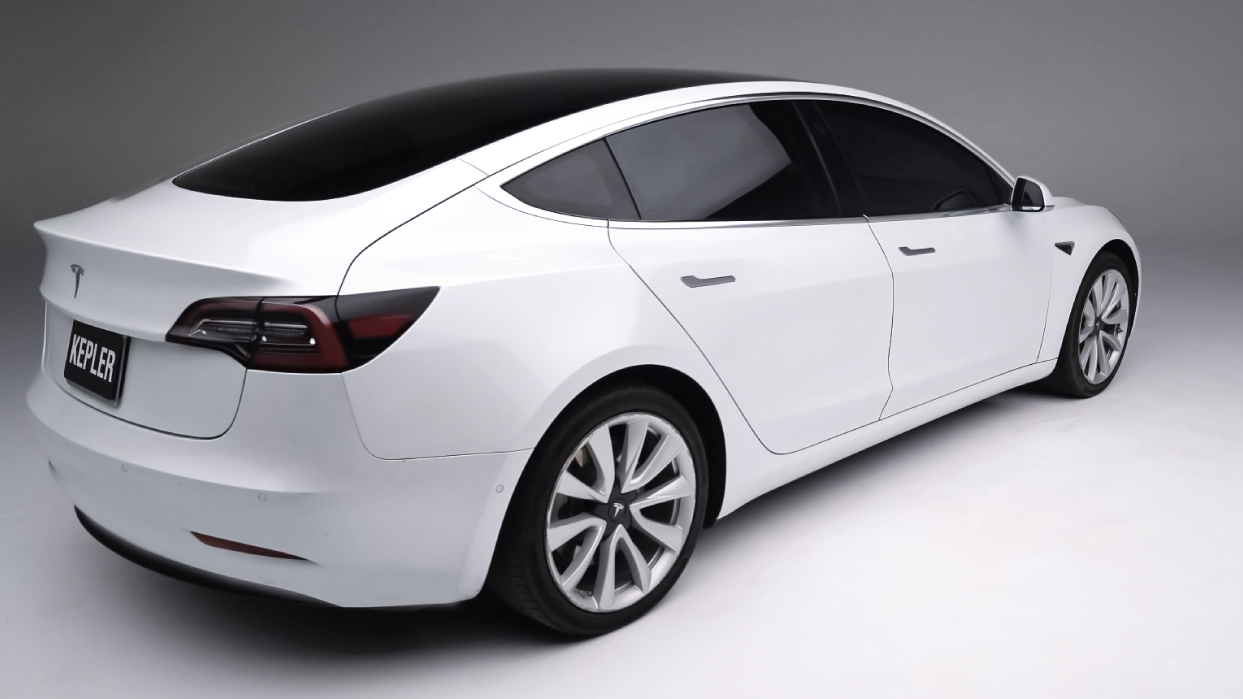
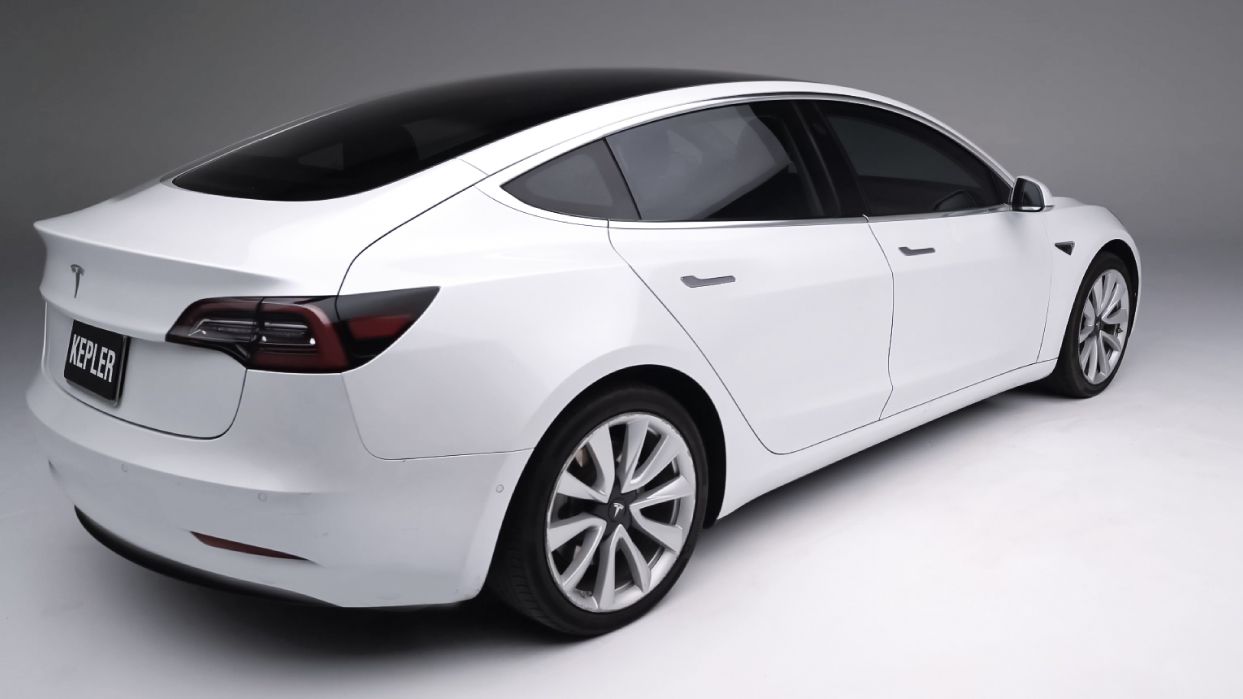
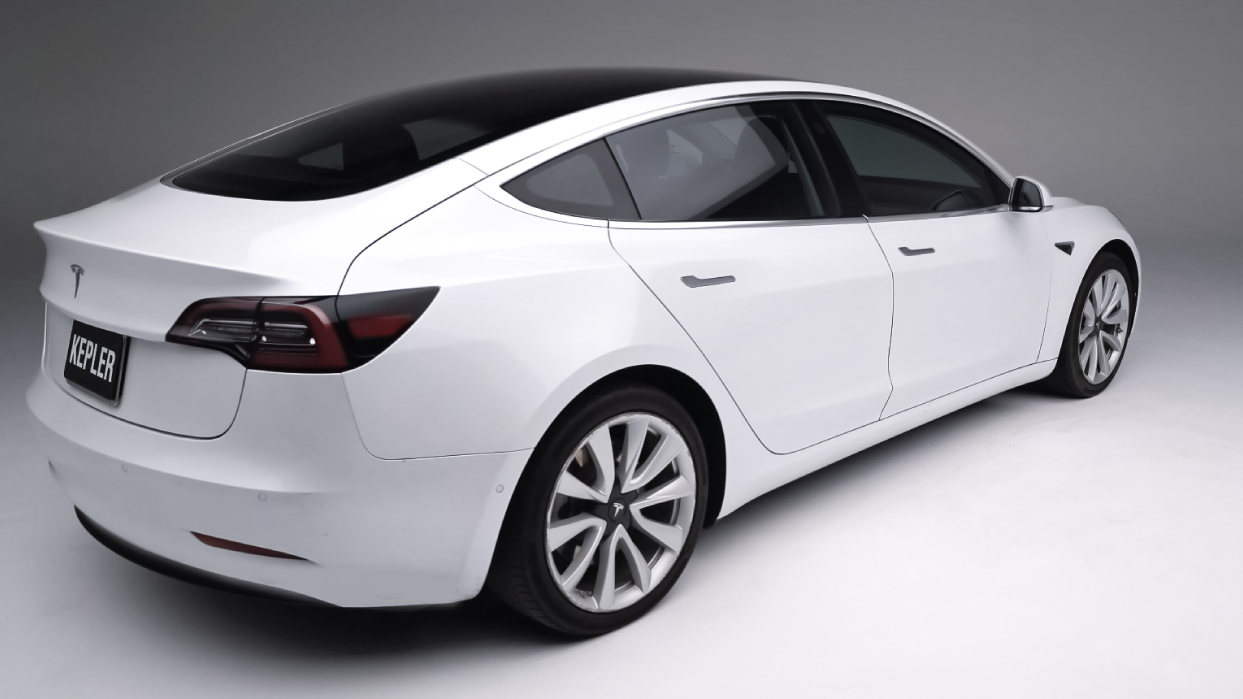
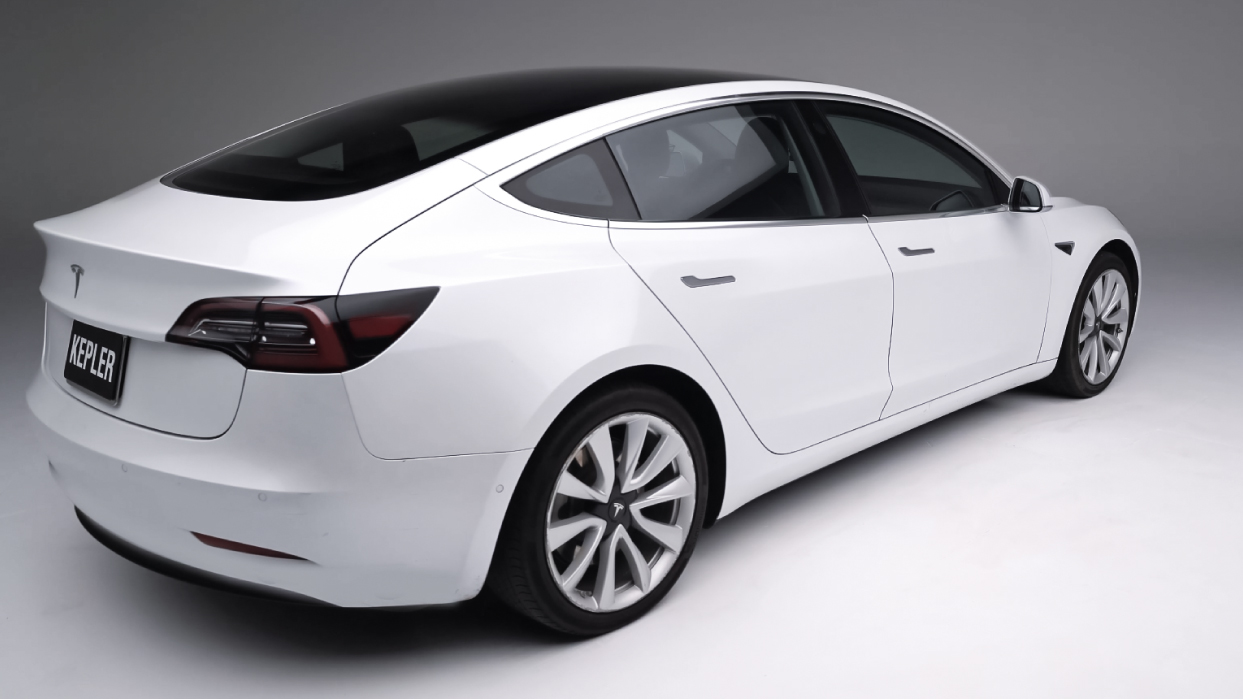
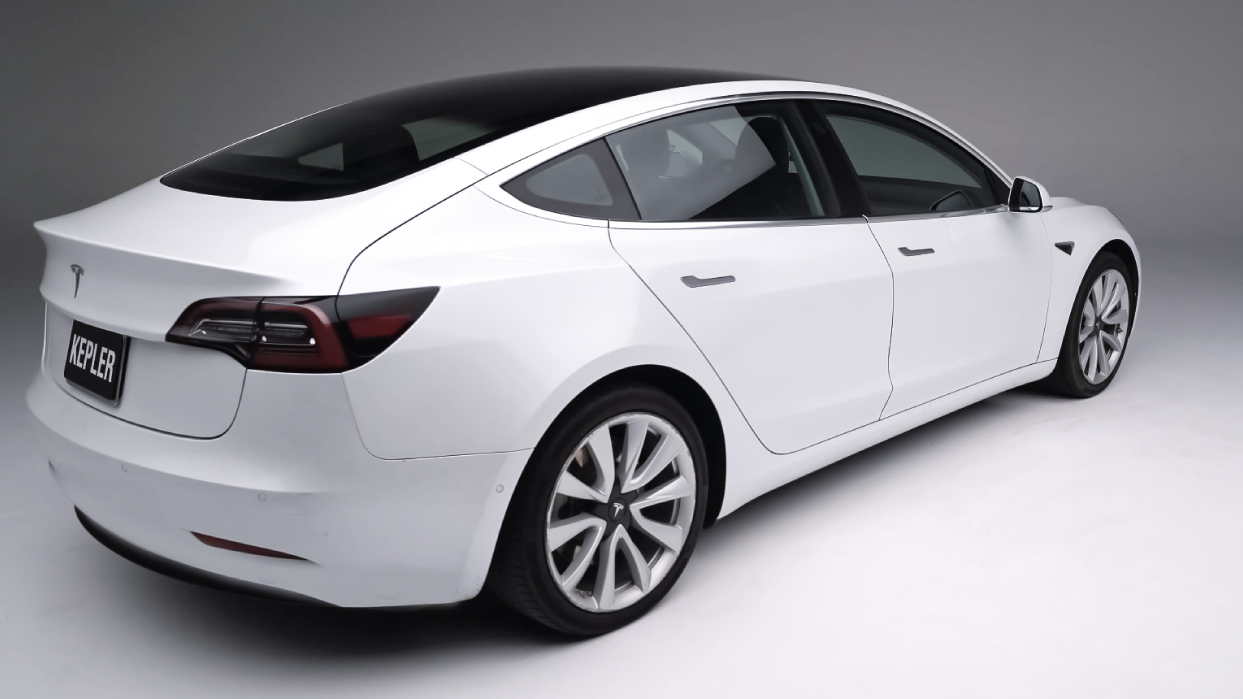
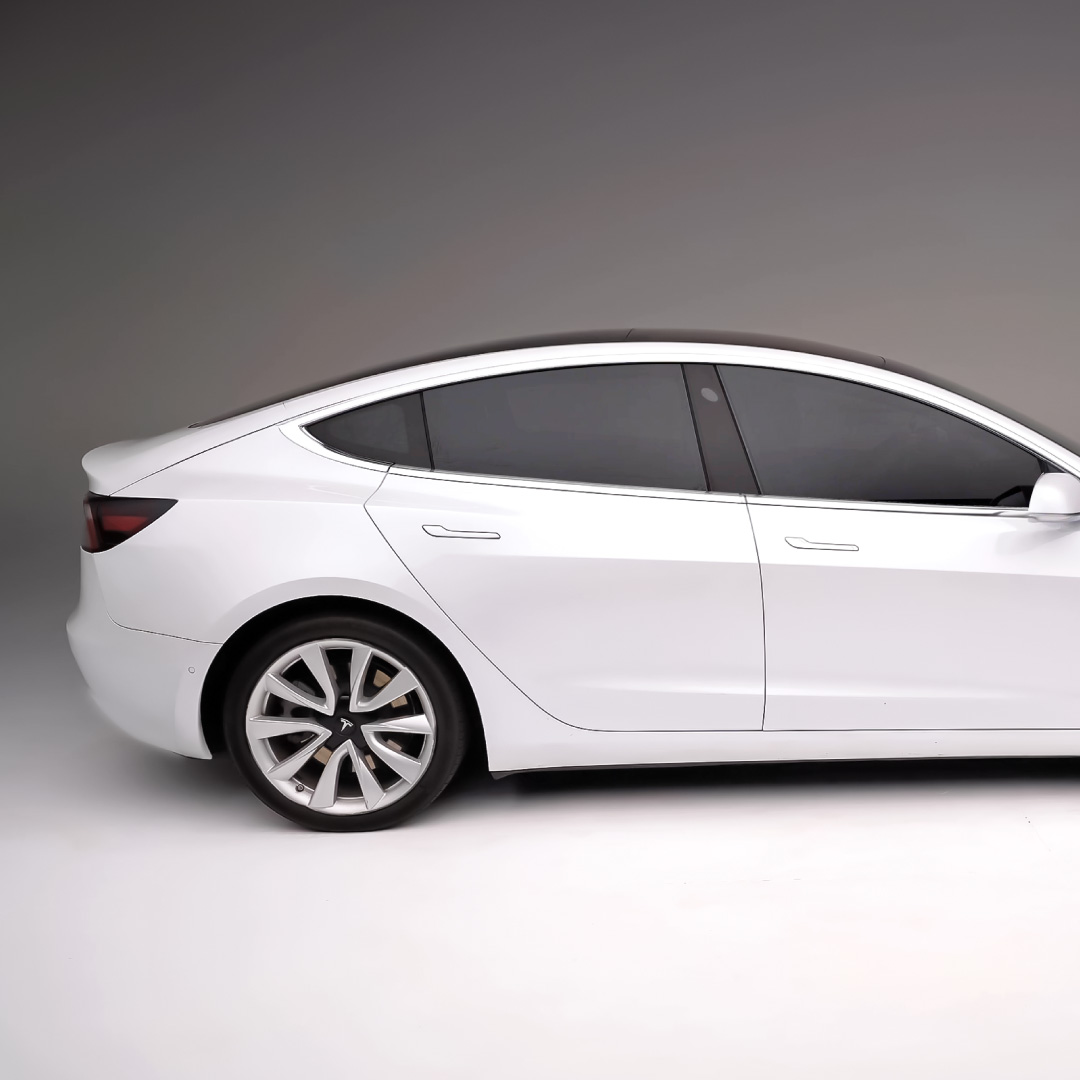
Tesla Window Tint Built for Texas Heat

Kepler’s nano-ceramic film takes the heat and the glare out of the Texas sun, without giving your Tesla a mirrored look. Two ranges and five shades cover everything from near-clear to near-black, and an independent Kepler dealer fits whichever you choose.

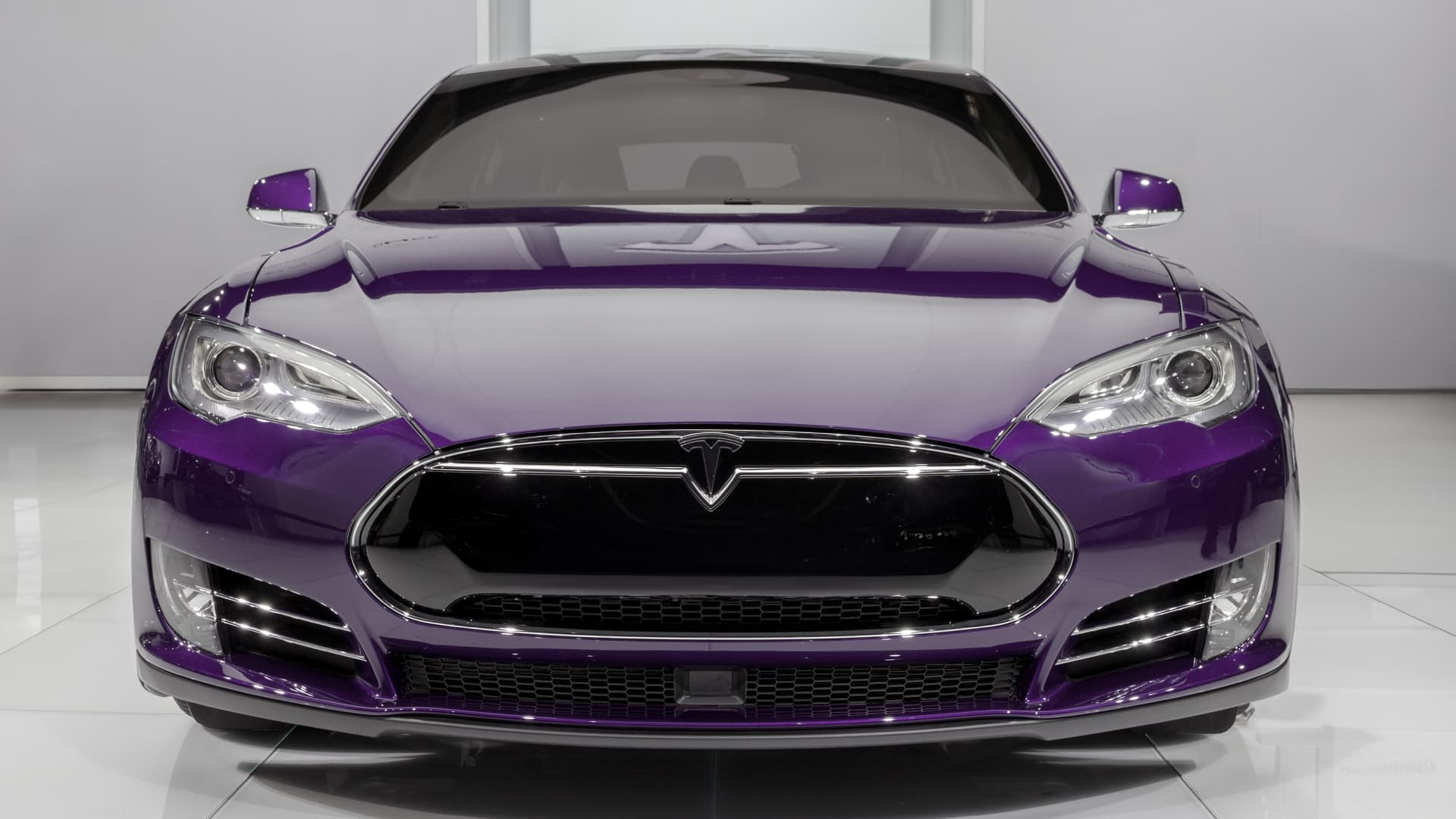
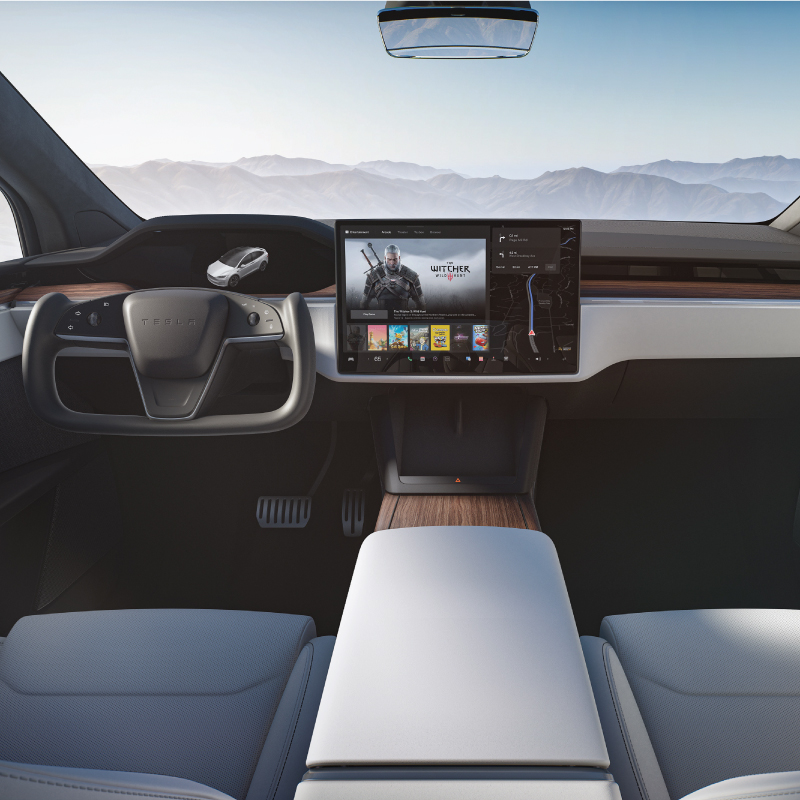
TeslaTesla
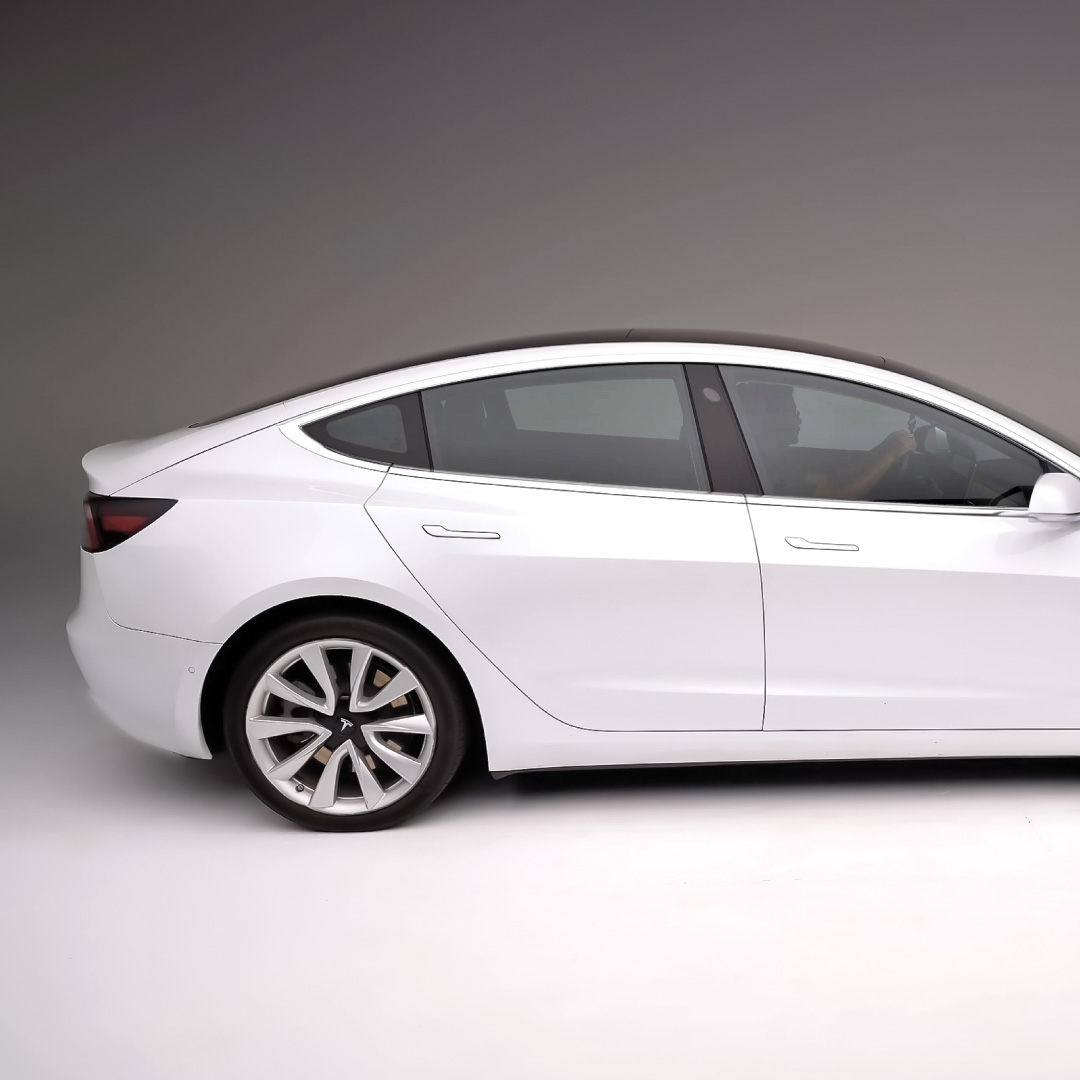
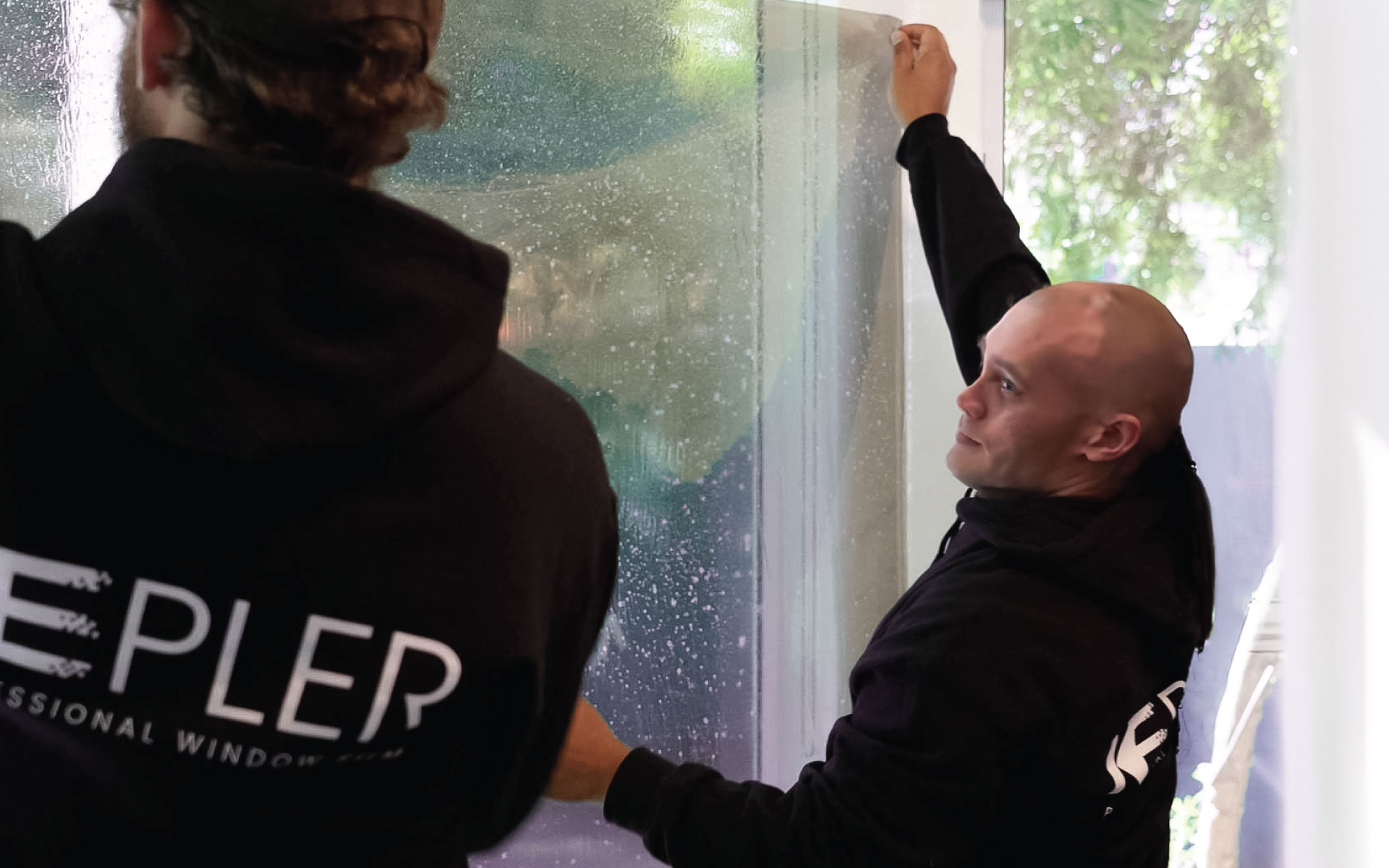
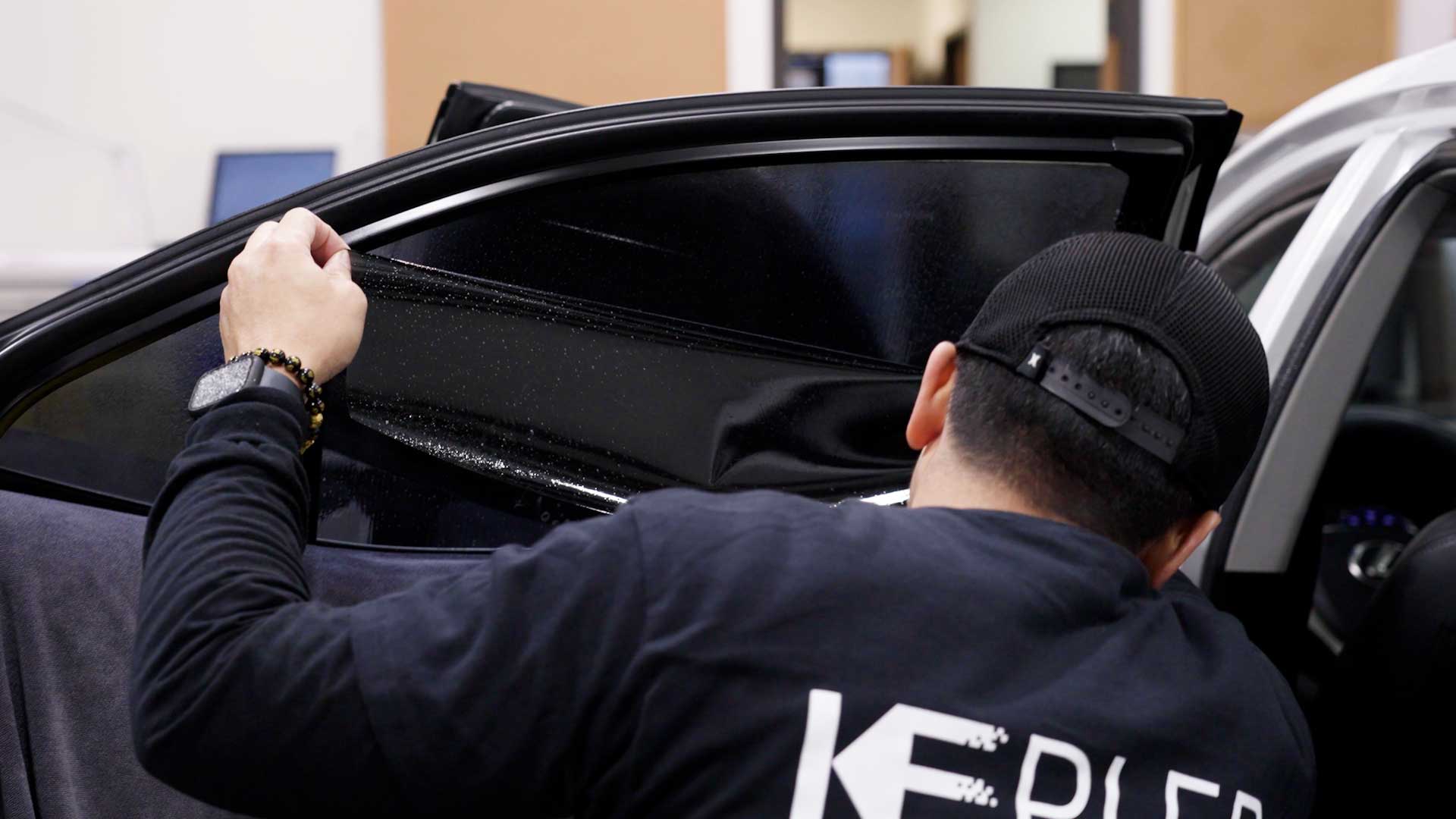
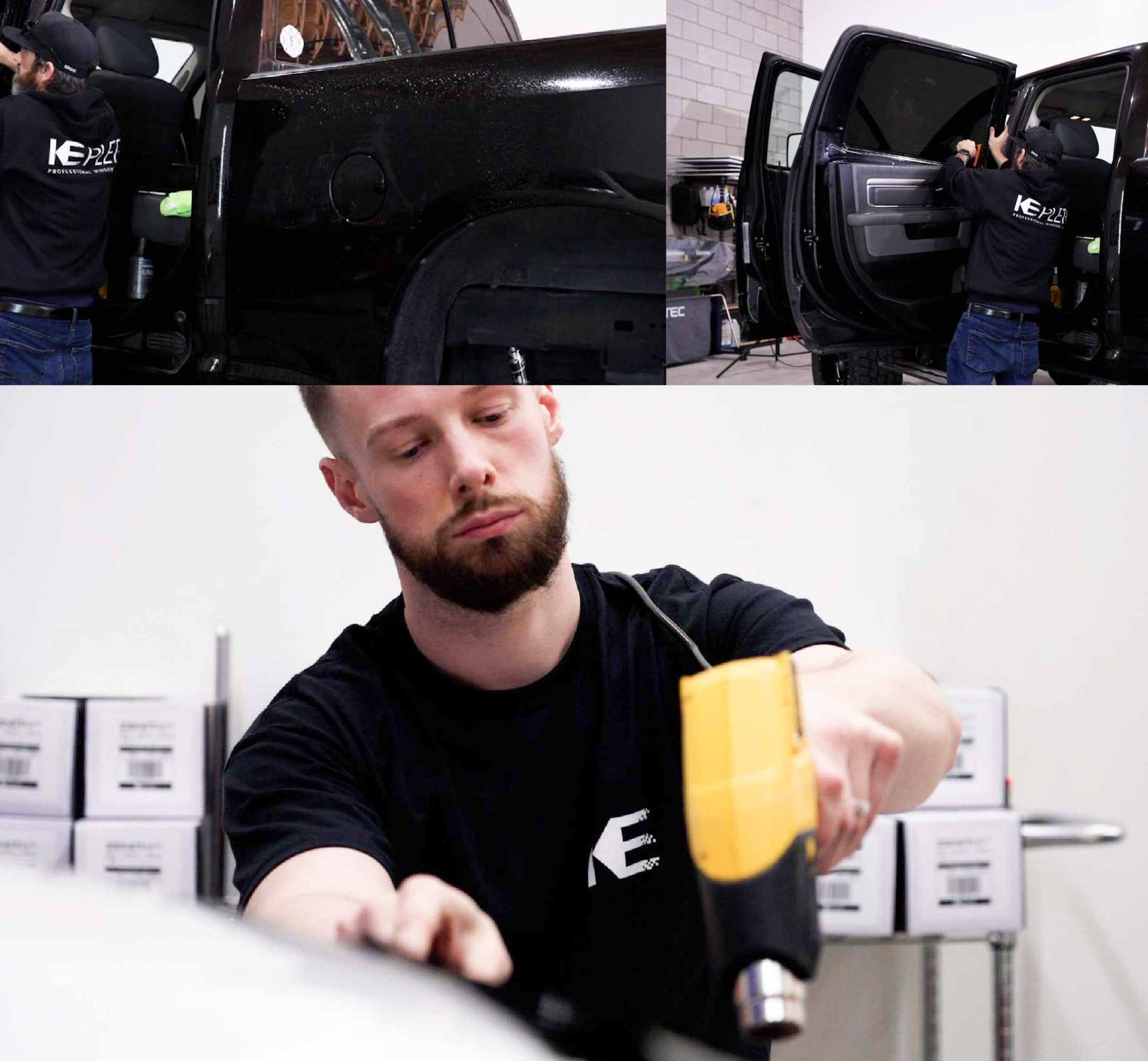
Kepler Technician Fitting Advanced Window Tint to Tesla

Two Ceramic Ranges, Five Shades

Kepler makes its automotive film in two nano-ceramic ranges, Kepler IR and Kepler IR+, across five shades. The shade decides how your Tesla looks; the range decides how hard the film works on heat, at 81% infrared blocking for IR and up to 98% for IR+. Pick the look you want below and a Kepler dealer can help you settle on the range.

Check out our Tesla window tinting choices.

Direct from the dealer

Kepler makes the film; an independent Kepler dealer fits it. Ask for a price and your details go to the closest one, so you can talk through the shade, the range and the cost of the work directly. Kepler’s part is the film itself: nano-ceramic, metal-free, and warranted against manufacturing defects for the life of the vehicle.

Direct from the dealer

Where the Heat Gets In

Leave a car out in the Texas sun and the glass is where most of the heat arrives. That is the part Kepler’s film works on: the automotive range is built around blocking infrared, the part of sunlight you feel rather than see, and ultraviolet, the part that fades an interior. What that is worth on a given day depends on your car, your glass and where it is parked, so the figures here are Kepler’s published ratings rather than a promise about cabin temperature.

Save up to 1 kWh per hour for air-con

Infrared Is Measured on Its Own

Sunlight arrives as visible light, infrared and ultraviolet, and Kepler rates them separately. Up to 98% infrared blocking is published for IR+ and 81% for Kepler IR. Total solar energy rejected is a different, lower figure on the same table, so ask your dealer which number belongs to the shade you are being quoted.
Kinder on the Interior, Too

Sunlight ages whatever it lands on. Kepler publishes ultraviolet transmittance under 1% across its automotive shades, so the seats, the dash and the screen are shielded from the part of the spectrum that does the fading. Kepler publishes a glare-reduction figure for every shade as well, and it varies widely from the darkest to the lightest, so check the one for the shade you choose.

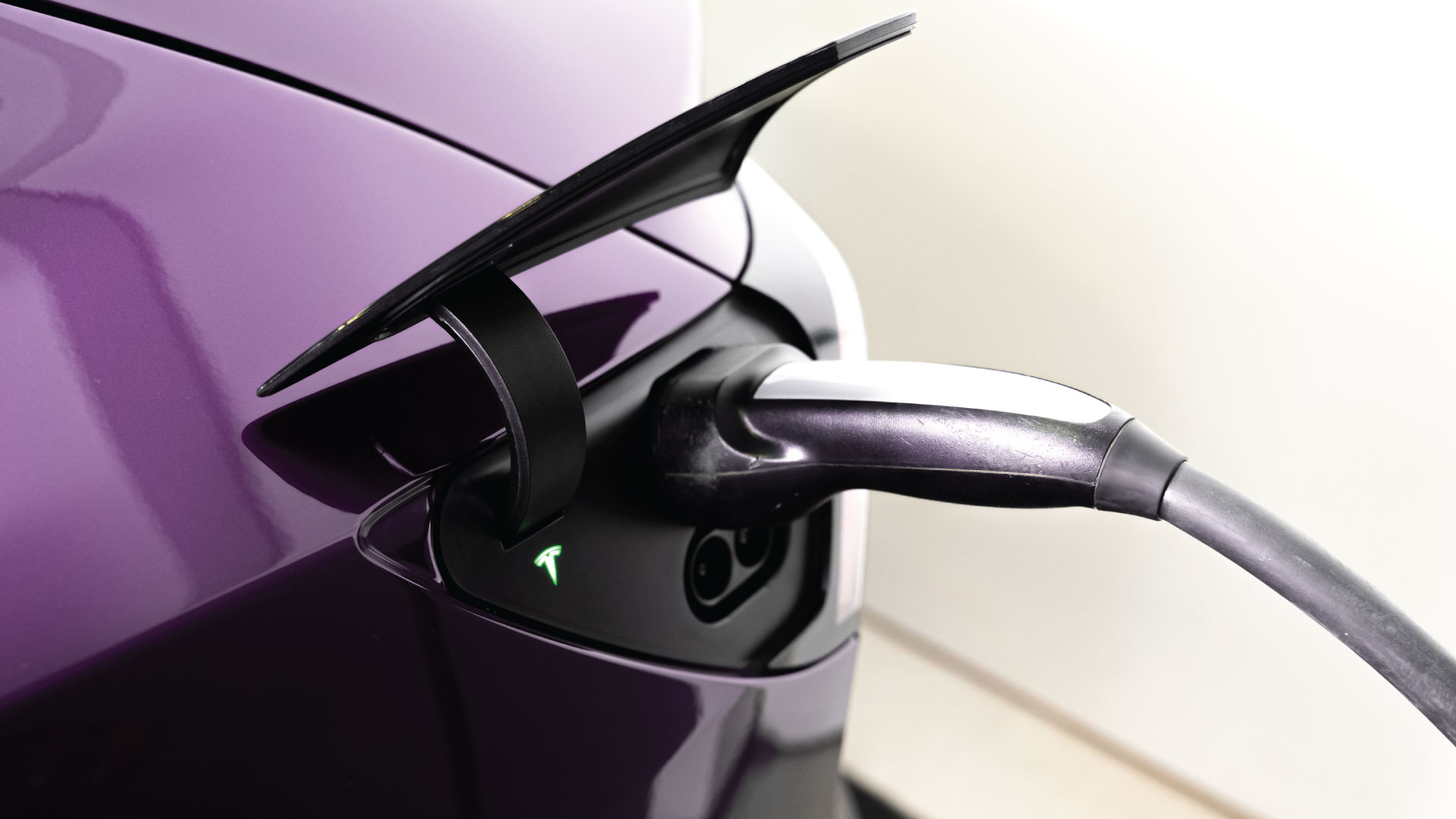
Charge less with energy savings

Nano-Ceramic Film, Made Without Metal

Kepler builds its automotive film from ceramic particles rather than dyes or metals. Kepler’s own description is that the ceramic layer manages heat without the mirror-like look or signal issues associated with metalized tint, and there is no dye in it to fade. Both ranges are 1.5 mil, bonded with Kepler’s Ultra Bond adhesive and finished with a Scratch Guard+ coat.

See What Infrared Does

Infrared is the part of sunlight you feel rather than see, and it is what turns a parked car into an oven. Put a lamp on one side of the glass and a meter on the other, and the difference between plain glass and ceramic film stops being a number on a page.

Why This Film Suits a Tesla

Heat and light are not the same thing, and Kepler rates them separately. The shade percentage tells you how much visible light comes through, and infrared blocking is measured on its own, which is why a light film can still be a serious hot-weather film. On a Tesla that matters twice over: there is no metal layer to sit between the car and a signal, and the glare that would otherwise land on a single central screen comes down with the heat. It matters in Texas too, where the two windows beside the driver have to reach 25% light transmittance measured with the glass, so the dealer quoting your car can match the shade to the range.

Automotive window film

Multi-Layer Technology

Each layer has a job: the Ultra Bond adhesive holds the film to the glass, the absorber takes out ultraviolet, the nano-ceramic layer handles infrared, and the top coat protects the surface you clean.

1Glass
2Ultra Bond Adhesive
3UV Absorber
4Tinted Film
5Laminating Adhesive
6Nano-Ceramic (IR) Layer
7Scratch Resistant Coating

What the Film Is Rated to Do

These are Kepler’s published headline ratings, and the highest of them belong to the IR+ range. Each shade has its own numbers, so the dealer quoting your car can show you the rating for the exact film you choose.

Up to

98%

IR Heat Reduction

Up to

99%

UV Protection

Up to

96%

Glare Reduction

Review

Warranty terms

Find Kepler Film Near You

Locate your nearest Tesla window tinting professional in Texas. With city guides across the United States, you can quickly locate an expert near you.

Nebula 04% Tesla background

Nebula 04%

Nebula lets through 4% of the light, so what is on your back seat stays your business.

Nebula 04% Tesla detail

Tell Us About Your Tesla

A few details about the car and the windows you want done are enough for an independent local tinter to price the work.

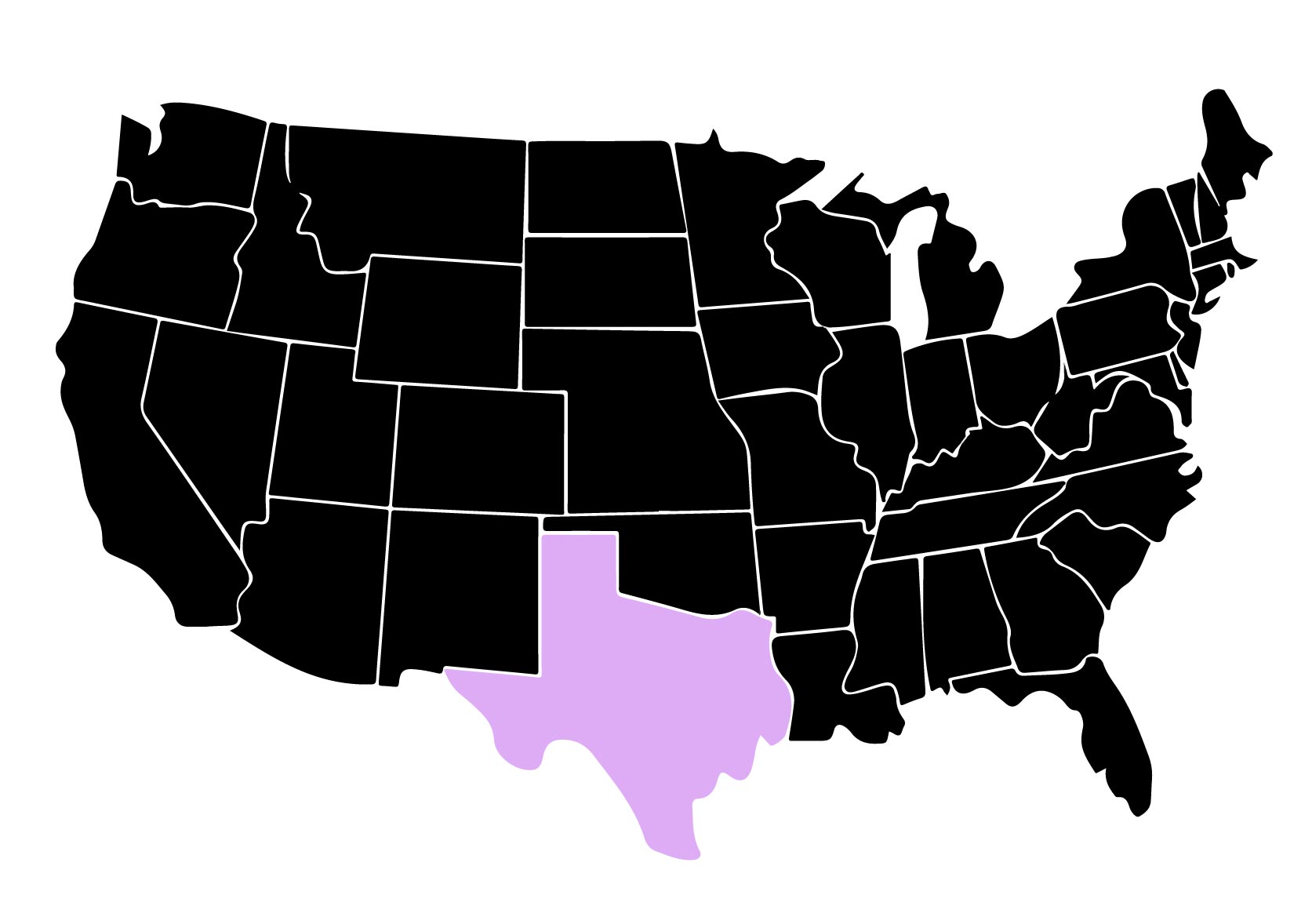
Texas area guide map

Find a Local Tinter

Texas Tesla Window Tinting City Guides

Why Choose Kepler Film for Your Tesla

Talk to Kepler About Your Tesla

Send your details through the quote form and Kepler introduces you to the closest dealer fitting our film.
Texas, United States
Follow Us

Tesla Window Tinting in Texas: Common Questions

Get a Price for Your Tesla in Texas

Kepler’s window film has become the leading choice for Texas Tesla window tinting, a testament to its designed quality and performance. In the sun-drenched, wide-open spaces of Texas, Tesla owners appreciate Kepler’s exceptional heat reduction and UV protection, ensuring optimal comfort and driving experience. This cutting-edge film complements Tesla’s innovative technology by enhancing energy efficiency and privacy. Kepler’s commitment to excellence aligns with the discerning tastes of Texas Tesla owners who demand the best for their vehicles.