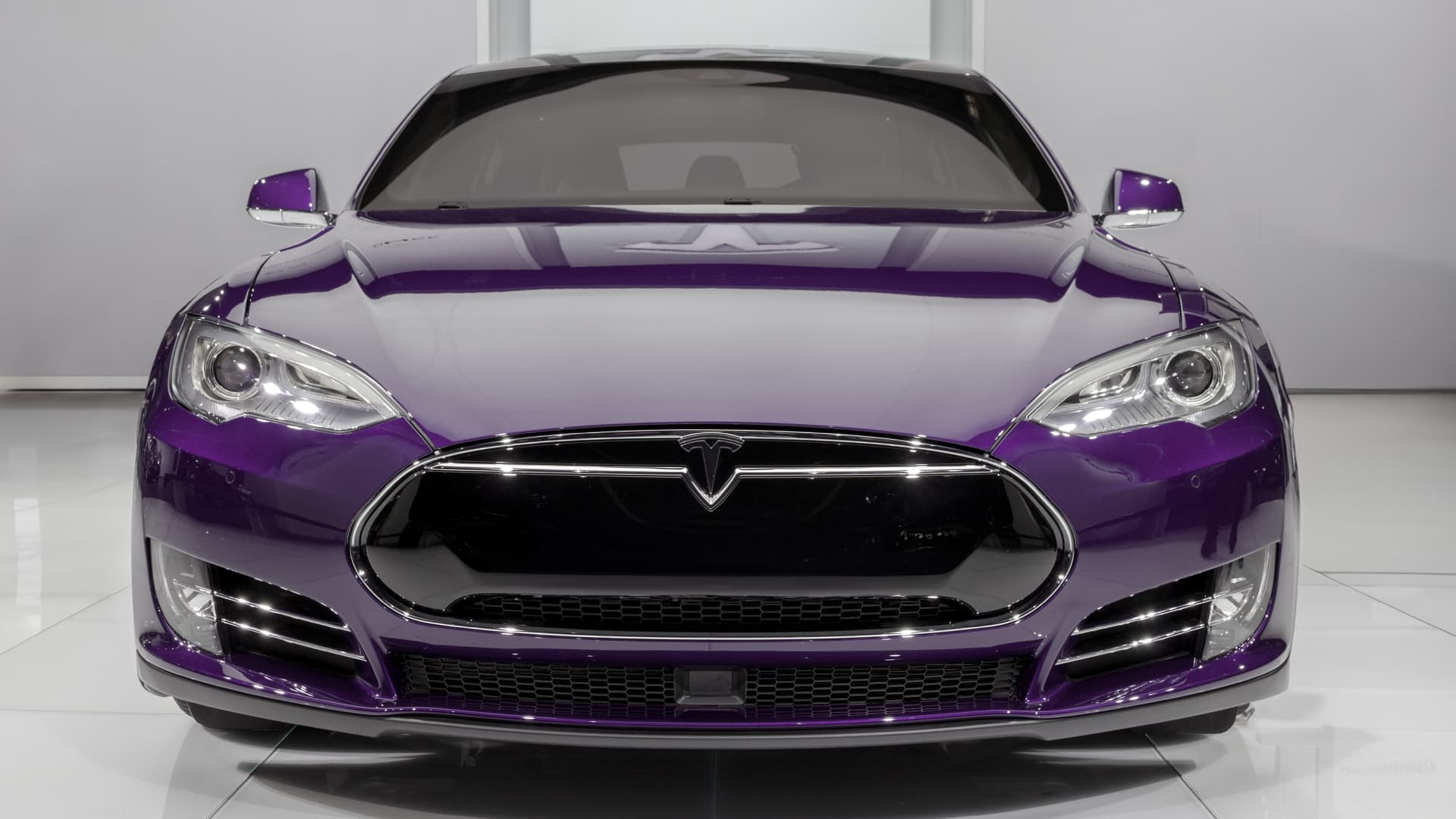
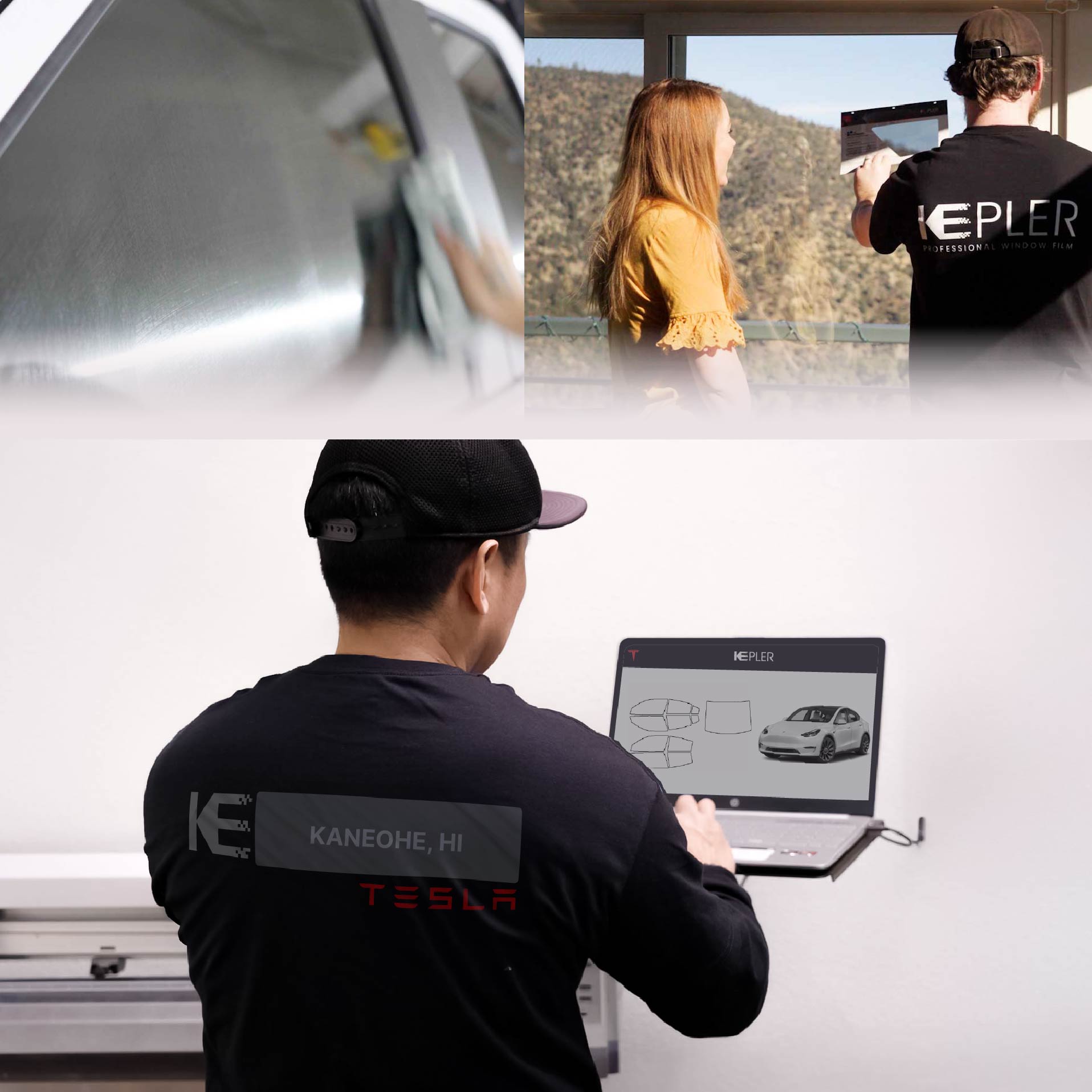
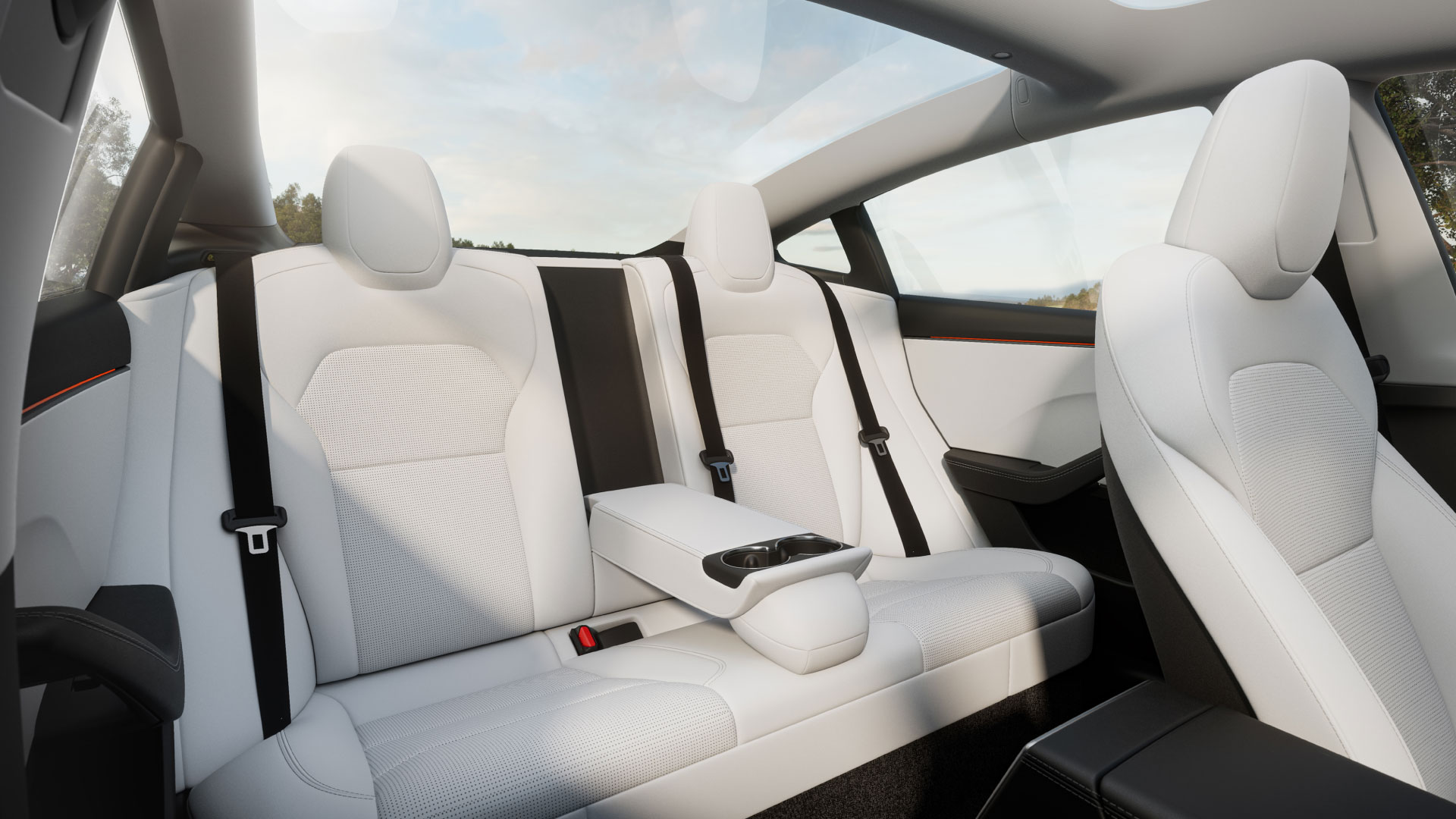
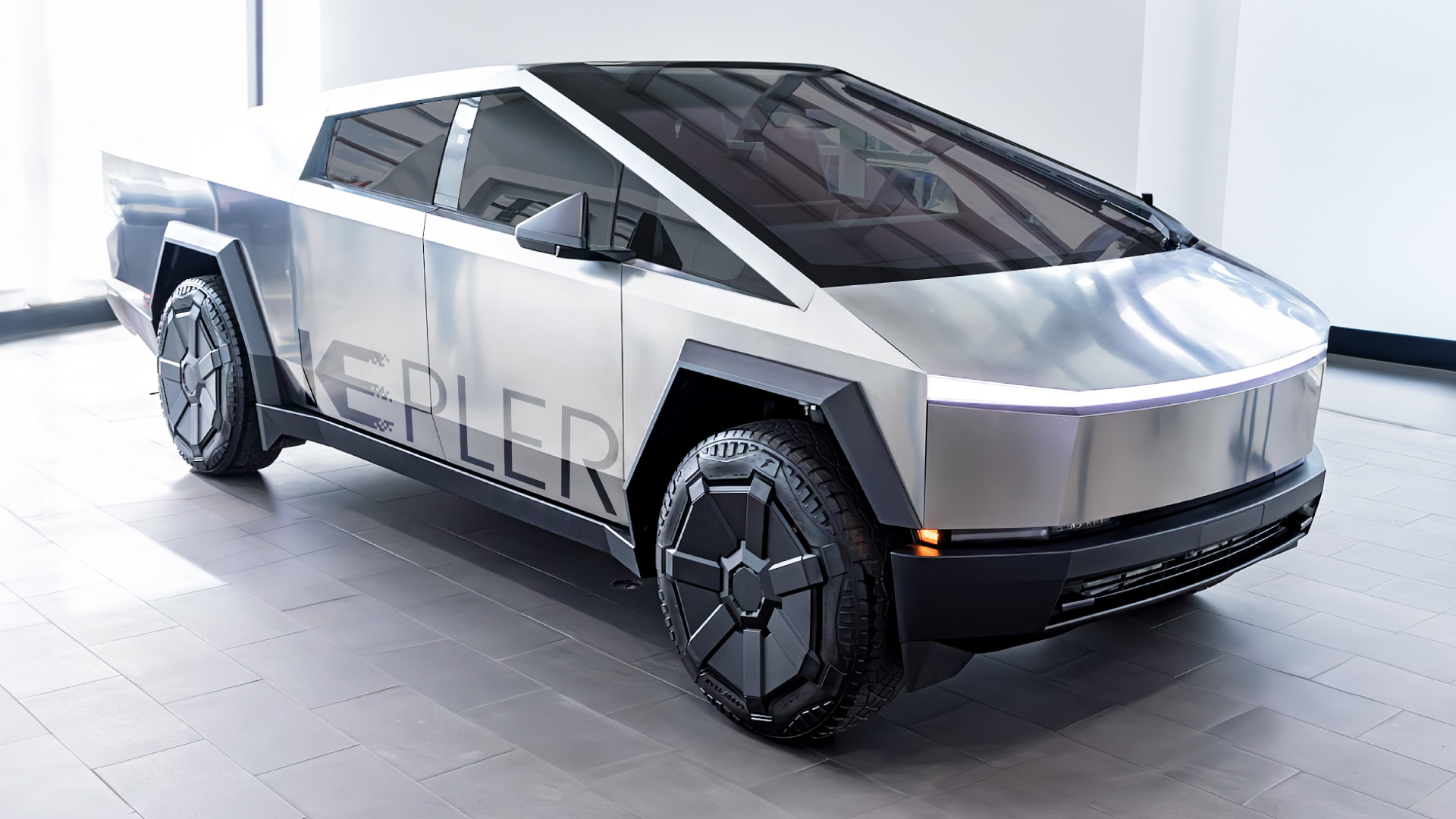
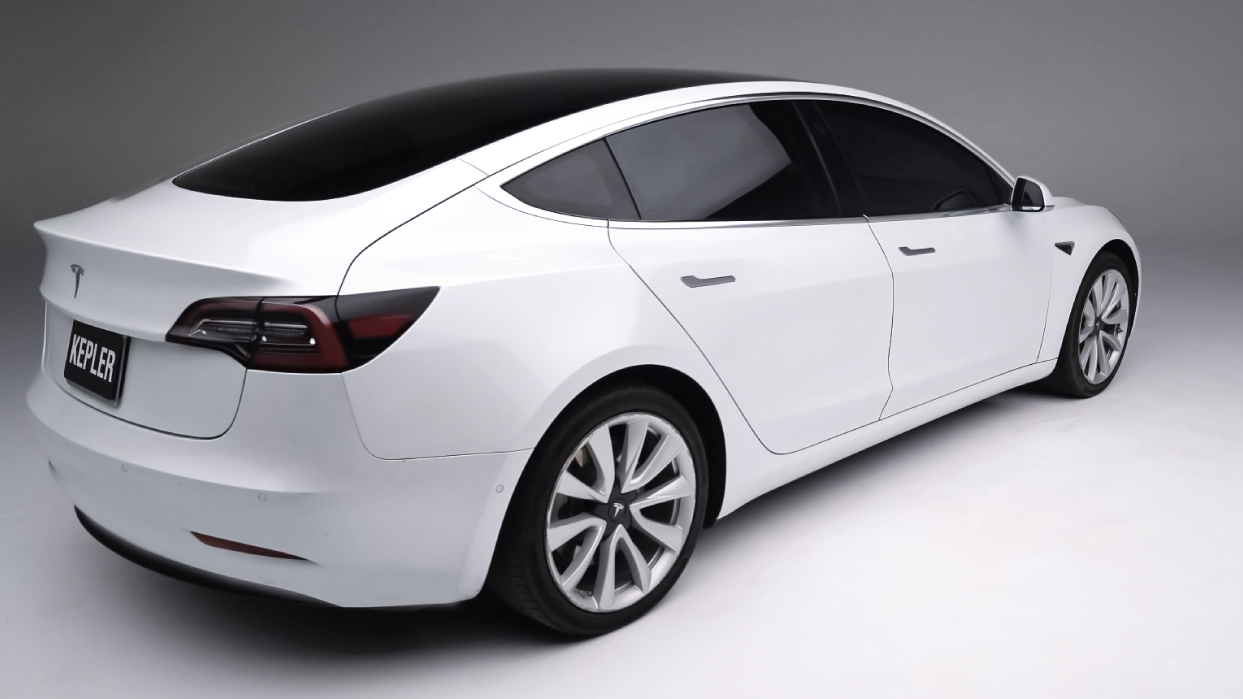
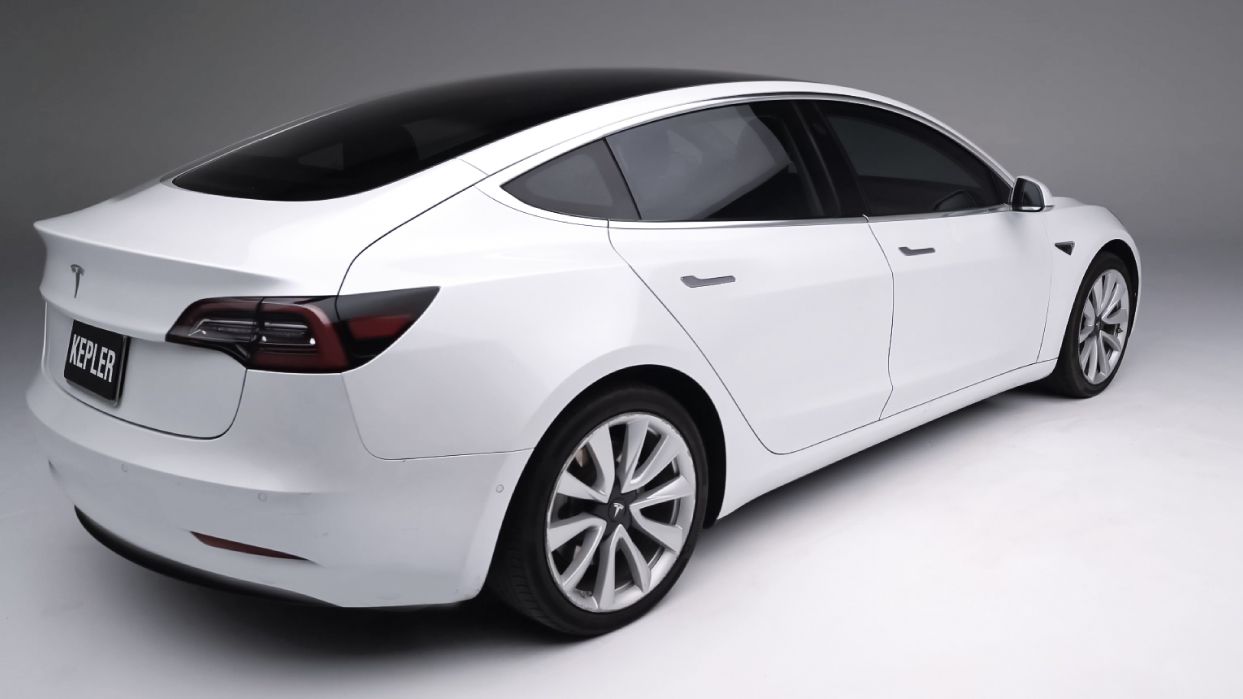
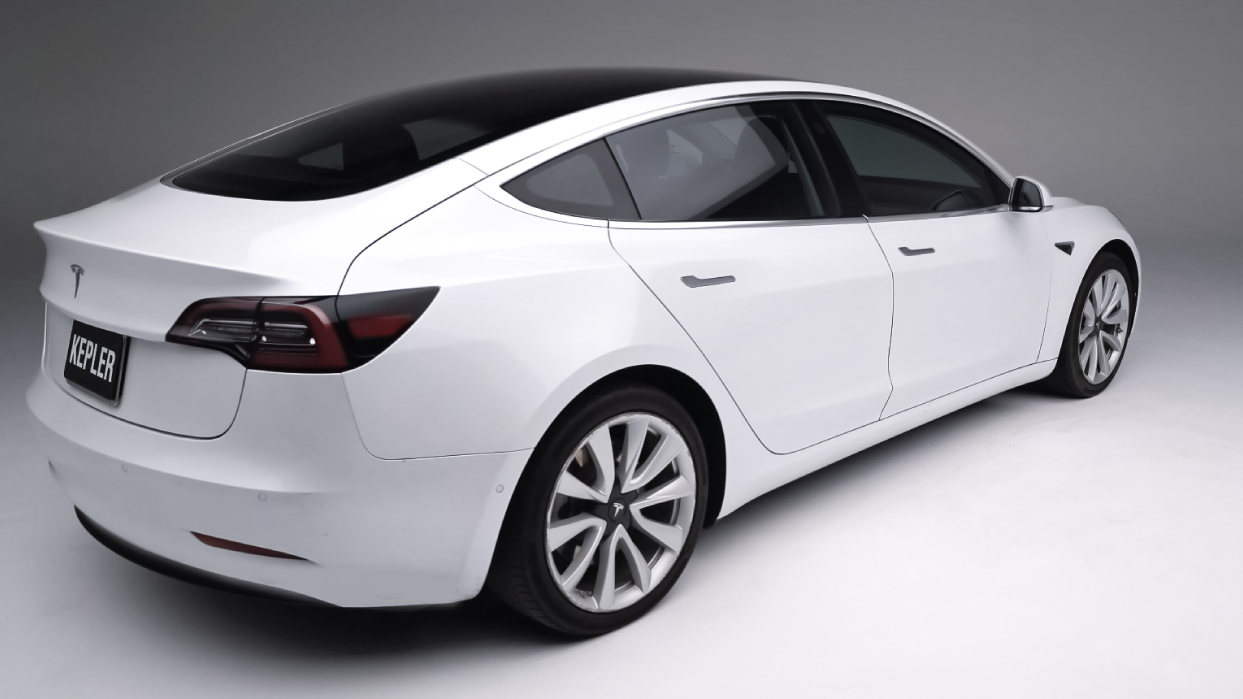
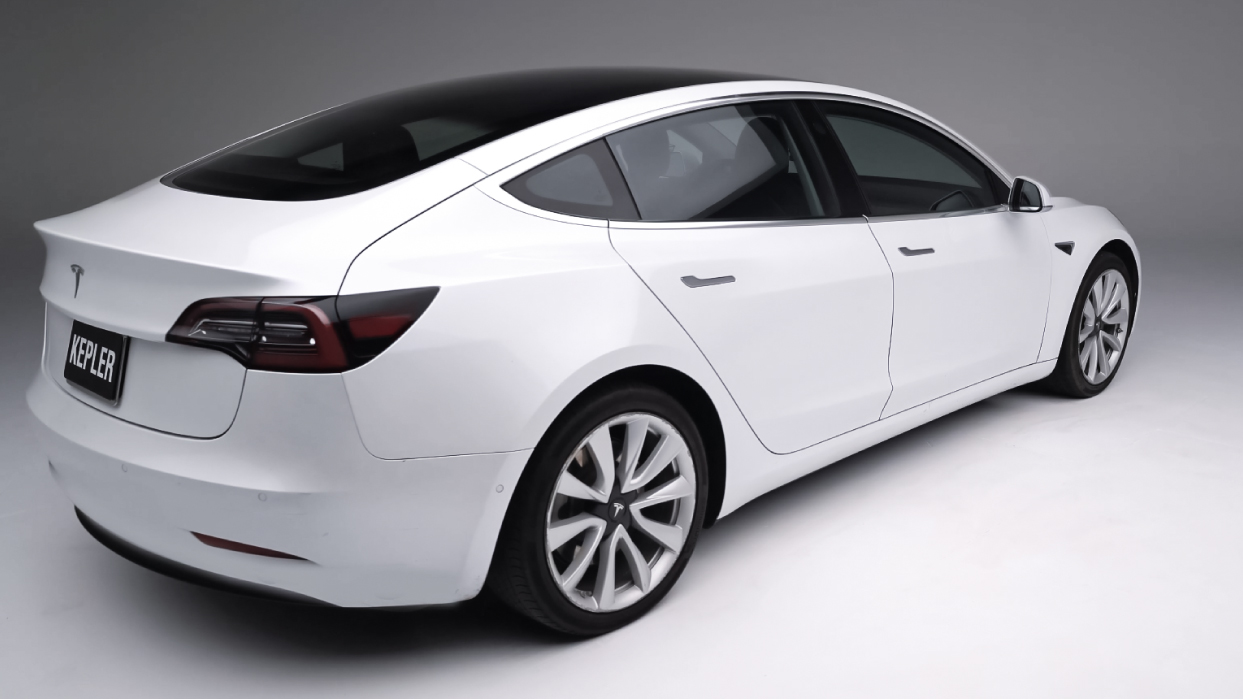
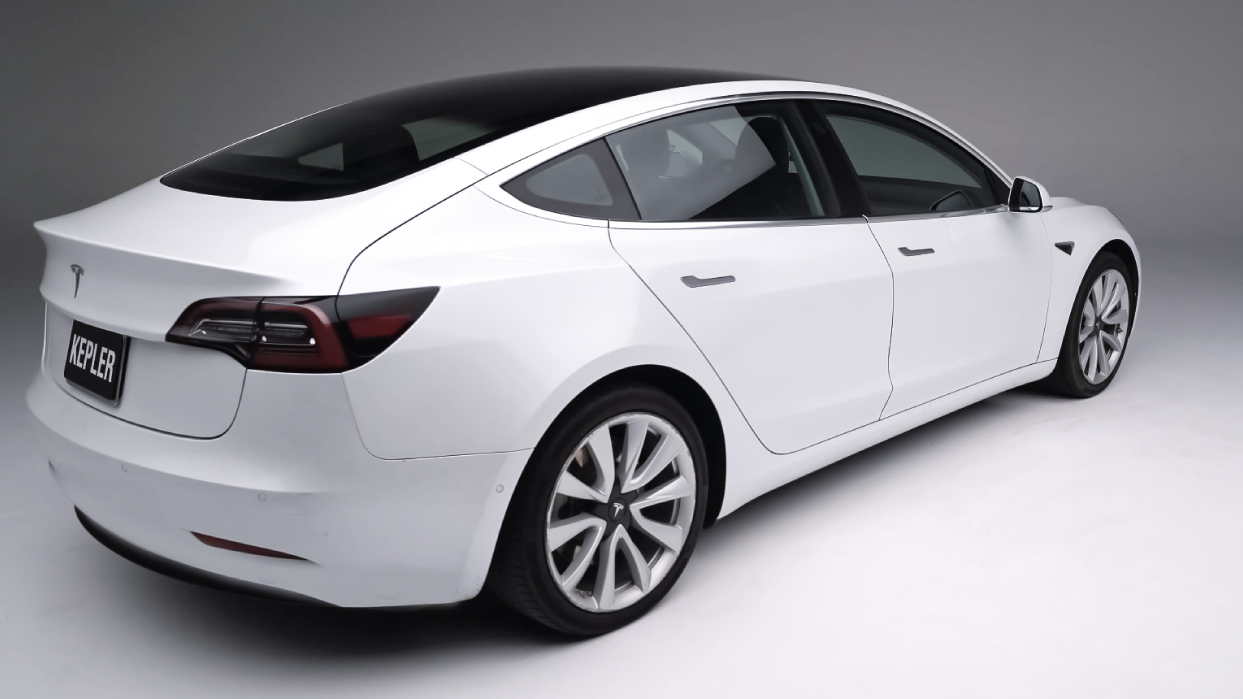
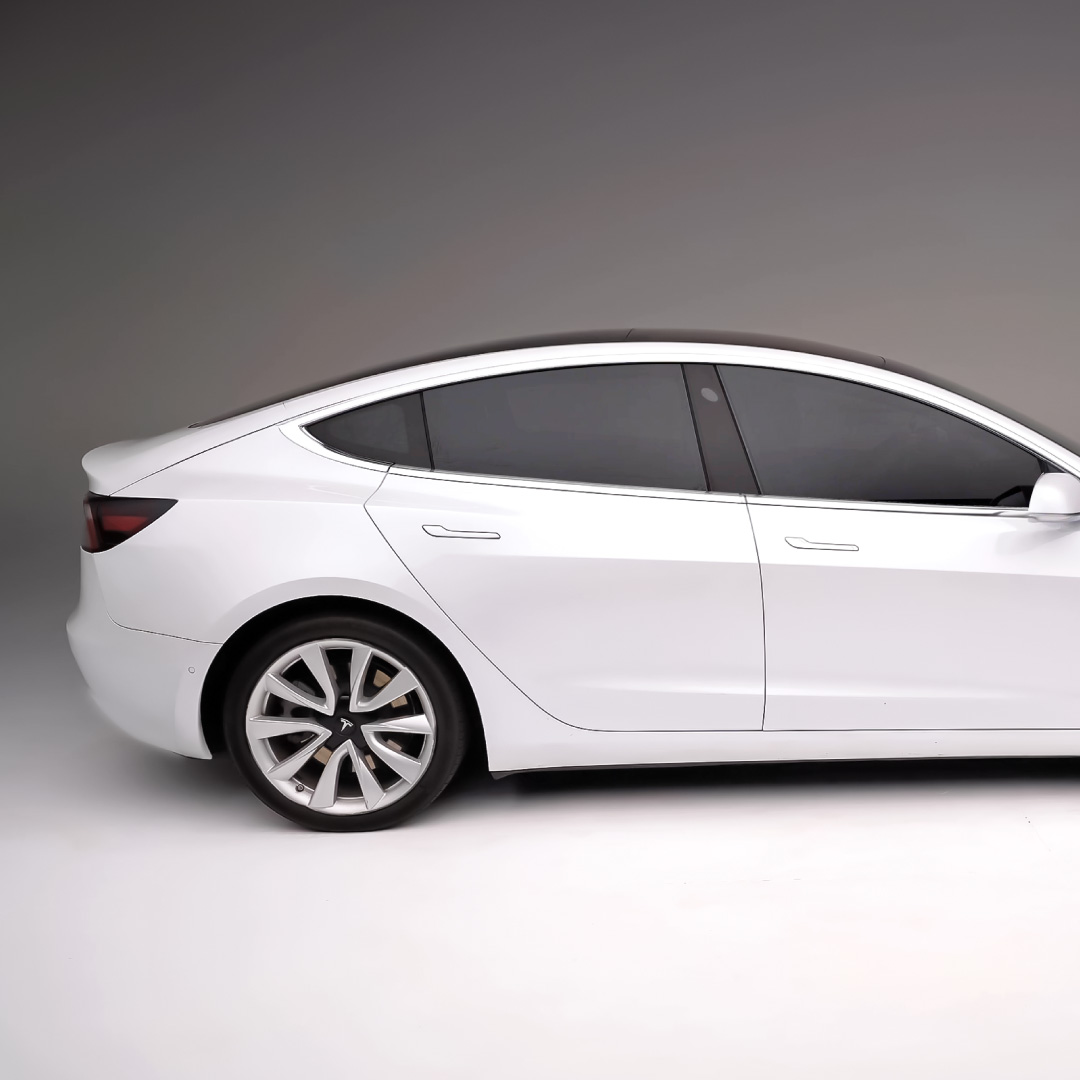
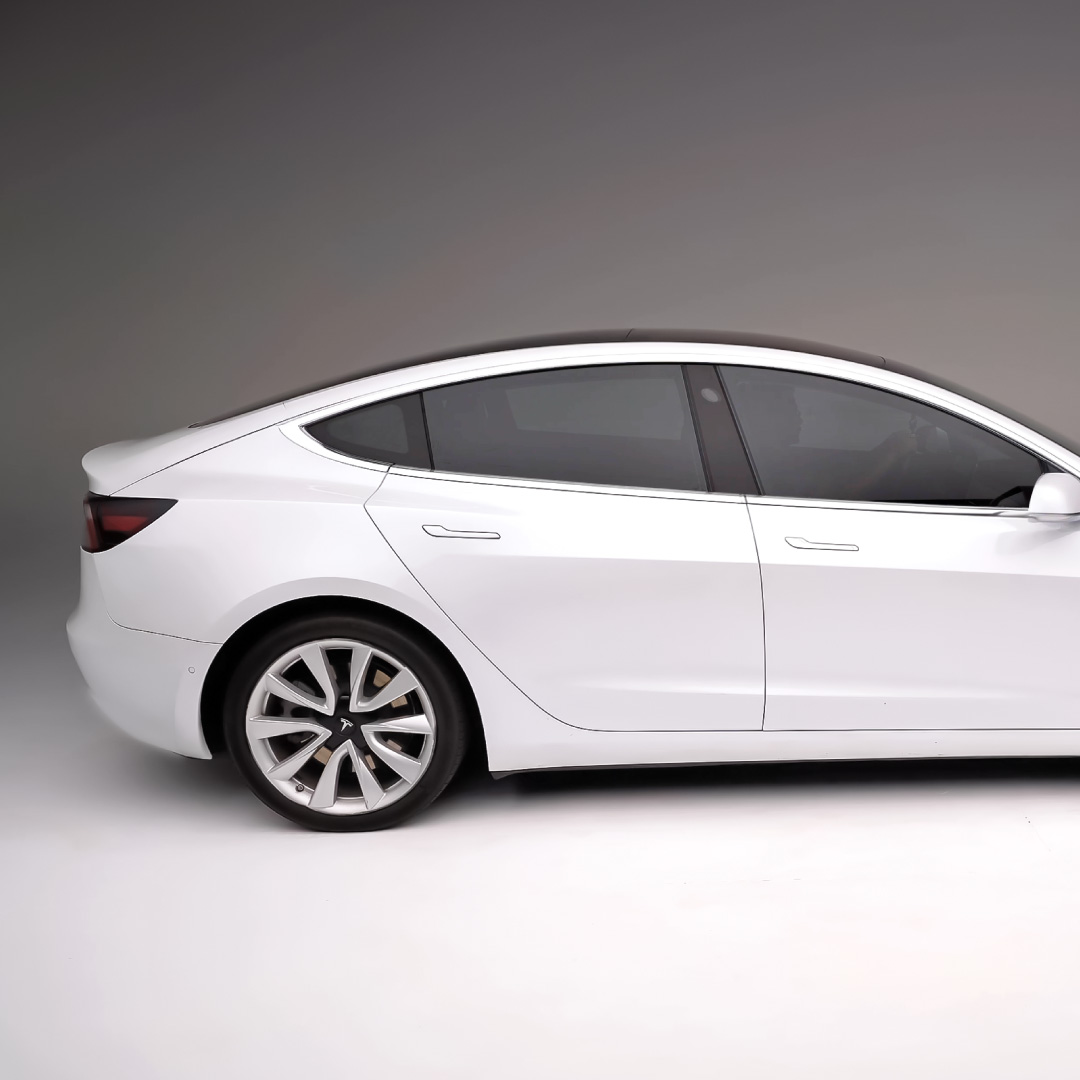
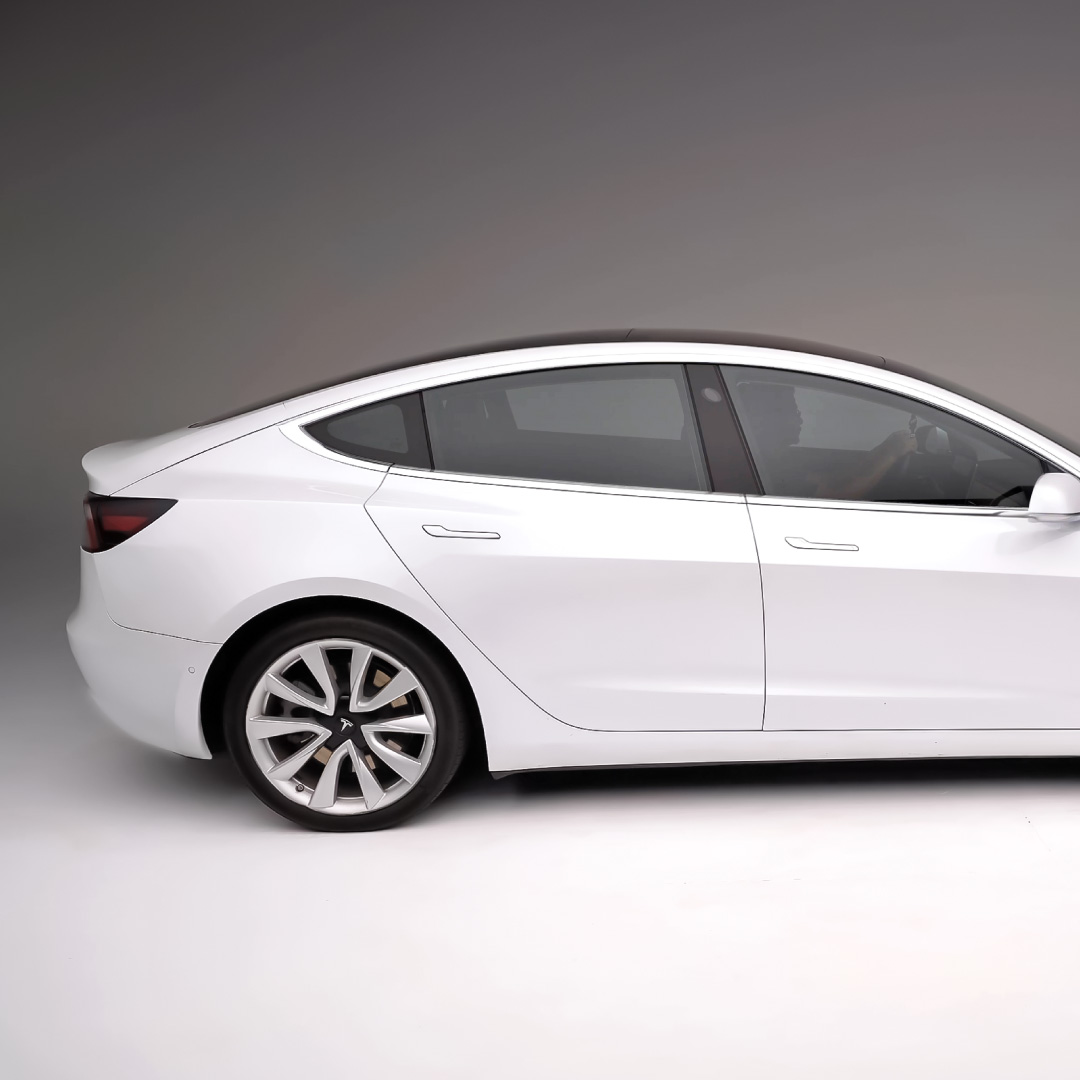
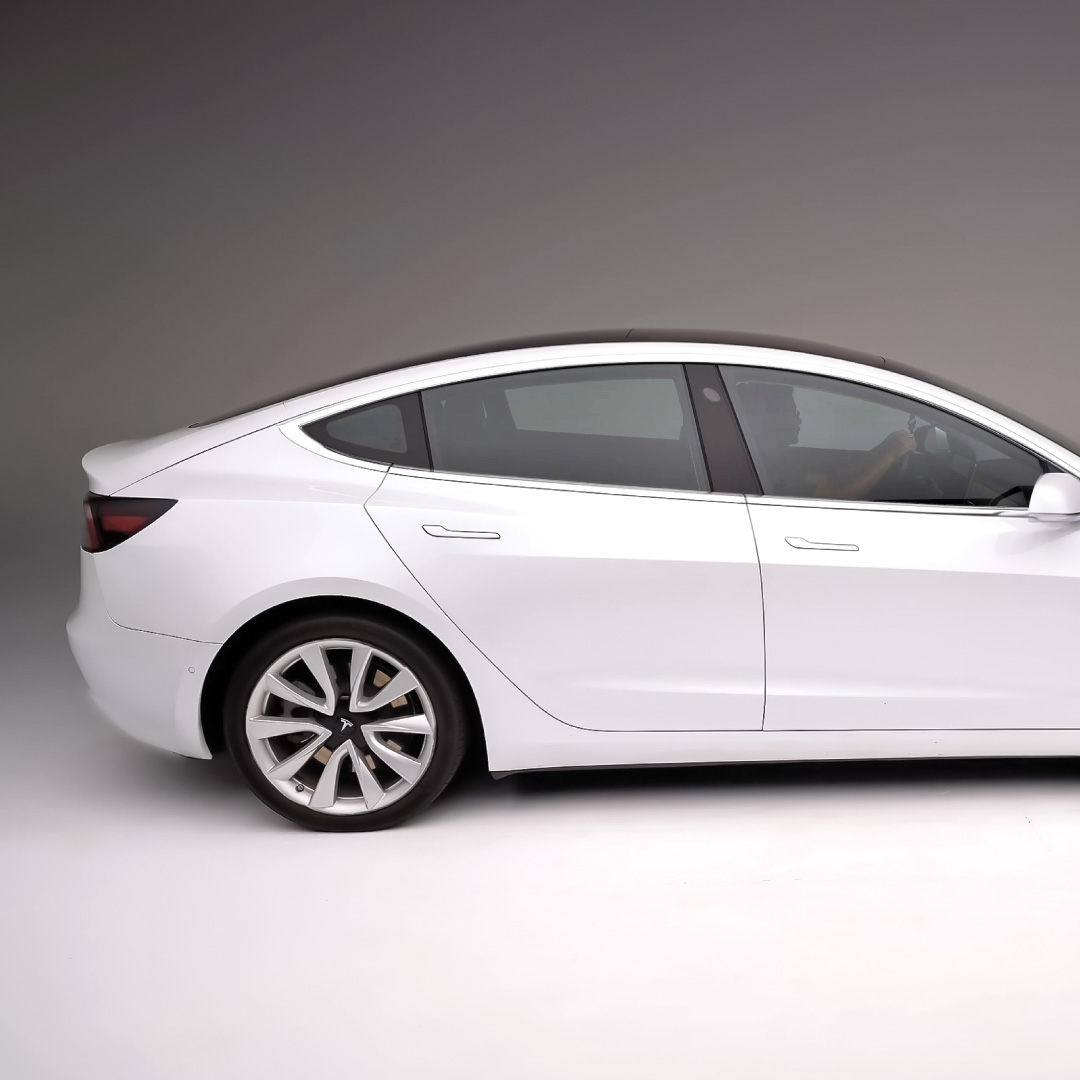
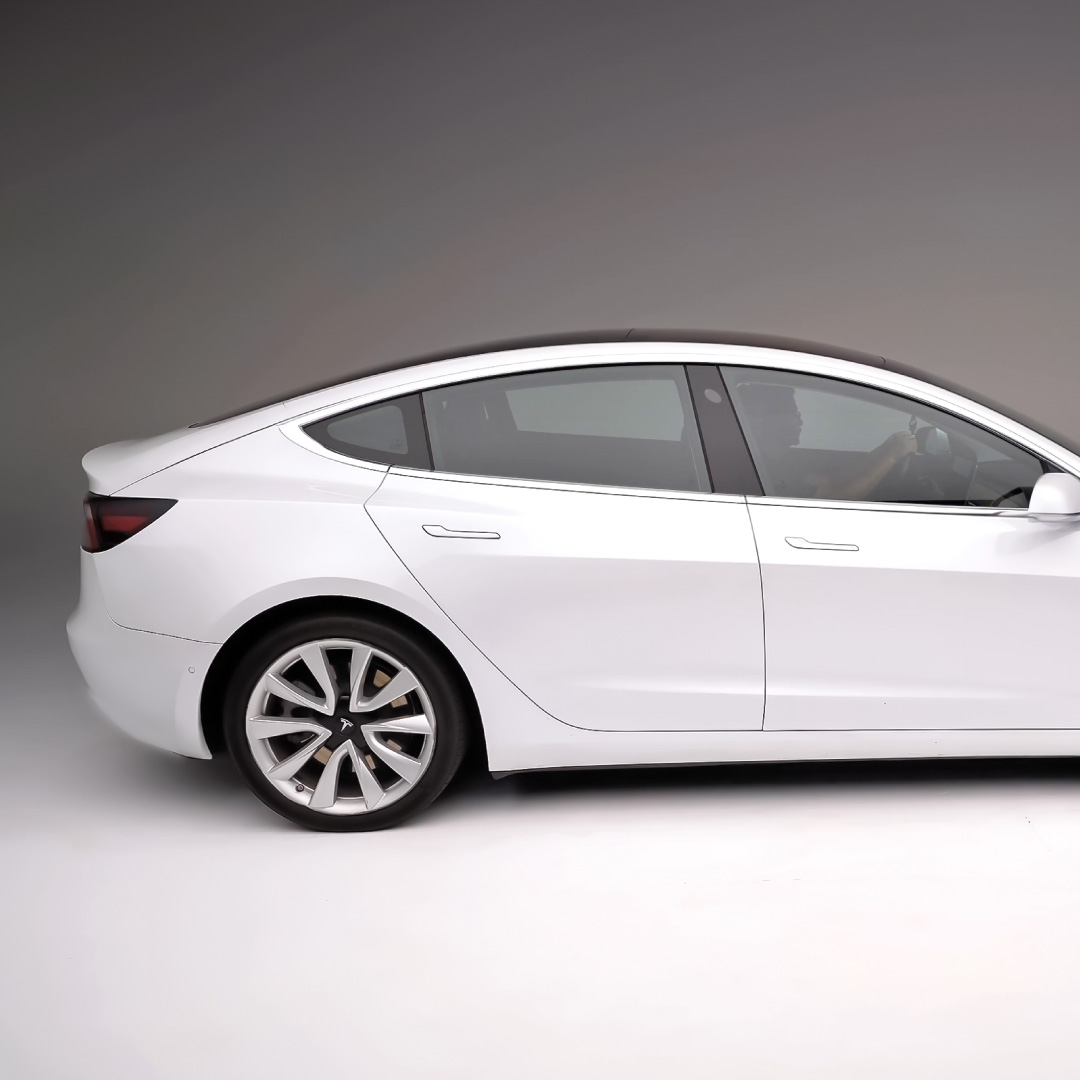
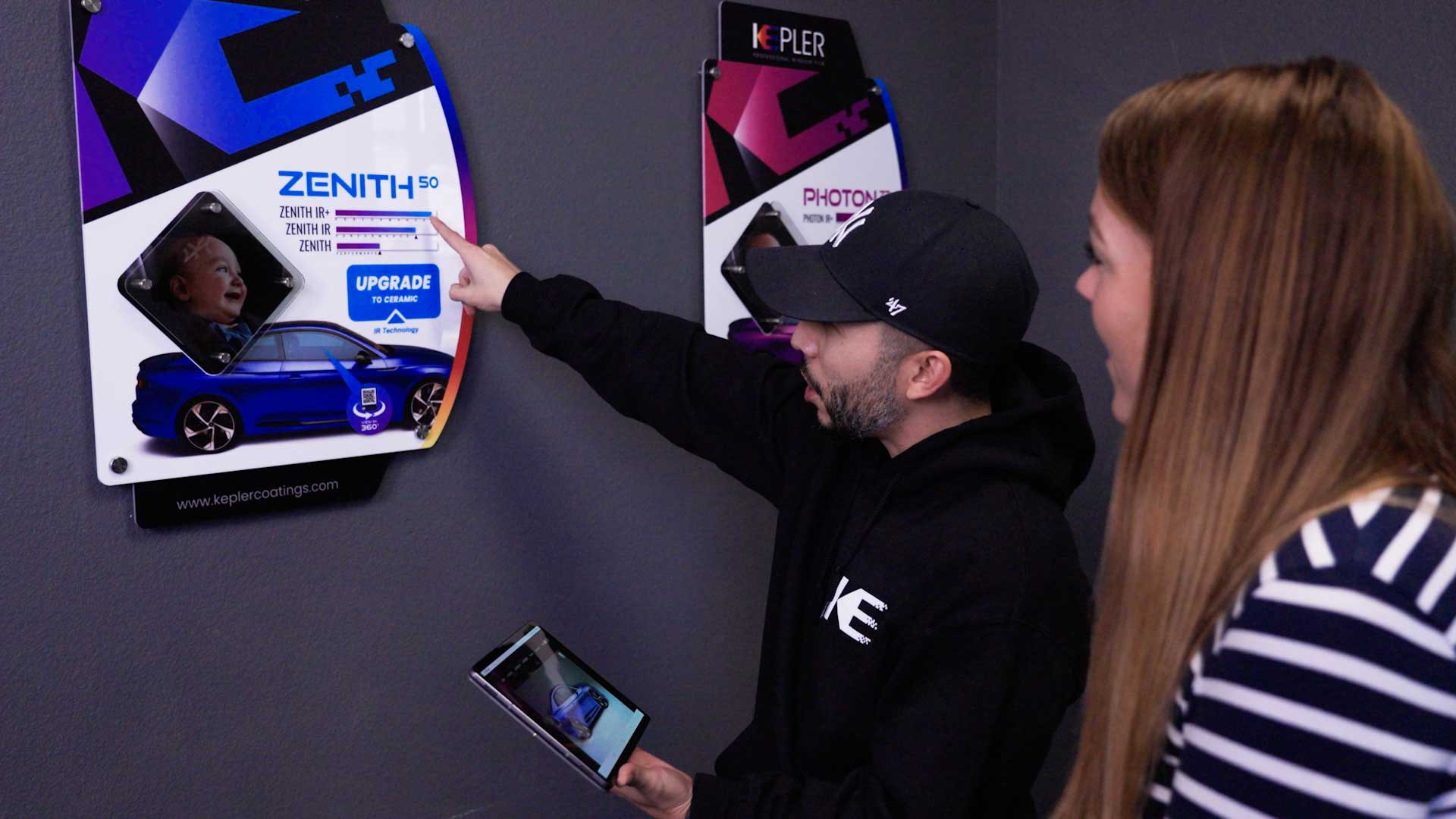
Sunlight reaching your Tesla's glass arrives as three things: visible light, ultraviolet and infrared. Visible light is what you see and what the shade percentage describes; ultraviolet is the part that fades and degrades interior trim; infrared is invisible and carries a large share of the heat you feel building in a parked car. Kepler's nano-ceramic films are built to work across that whole spectrum rather than just darkening the view, which is why a lighter shade can still do real work on cabin temperature. On a Tesla the effect is easy to notice, simply because there is so much glass for the sun to act on — the interior starts cooler, glare is easier on the eyes, and the climate system has less heat to remove when you set off. Each film and shade has its own published performance data, so the sensible way to choose is to compare the exact combination you are considering with your installer, rather than assuming darker means cooler.