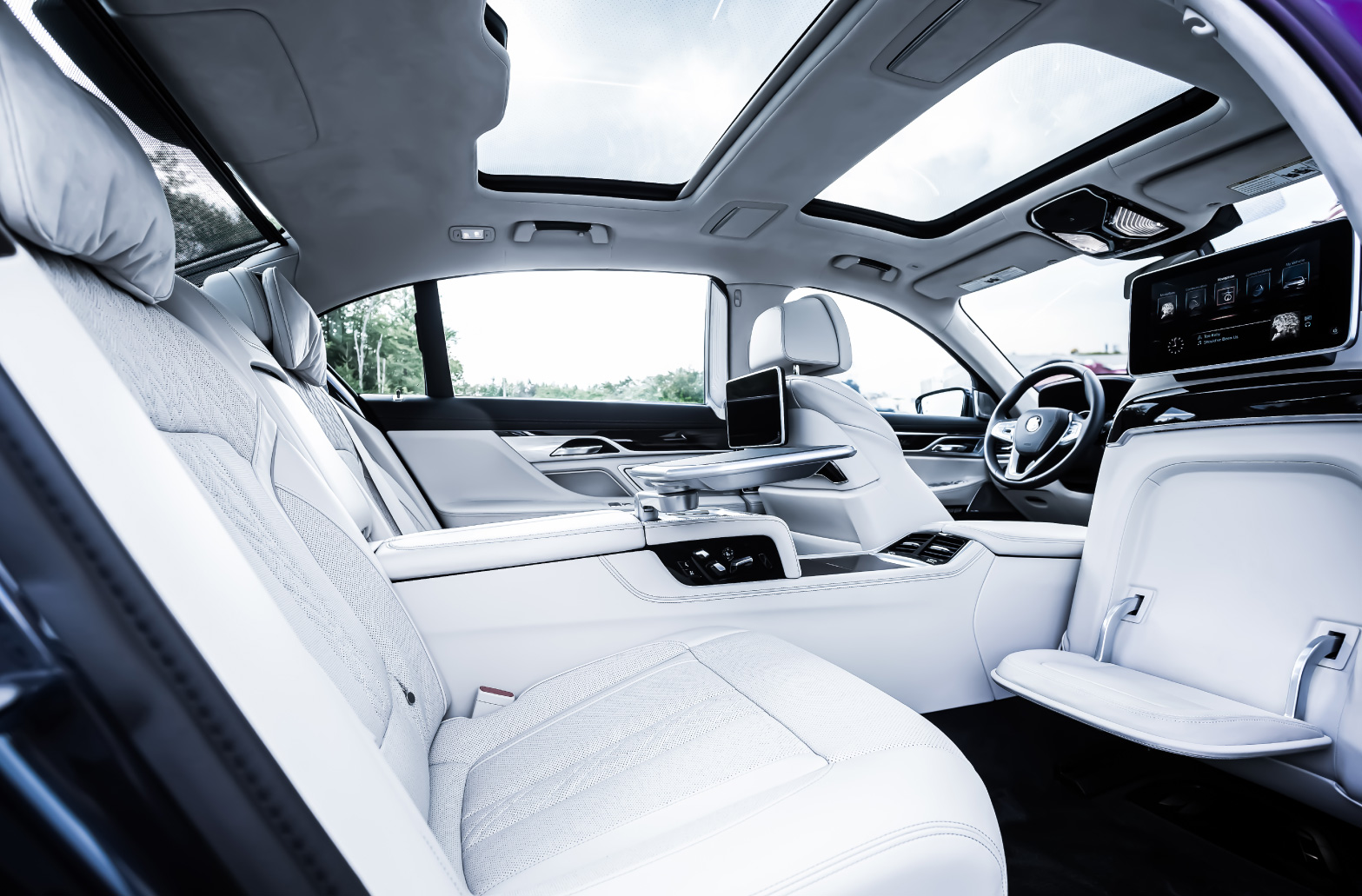
Luxury vehicle interior with Kepler ceramic window tint
Kepler logoWest Virginia

Ceramic Window Tinting West Virginia

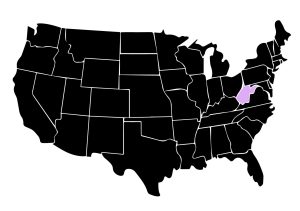
Explore West Virginia

Nano-Ceramic Car Film for West Virginia Drivers

Ceramic film does its heat work with microscopic ceramic particles instead of dye or metal, so it keeps a non-reflective finish and leaves your electronics alone. Kepler makes two automotive ranges, Kepler IR and Kepler IR+, in shades from an almost clear 69% down to a 4% black.

Brand logoTeslaNASA
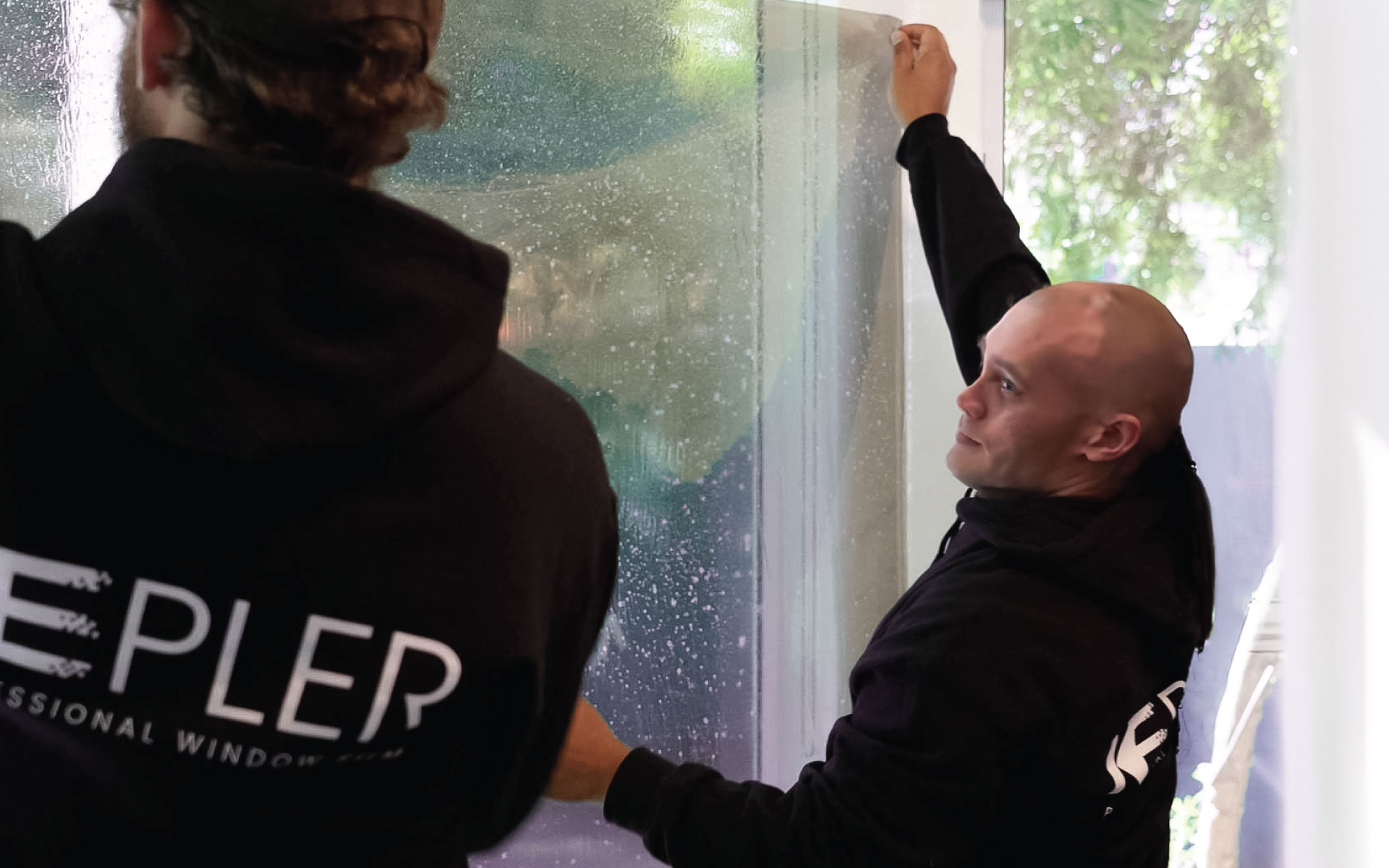
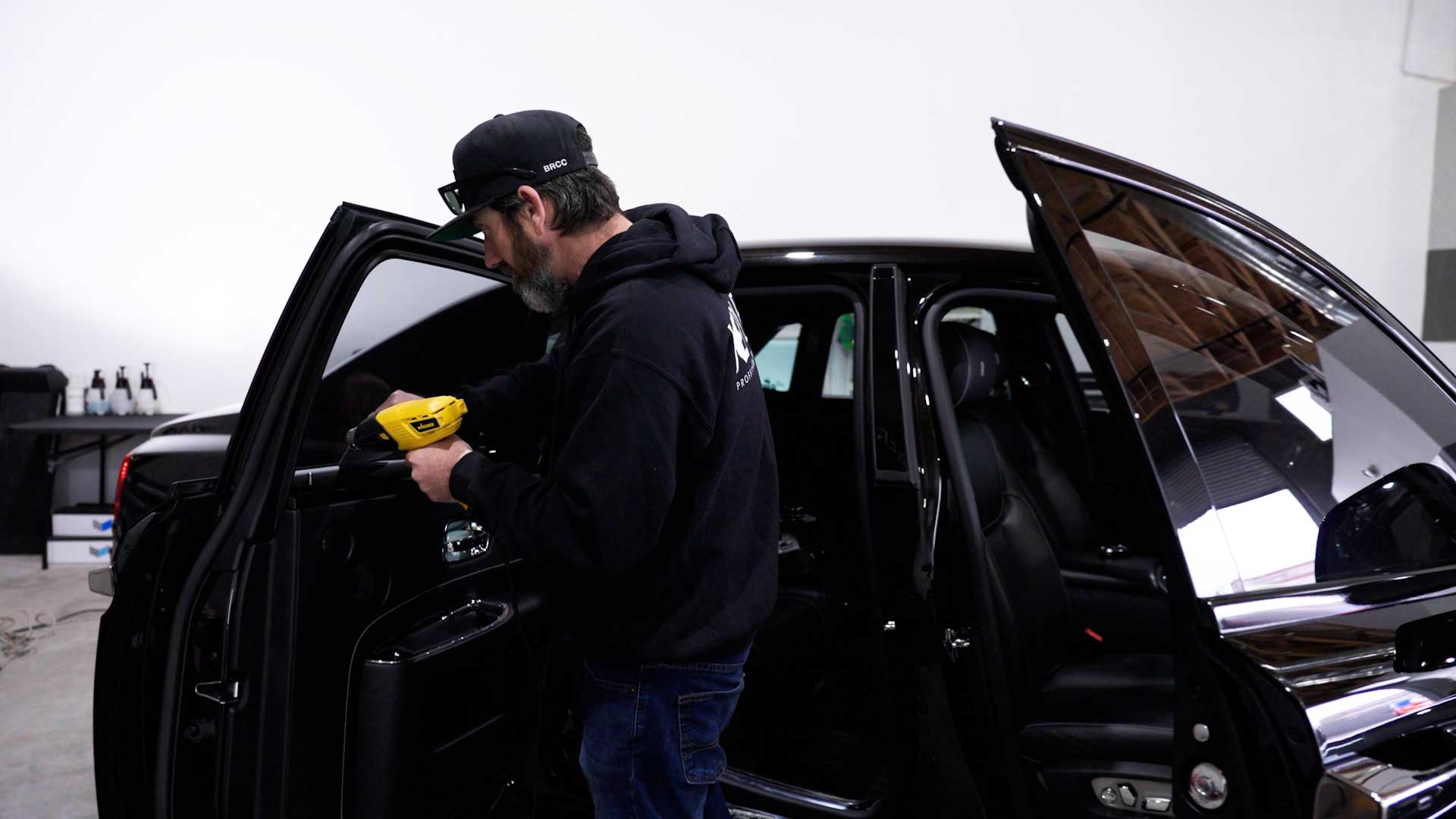
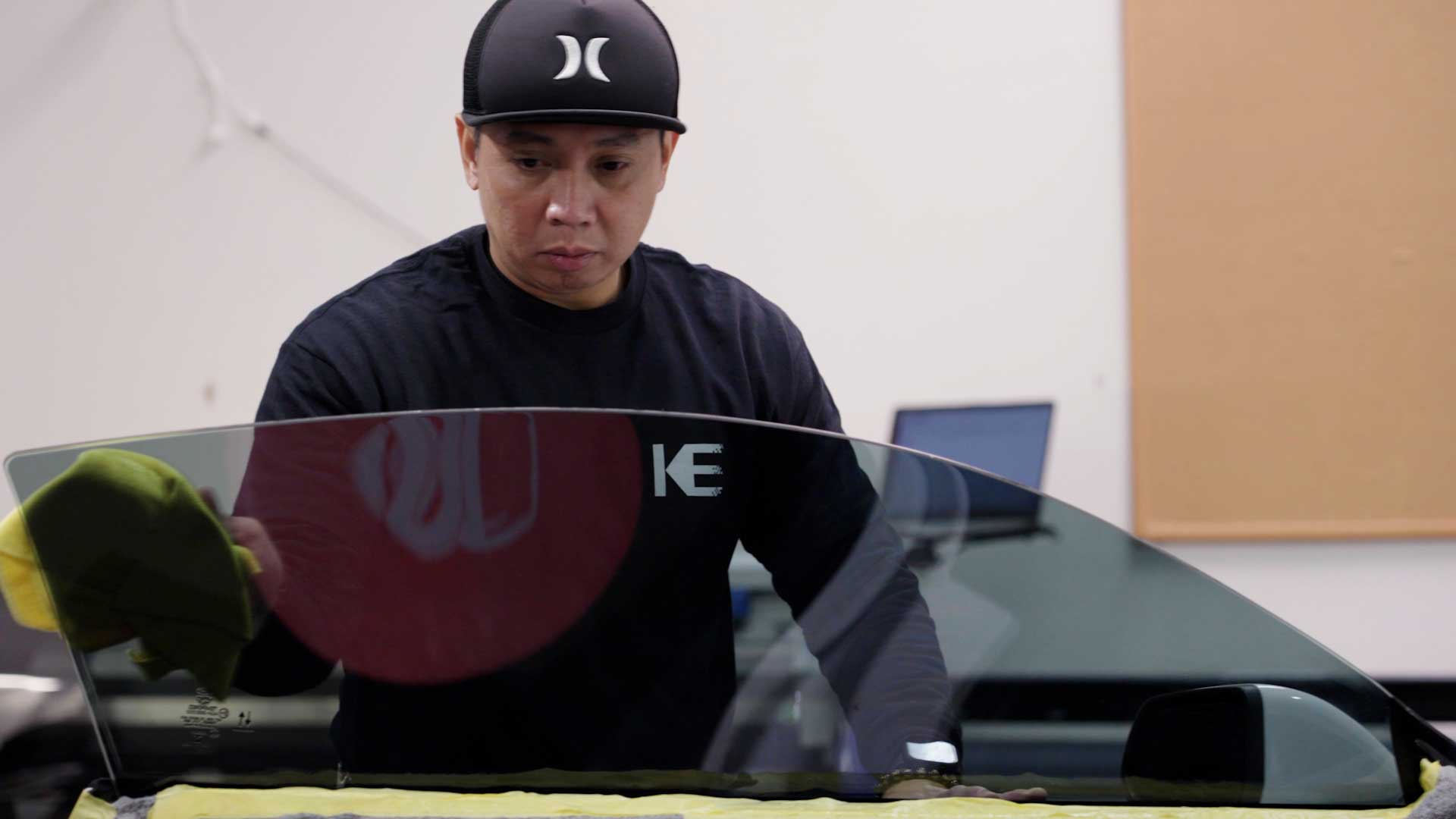
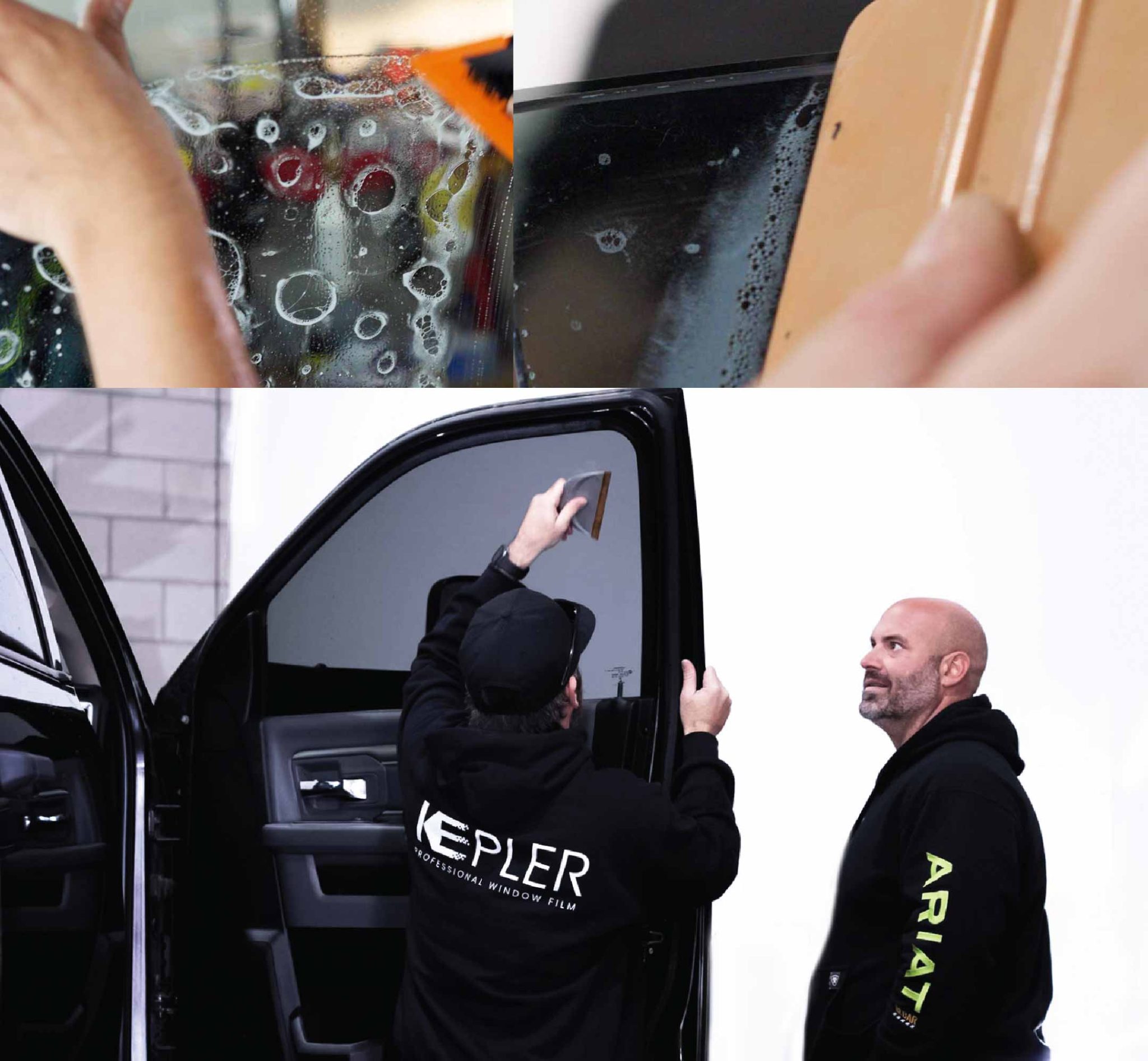
Ceramic Window Tinting Specialist Working

Heat, Glare and UV in One Film

Three jobs happen at once behind a ceramic film. Infrared heat, the part of sunlight you feel on your arm, is rejected at 81% across Kepler IR and 98% across Kepler IR+ from Nebula through Stratum. Glare comes down by anything from 20% to 95% depending on how dark you go. Ultraviolet transmittance stays under 1% on every shade in both ranges, dark or near clear.

Ceramic Film Benefits

Less On Show

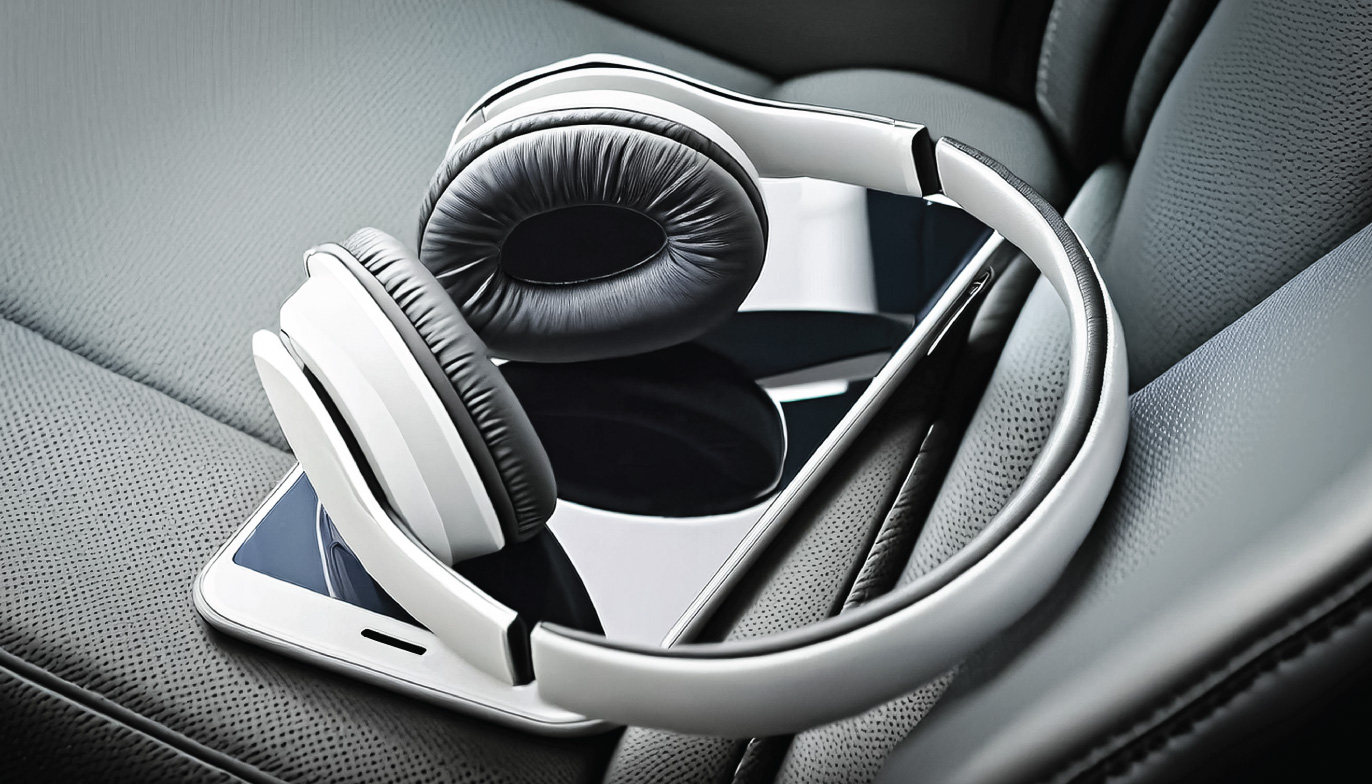
A darker shade cuts how much of your cabin can be read from outside. Nebula passes 4% of visible light, so a bag left on the back seat is far less obvious than it is behind clear glass.

Headphones-On-Seat
Security

Ceramic Technology

How a Kepler Ceramic Film Is Built

Both Kepler automotive ranges are nano-ceramic and both finish at 1.5 mil. Kepler IR+ reaches its performance, in Kepler's own words, without relying on dyes or metals, and Kepler IR is built on the same nano-ceramic principle. What follows is the stack itself, the particles that do the heat work, and the published figures for each shade.

Published Figures, Shade By Shade

Kepler quotes figures shade by shade: 81% infrared rejection across Kepler IR, 98% across most of Kepler IR+, and ultraviolet transmittance under 1% on both.

How Ceramic Particles Handle Heat

Microscopic ceramic particles held in a clear polyester layer take on the infrared part of sunlight. No metal is involved, so there is no mirror finish and no interference with your phone, GPS or radio.
The Layers Over Your Glass

The stack alongside starts at the glass and works outward: Ultra Bond adhesive, a UV absorber, the tinted film itself, a laminating adhesive, the nano-ceramic infrared layer and a scratch-resistant top coat. All of it together measures 1.5 mil.

1. Glass
2. Ultra Bond Adhesive
3. UV Absorber
4. Tinted Film
5. Laminating Adhesive
6. Nano-Ceramic (IR) Layer
7. Scratch Resistant Coating

Ceramic Options

Compare Kepler IR and Kepler IR+

Choose the ceramic package that matches how aggressively you want to control cabin heat in West Virginia, while keeping UV protection, glare reduction, and Warranty Information coverage.

Option 01

Kepler IR

Four shades from 4% to 47% light transmission, rejecting 81% of infrared and holding ultraviolet under 1%.

Up to

81%

Heat Reduction

Up to

99%

UV Protection

Up to

96%

Glare Reduction

Review

Warranty terms

Option 02

Kepler IR+

Five shades from 4% to 69% light transmission, at 98% infrared rejection through the darker four and 93% at Photon.

Up to

98%

Heat Reduction

Up to

99%

UV Protection

Up to

96%

Glare Reduction

Review

Warranty terms

How Your Quote Reaches a Kepler Dealer

Kepler boasts a large network of ceramic window tinting professionals in West Virginia, delivering top-quality service and designed expertise.

Automotive window film shade preview

Nebula

The darkest shade in the range: up to 95% glare reduction, and almost nothing to read from outside the car.

Automotive window film shade preview — side view

Not Sure Which Shade to Pick?

Every shade is easier to judge on a car than on a swatch card. See each film from the driver’s seat and from outside in the 360 viewer.

What Happens Next

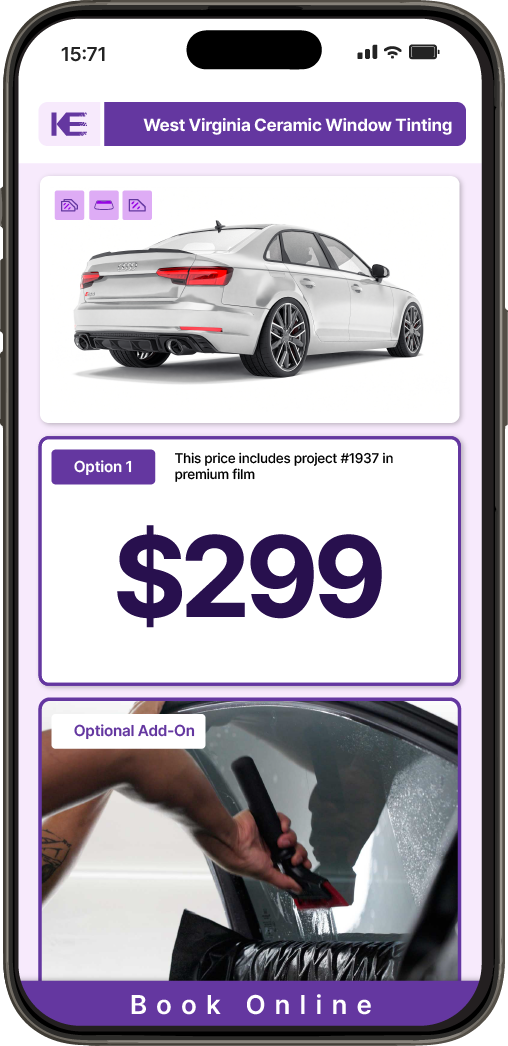
Put your car into the pricing tool for an indicative figure, then send the enquiry. Kepler passes it to the closest dealer, who confirms the price and the fitting with you directly.

Why Drivers Choose Kepler Ceramic Film

Talk to Kepler About Ceramic Film

Tell us what you want tinted and leave your details. Kepler makes the introduction and the closest dealer takes it from there, discussing the film, the scope and the price with you. Confirm availability and timing with them before making arrangements.
West Virginia, United States
Follow Kepler

Common questions about ceramic window tinting in West Virginia.