Kepler logoWest Virginia

Tesla Window Tinting in West Virginia

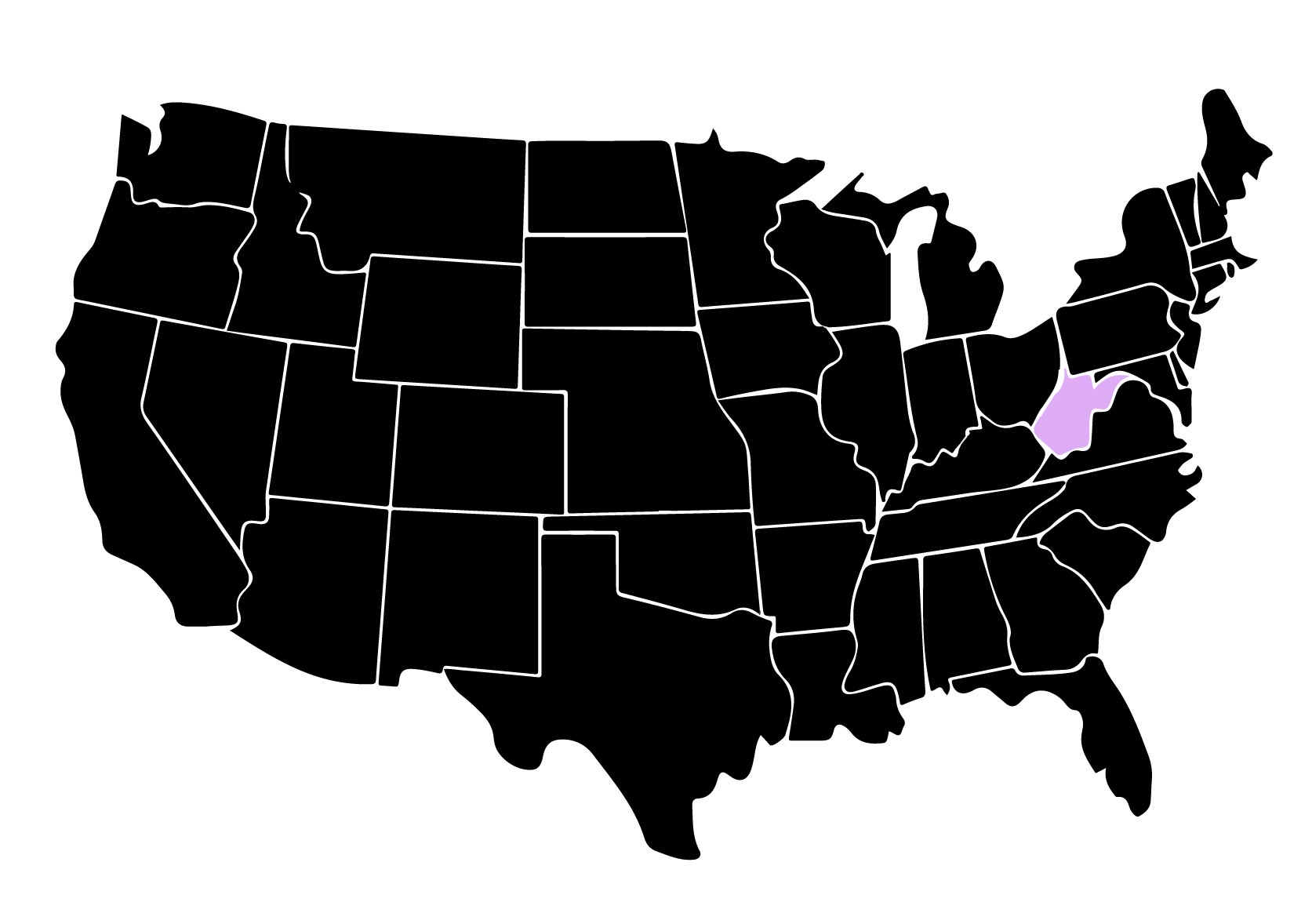
Explore West Virginia

Tinting Your Tesla in West Virginia

You pick how dark you want the glass. The film handles the heat behind it, and West Virginia's 35% rule decides how dark you can go.

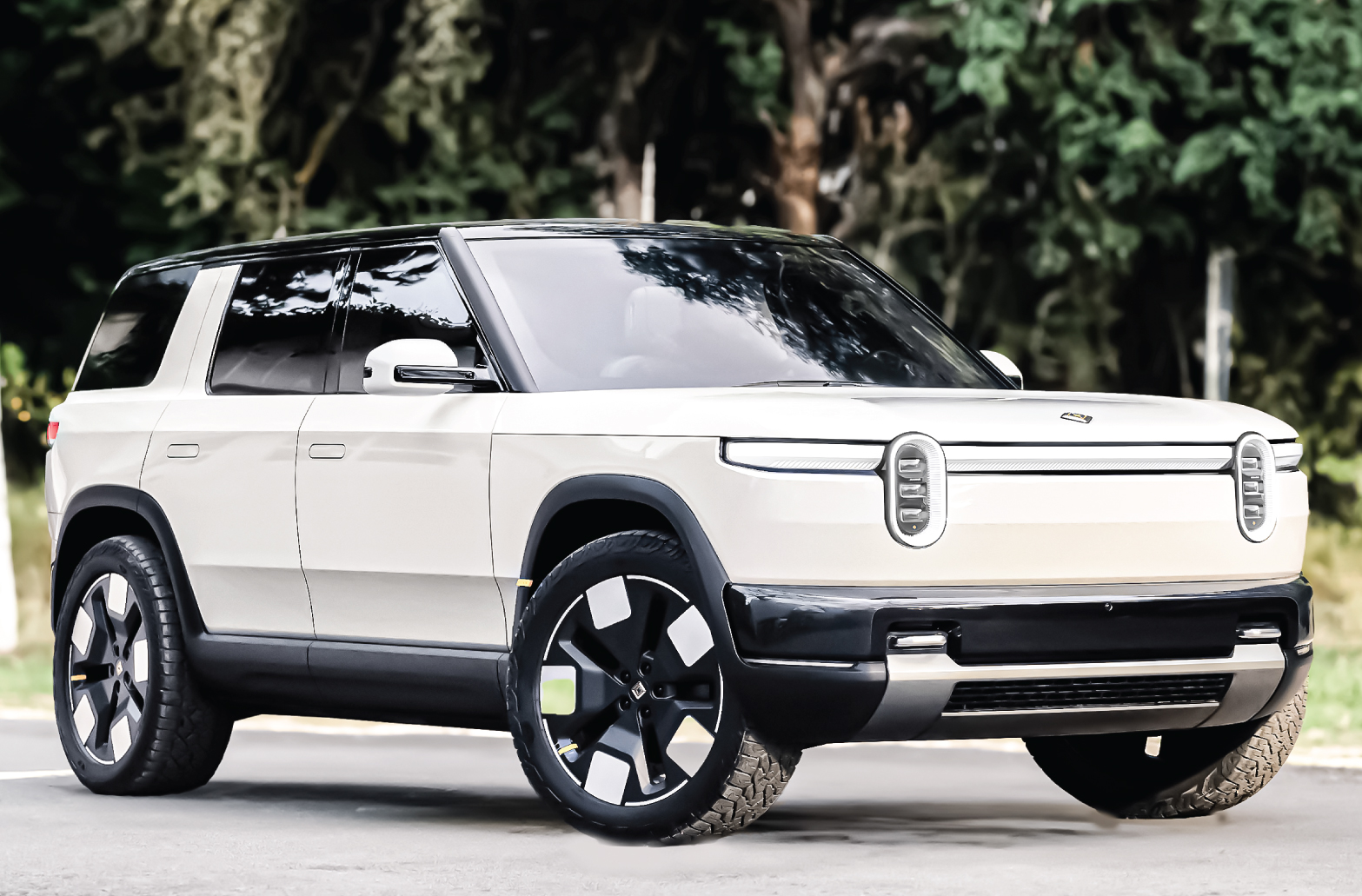
TeslaTesla
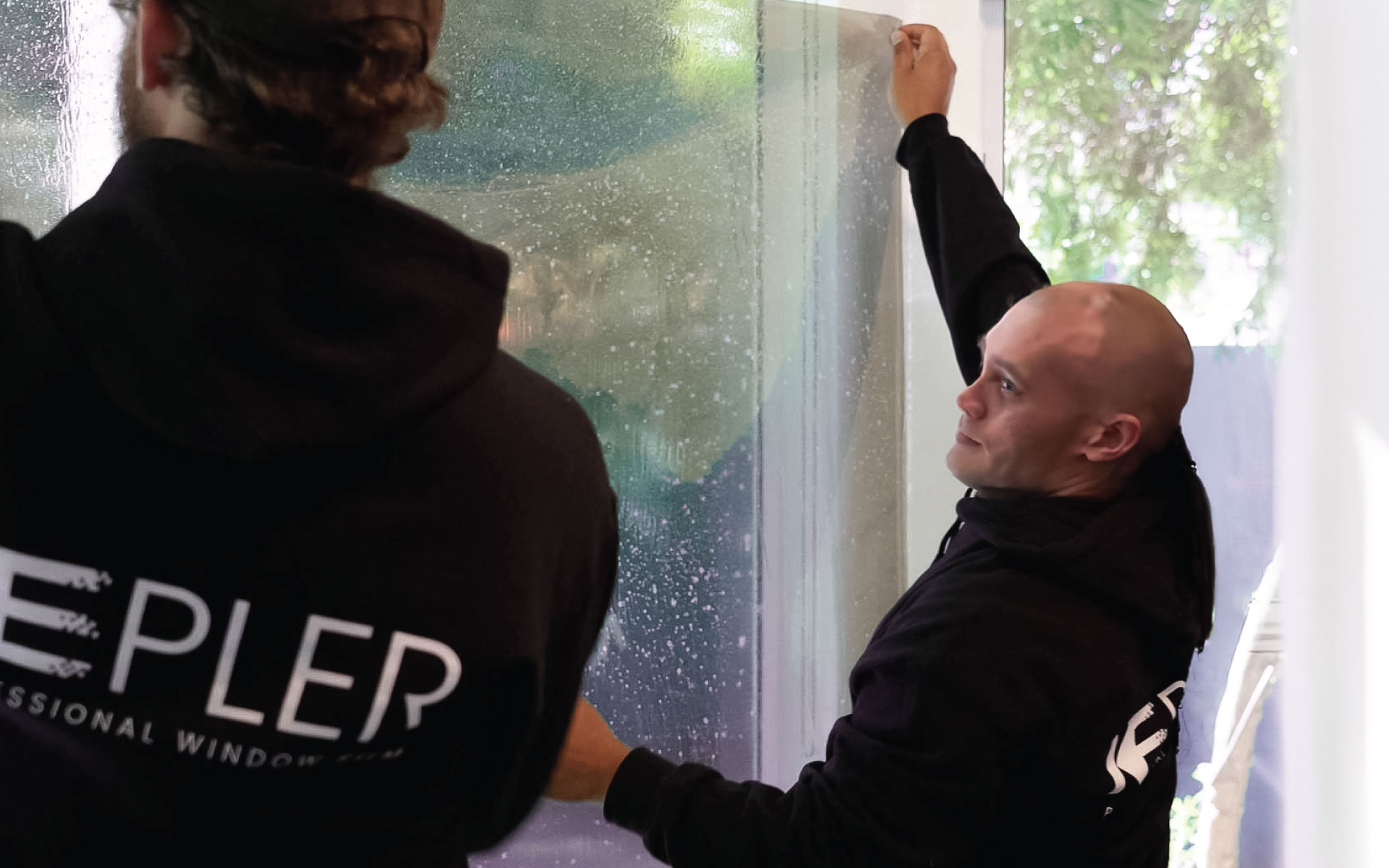
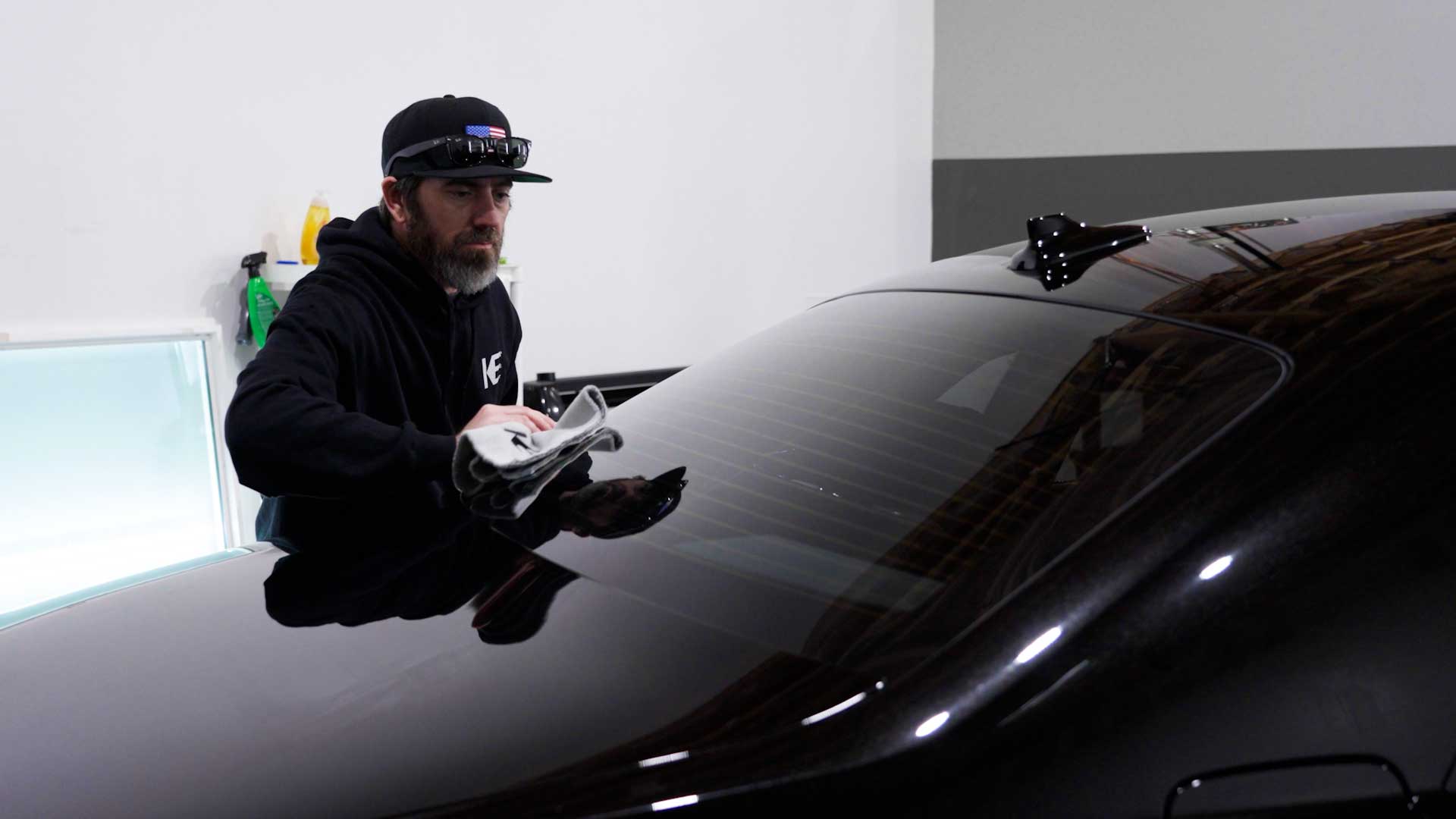
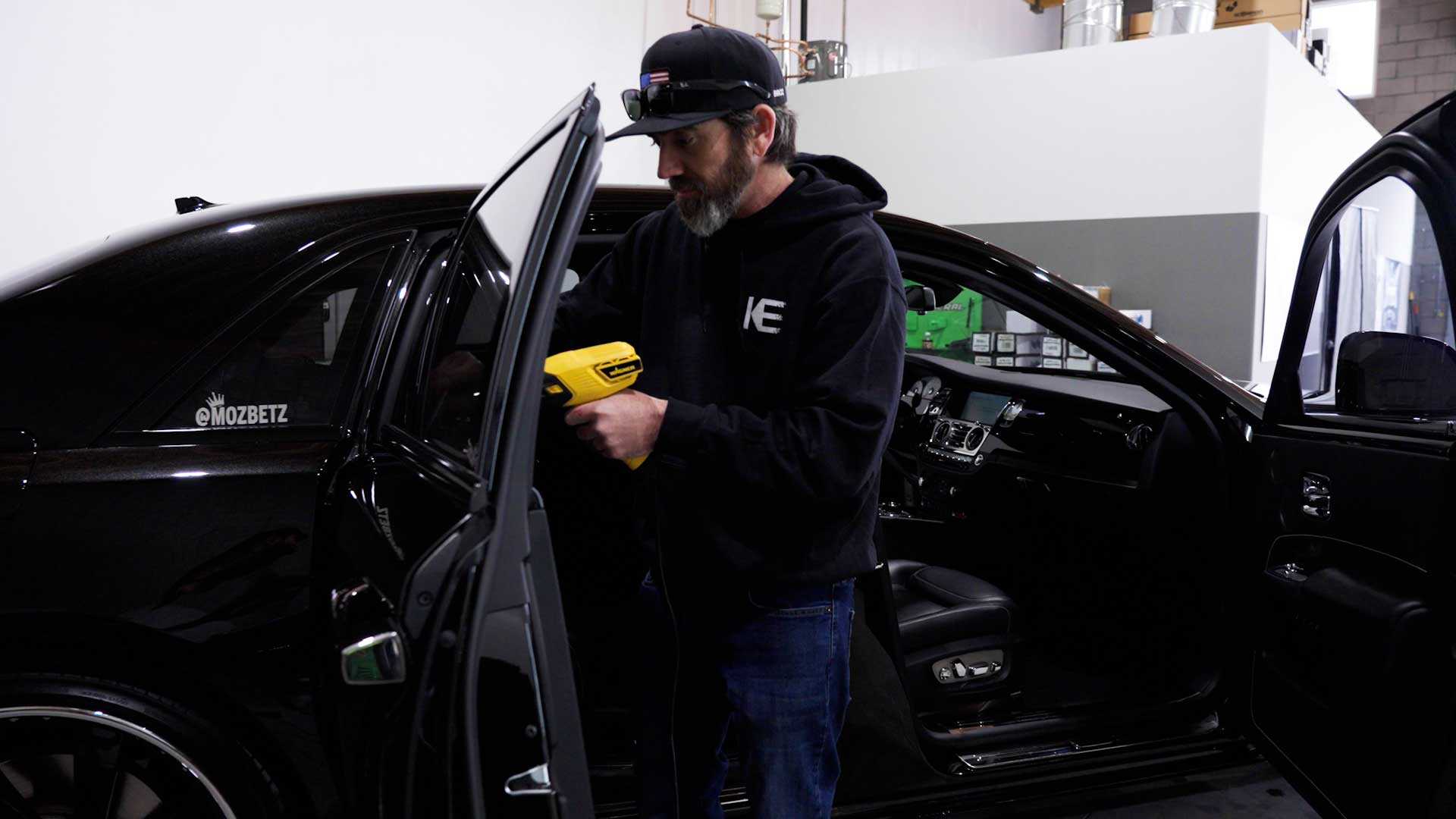
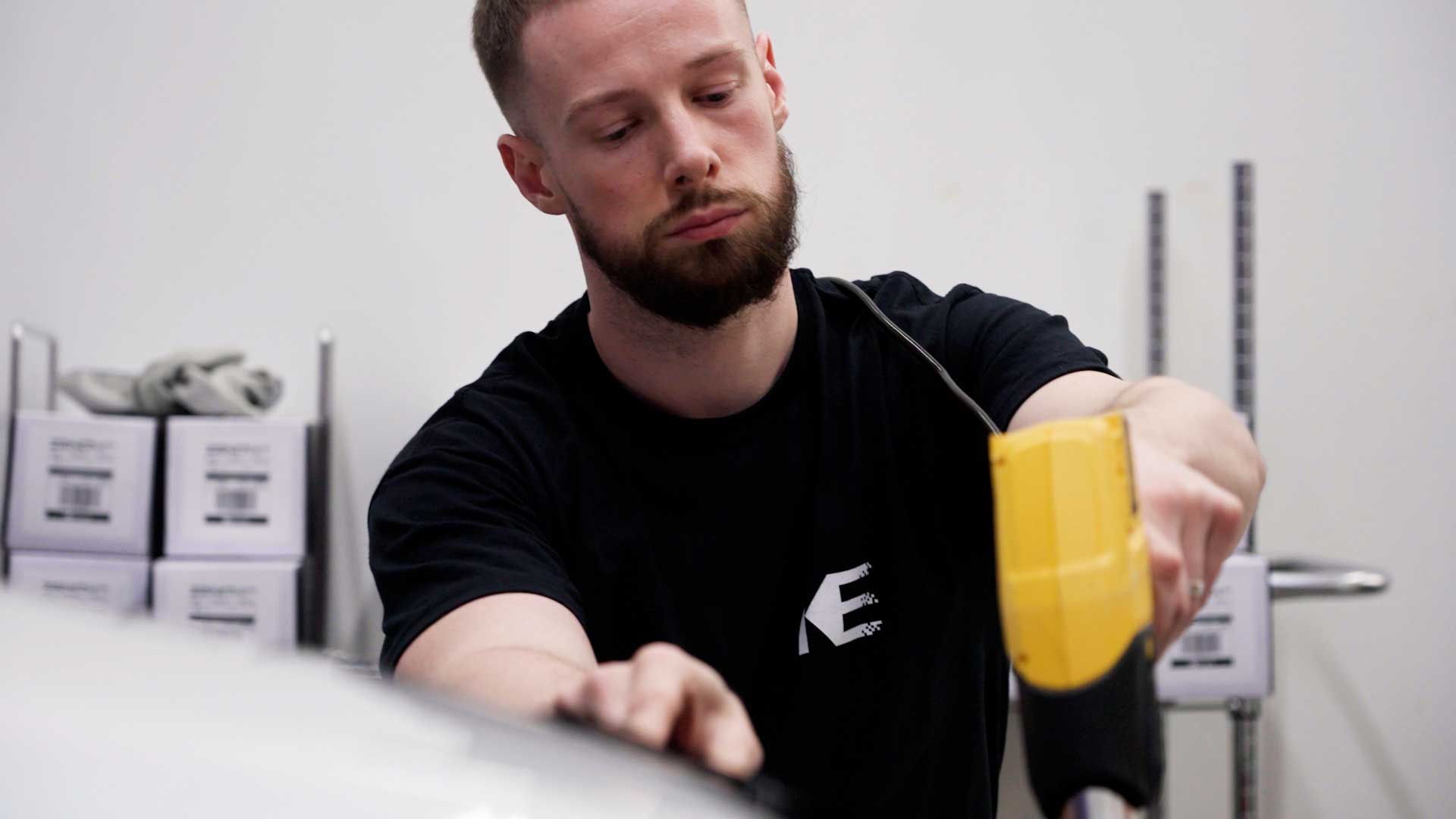
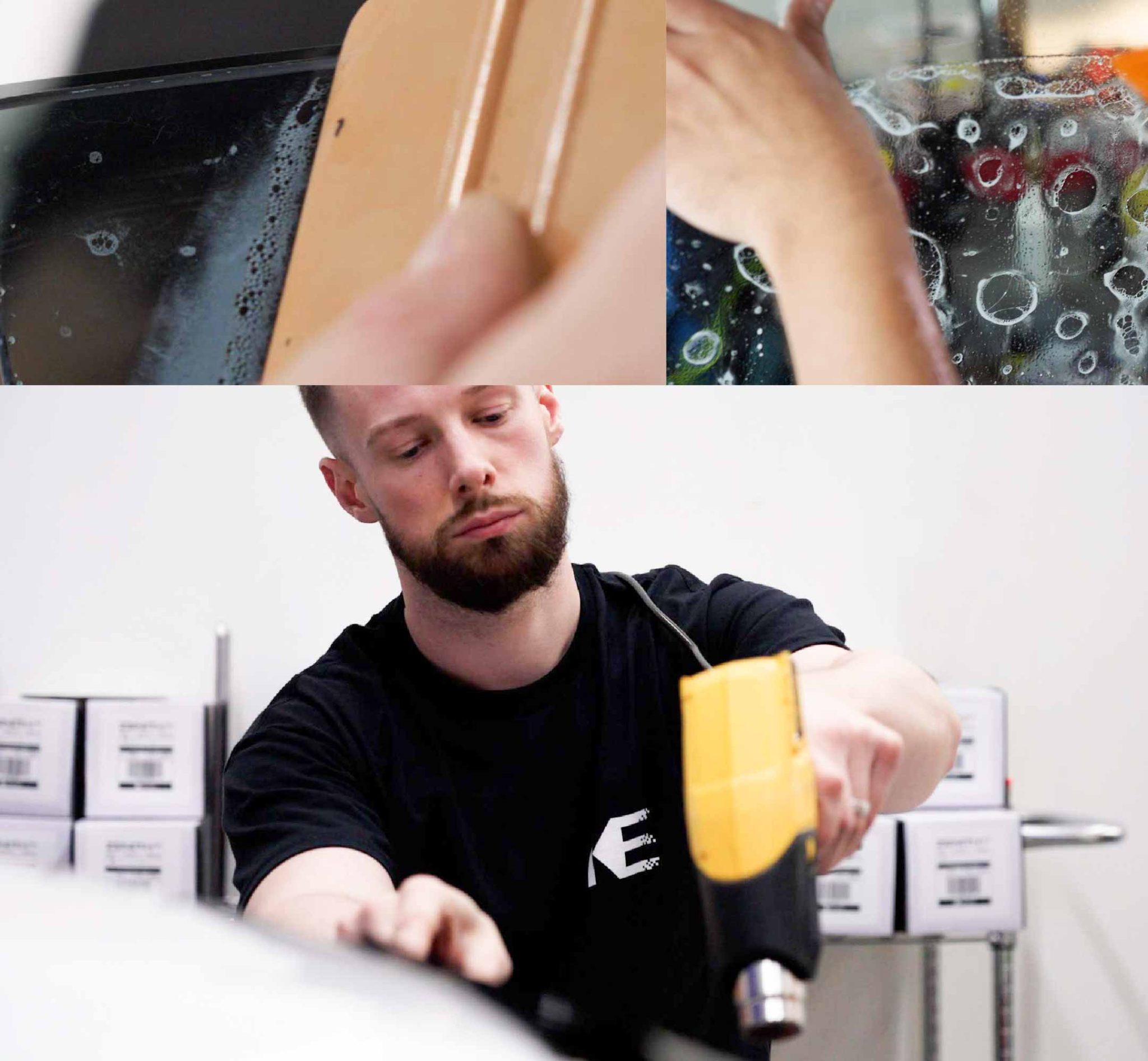
Kepler Technician Applying High-tech Window Tint to Tesla

Choose Your Shade and Your Range

Kepler makes two ceramic ranges, and both cut the infrared heat that makes a parked car unbearable — Kepler IR by 81%, IR+ by 98% on its darker shades. Neither uses dye or metal. an independent local tinter fits whichever you settle on.

Explore our Tesla window tinting options.

Factory Glass, Added Film

Whatever tint your Tesla left the factory with stays as it is — West Virginia's rules do not touch glass the manufacturer darkened. What gets metered is what is added afterwards. On a passenger car that means every side and rear window, not just the two beside the driver, so the dark rear glass that passes in other states does not automatically pass here.

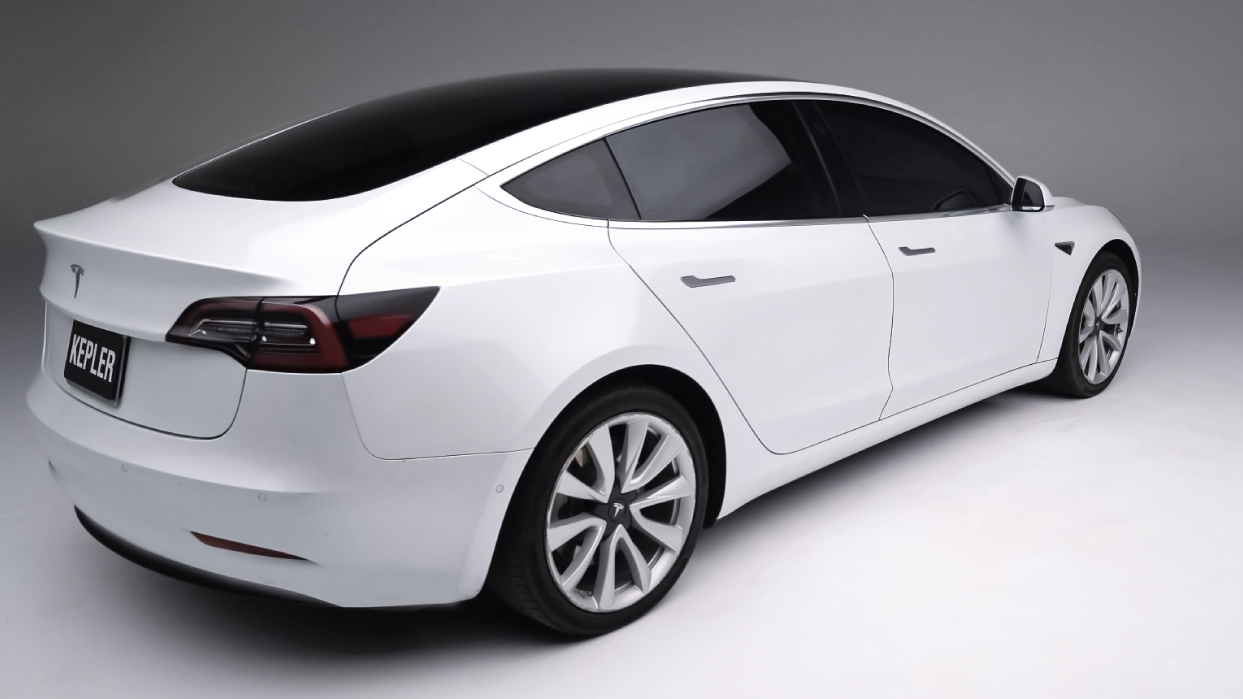
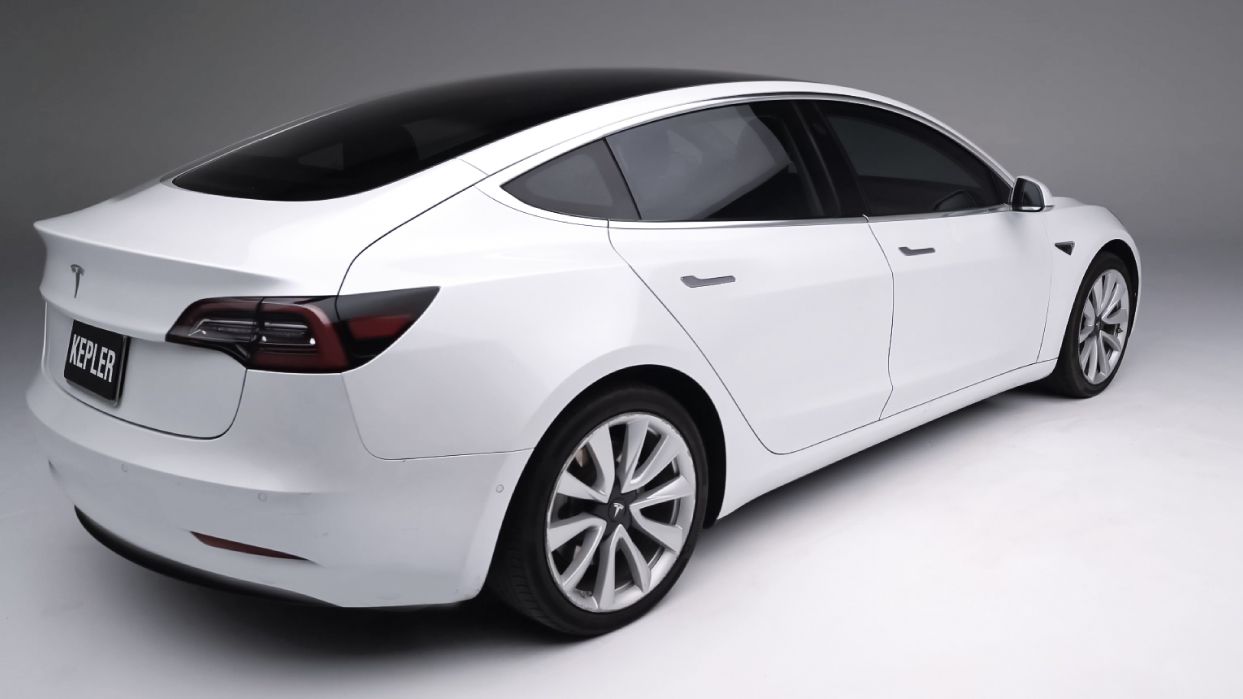
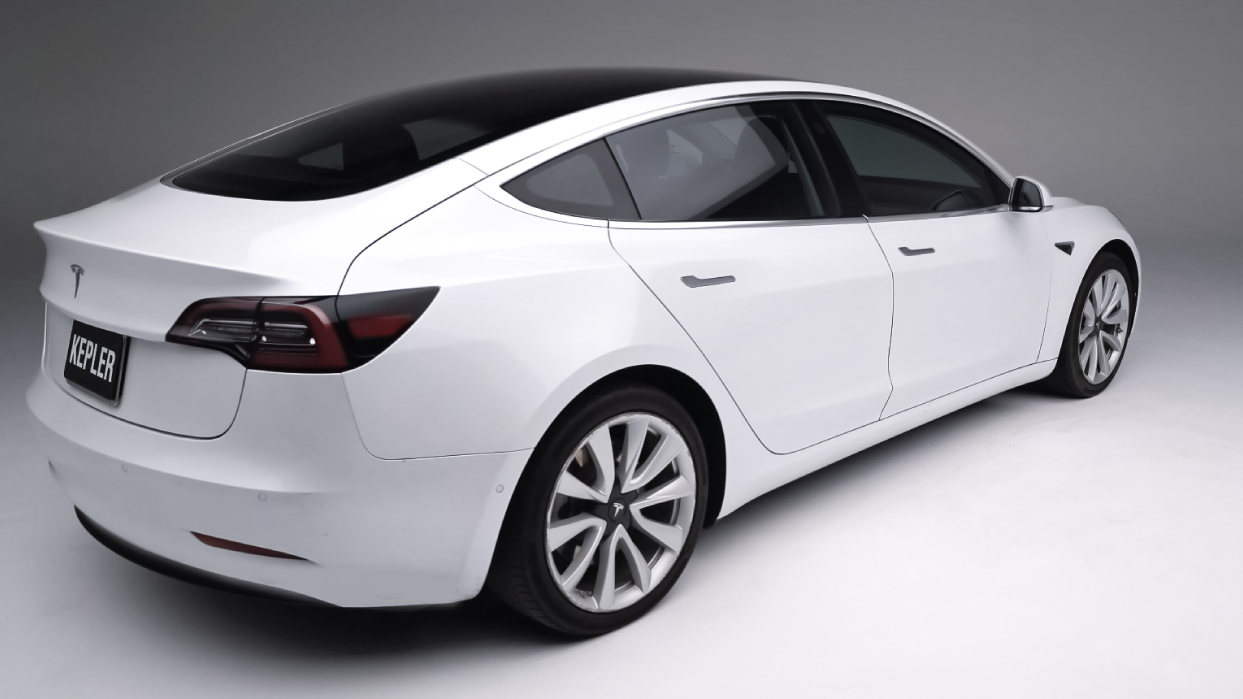
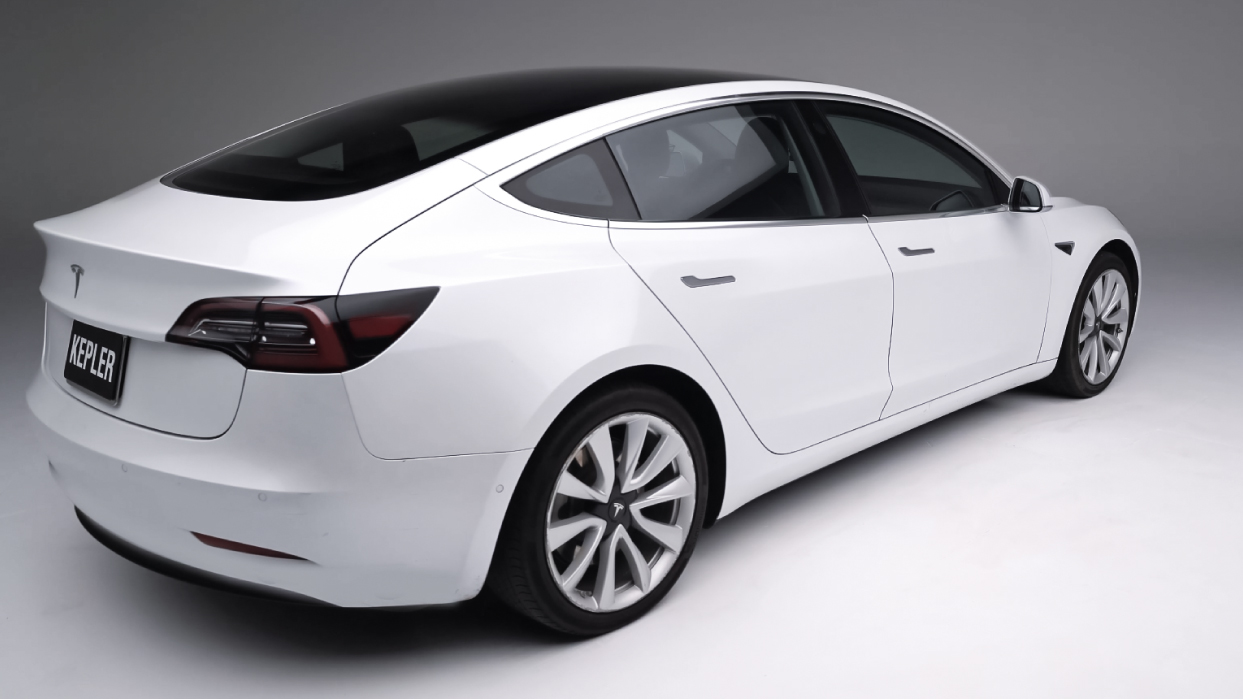
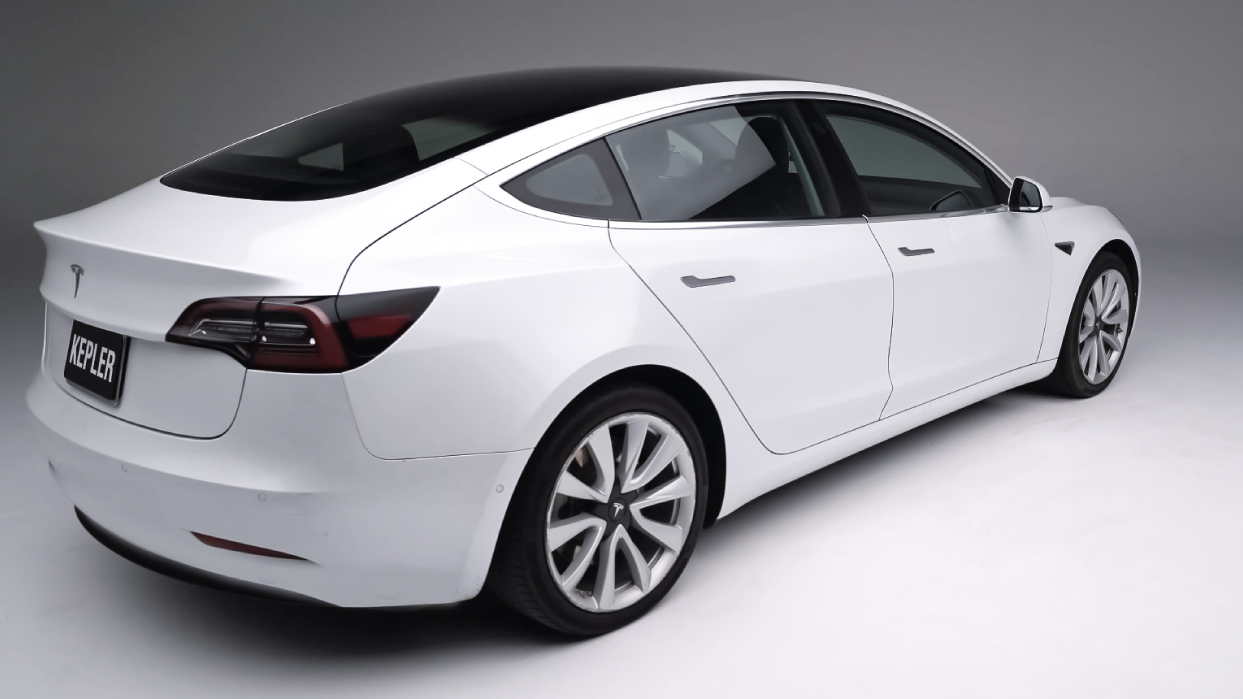
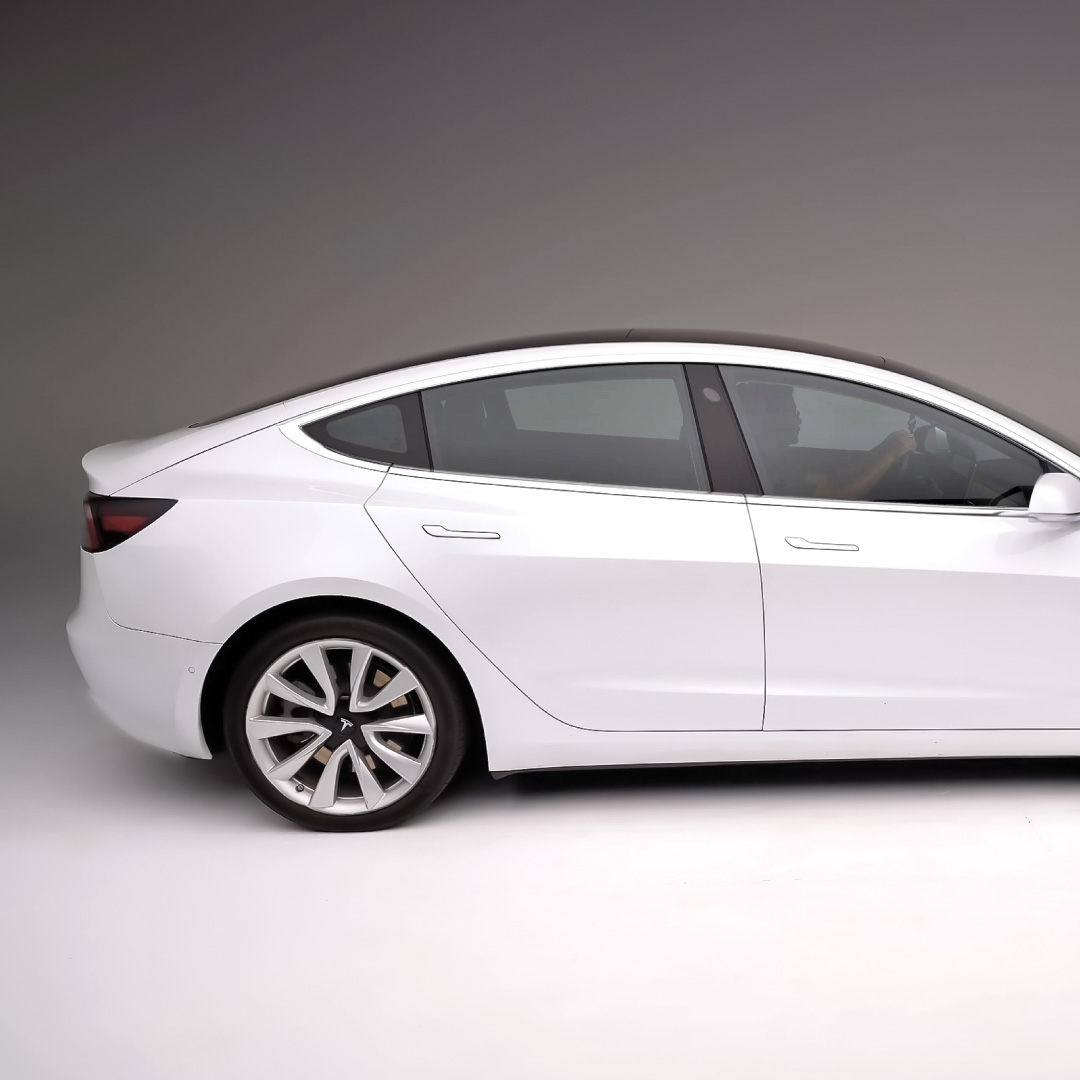
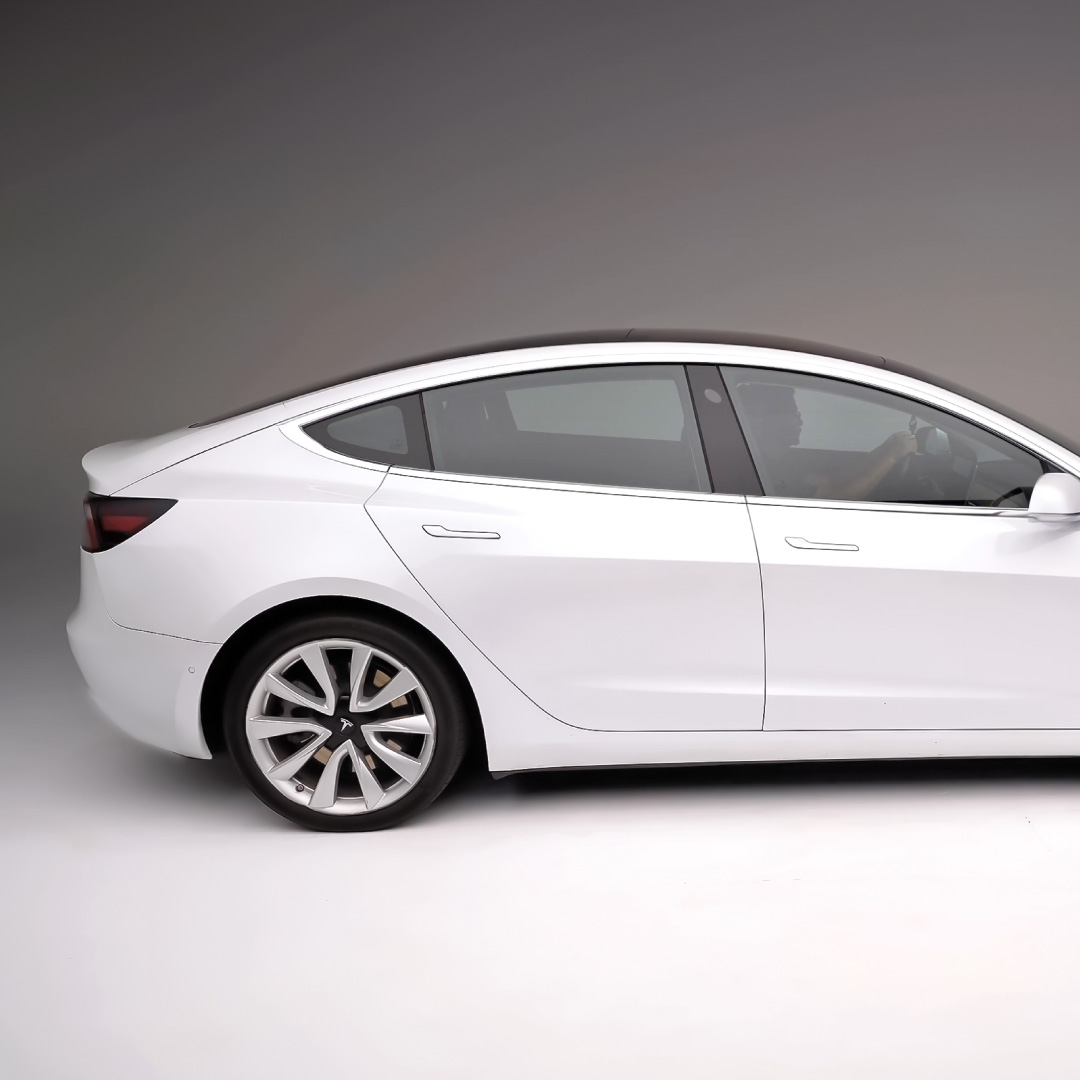
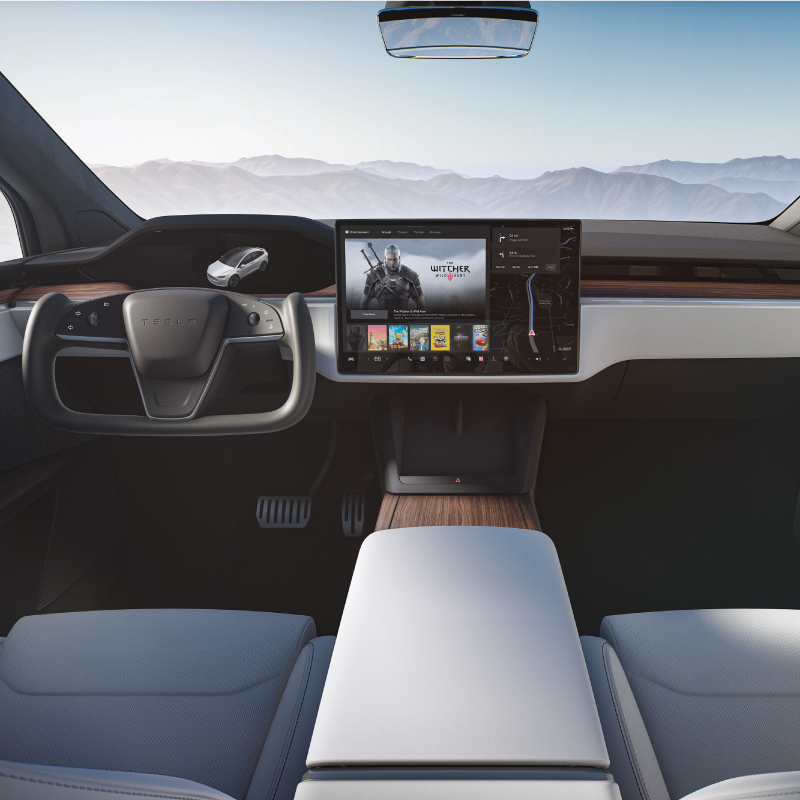
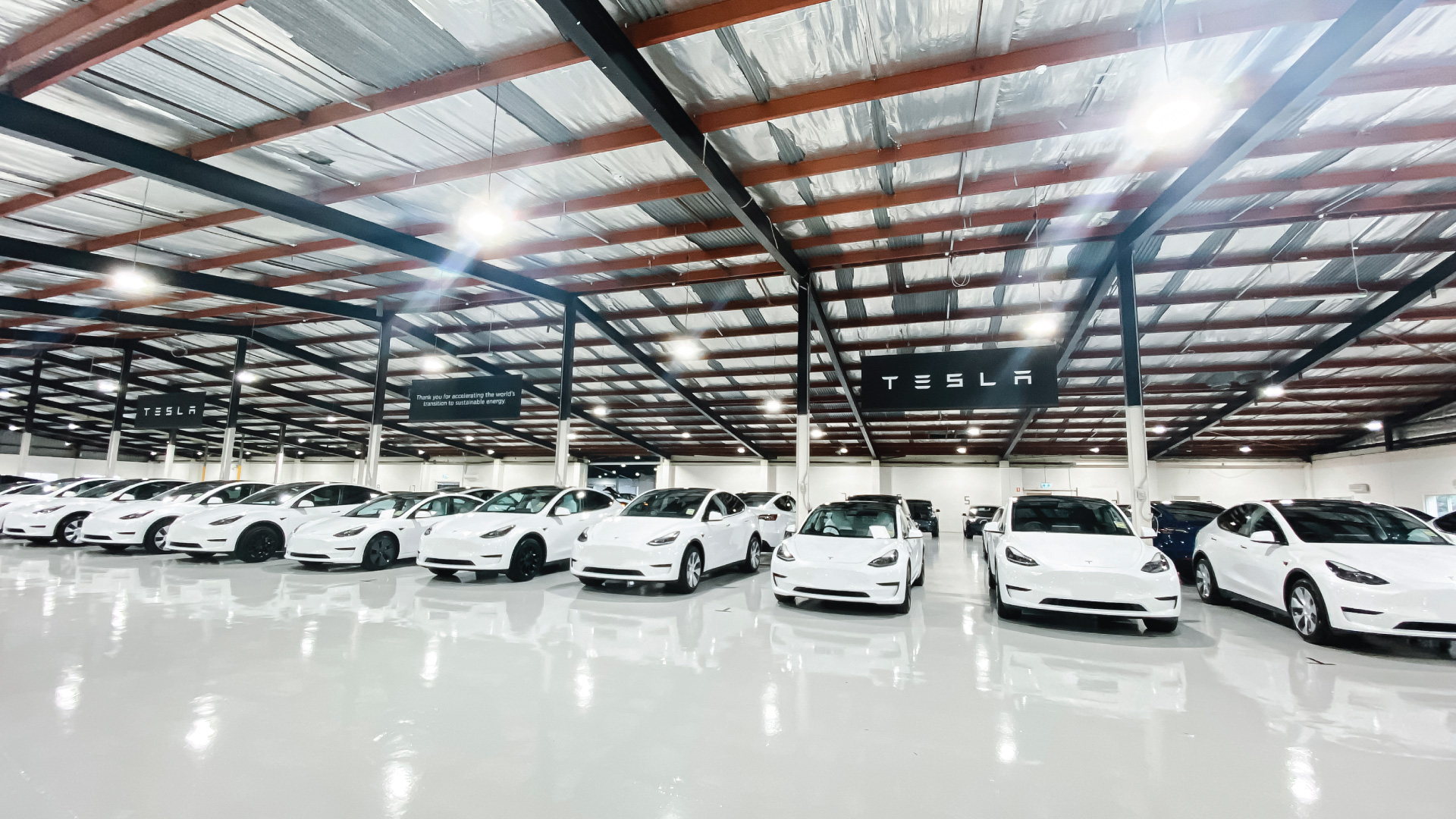
Straight from the factory

Keeping the Heat Out of the Cabin

When you want a cooler cabin, the figure to compare is total solar energy rejected — 72% on the darkest shade, 51% on the lightest. It will not promise you extra range, and no honest number can. What it tells you is how much of the sun's energy stays outside the glass.

Save up to 1 kWh per hour for air-con

Which Number Actually Matters

Infrared rejection sounds like the headline number, and at 98% it is a big one. But it covers just one band of the sun's energy. Total solar energy rejected covers the lot, and that is the figure worth comparing — as long as you compare it with the same measurement on the same glass.
The Glare and the Fading

Every shade holds out more than 99% of ultraviolet, so your seats and dash are covered whichever one you choose. Glare is where they differ: Nebula cuts 95% of it, Photon 20%. That matters more here than raw heat, because West Virginia averages fewer than three days a year above 95F, and low winter sun on a clear morning is just as hard on your eyes.

Charge less with energy savings

The Kepler IR+ Ceramic Range

Kepler IR+ does its work with ceramic rather than dye or metal. A high-purity ceramic layer handles the sun, an Ultra Bond adhesive holds it to the glass, and a Scratch Guard+ coat faces into the cabin — 1.5 mil all in. It is why Stratum, at 46% light through, holds out as much infrared heat as the darkest film in the range.

No Dyes, No Metal Layers

No dyes, no metal layers. A high-purity ceramic layer does the solar work instead, and Kepler says that construction leaves signal clarity uncompromised.

What the Numbers Actually Say

Three numbers get quoted and they do not mean the same thing. Visible light transmission is how much light gets through the finished window, and it is the one West Virginia's 35% rule is written against. Infrared rejection covers one band of the sun's energy. Total solar energy rejected covers all of it. Kepler publishes all three for every shade, so you can look up the one that answers your question instead of the one that sounds biggest.

Automotive window film

Multi-Layer Technology

Three parts to it: the Ultra Bond adhesive against the glass, the ceramic layer that does the solar work, and the Scratch Guard+ coat facing into the cabin. 1.5 mil in total, the same in every shade.

1Glass
2Ultra Bond Adhesive
3UV Absorber
4Tinted Film
5Laminating Adhesive
6Nano-Ceramic (IR) Layer
7Scratch Resistant Coating

The Published Figures, Shade by Shade

Every shade holds out more than 99% of ultraviolet. Infrared rejection is 98% on the four darker films and 93% on Photon, and total solar energy rejected falls from 72% to 51% as the shade lightens. Reflectance sits between 6% and 9%, under West Virginia's 20% ceiling.

Up to

98%

IR Heat Reduction

Up to

99%

UV Protection

Up to

96%

Glare Reduction

Review

Warranty terms

Find Kepler Film Near You

Kepler makes the film. Ask a local tinter whether they carry Kepler film or can get it.

Nebula 04% Tesla background

Nebula 04%

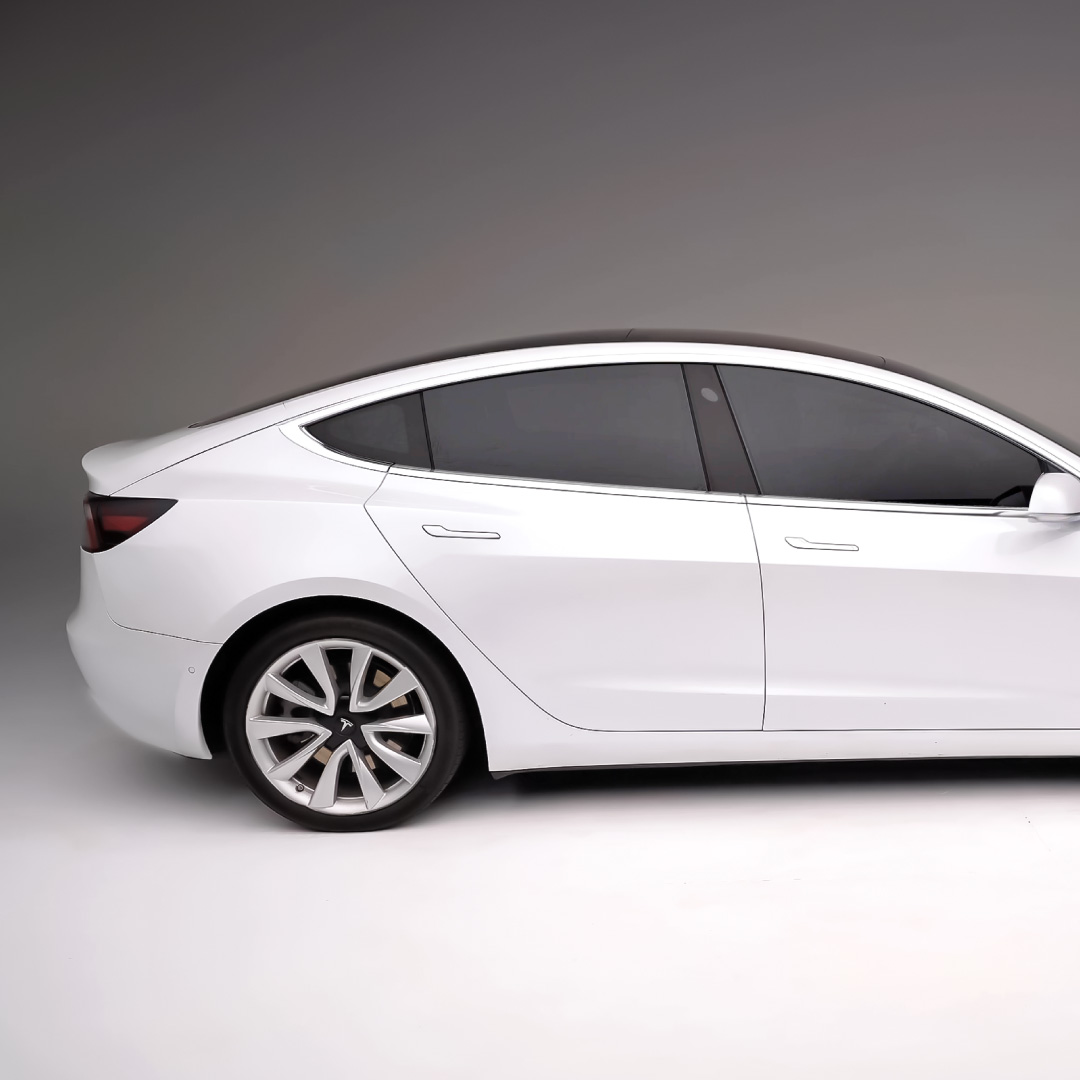
Our darkest film at 4% light through, so the back seat stays your business. Under the state's 35% floor, so check which windows it can go on.

Nebula 04% Tesla detail

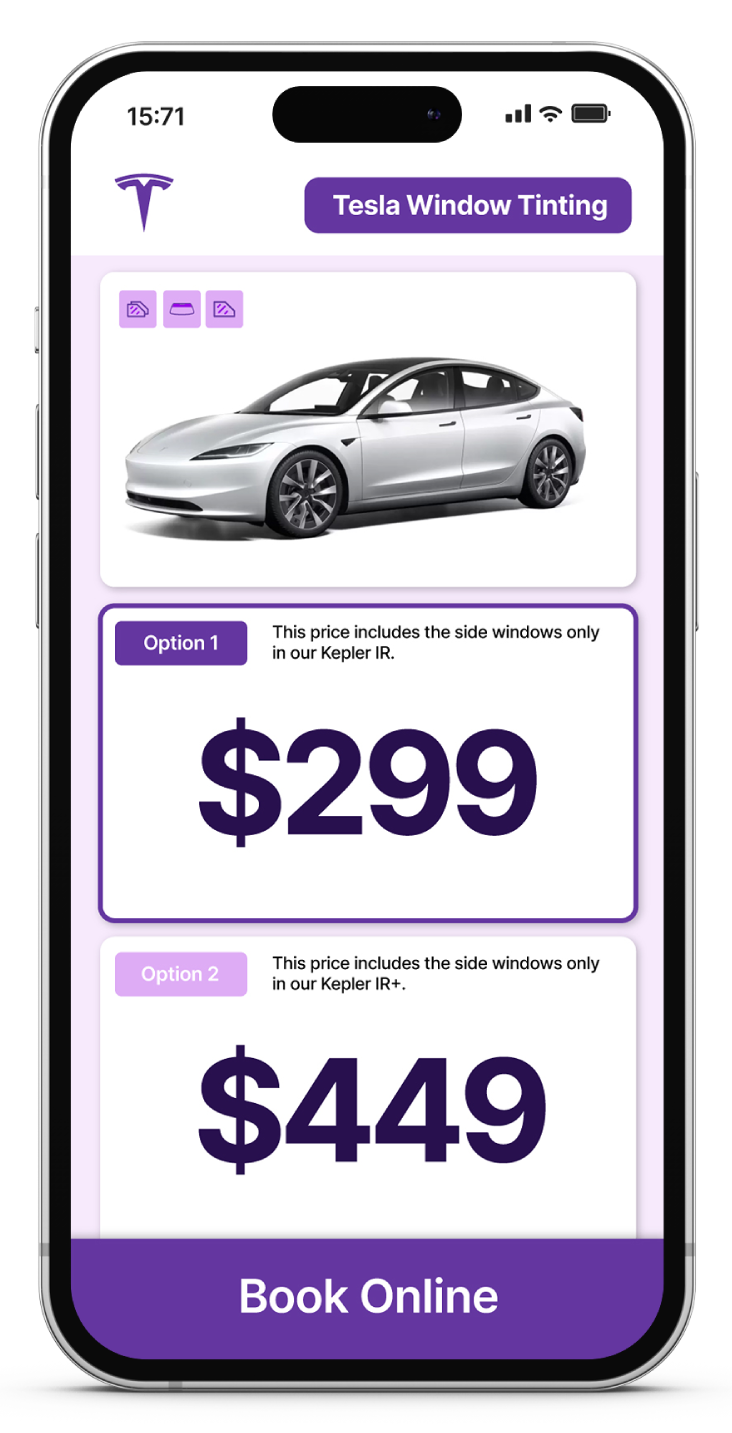
Get a Price for Your Tesla

Tell the form what you drive and which shade you are after. Any figure shown on screen is a rough guide only, and an independent local tinter sets the real price.

Why Kepler Ceramic Film on a Tesla

Talk to a Kepler Dealer

Send the quote form with your Tesla's details and the shade you are weighing up. It reaches an independent local tinter, who confirms the film, the price and the arrangements with you.
West Virginia, United States
Follow Us

Tesla Tinting in West Virginia: Your Questions Answered

Kepler Film on West Virginia Teslas

West Virginia asks something particular of a tint choice. On a passenger car the 35% floor covers every side and rear window, not just the pair beside the driver, so the dark rear glass that passes in other states does not automatically pass here. The climate asks something particular too: the state averages fewer than three days a year above 95F, so the case for film here rests on ultraviolet, glare and what the sun does to an interior as much as on peak heat. Kepler makes the film in five shades and publishes what each one does. an independent local tinter prices the work and fits it.