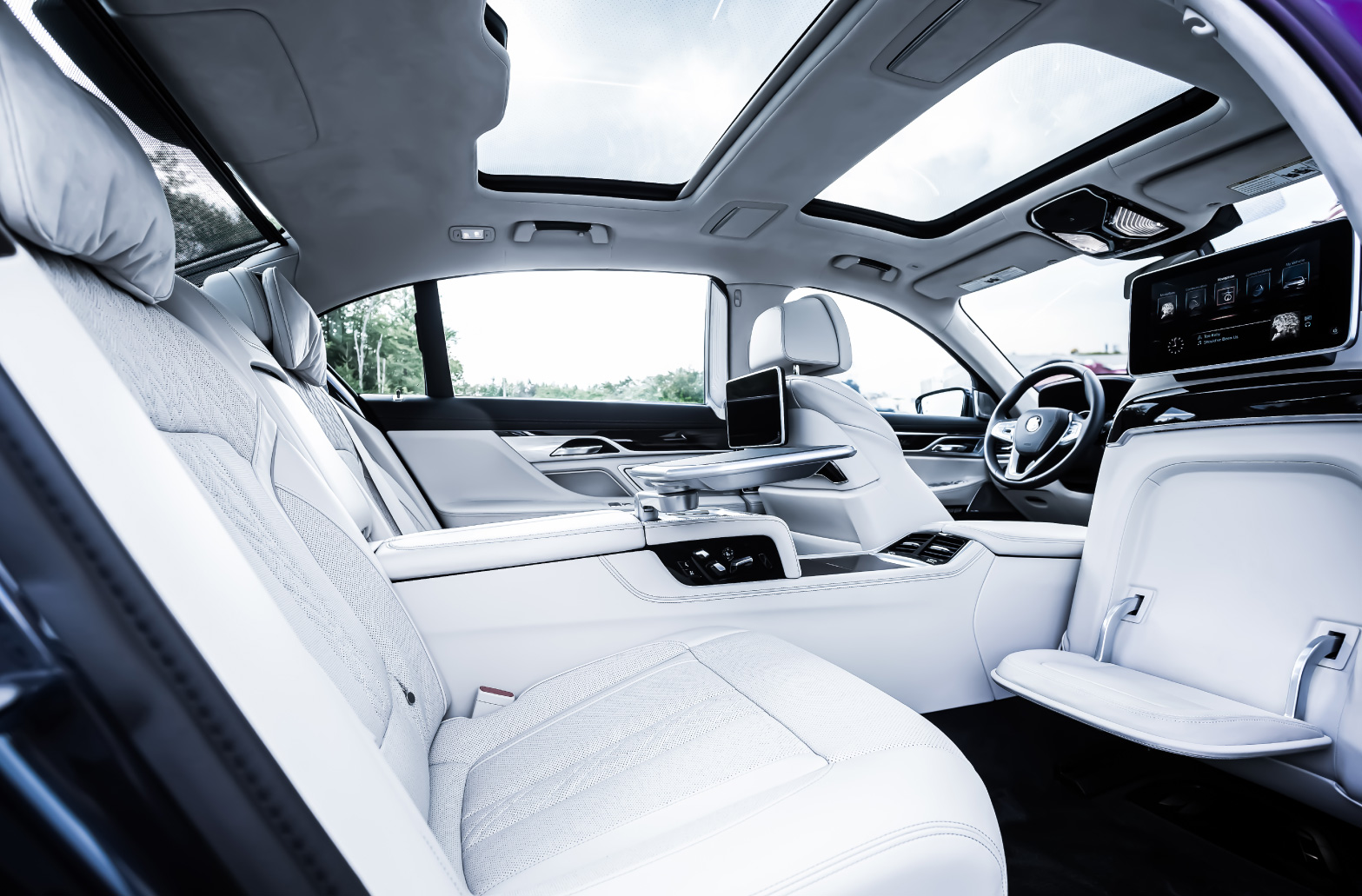
Luxury vehicle interior with Kepler ceramic window tint
Kepler logoVirginia

Ceramic Window Tinting Virginia

Explore Virginia

Ceramic Window Film for Virginia Drivers

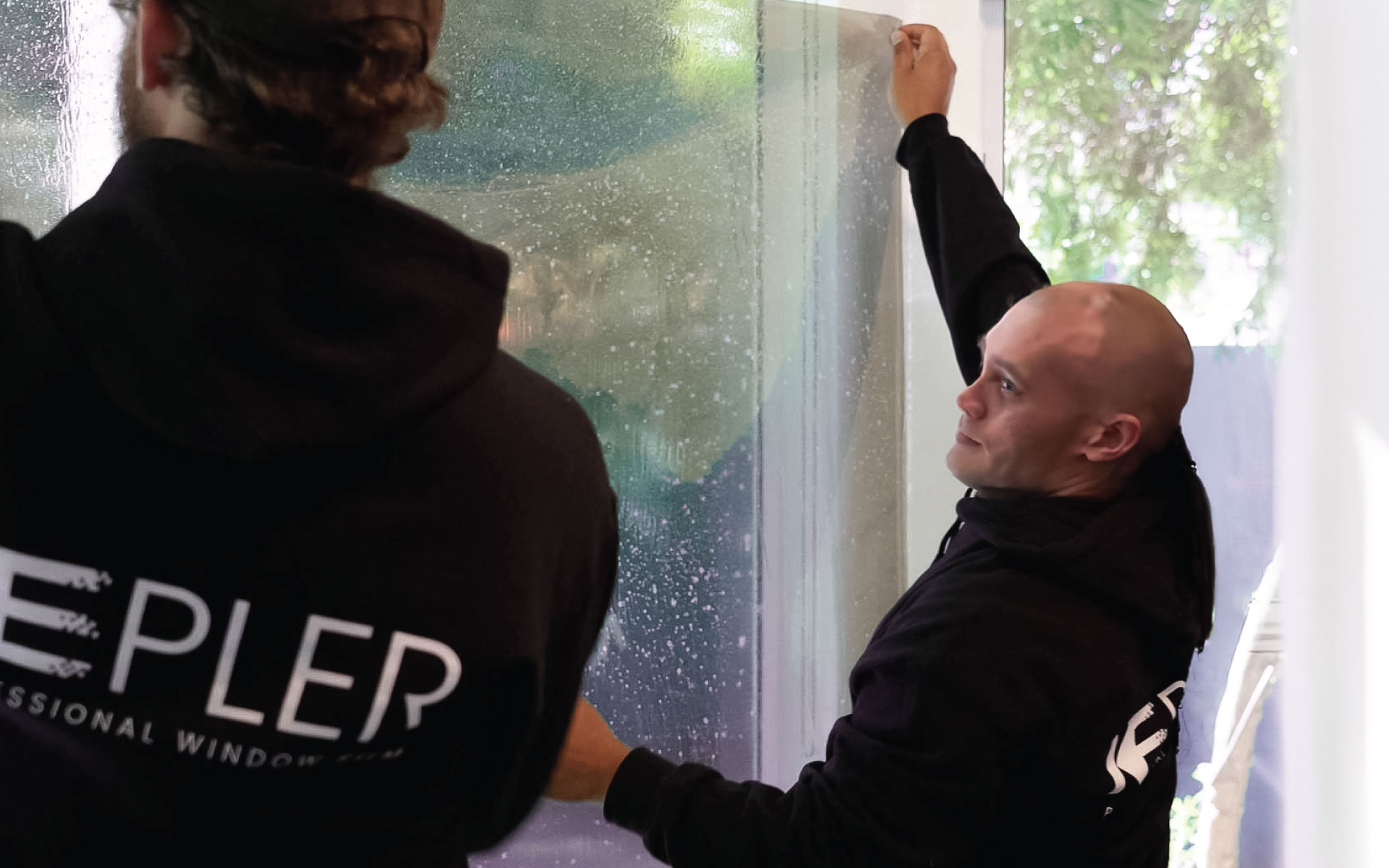
Ceramic film does its heat work with ceramic particles rather than with a dye, so it does not have to be dark to perform, and Kepler describes both of its ranges as non-reflective. There are two of them, IR and IR+, in shades from the near-clear Photon to a Nebula you can barely see through. Choose the one you want and send a quote request; the independent dealer who fits the film takes it from there.

Brand logoTeslaNASA
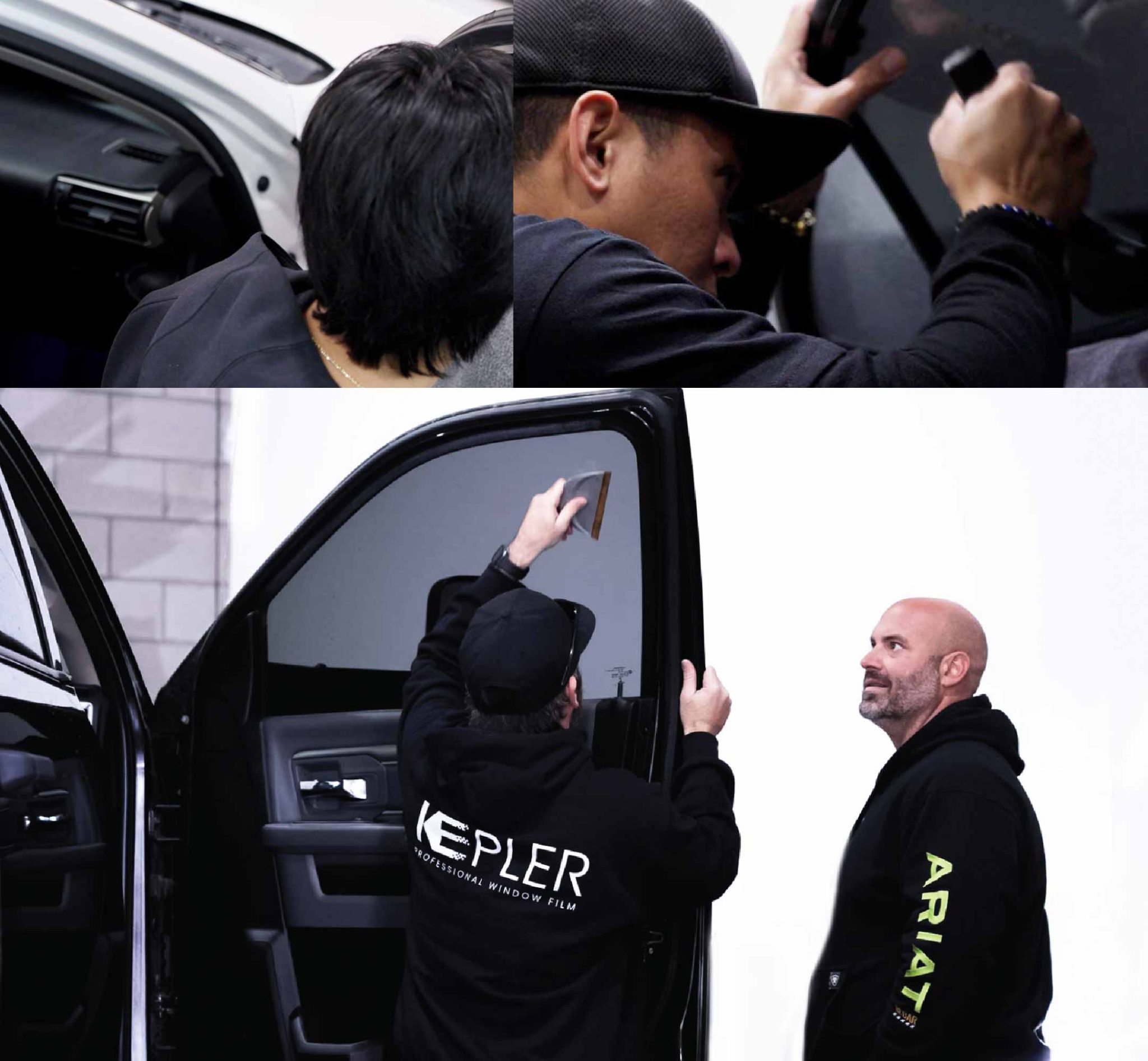
Ceramic Window Tinting Specialist Working

What the Full Package Covers

A ceramic job is more than the two windows you sit between. Run the same shade through the car and the cabin feels the same wherever anyone is sitting. Virginia sets its limits window by window, though: the front side glass has to stay at 50% light transmittance or above, while the rear is allowed to go darker. Worth settling with your dealer when the quote comes back.

What Ceramic Film Changes

Harder to See In

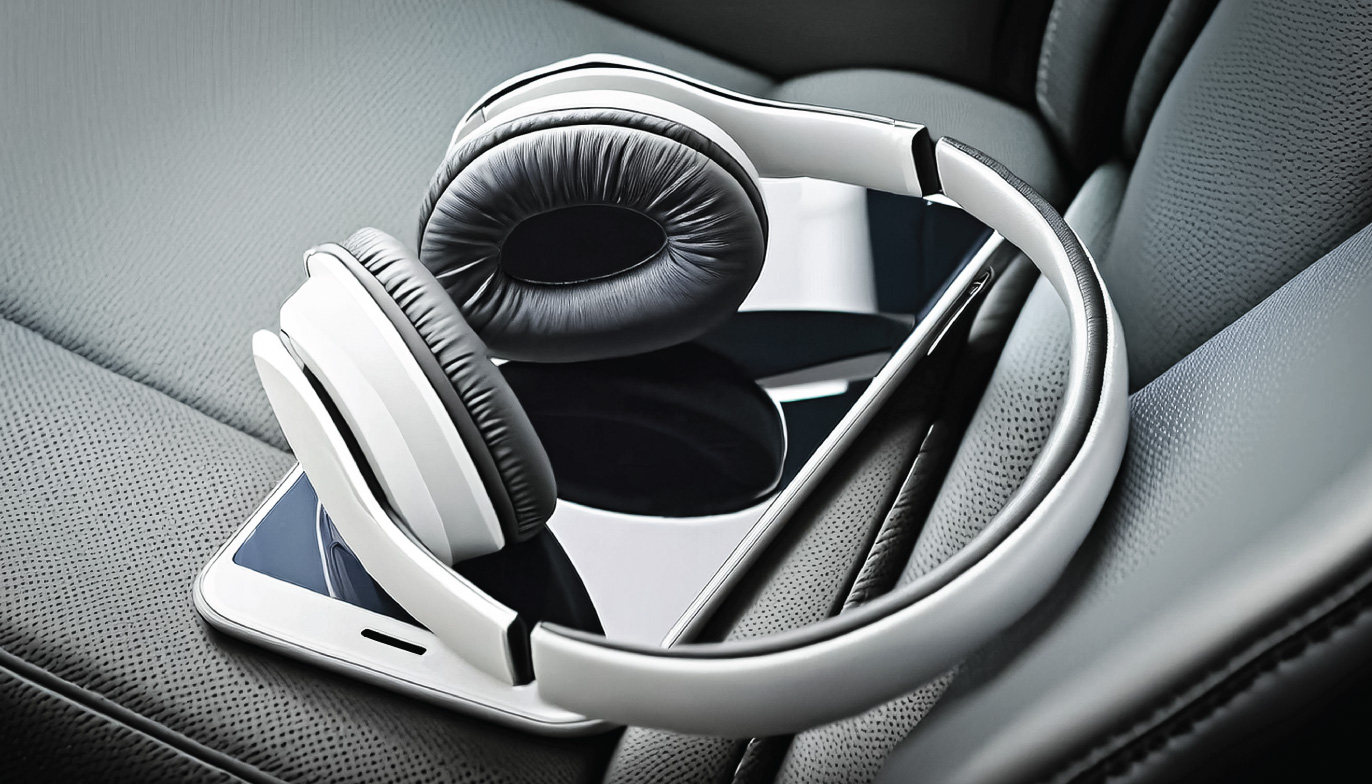
Ceramic film makes the inside of a car much harder to read from the pavement, and at Nebula’s 4% light transmission it is near enough impossible. The darker the shade you choose, the less of the cabin anyone outside can make out.

Headphones-On-Seat
Security

Ceramic Technology

Ceramic, Not Dye and Not Metal

Kepler IR and IR+ are nano-ceramic films: the heat is handled by a ceramic layer rather than by a dye, and IR+ is built metal-free, without dyes or metals. Kepler describes both ranges as non-reflective and signal-friendly, so there is nothing in the glass sitting between your phone or GPS and the signal outside. Both are 1.5 mil, bonded with Ultra Bond adhesive and finished with a Scratch Guard+ coat.

The Figures Kepler Publishes

Kepler publishes its figures shade by shade. On IR+, infrared rejection holds at 98% down to Stratum, while glare and total solar rejection move with the shade.

What the nano-ceramic layer actually does

Ceramic particles in the film absorb infrared — the heat you feel — before it reaches the cabin. Because the ceramic does that and not the darkness, a light shade cools nearly as well as a dark one.
The Six Layers on Your Glass

The diagram works outwards from the glass: Ultra Bond adhesive, a UV absorber, the tinted film, a laminating adhesive, the nano-ceramic layer that does the infrared work, and a scratch-resistant top coat. Six layers over 1.5 mil, with the same Ultra Bond adhesive and Scratch Guard+ coating listed on both ranges.

1. Glass
2. Ultra Bond Adhesive
3. UV Absorber
4. Tinted Film
5. Laminating Adhesive
6. Nano-Ceramic (IR) Layer
7. Scratch Resistant Coating

Ceramic Options

Kepler IR or Kepler IR+?

Both ranges are built the same way, hold ultraviolet under 1% and carry the same cover for as long as the original owner keeps the car. The difference is infrared: 81% on IR, 98% on IR+. If the car lives outside through a Virginia summer, that is the gap worth thinking about.

Option 01

Kepler IR

Up to 81% infrared rejection and under 1% UV, in four shades from the near-black Nebula to a light everyday Stratum.

Up to

81%

Heat Reduction

Up to

99%

UV Protection

Up to

96%

Glare Reduction

Review

Warranty terms

Option 02

Kepler IR+

Lifts infrared rejection to 98% and adds a fifth shade, Photon, which stays near-clear and still stops 93%.

Up to

98%

Heat Reduction

Up to

99%

UV Protection

Up to

96%

Glare Reduction

Review

Warranty terms

Ceramic Window Tinting Across Virginia

Kepler film is fitted by independent dealers rather than in Kepler shops, so the place to start is a quote request. The towns listed below each have their own ceramic tinting page; open the one nearest you and send your details from there.

Automotive window film shade preview

Nebula 04%

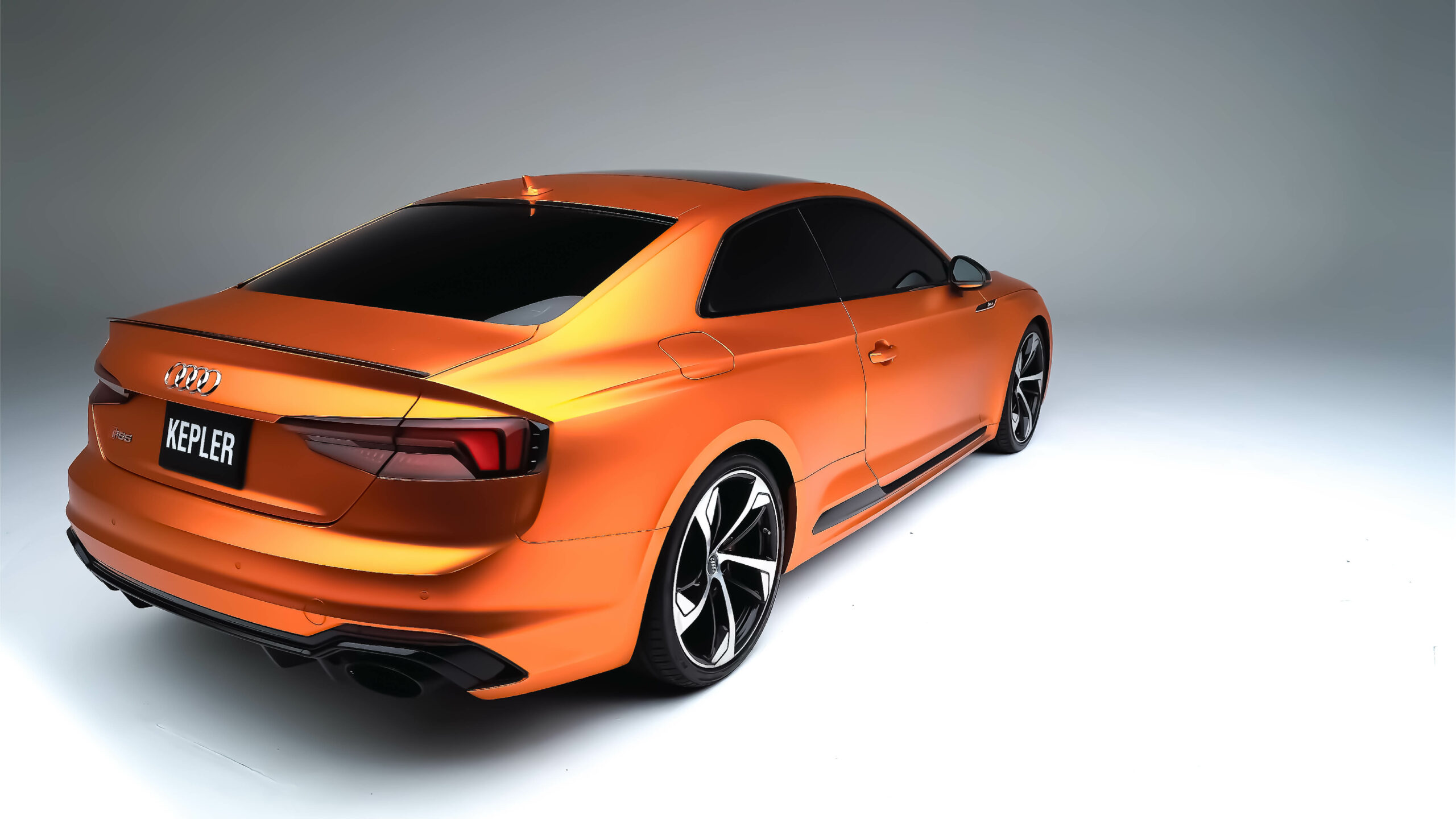
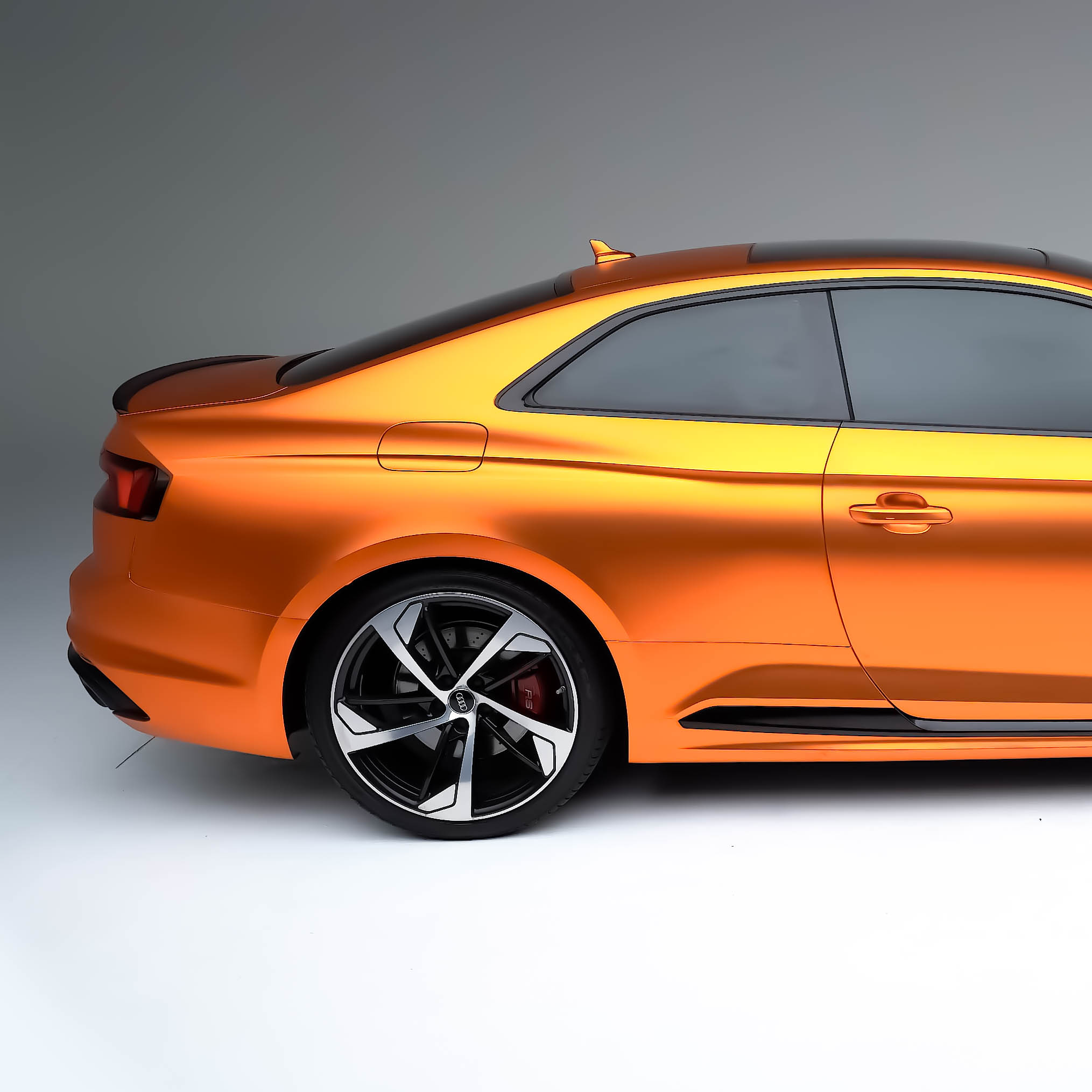
The darkest shade we make. At 4% light transmission, the back seat stays your business.

Automotive window film shade preview — side view

Not sure which shade to choose?

Shade is the hard part to judge from a table of percentages. See every film rendered on a car you can turn, and compare 20% against 33% before you commit to either. View the films in the Kepler Experience.

Get a Quote for Your Ceramic Tinting

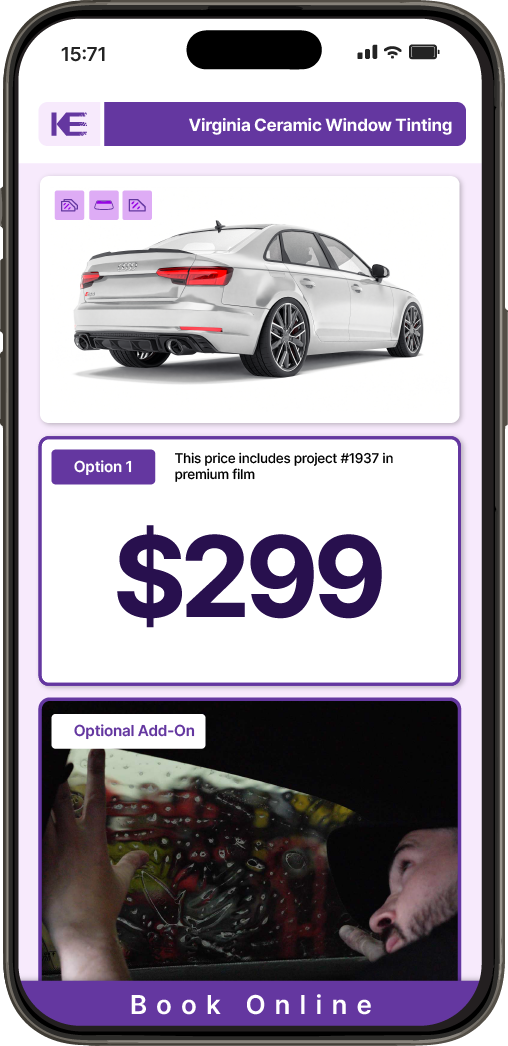
Choose your car and send your details, and the enquiry goes to an independent local tinter. The figure on the estimate screen is illustrative; the quote is the one that comes back from the dealer who would fit the film.

Why Choose Kepler Ceramic Film

Ceramic Tinting Enquiries in Virginia

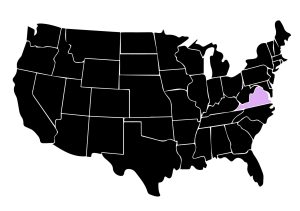
Tell us what you drive and which windows you want tinted, and leave a phone number or email you actually use. The film, the price and the fitting are agreed with the Kepler dealer who picks the enquiry up. The map above shows the Commonwealth, not a dealer address.
Virginia, United States
Follow Kepler

Ceramic Window Tinting in Virginia: Your Questions