Kepler logoUtah

Tesla Window Tinting in Utah

Explore Utah

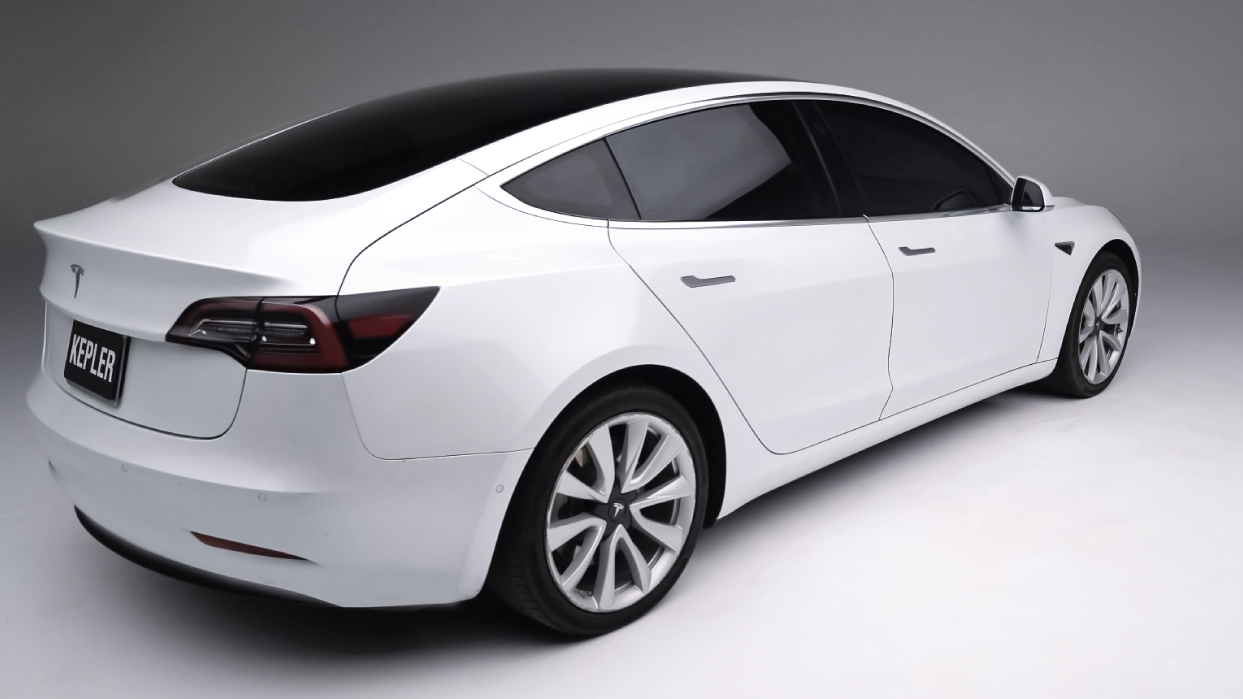
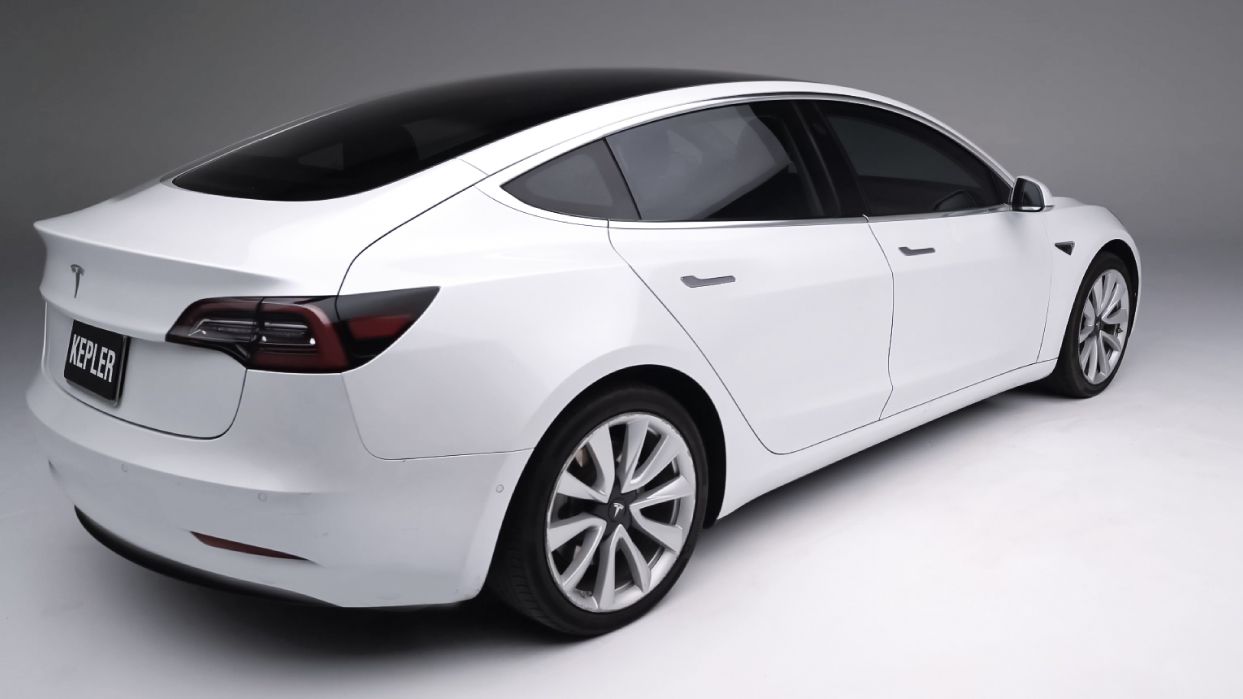
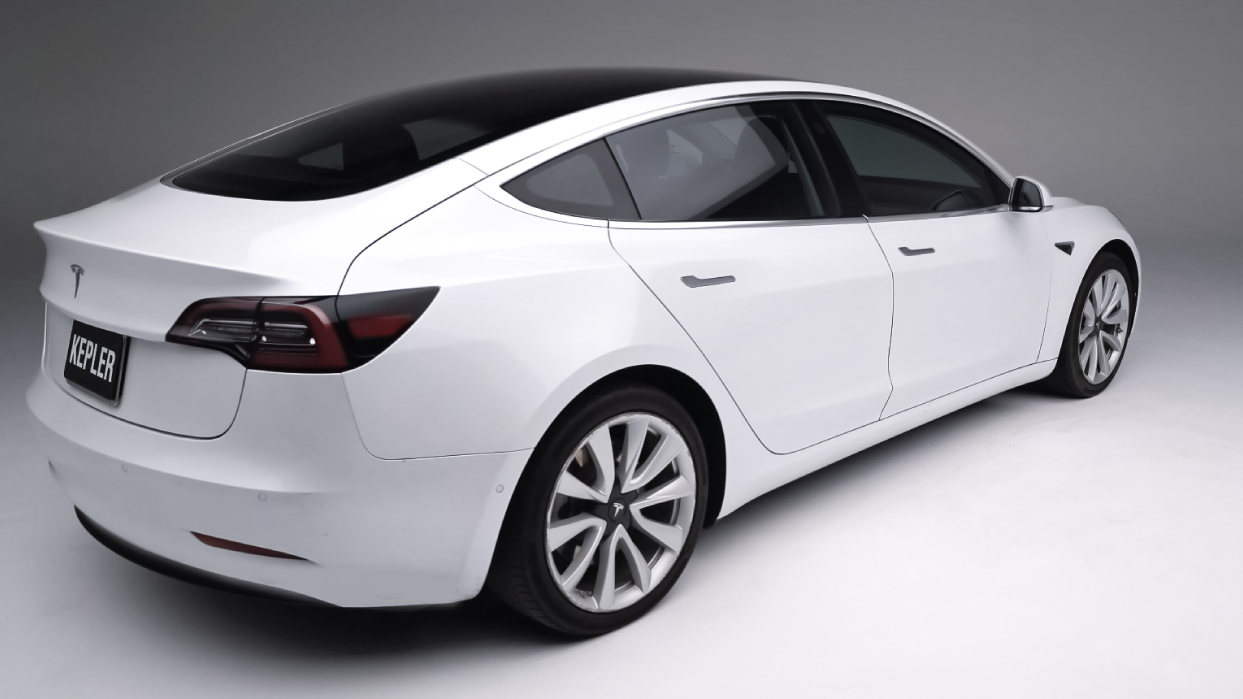
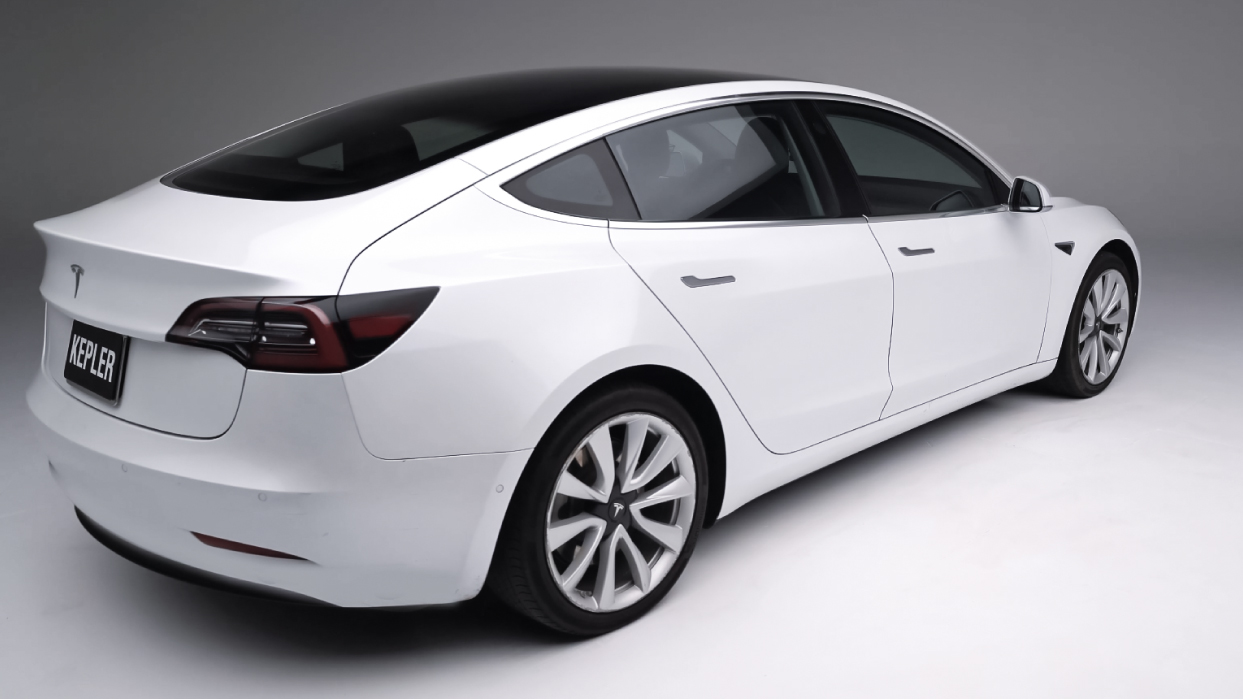
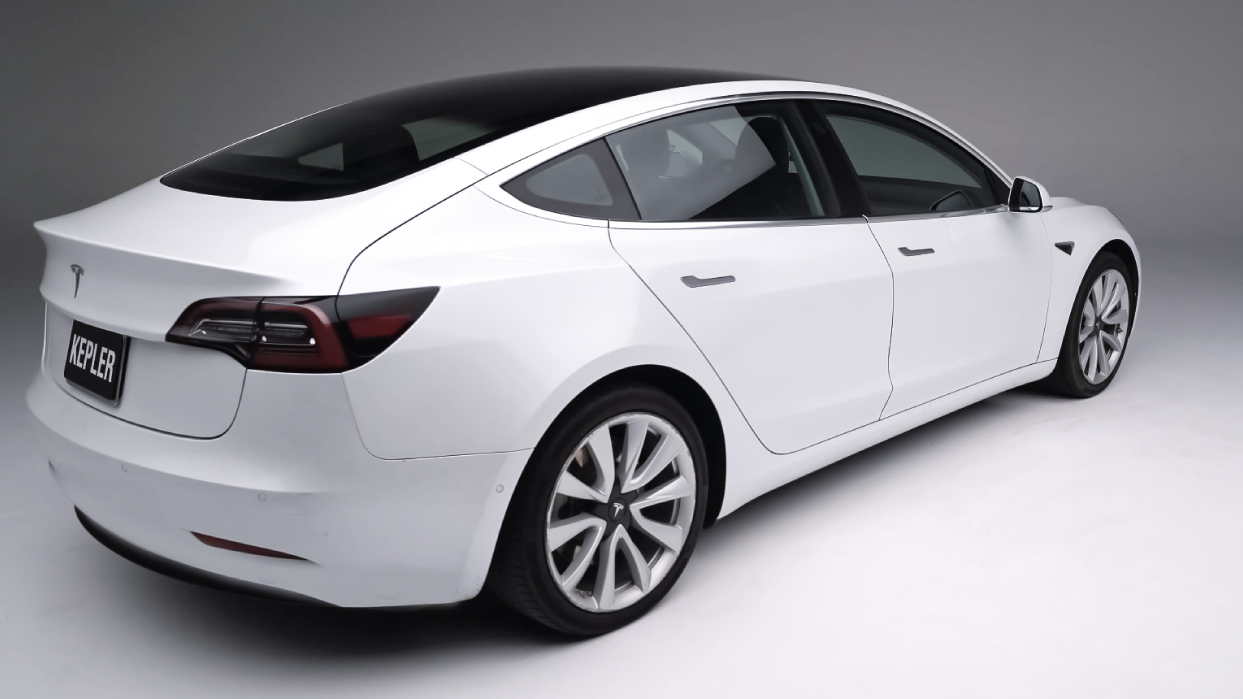
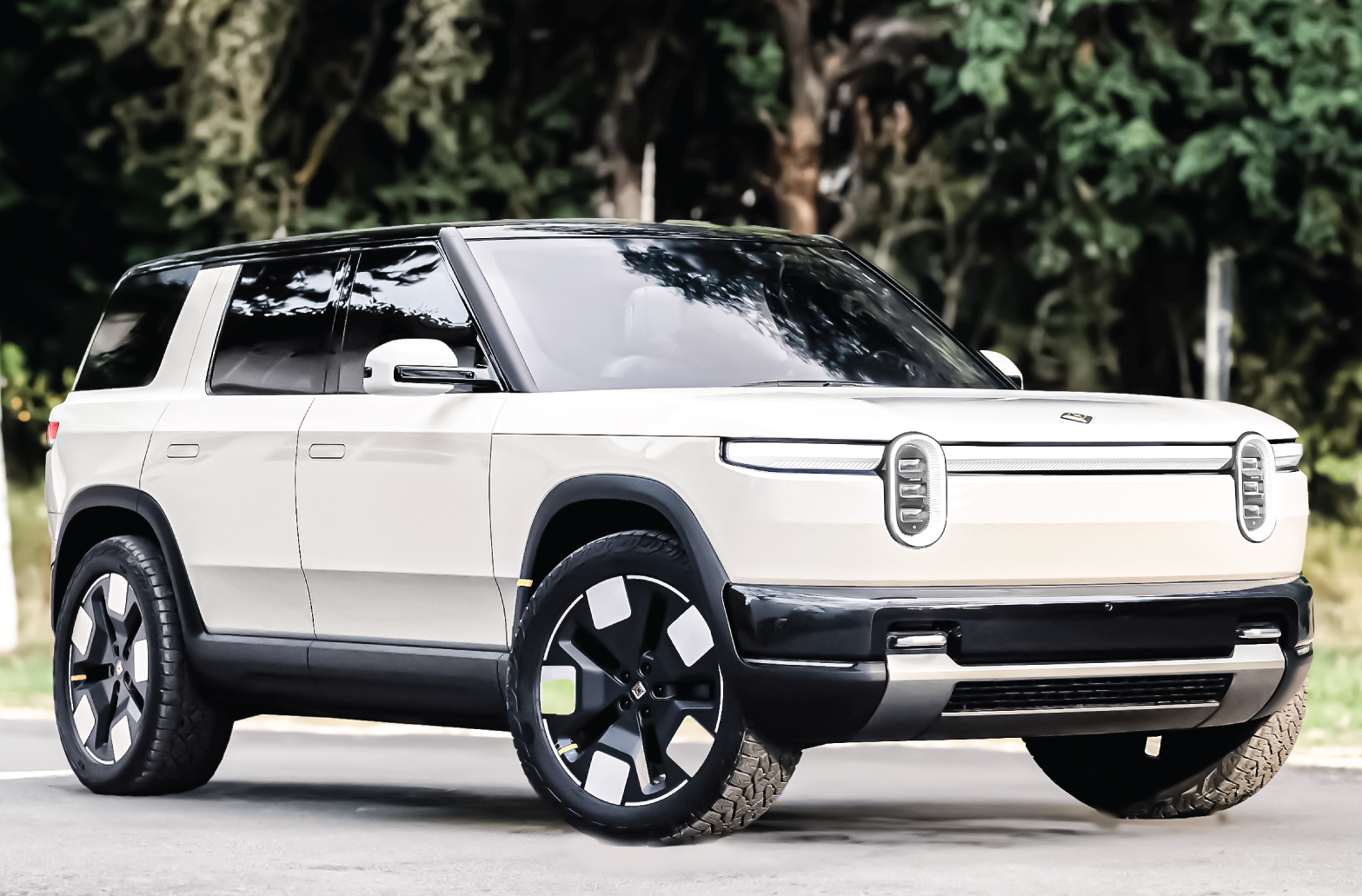
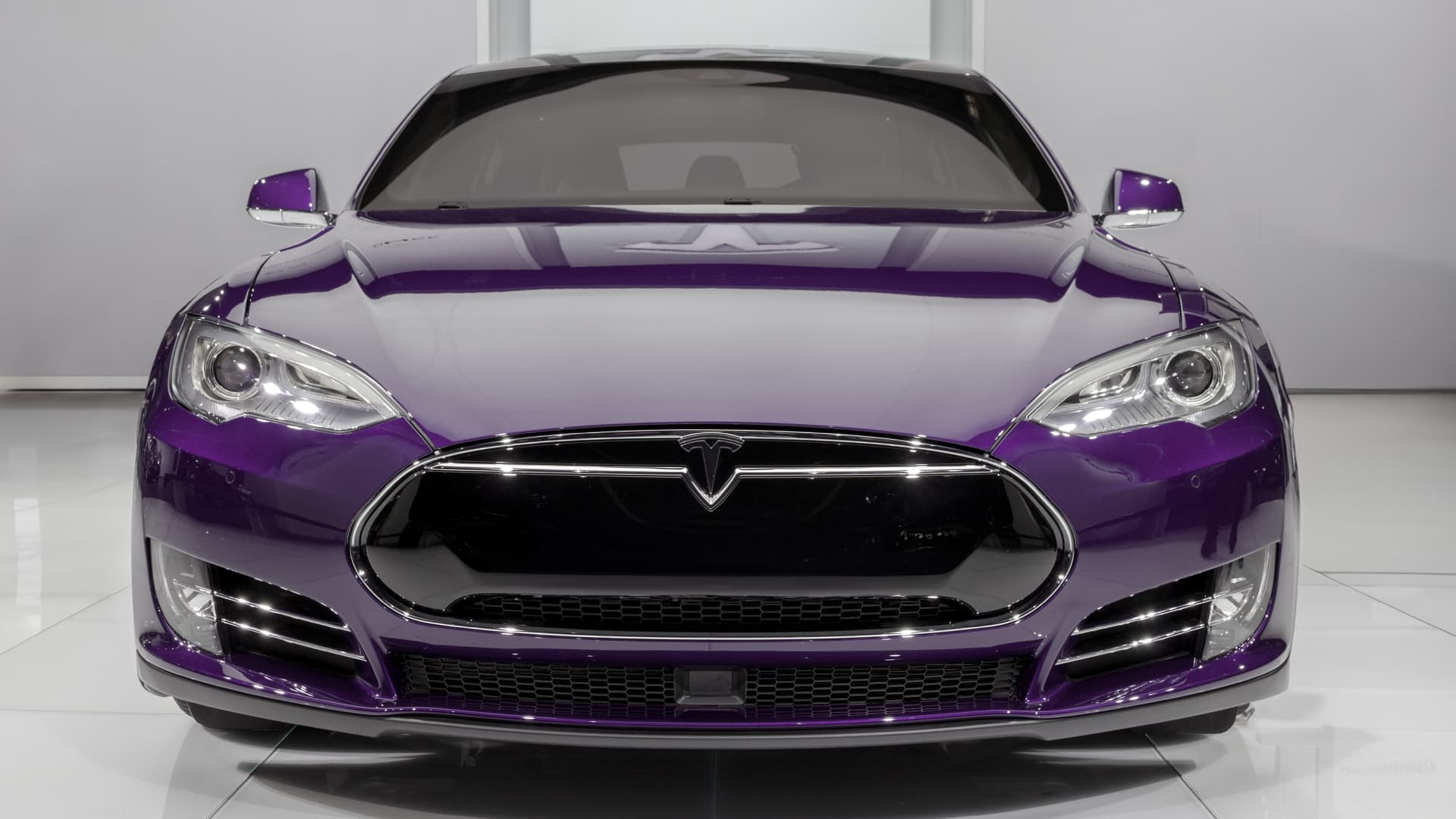
Ceramic Film for Your Tesla

Kepler’s nano-ceramic films take the heat out of a Tesla’s glass without the mirror-like look or the signal issues of metalized tint. Pick the shade you want to live with, and an independent Kepler dealer fits it.

TeslaTesla
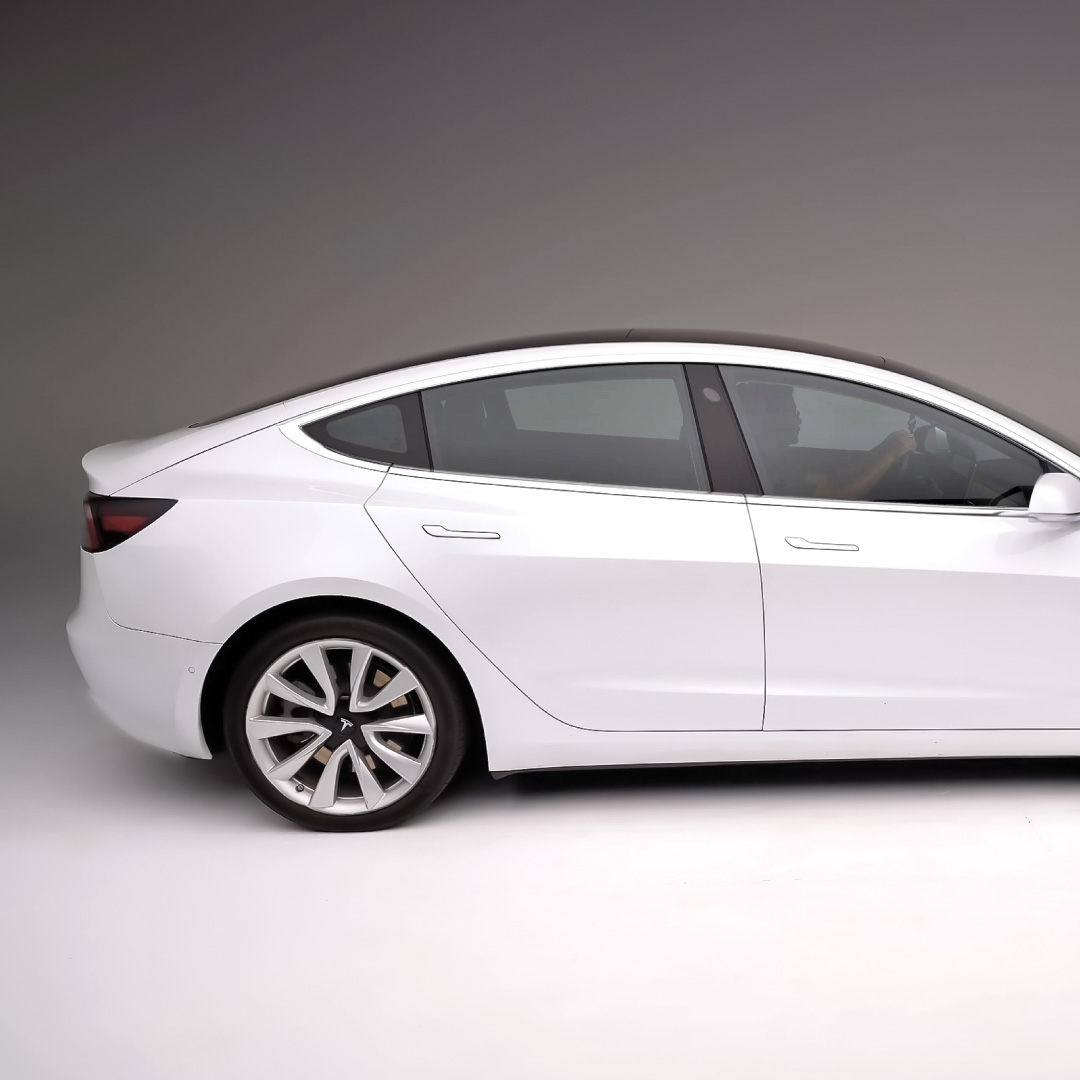
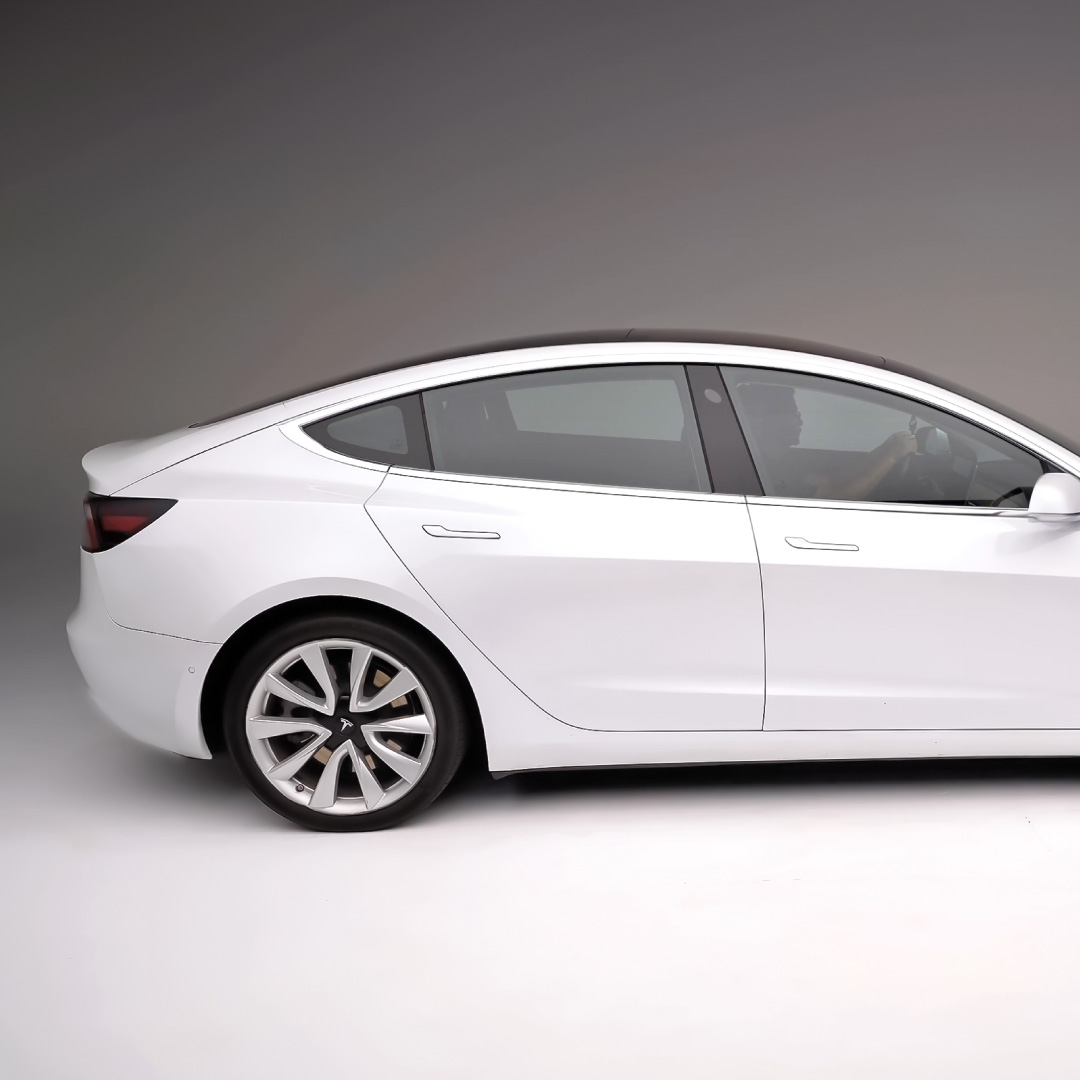
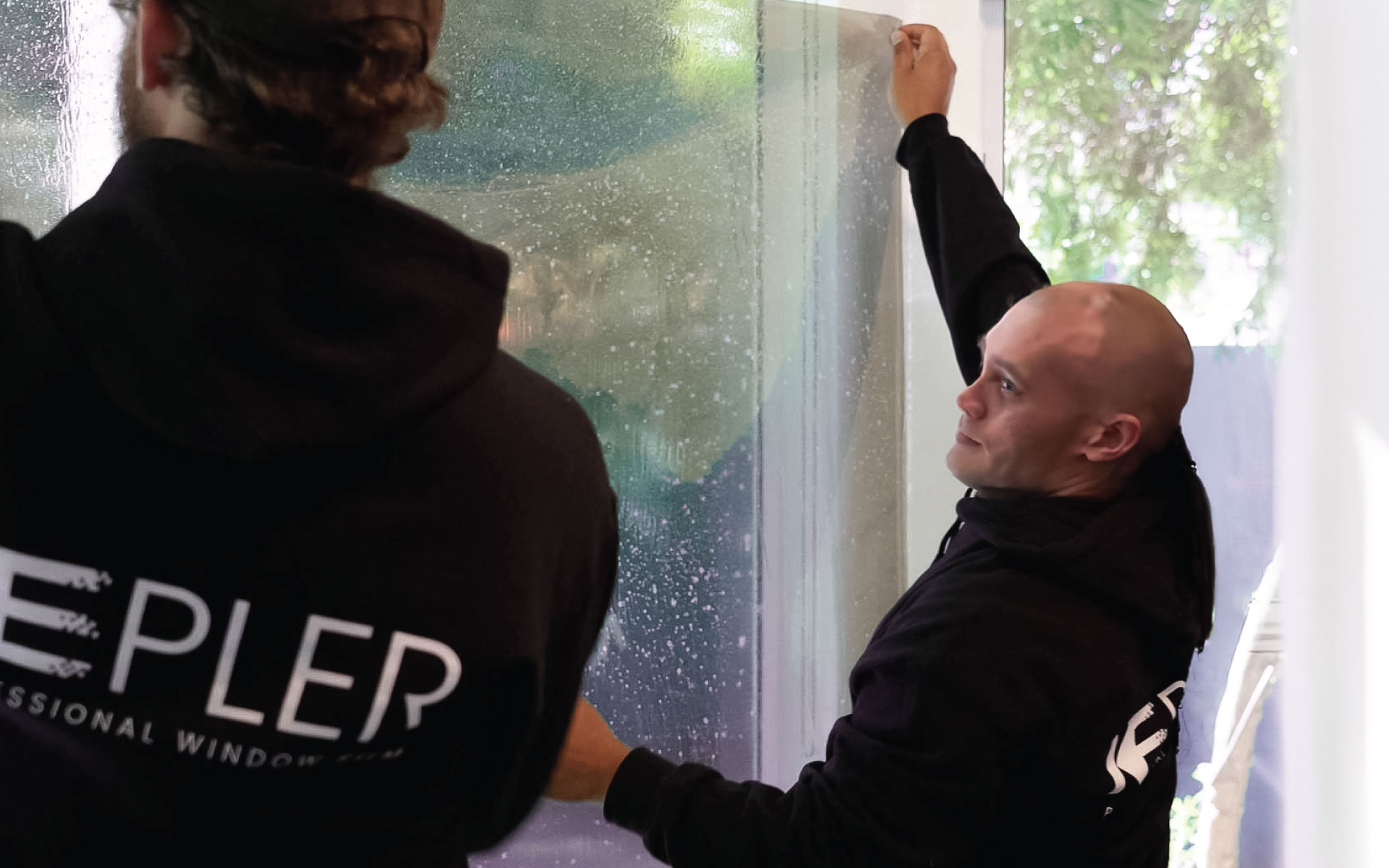
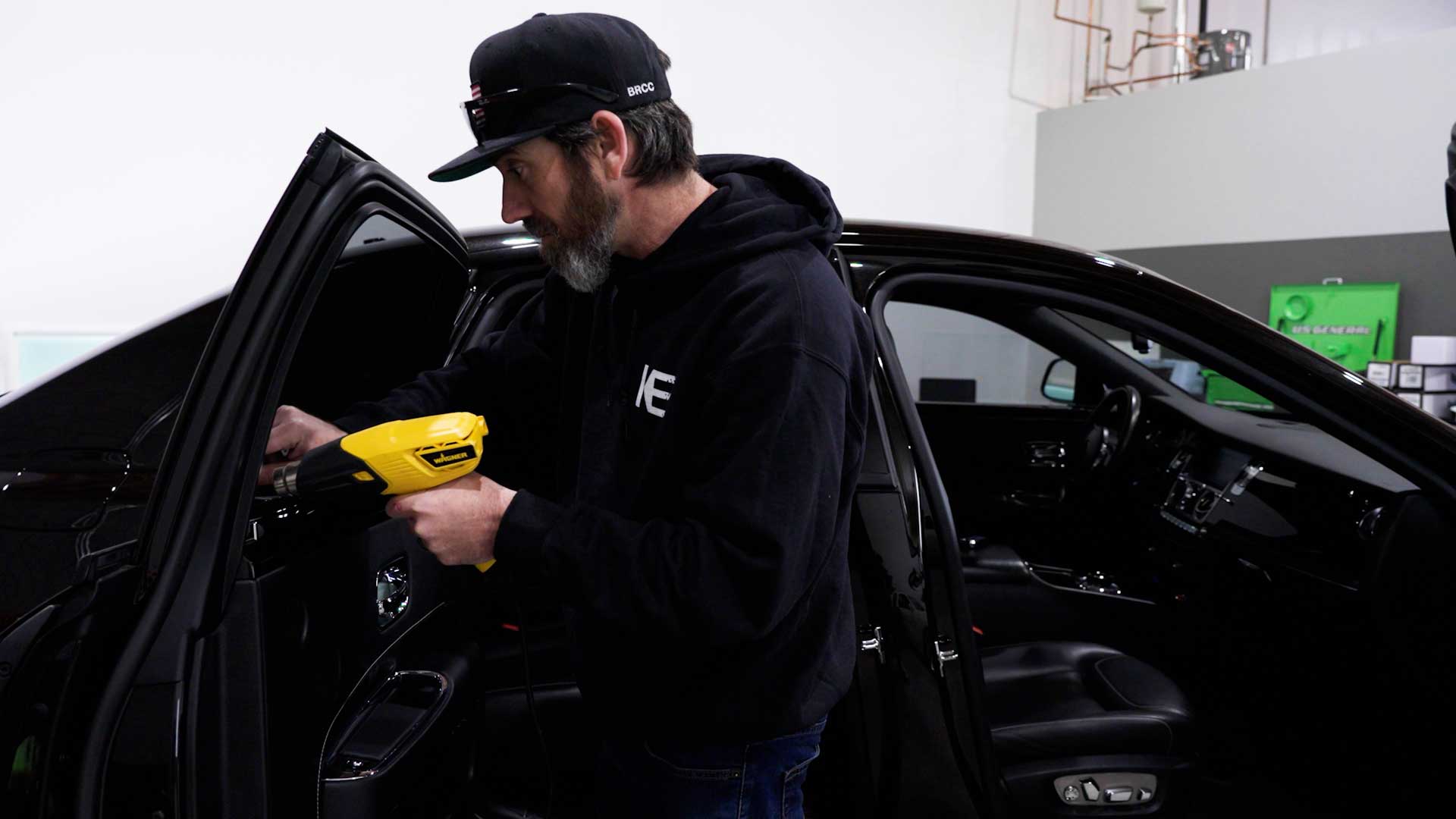
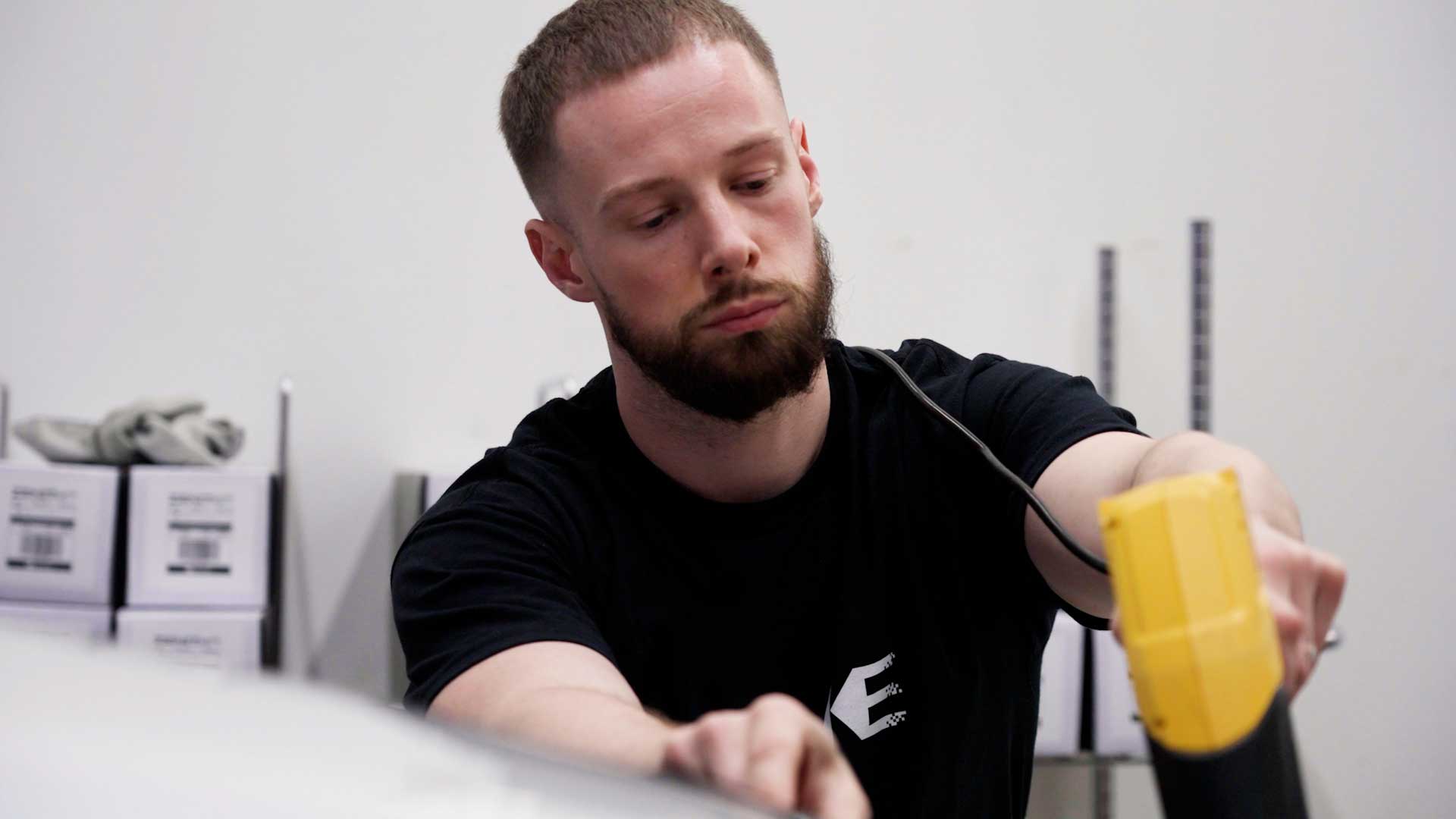
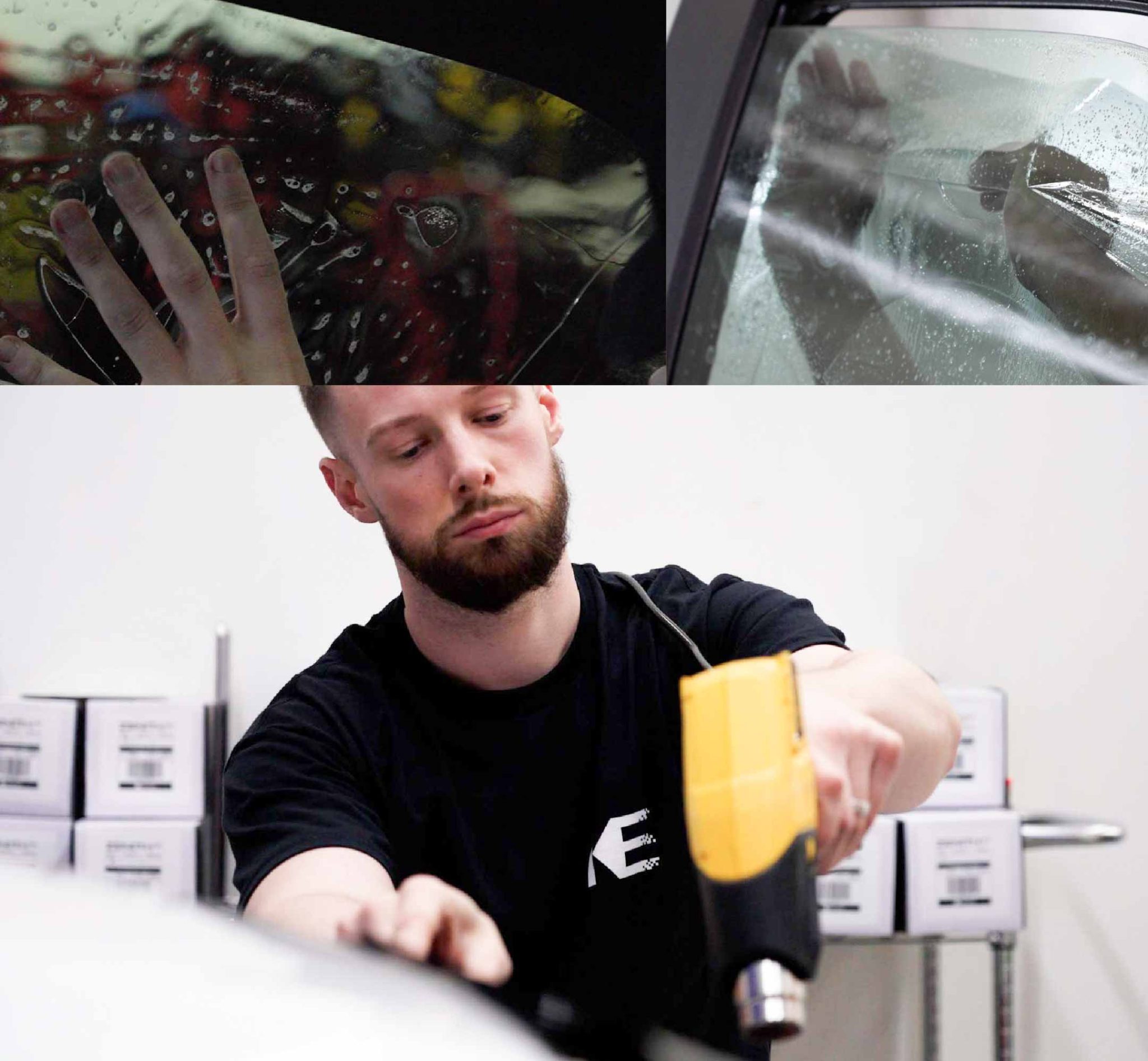
Technician Installing Ceramic Window Tint to Tesla

Pick the Film, Then Pick the Shade

Kepler makes two nano-ceramic ranges for cars. Kepler IR is published at 81% infrared rejection across its four shades. Kepler IR+ goes further, up to 98%, and adds a fifth shade, Photon — a near-clear film for owners who want the heat gone and the glass left looking stock.

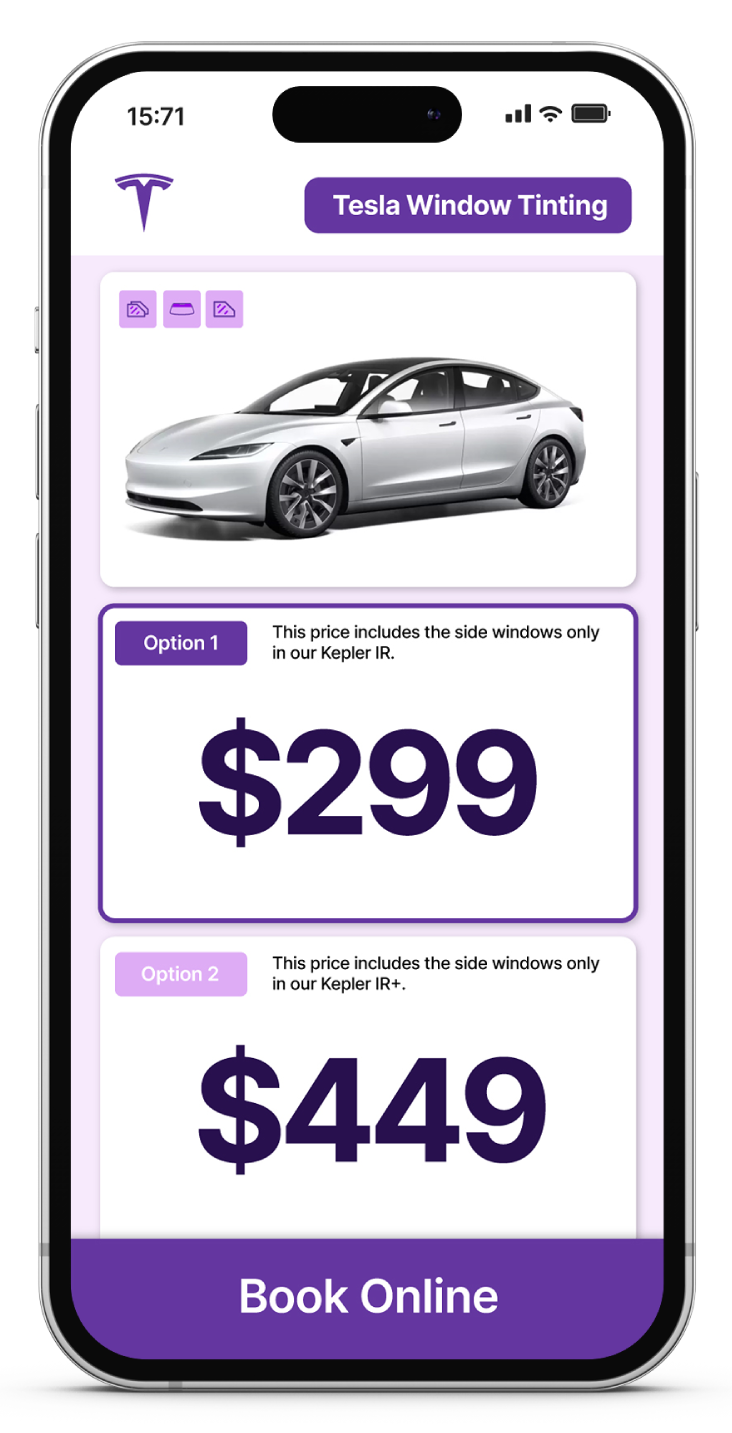
Check out our Tesla window tinting options.

One spec, every roll

Every Kepler automotive film is built to the same specification: 1.5 mil, an Ultra Bond adhesive layer and a Scratch Guard+ coating, with the nano-ceramic layer doing the heat work. Kepler engineers the color to resist fading and discoloration, so the shade you choose for your Tesla is the shade you keep.

Direct from the factory

Take the heat out of the glass

A Tesla puts a lot of glass around you, and a Utah summer finds every inch of it. Kepler IR+ is published at up to 98% infrared rejection, so most of that infrared heat is turned back at the window rather than let into the cabin.

Save up to 1 kWh per hour for air-con

Where the heat gets in

Heat reaches you through the glass: the windshield, the doors and, if your car has one, the roof. Kepler IR+ is published at up to 98% infrared rejection, and 93% on the near-clear Photon, so the ceramic layer is working on every panel it covers. For what your own model’s glass already does, Tesla’s owner’s manual for that model and year is the place to check.
Keep the interior newer

Sun ages an interior long before you notice it. Kepler film blocks over 99% of the UV that does the damage, which helps keep the dash, the seats and the center screen looking better for longer. That counts for more in Utah: UV intensity rises about 6% for every kilometer of elevation above sea level, and even the lowest ground in the state sits well above sea level.

Charge less with energy savings

What’s Inside a Kepler Ceramic Film

Kepler’s automotive films do their heat work with a nano-ceramic layer rather than metal. IR+ is published as metal-free and built without dyes, and Kepler describes both ranges as managing heat without the mirror-like look or signal issues of metalized tint — worth having in a car carrying as many antennas as a Tesla. Ceramic takes on the infrared instead, up to 98% of it with IR+, and holds its color rather than fading the way dyed film does.

See the heat stop at the glass

Kepler IR+ is published at up to 98% infrared rejection — that is the heat that makes a Tesla cabin hard to sit in come July. The ceramic layer does it without metal, so nothing mirrors and nothing sits in the way of a signal.

Why Ceramic Suits a Tesla

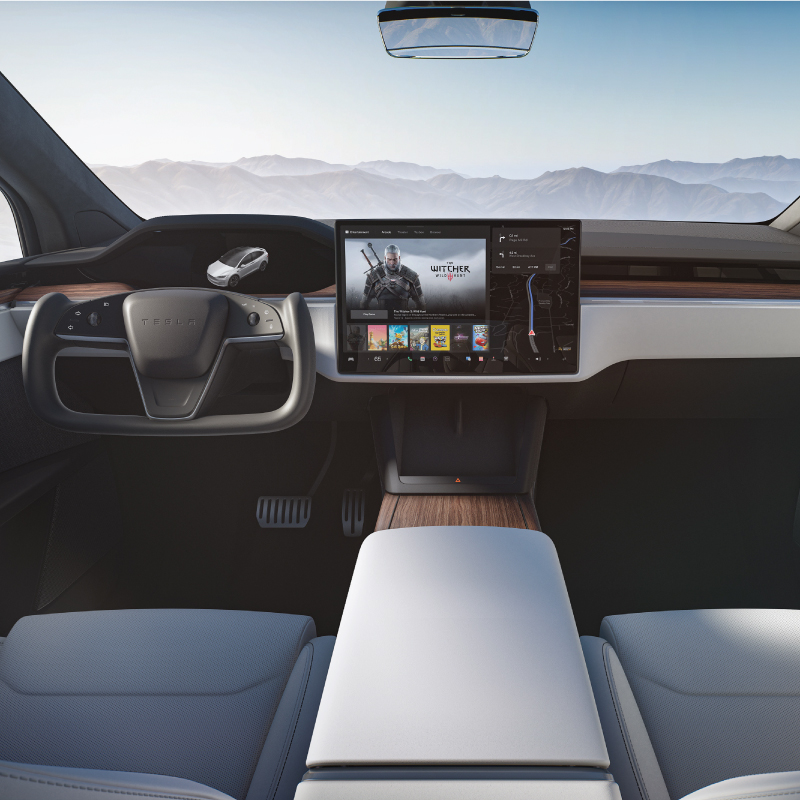
A Tesla puts a lot of glass around you: a deep windshield, big side windows and, if your car has it, a glass roof overhead — and all of it collects heat. Metalized film cuts that heat, but metal is an awkward thing to wrap around a car that runs on wireless signal. Kepler’s answer is nano-ceramic: published infrared rejection of 98% across four IR+ shades, 93% on the near-clear Photon, and no mirrored finish on any of them. So you pick the look you want first, and the heat performance comes with it.

Automotive window film

Six Layers on the Glass

Kepler builds every automotive shade to the same 1.5 mil spec: Ultra Bond adhesive against the glass, the nano-ceramic layer doing the heat work, and a Scratch Guard+ coating on the inside face. Going lighter or darker changes the shade, not the construction.

1Glass
2Ultra Bond Adhesive
3UV Absorber
4Tinted Film
5Laminating Adhesive
6Nano-Ceramic (IR) Layer
7Scratch Resistant Coating

What Kepler IR+ is rated for, and what is covered

Up to 98% of infrared heat rejected, over 99% of UV blocked, glare down by up to 96% — and a Warranty Information against manufacturing defects that covers the film for the life of the vehicle.

Up to

98%

IR Heat Reduction

Up to

99%

UV Protection

Up to

96%

Glare Reduction

Review

Warranty terms

Find Kepler Film Near You

Kepler makes the film; independent dealers fit it. Send your details and an independent local tinter picks it up from there.

Nebula 04% Tesla background

Nebula

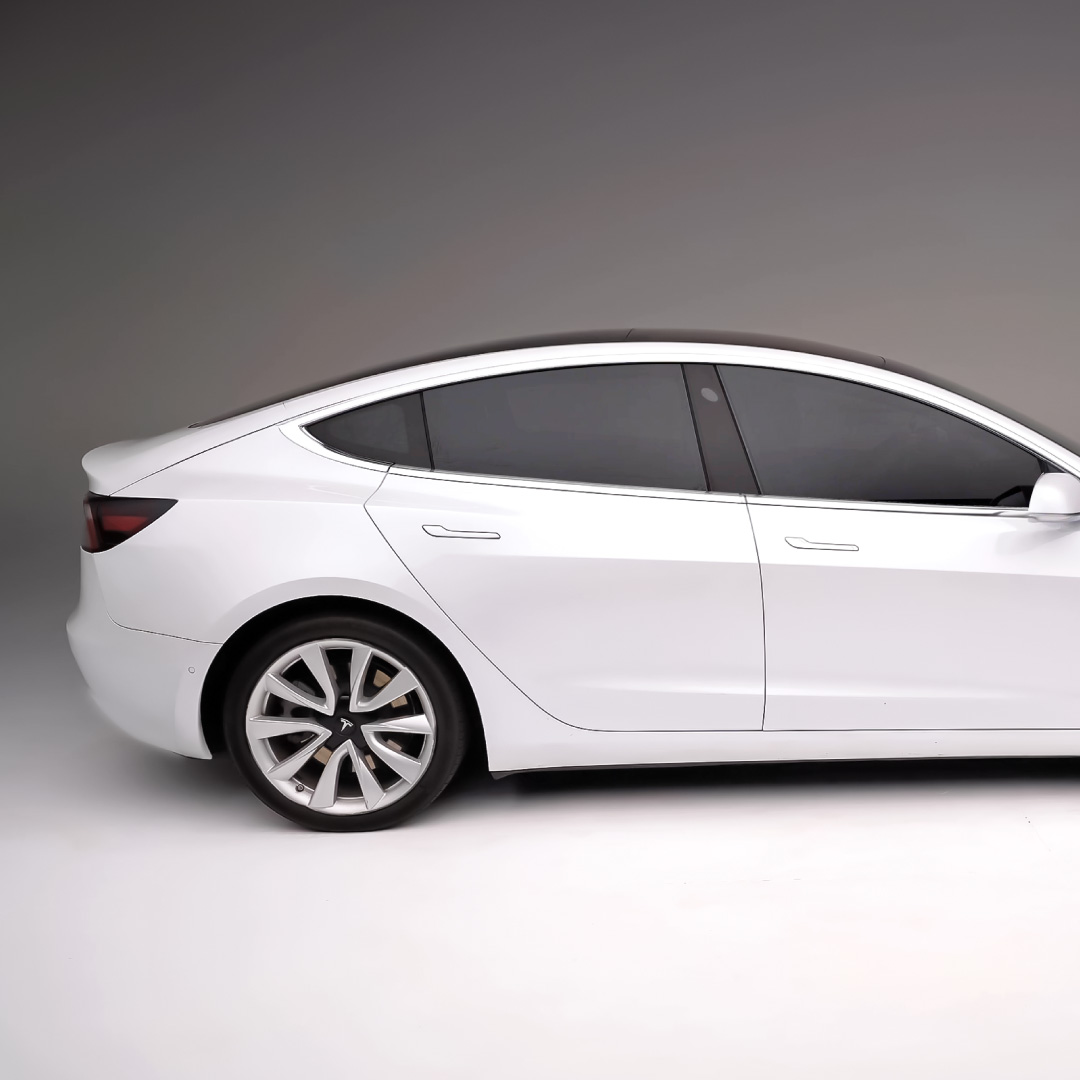
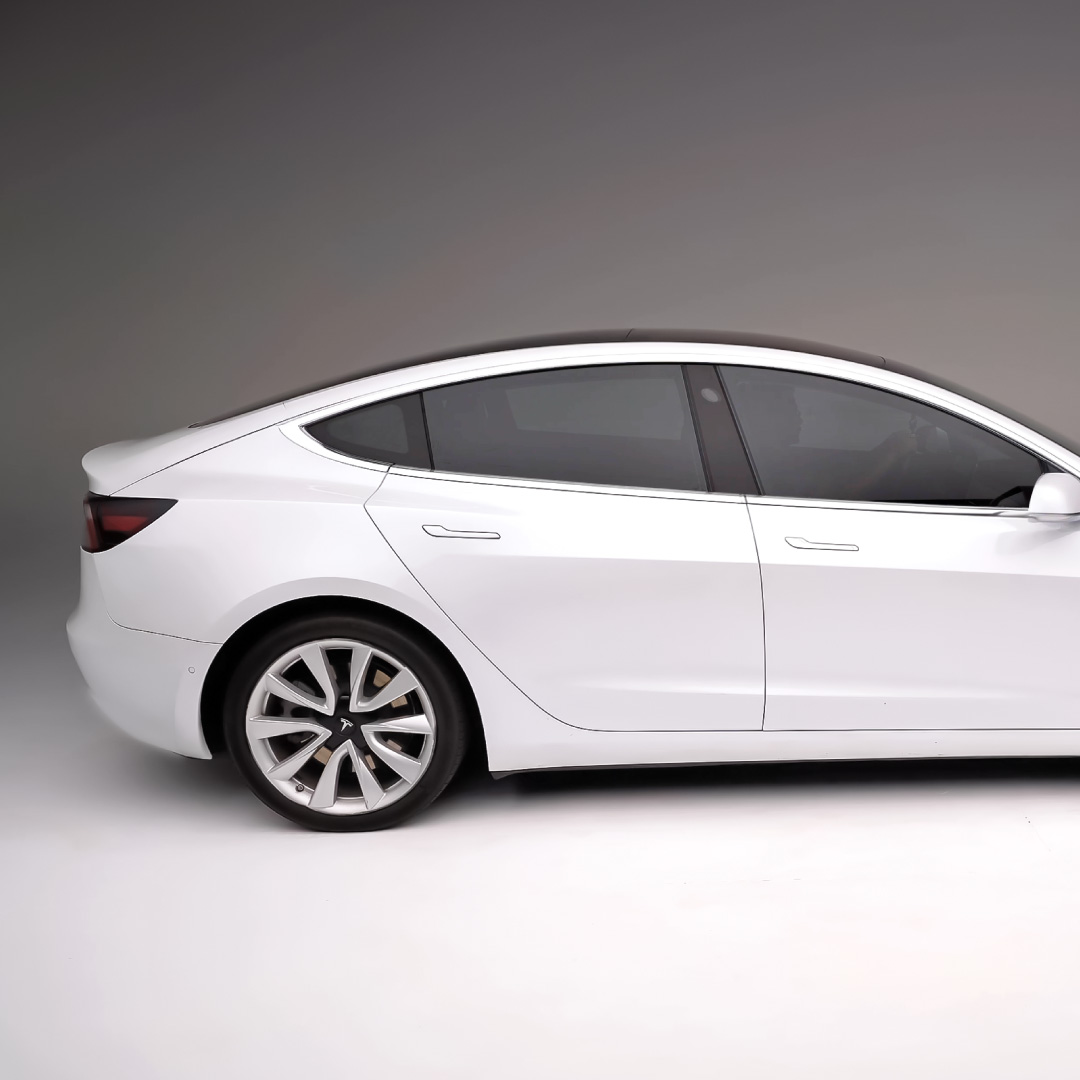
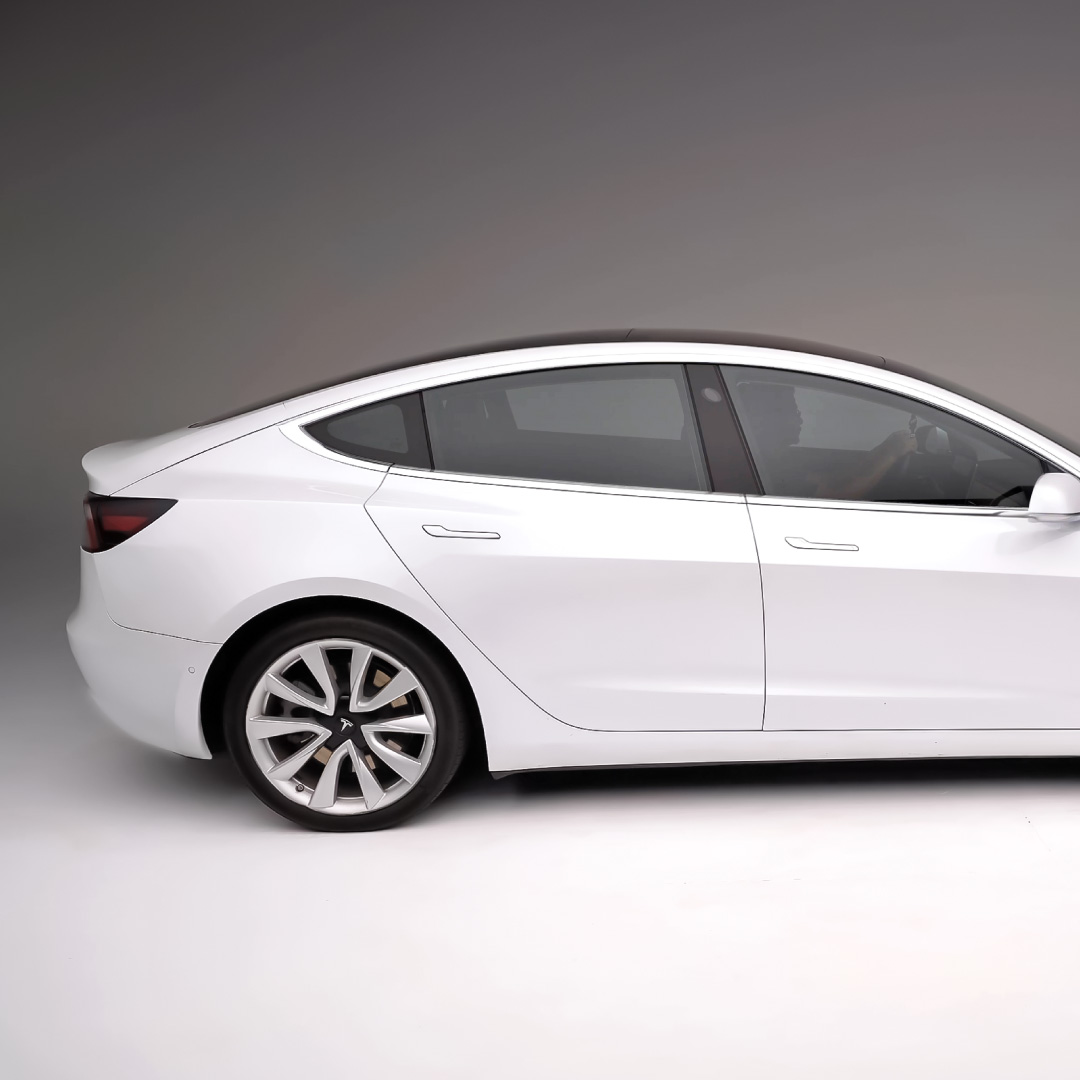
Our darkest shade — 4% visible light, and what’s on the back seat stays your business.

Nebula 04% Tesla detail

Get a price for your Tesla

Tell us which Tesla you drive and the shade you have in mind, and the quote form starts the conversation with your nearest dealer.

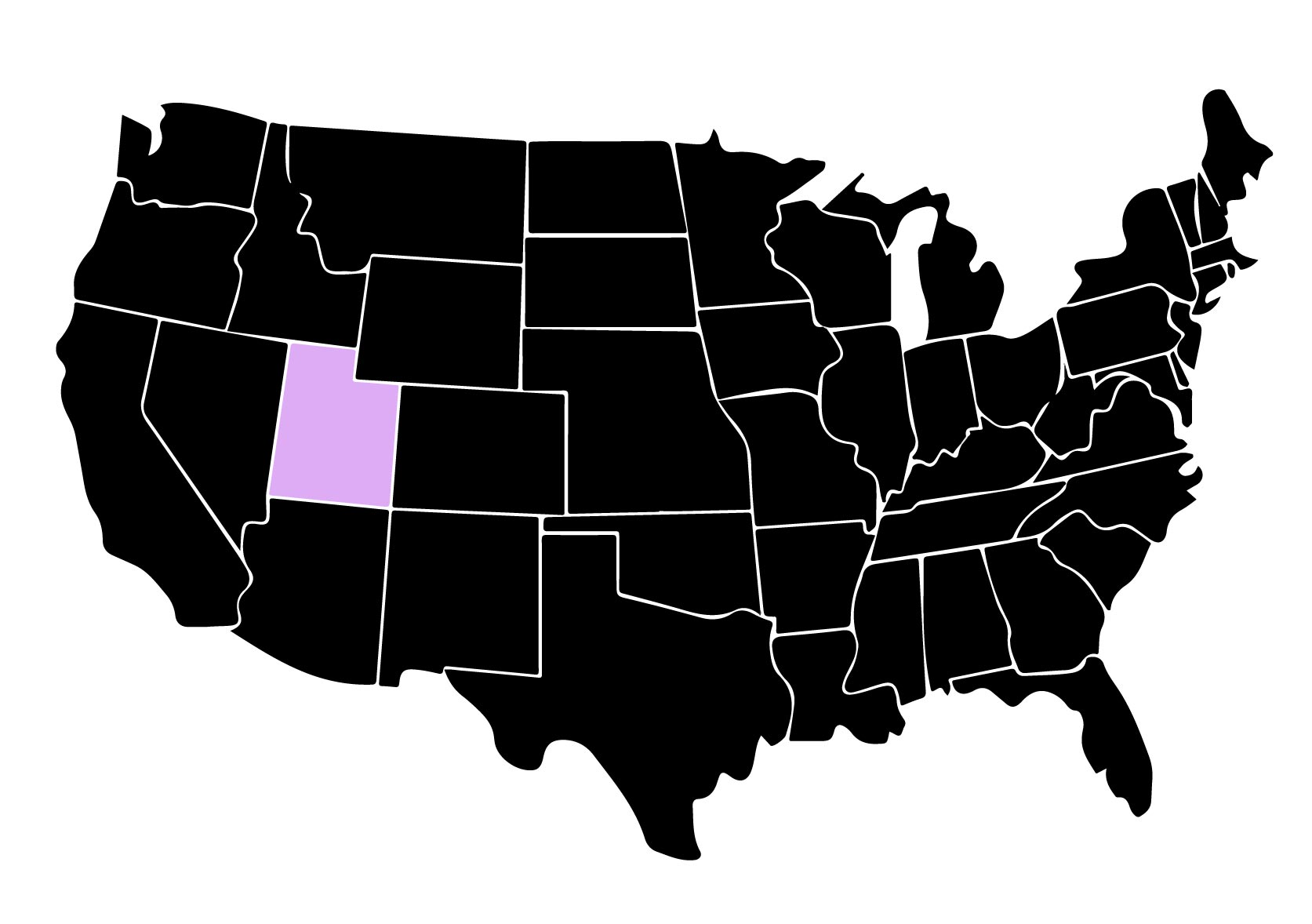
Utah area guide map

Find a Local Tinter

Utah Tesla Window Tinting City Guides

Why Kepler Film Suits a Tesla in Utah

Start Your Utah Tesla Quote

Send your details and Kepler introduces you to the closest dealer, who handles the film, the fitting and the price with you directly.
Utah, United States
Follow Us

Tesla Window Tinting in Utah: Common Questions

Kepler Film on a Utah Tesla

Utah is hard on glass. The lowest ground in the state sits 2,350 ft above sea level and Kings Peak stands at 13,528 ft, and UV intensity rises about 6% for every kilometer of elevation — so the sun coming through your windows here is stronger than the same sun at the coast. Kepler’s answer is nano-ceramic film: Kepler IR published at 81% infrared rejection, Kepler IR+ at up to 98%, in five shades from near-clear to almost black, with over 99% of UV blocked across the range and a Warranty Information against manufacturing defects. Tell us about your Tesla and we will introduce you to the nearest dealer.