
Car Window Tinting
Kepler logoWisconsin

Car Window Tinting Wisconsin

Explore Wisconsin

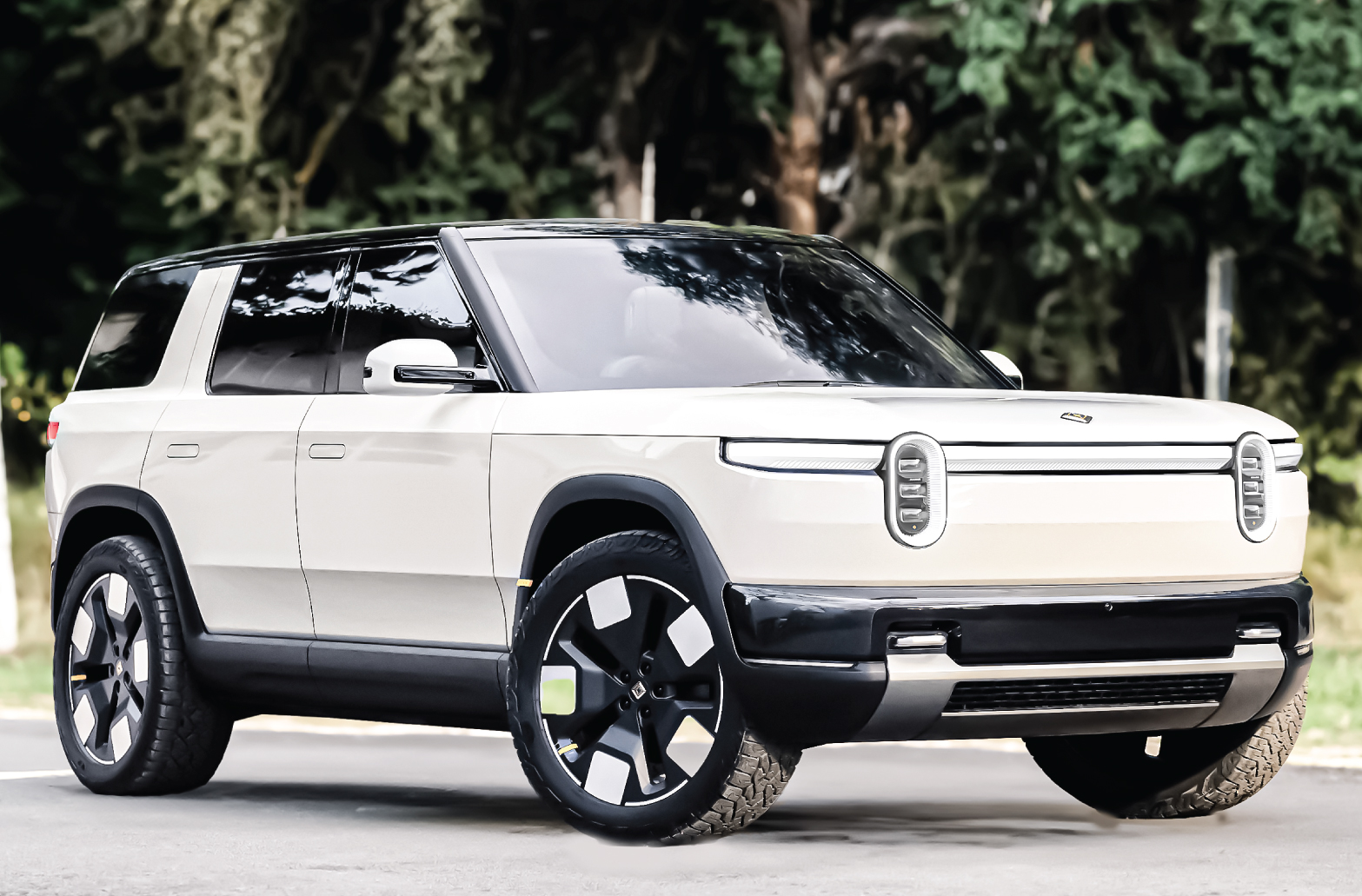
Ceramic Window Film for Wisconsin Cars

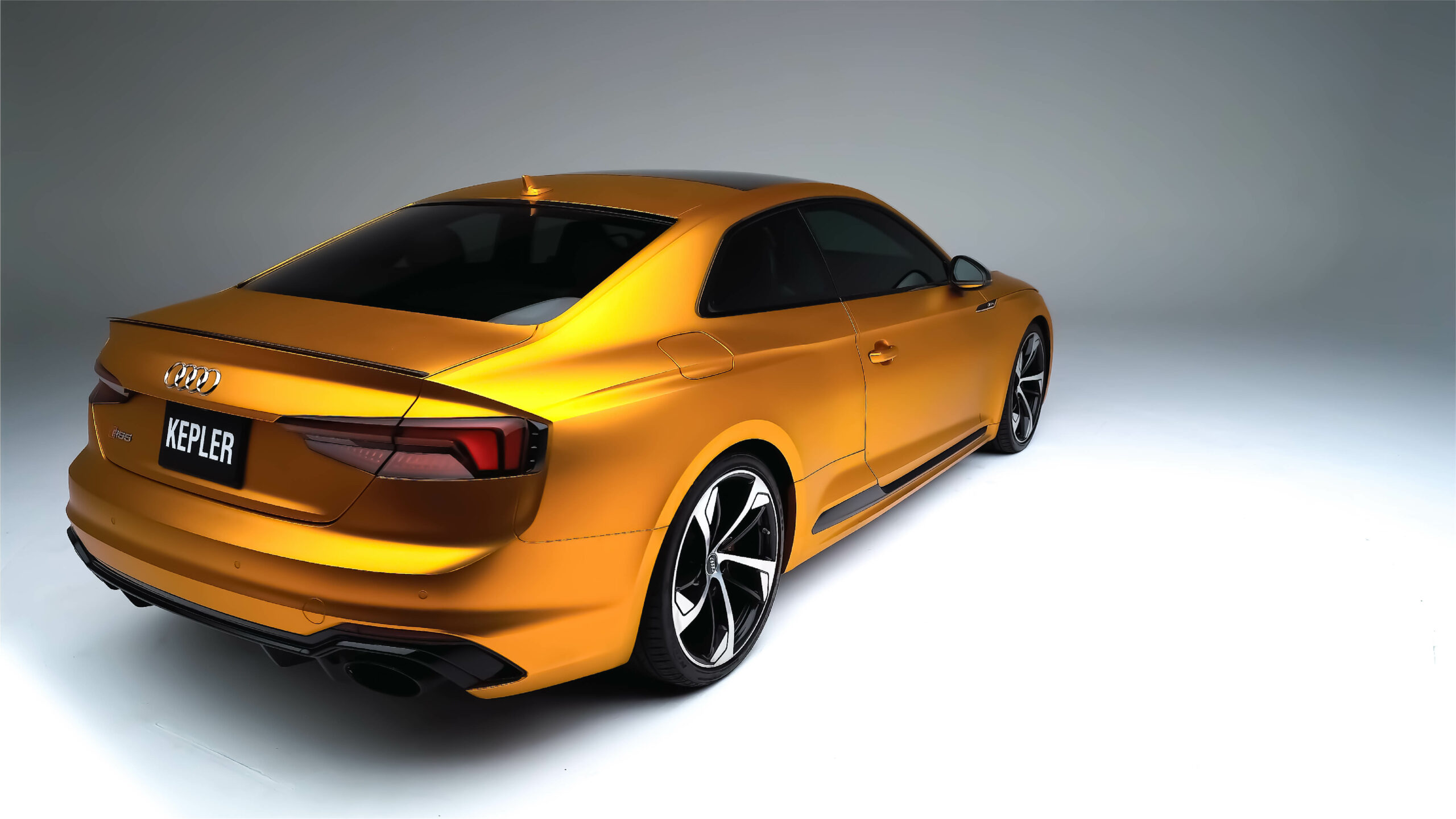
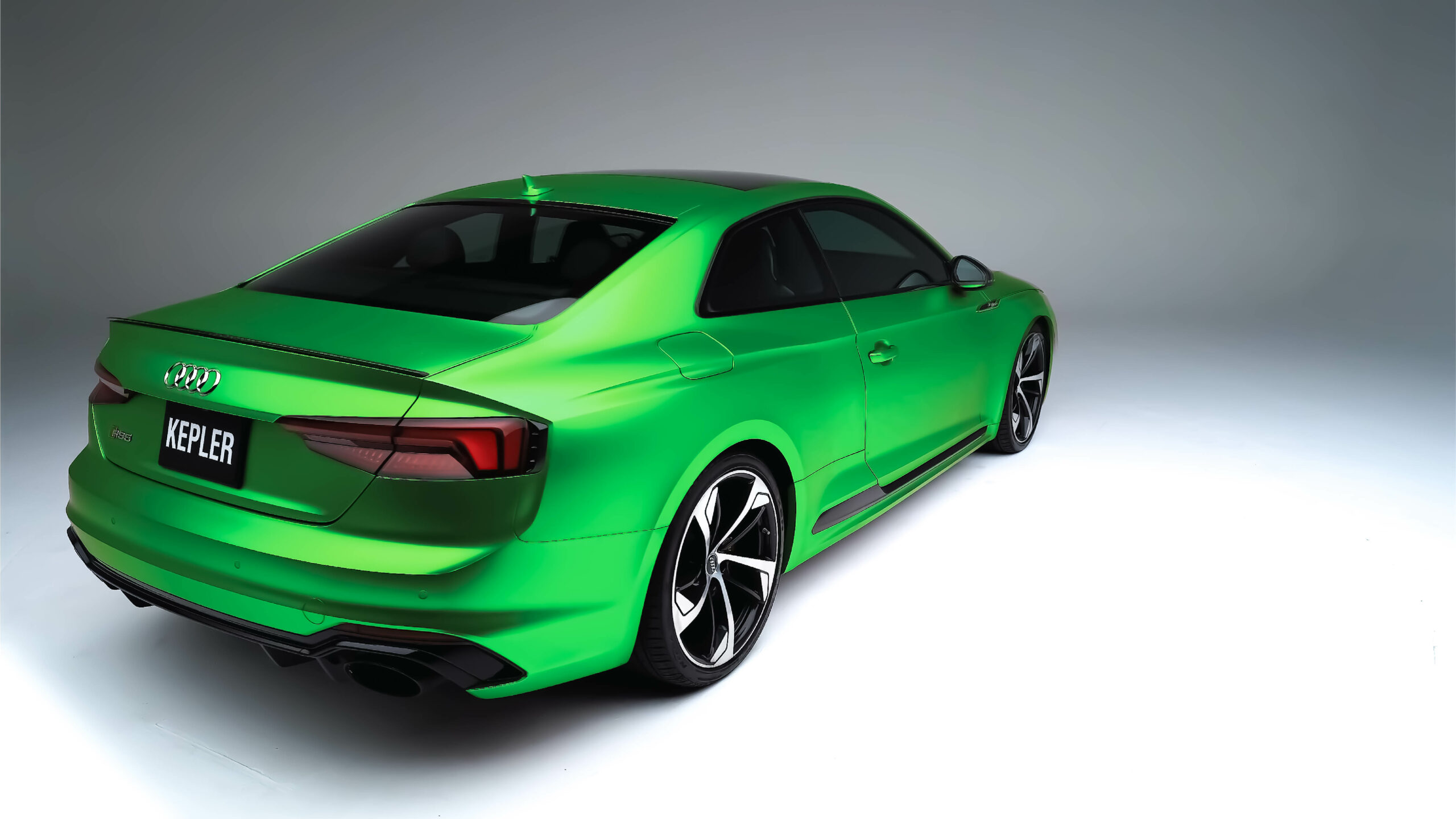
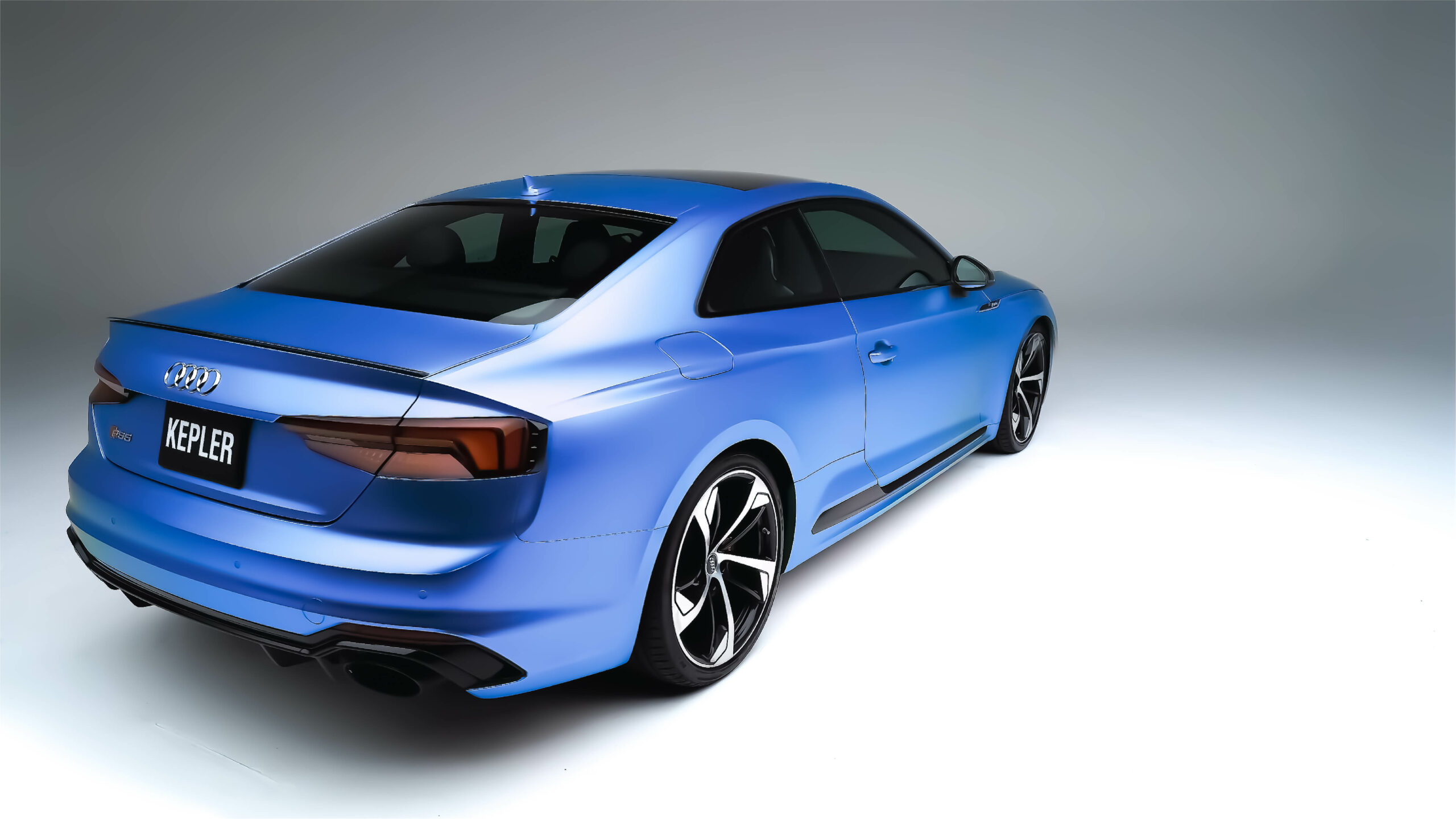
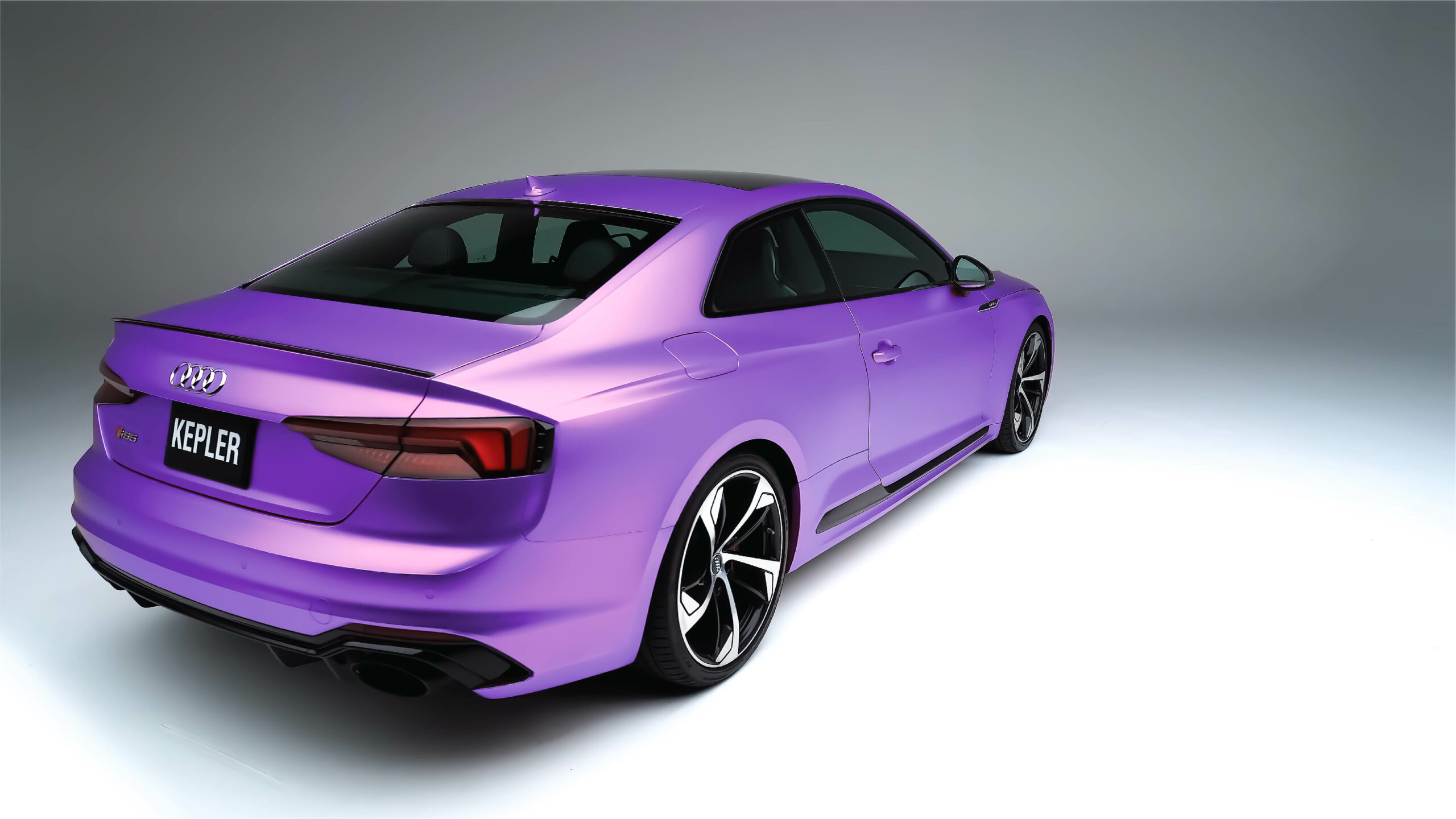
Kepler makes a nano-ceramic car film in five shades, from the near-black Nebula to an almost clear Photon. Every one of them holds UV transmittance under 1%, so picking a shade is a decision about light and looks rather than protection. How dark you can go is Wisconsin's call.

Brand logoTeslaNASA
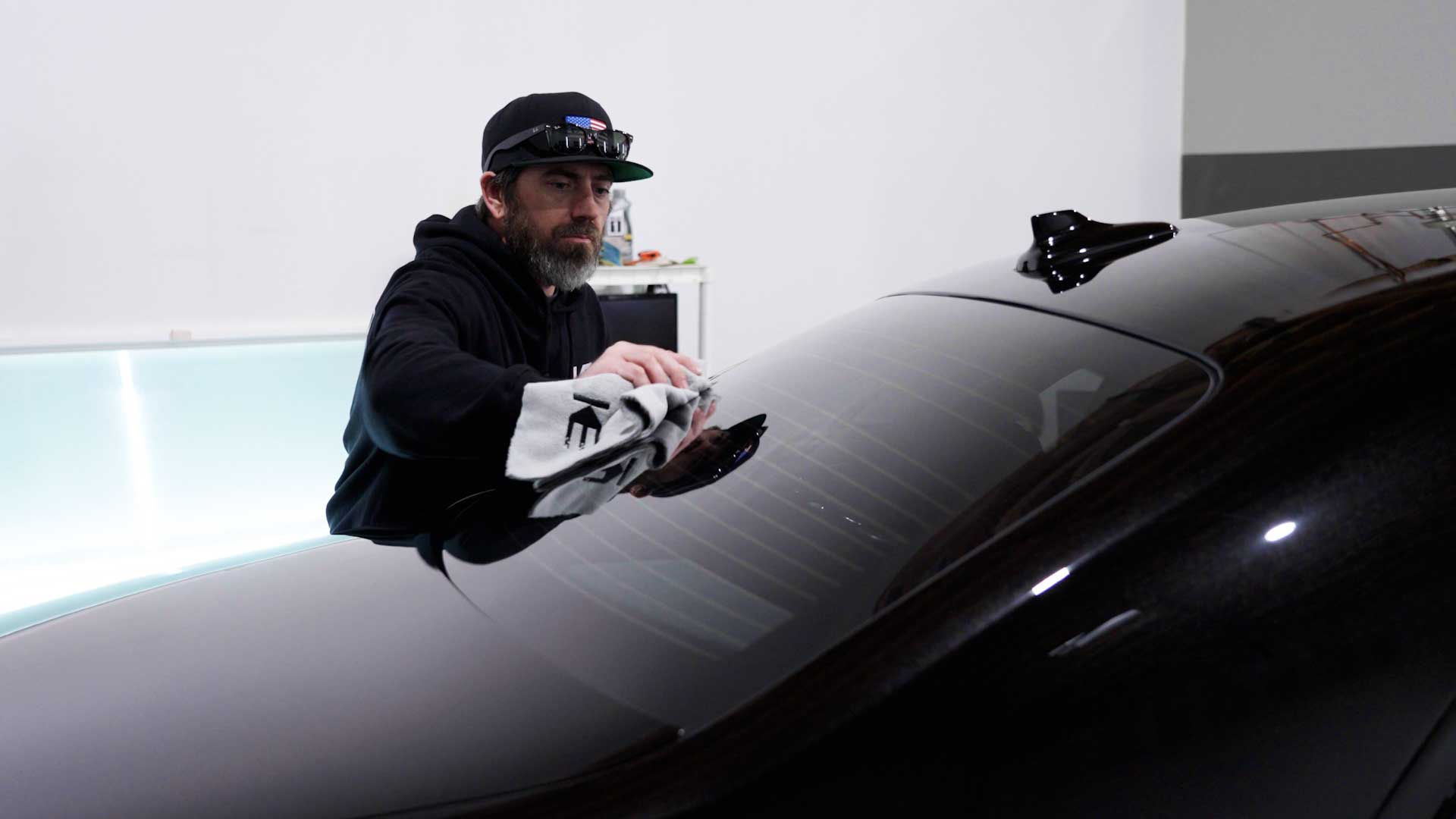
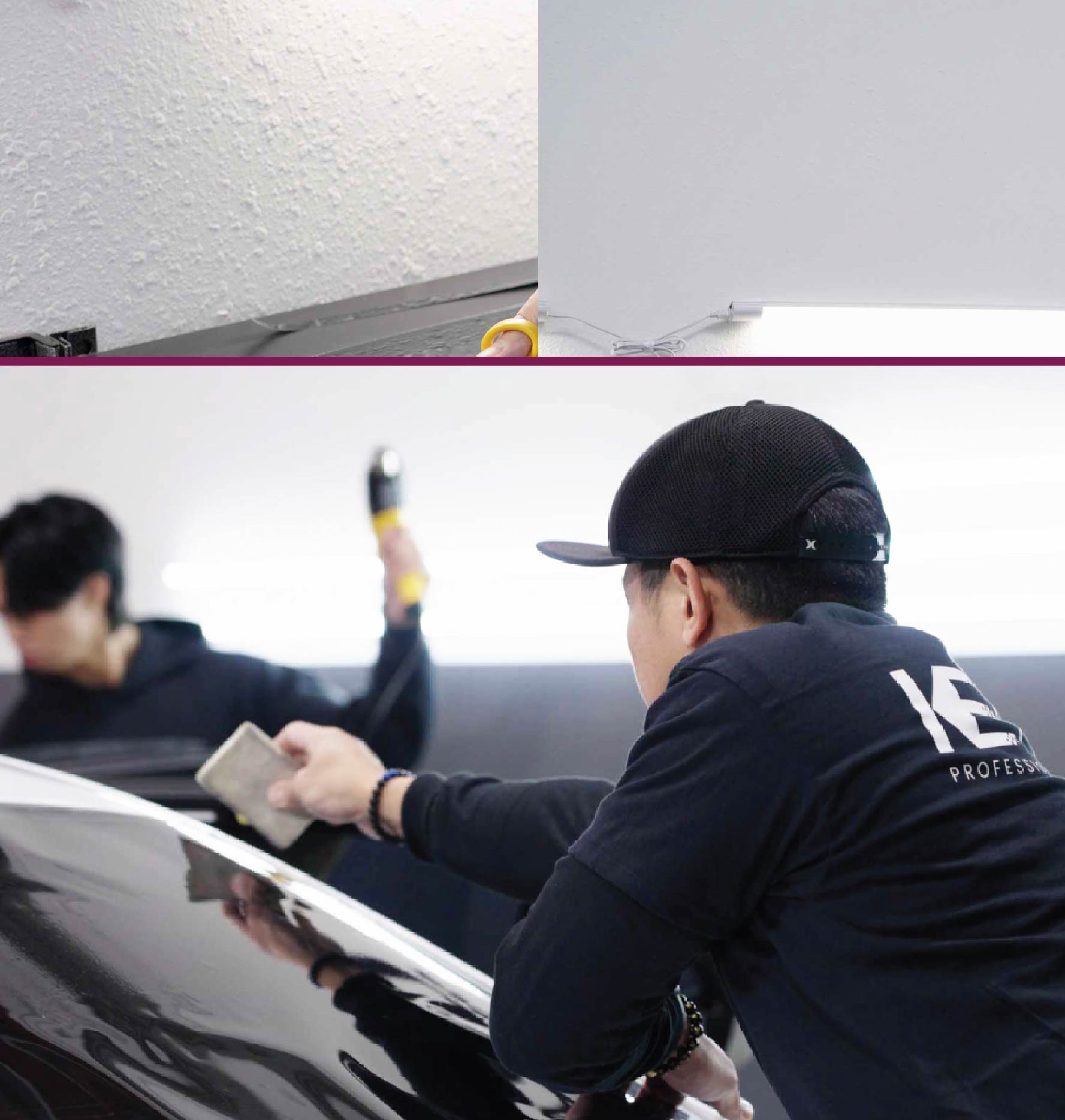
Car Window Tinting Specialist Working

One Ceramic Core, Two Ranges

Two Kepler ranges, and the same ceramic core in both. Both cut the infrared heat that makes a parked car unbearable — Kepler IR by 81%, and IR+ by up to 98% if you want the most from it. In either range a lighter shade is not a weaker film; it just lets more light through.

What Kepler Film Does for Your Car

Harder to See In

Tint makes it harder to see into your car from the pavement, and the deeper the shade behind the driver the less there is to make out. It is the simplest reason people tint the back of a car.

Headphones-On-Seat
Security

How Kepler's Ceramic Film Works

Kepler IR+ is the one to ask about if heat is your main complaint. It is a metal-free nano-ceramic film, 1.5 mil thick, with an Ultra Bond adhesive under it and a Scratch Guard+ coat over the top, rated at up to 98% infrared heat rejection with UV transmittance under 1%. Total solar energy rejection runs from 51% to 72% depending on the shade.

Nanoparticle Technology

Ceramic, not metal, is what does the work here. Kepler builds its ceramic infrared films to take out the infrared heat that turns a parked car into an oven: up to 98% of it on IR+, and 81% on IR.

What the Figures Mean on a Wisconsin Car

Three numbers get quoted and they measure different things. Visible light transmission is how much light comes through the glass, and it is the one Wisconsin regulates. Infrared rejection covers only the part of the spectrum you feel as heat, and total solar energy rejection is the broad figure. The limit applies to your glass and the film together, so ask your dealer to check the combination on your car.
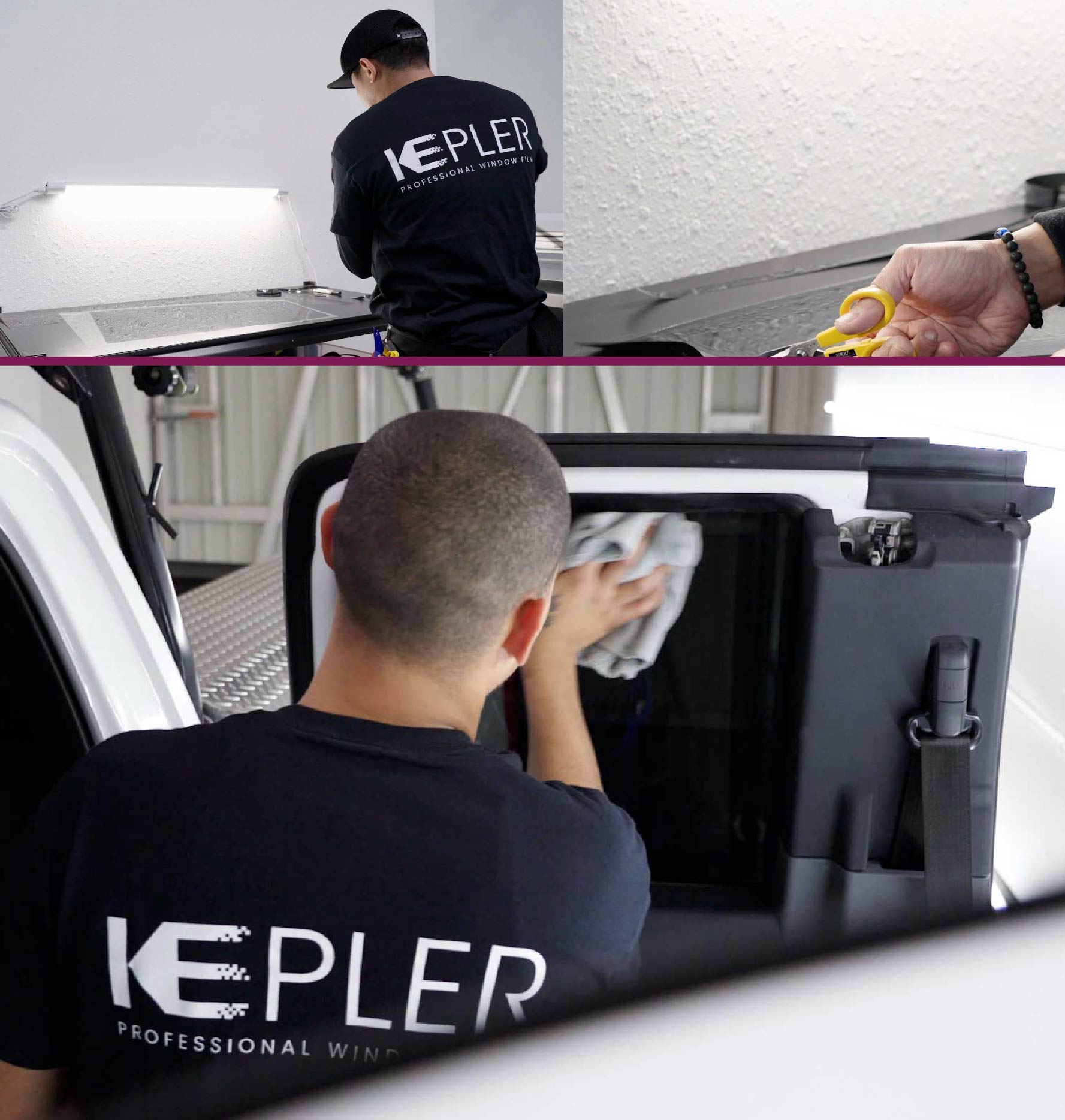
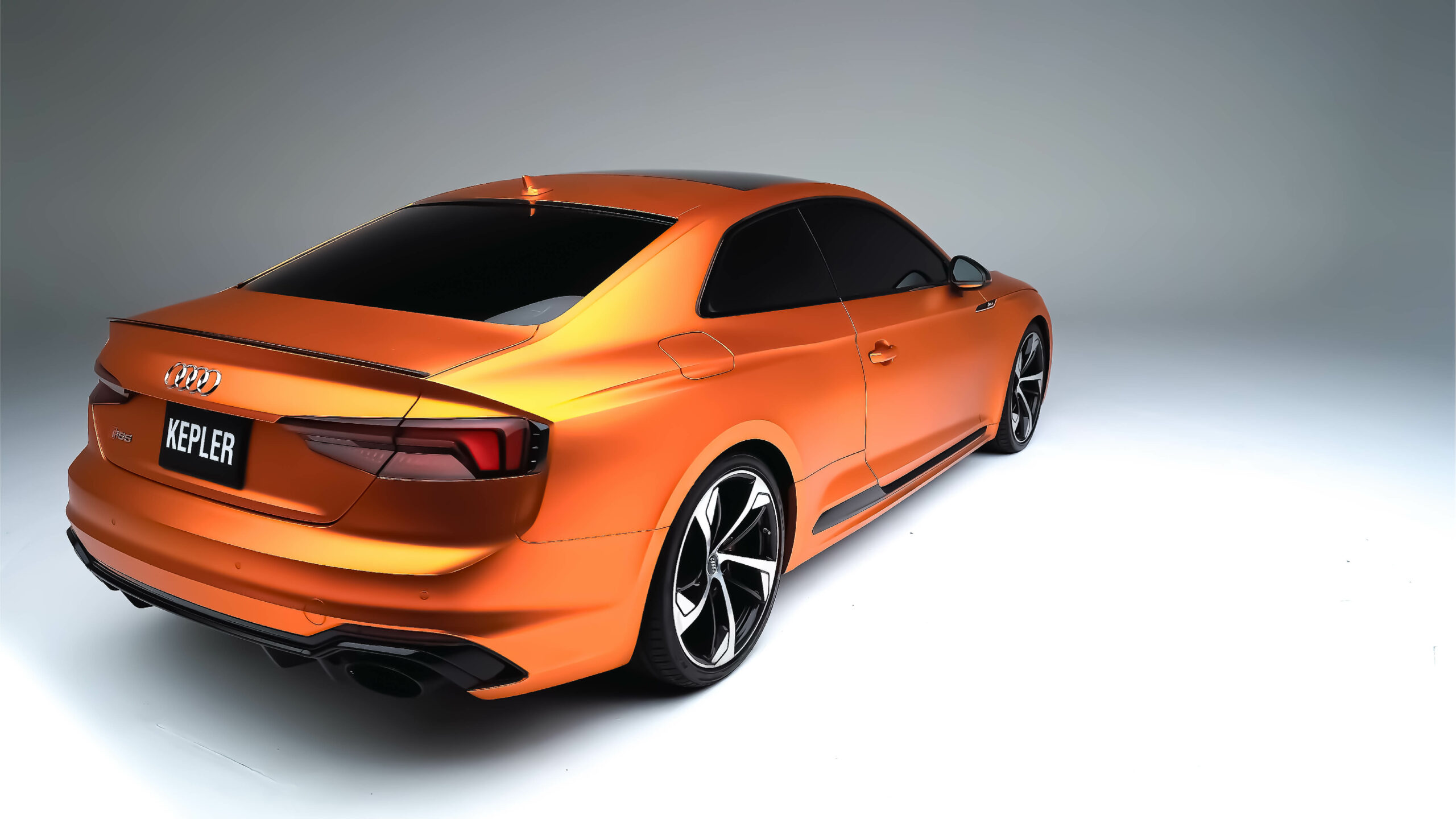
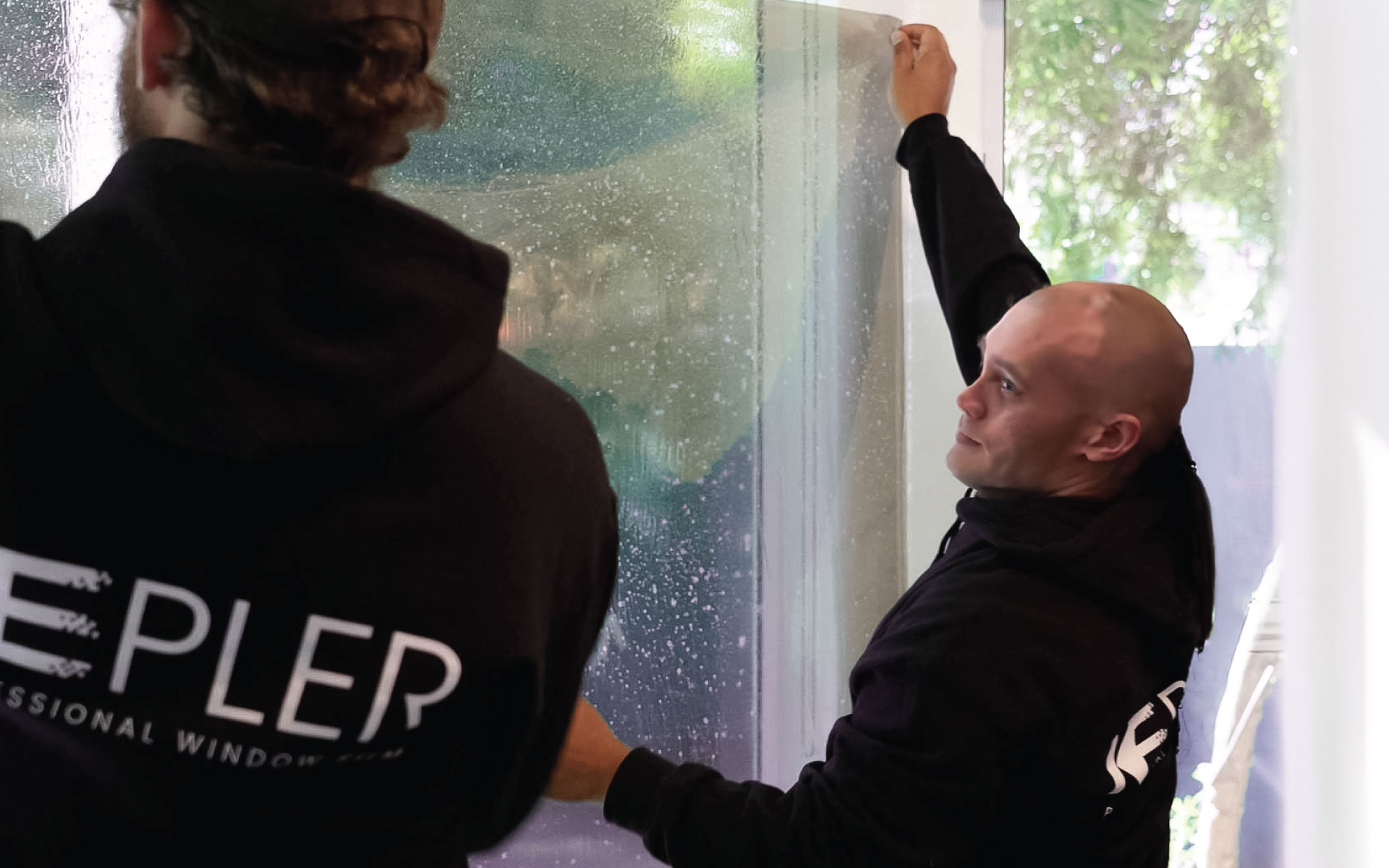
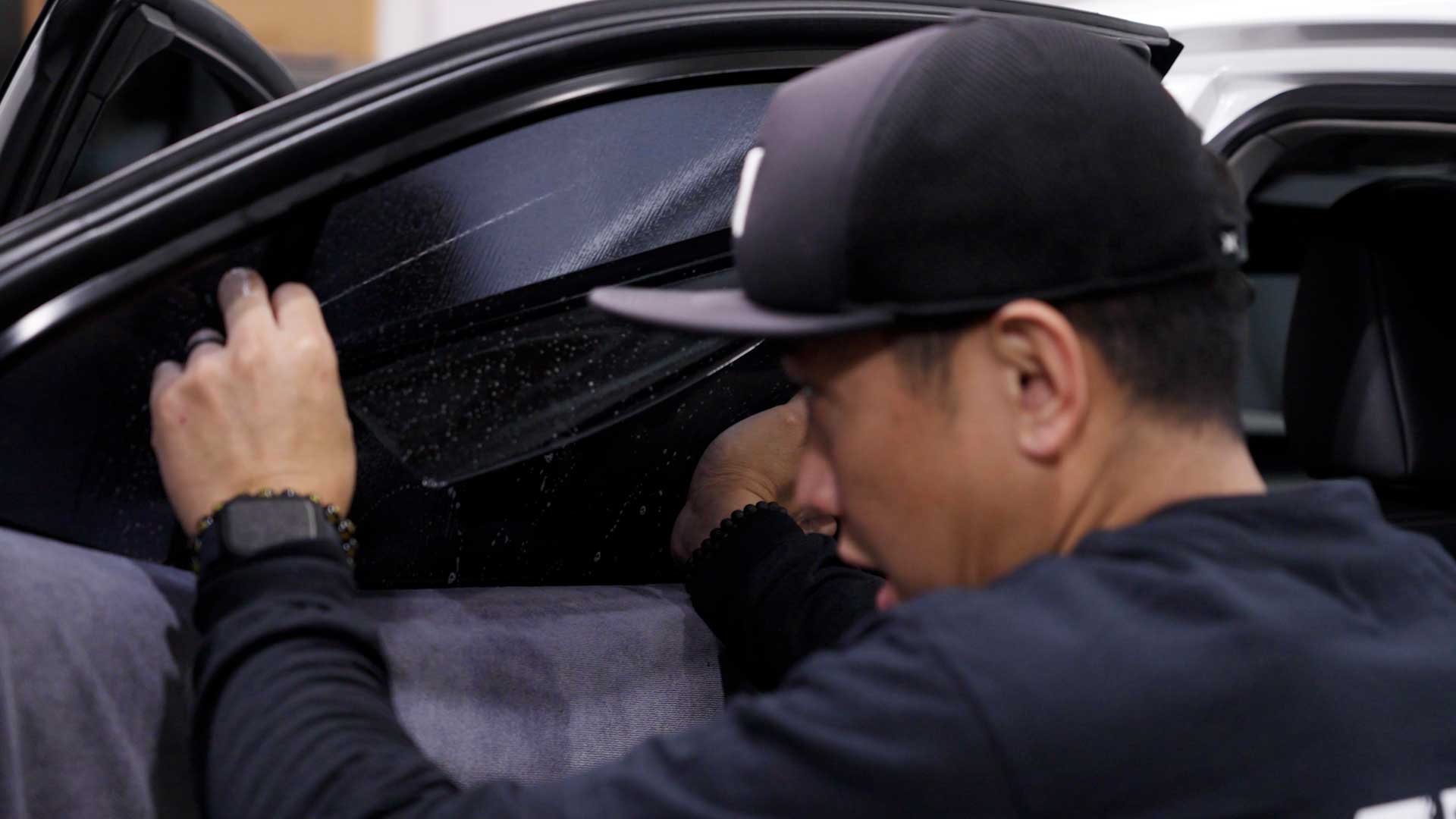
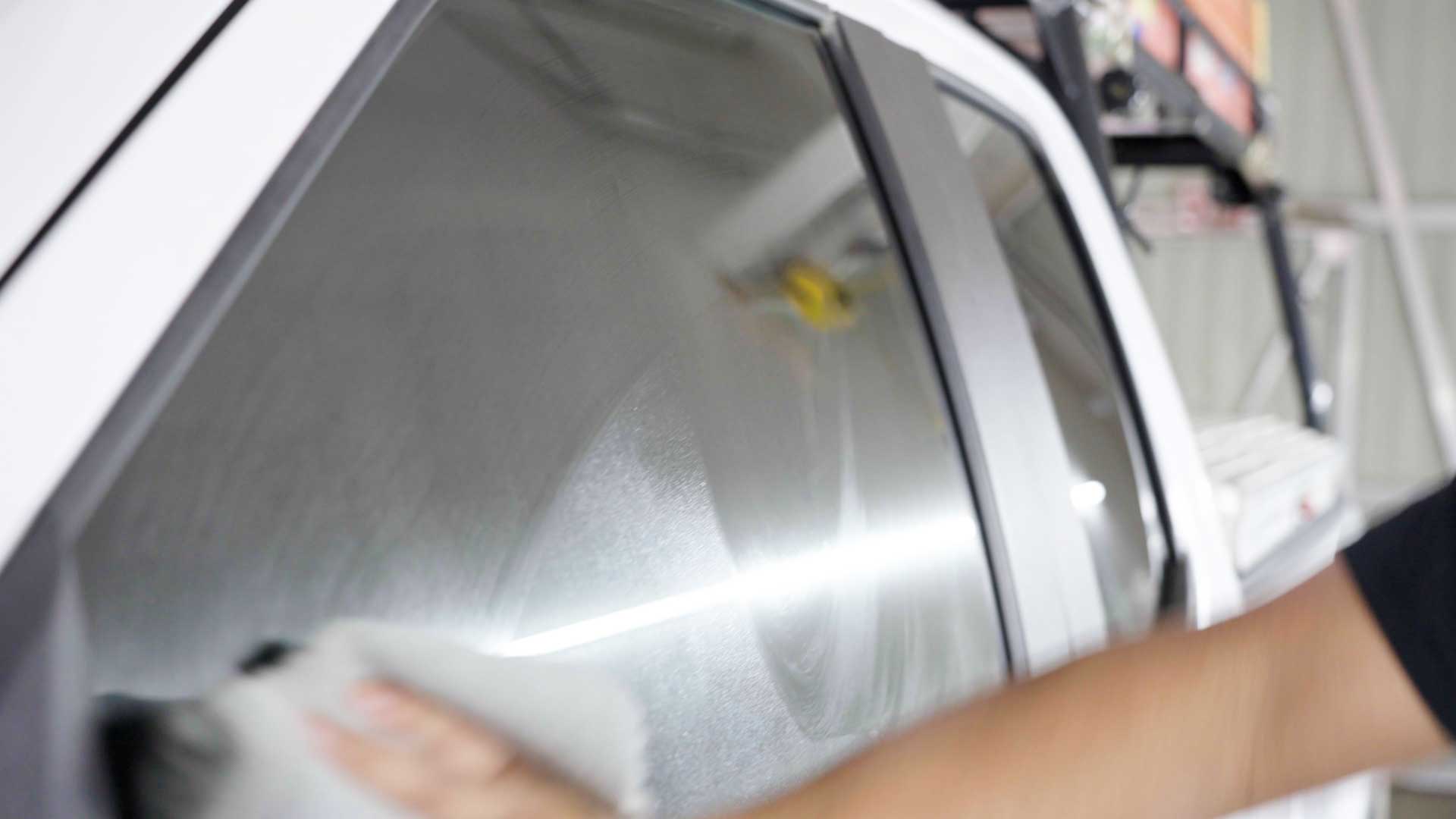
Kepler Dealer Installing Automotive Window Tint

How the Film Is Built

The ceramic layer does the heat work, the Ultra Bond adhesive holds the film flat to the glass, and the Scratch Guard+ coat takes the wear from window seals and cleaning. There is no metal anywhere in it, which is why the surface stays flat rather than mirrored and why your phone, GPS and keyless entry carry on as normal.

1. Glass
2. Ultra Bond Adhesive
3. UV Absorber
4. Tinted Film
5. Laminating Adhesive
6. Nano-Ceramic (IR) Layer
7. Scratch Resistant Coating

The Published Specifications Behind Every Kepler Shade

Up to

98%

Infrared Rejection

Up to

99%

UV Protection

Up to

96%

Glare Reduction

Review

Warranty terms

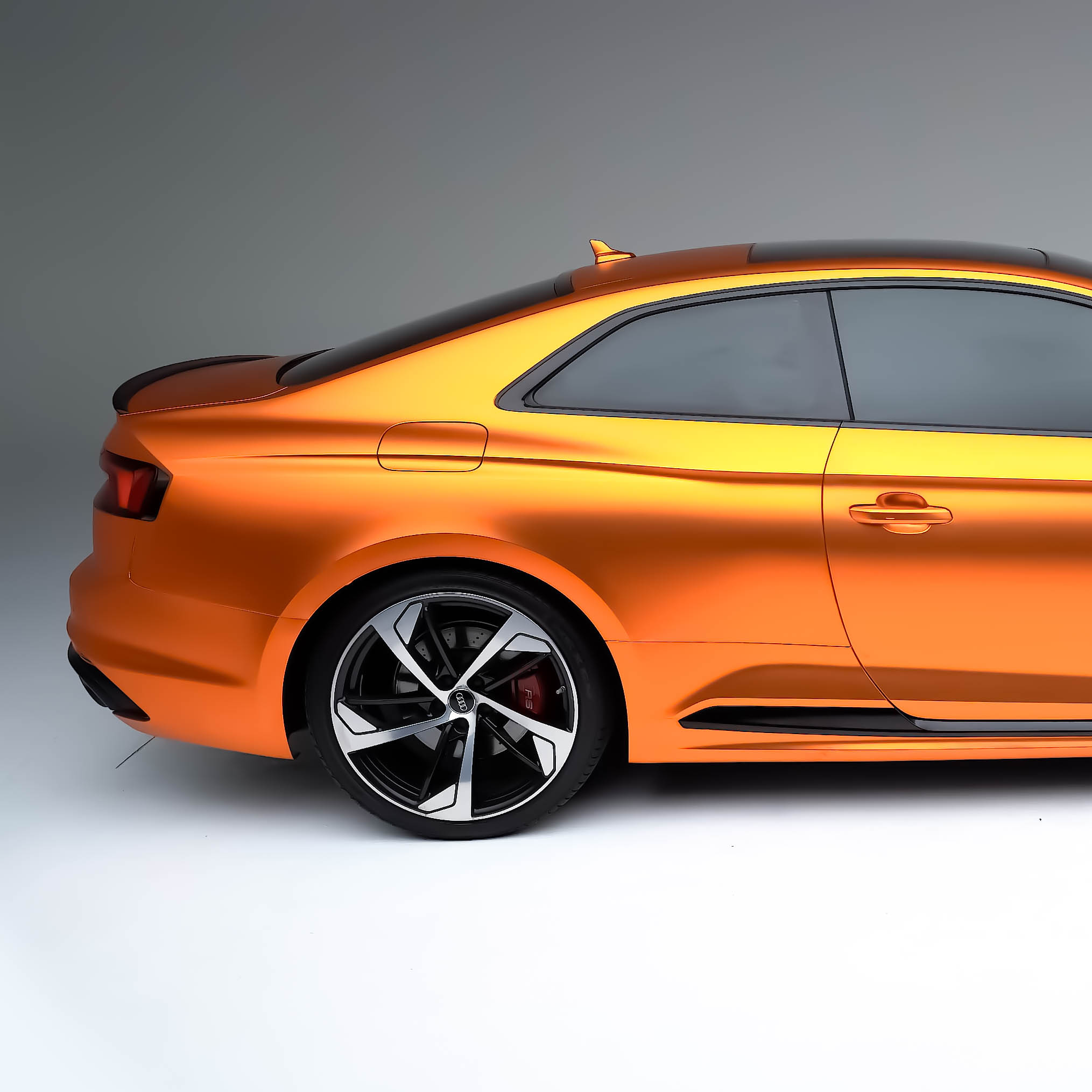
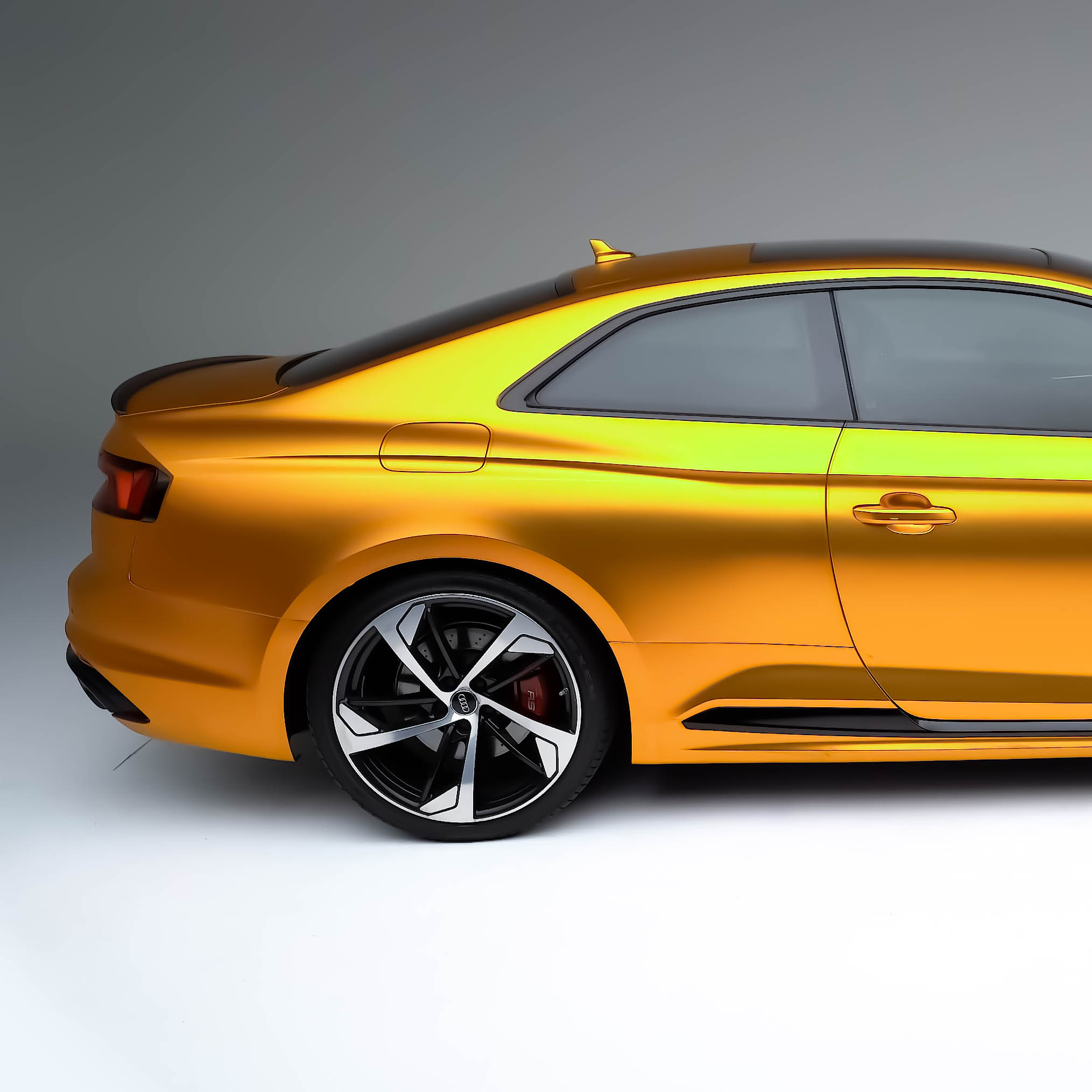
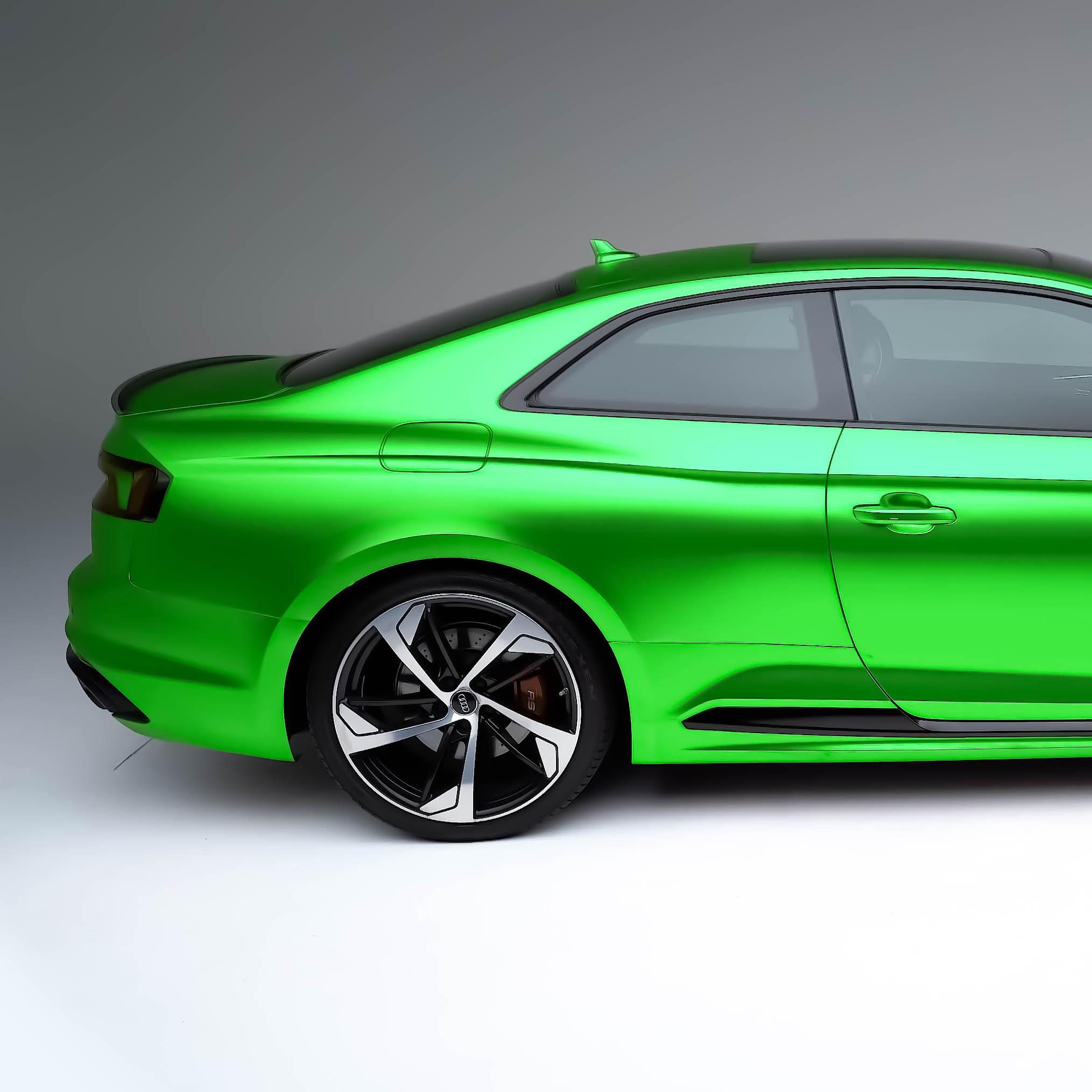
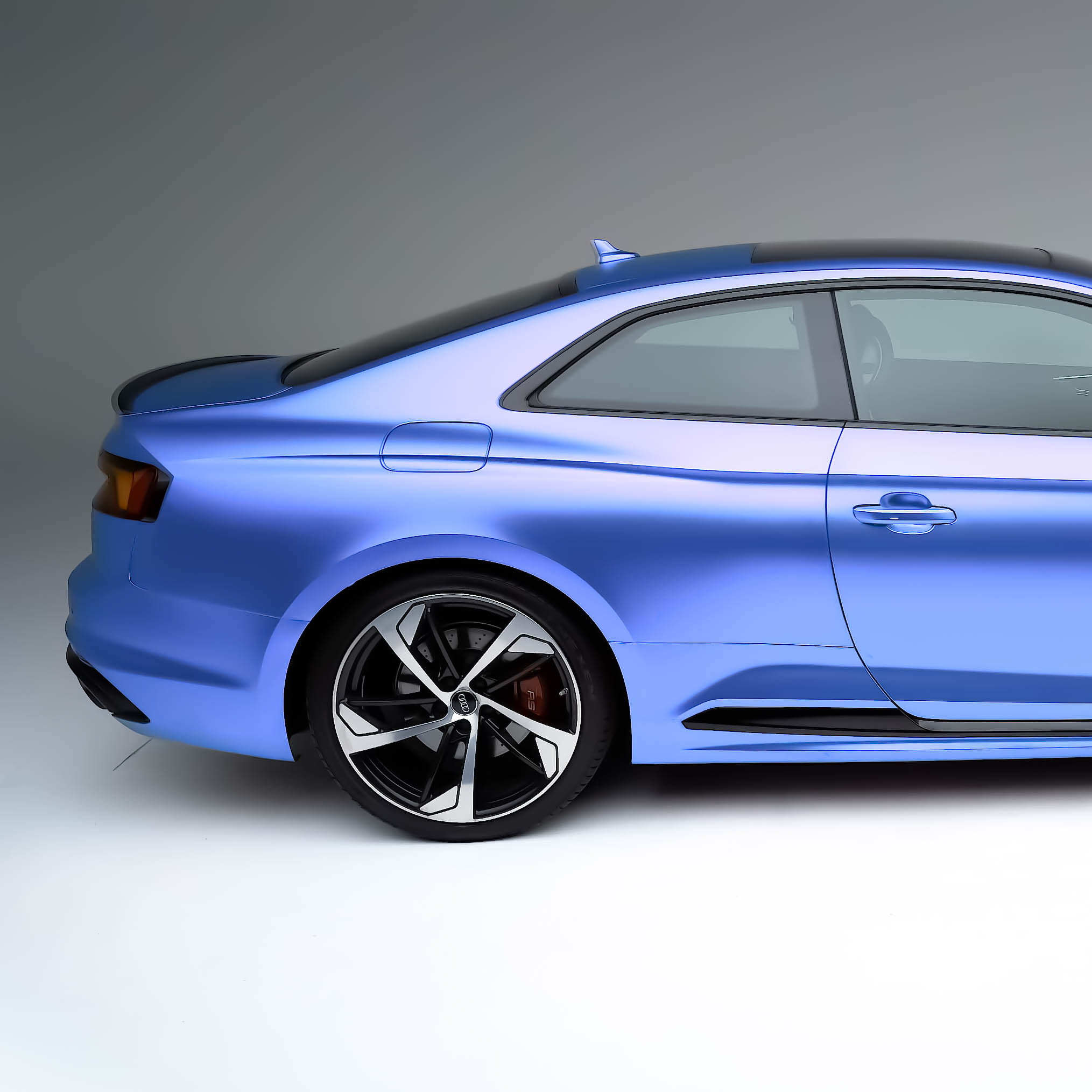
Automotive window film shade preview

Nebula 04%

Nebula is the darkest film Kepler makes. What is on your back seat stays your business, and in Wisconsin that depth belongs behind the driver.

Automotive window film shade preview — side view

Not sure which shade to choose?

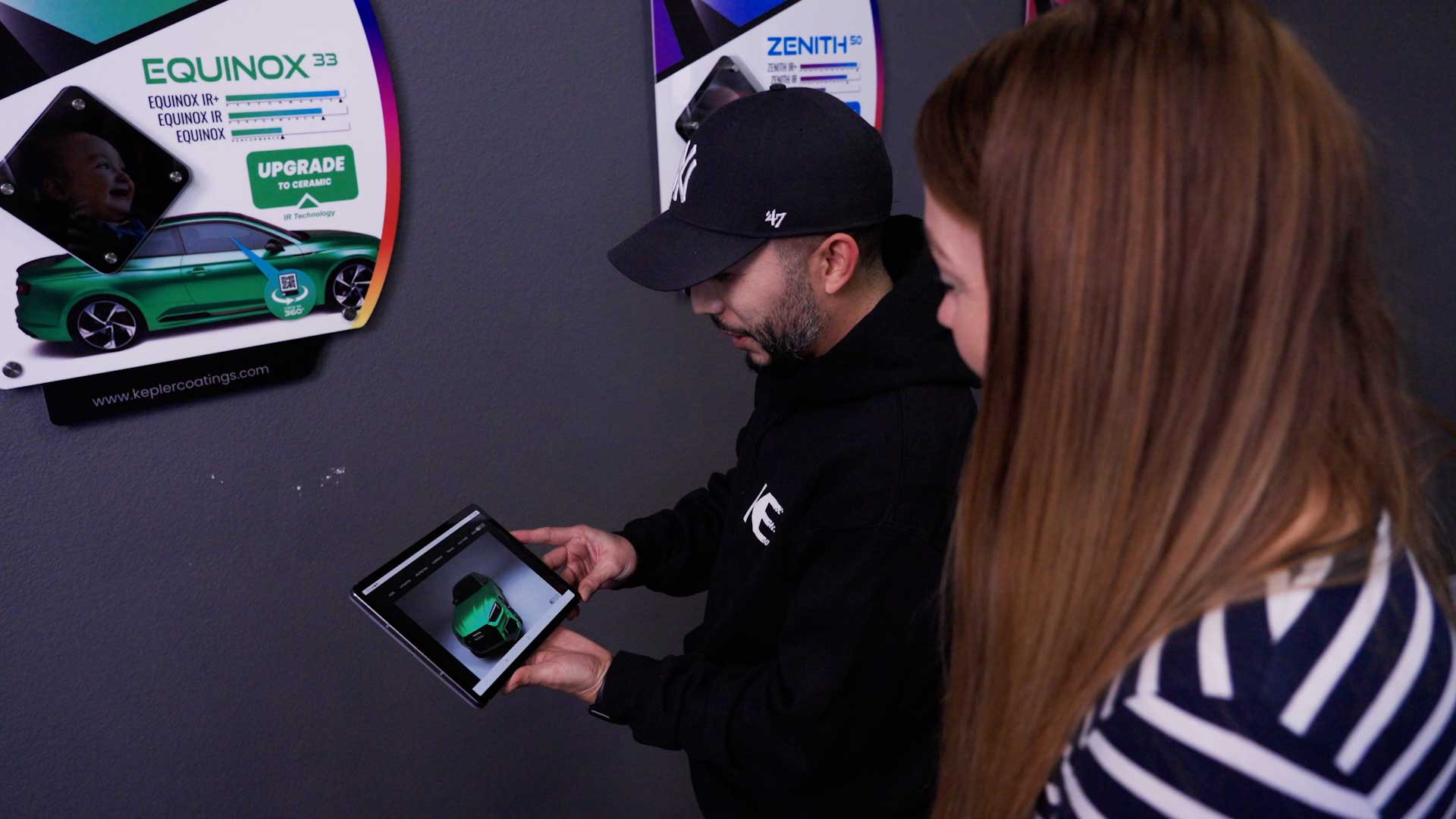
Every shade has a 360 view, so you can see how it sits on a car before you commit to it rather than guessing from a percentage. Take a look at the shades.

What Happens Next

Pick your make and model for an idea of the cost, then send the details through and an independent local tinter confirms the film, the scope and the final price with you.

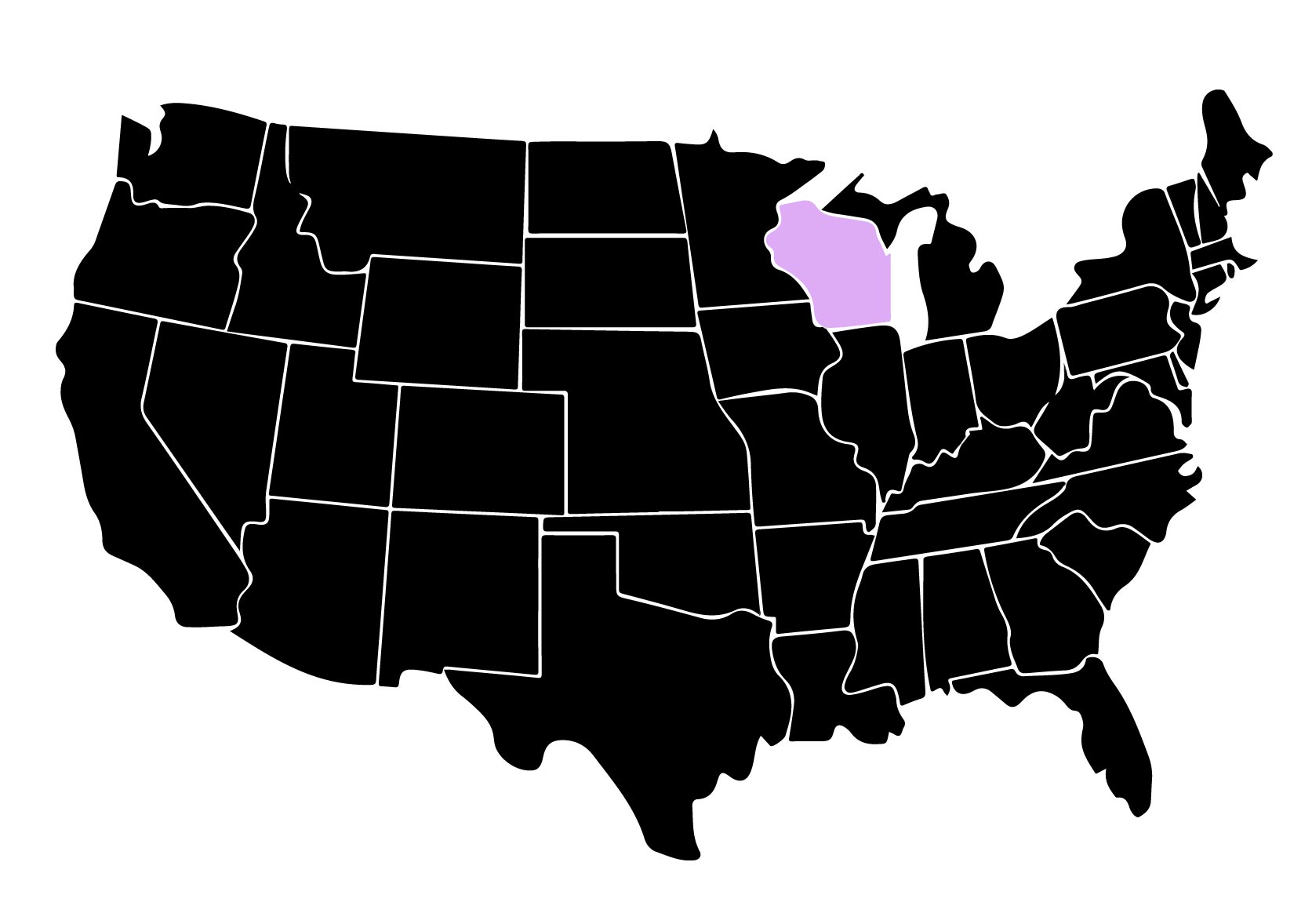
Wisconsin area guide map

Find a Local Tinter

Wisconsin Car Window Tinting City Guides

Why Choose Kepler Film

Talk to a Kepler Dealer

Tell us the car and the shade you are thinking about, and it goes straight to an independent local tinter. They will talk you through the film, what the job involves and what it costs.
Wisconsin, United States
Visit our social media accounts up top

Car window tinting in Wisconsin, answered.

Car Window Tinting with Kepler Film

Kepler makes a nano-ceramic car film in five shades, from the near-black Nebula to an almost clear Photon, and every one of them keeps the sun off your dashboard and your arm. How dark you go is the part Wisconsin has a view on: 50% or lighter across the front, and darker allowed behind the driver. Tell us the car and the shade you like the look of, and we will introduce you to an independent local tinter.