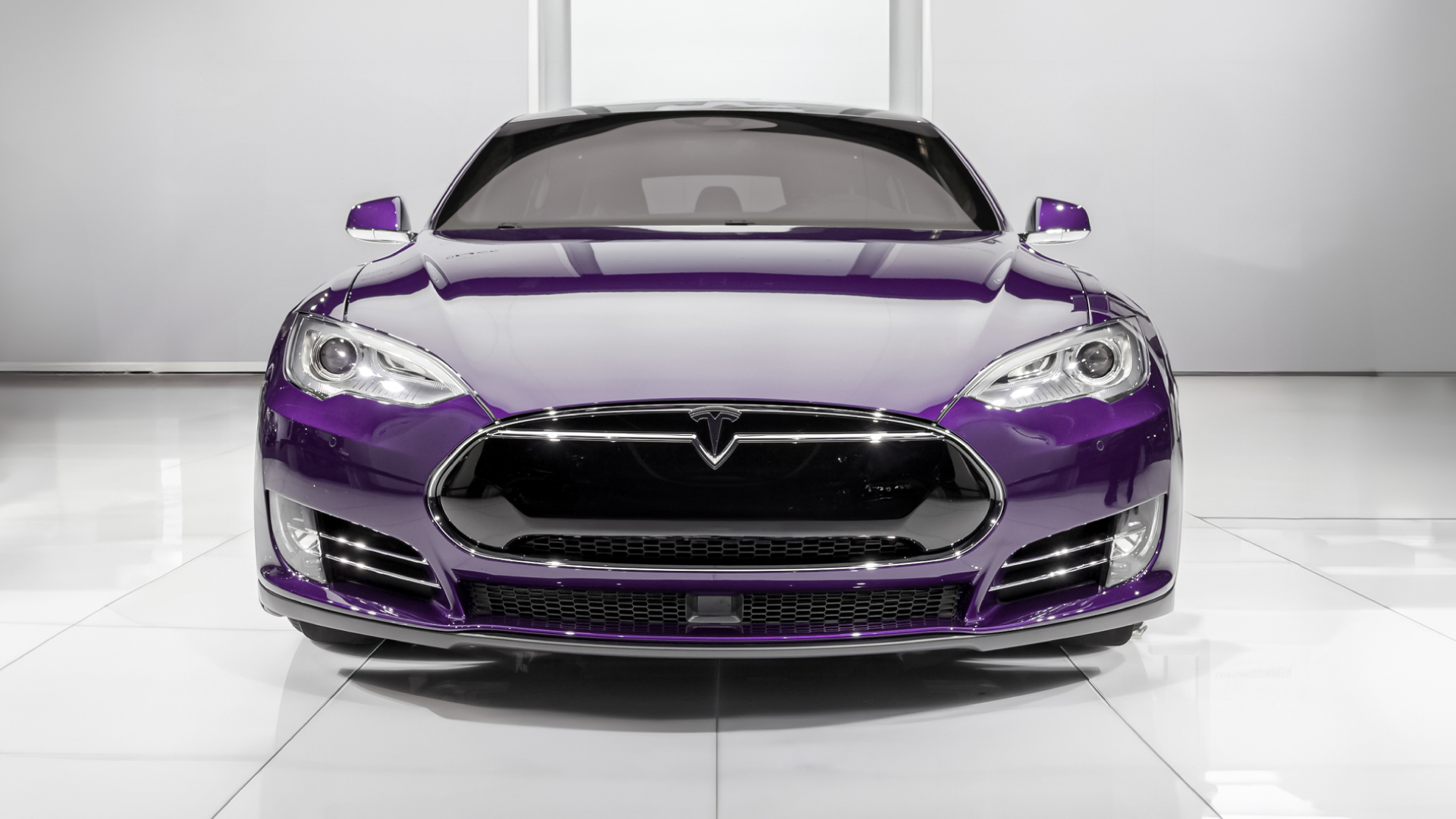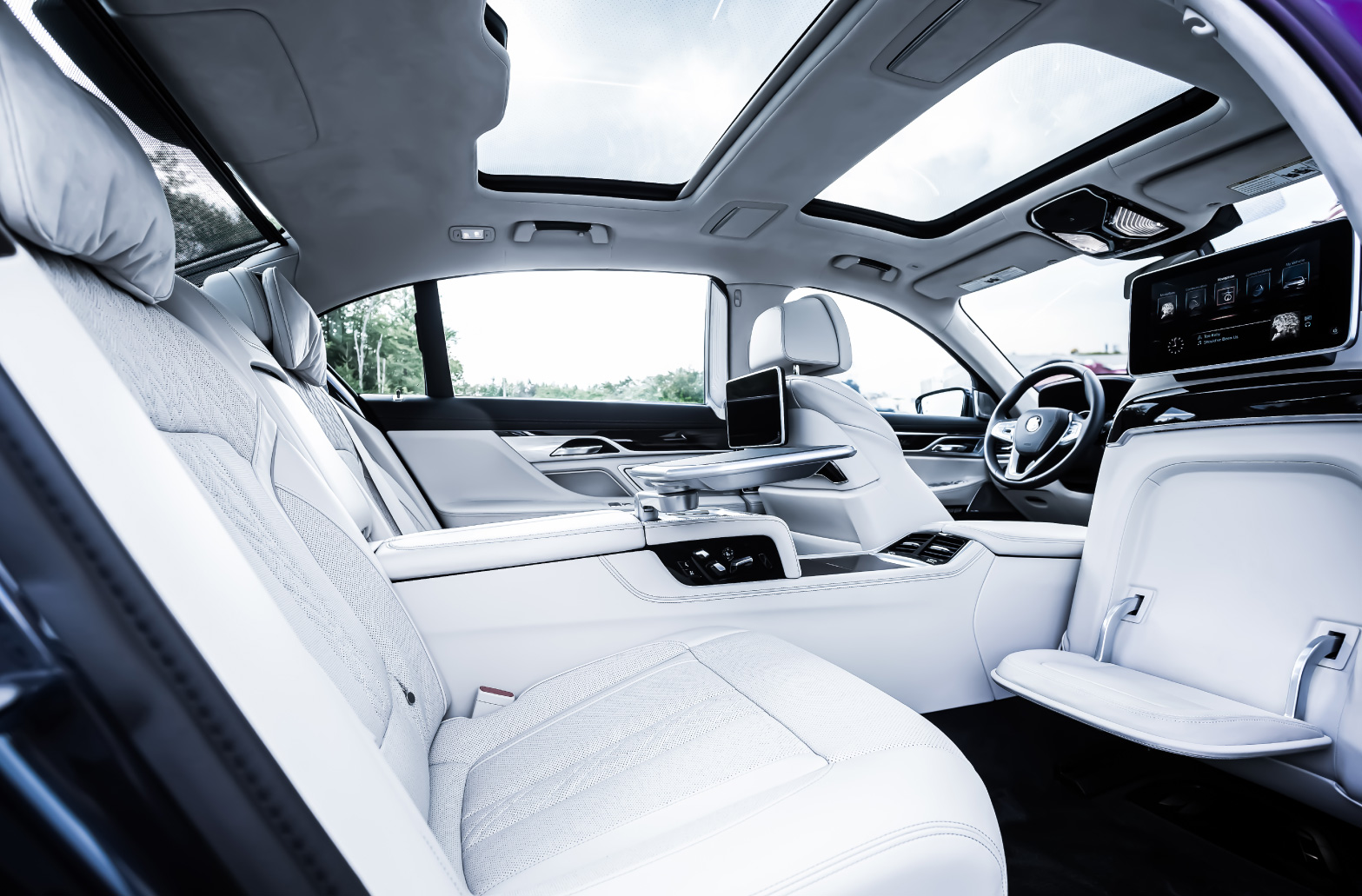

Luxury vehicle interior with Kepler ceramic window tint
Kepler logoWisconsin

Ceramic Window Tinting in Wisconsin

Explore Wisconsin

Ceramic Film for Wisconsin Drivers

In July a parked car turns into an oven, and it's infrared heat doing it. Kepler's ceramic films turn away up to 98% of that, with no metal in them to mirror your glass or interfere with your phone. In Wisconsin they earn their keep in February too, when the low sun comes straight off the snow.

Brand logoTeslaNASA
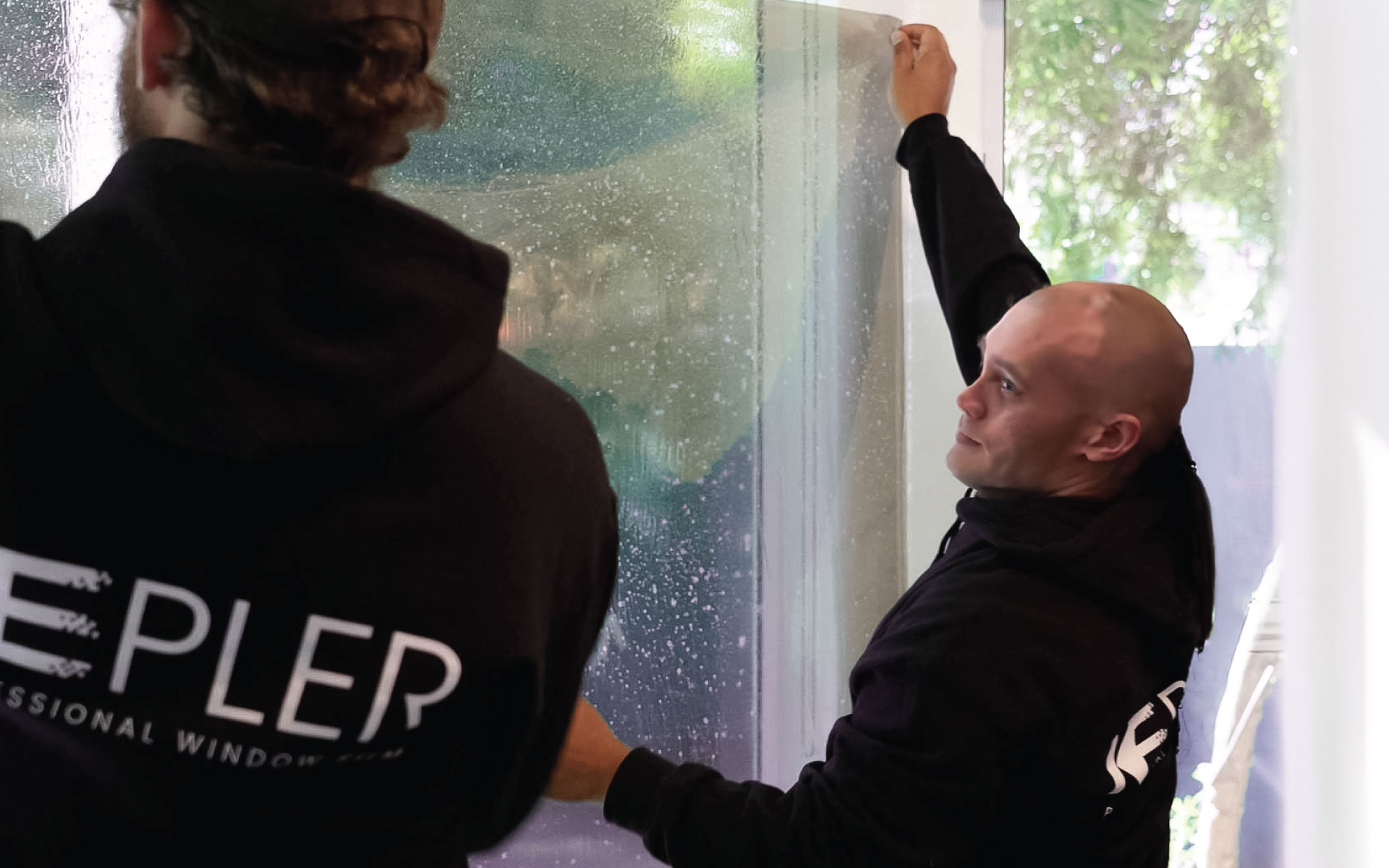
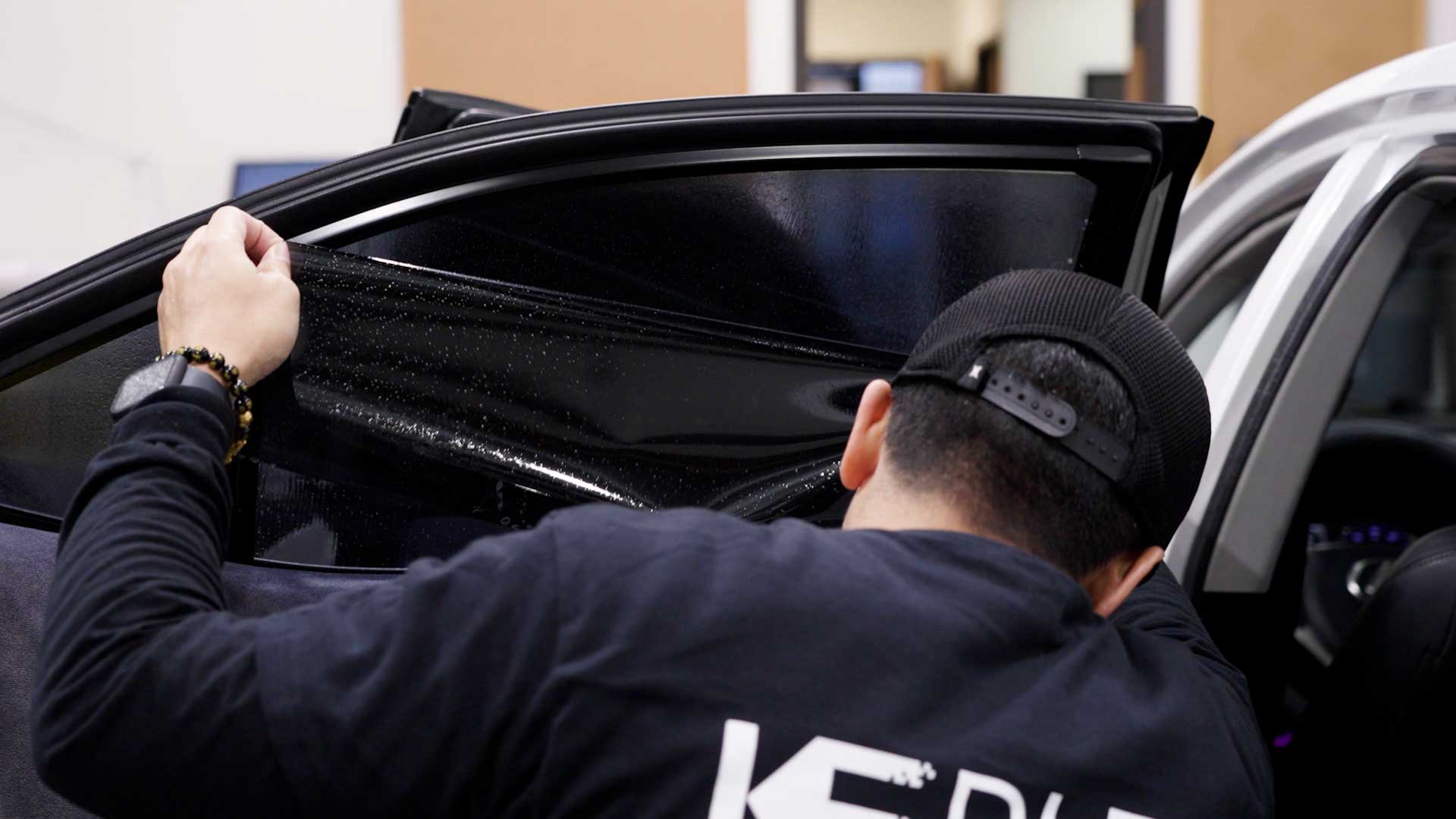
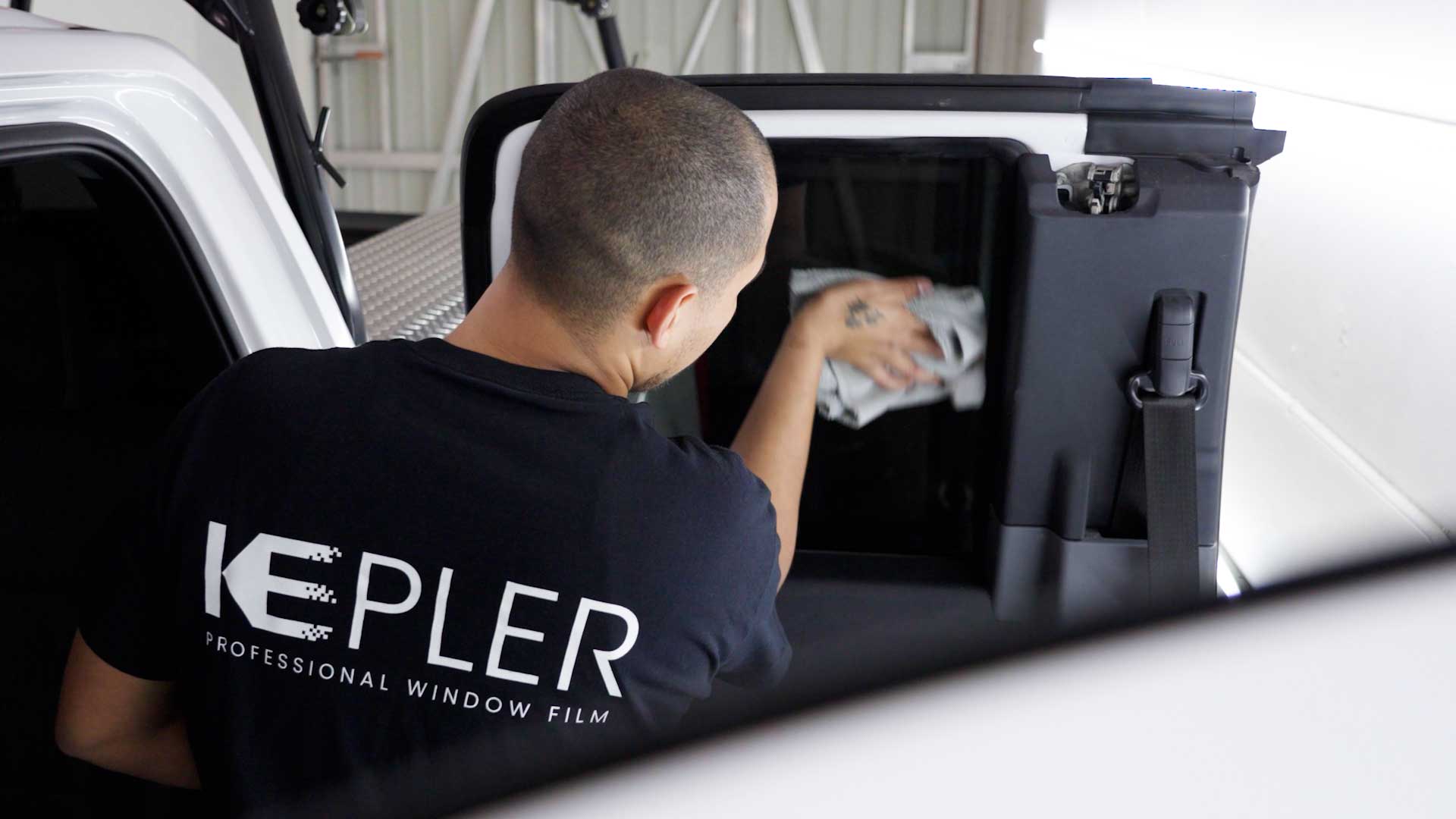
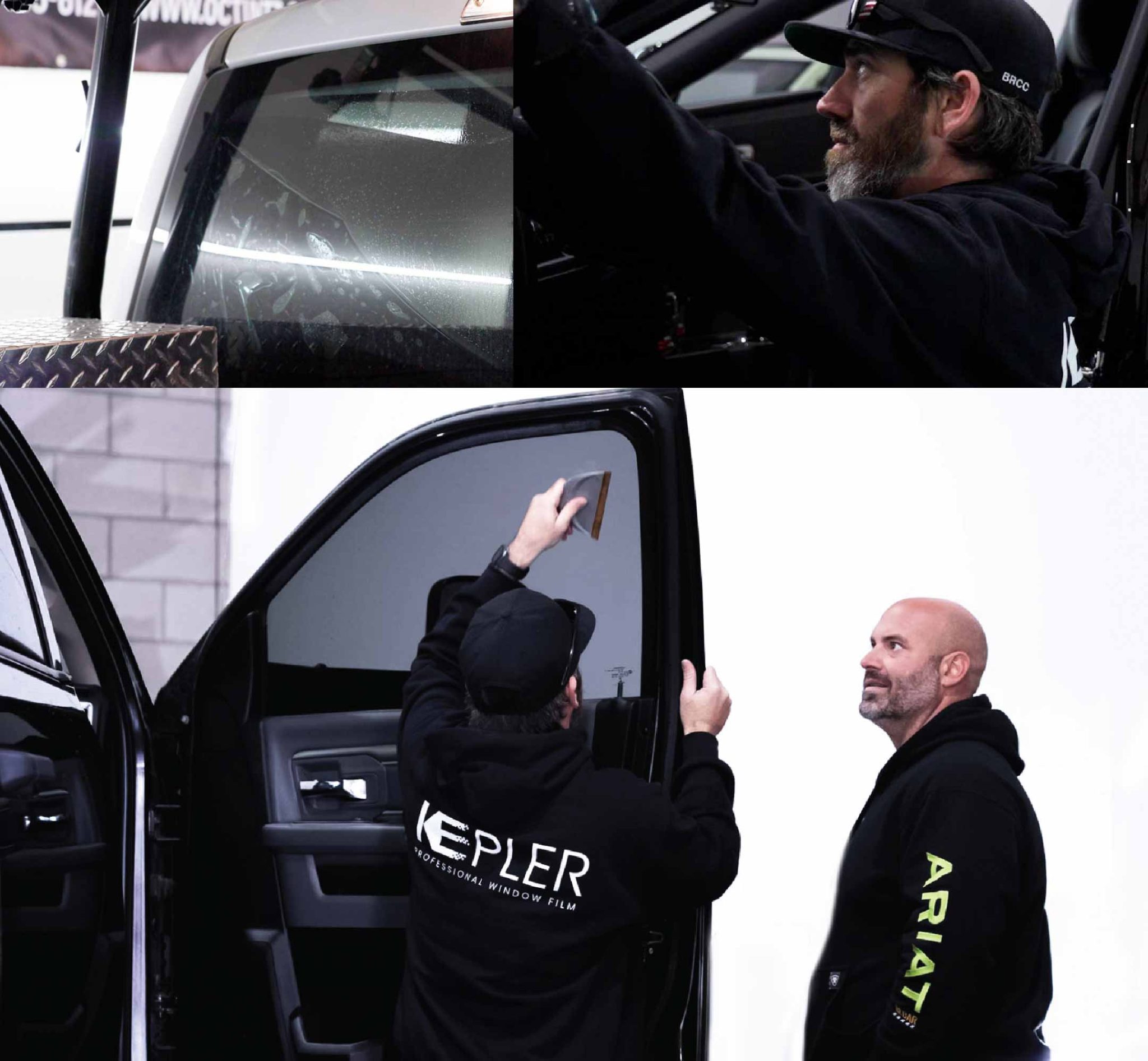
Ceramic Window Tinting Specialist Working

One Film, Every Job

Your glass has to do several jobs at once - keep the heat out, keep ultraviolet off your dashboard, take the glare off a low sun, and still be legal in Wisconsin. Kepler publishes a measured figure for each of those, on every shade, so you and your dealer are choosing on more than how it looks.

What the Film Changes

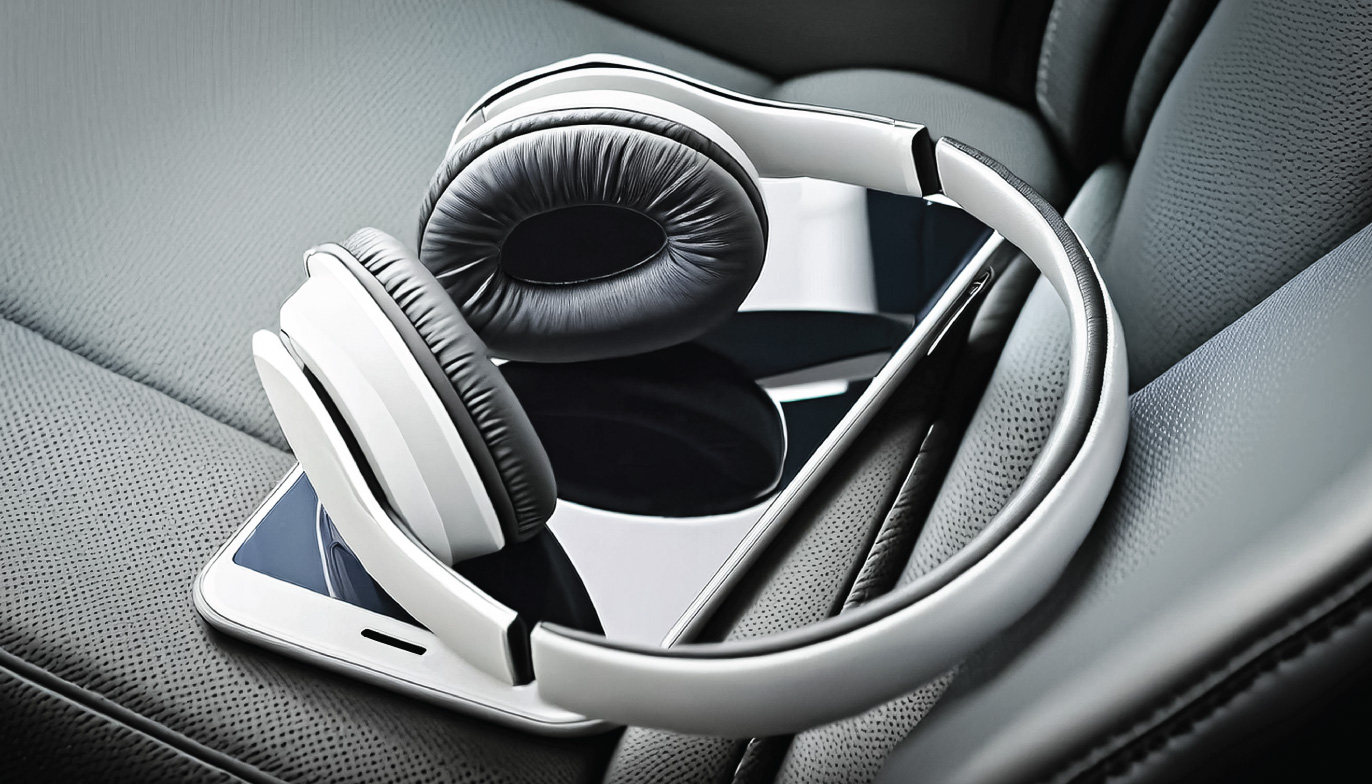
Less On Show

A darker shade keeps whatever's on your seats out of view from the pavement. It's tint, not security glass.

Headphones-On-Seat
Discretion

Ceramic Technology

How Kepler's Ceramic Layer Works

Kepler IR and IR+ are metal-free films built around a nano-ceramic layer, and that layer is what does the heat work: IR turns away 81% of the infrared, IR+ up to 98%. Both stop more than 99% of the ultraviolet, on every shade in the range.

Reading the Numbers Properly

Two heat numbers get quoted: infrared heat blocking covers one band of sunlight, total solar energy rejected covers all of it. Ask your dealer for both.

How does Kepler's IR Ceramic tinting technology work?

Ceramic film has microscopic ceramic particles held in a clear layer inside it. They turn infrared heat back before it reaches you, so even a light shade keeps the car cooler.
Six Film Layers Over Your Glass

Six layers go onto your glass: Kepler's Ultra Bond adhesive, a UV absorber, the tinted film, a laminating adhesive, the nano-ceramic layer that handles the heat, and a Scratch Guard+ coat on top. The ceramic does the work; the rest is what keeps it flat, clear and stuck down.

1. Glass
2. Ultra Bond Adhesive
3. UV Absorber
4. Tinted Film
5. Laminating Adhesive
6. Nano-Ceramic (IR) Layer
7. Scratch Resistant Coating

Ceramic Options

Kepler IR or Kepler IR+

Both are metal-free, both stop more than 99% of the ultraviolet, and both are covered against manufacturing defects for as long as you own the car. The difference is heat: IR turns away 81% of the infrared, IR+ up to 98%.

Option 01

Kepler IR

The ceramic step up from dyed film: 81% of the infrared heat kept out, and a non-reflective finish that looks factory.

Up to

81%

Heat Reduction

Up to

99%

UV Protection

Up to

96%

Glare Reduction

Review

Warranty terms

Option 02

Kepler IR+

The most Kepler's ceramic can do: up to 98% of the infrared heat kept out, on every shade in the range.

Up to

98%

Heat Reduction

Up to

99%

UV Protection

Up to

96%

Glare Reduction

Review

Warranty terms

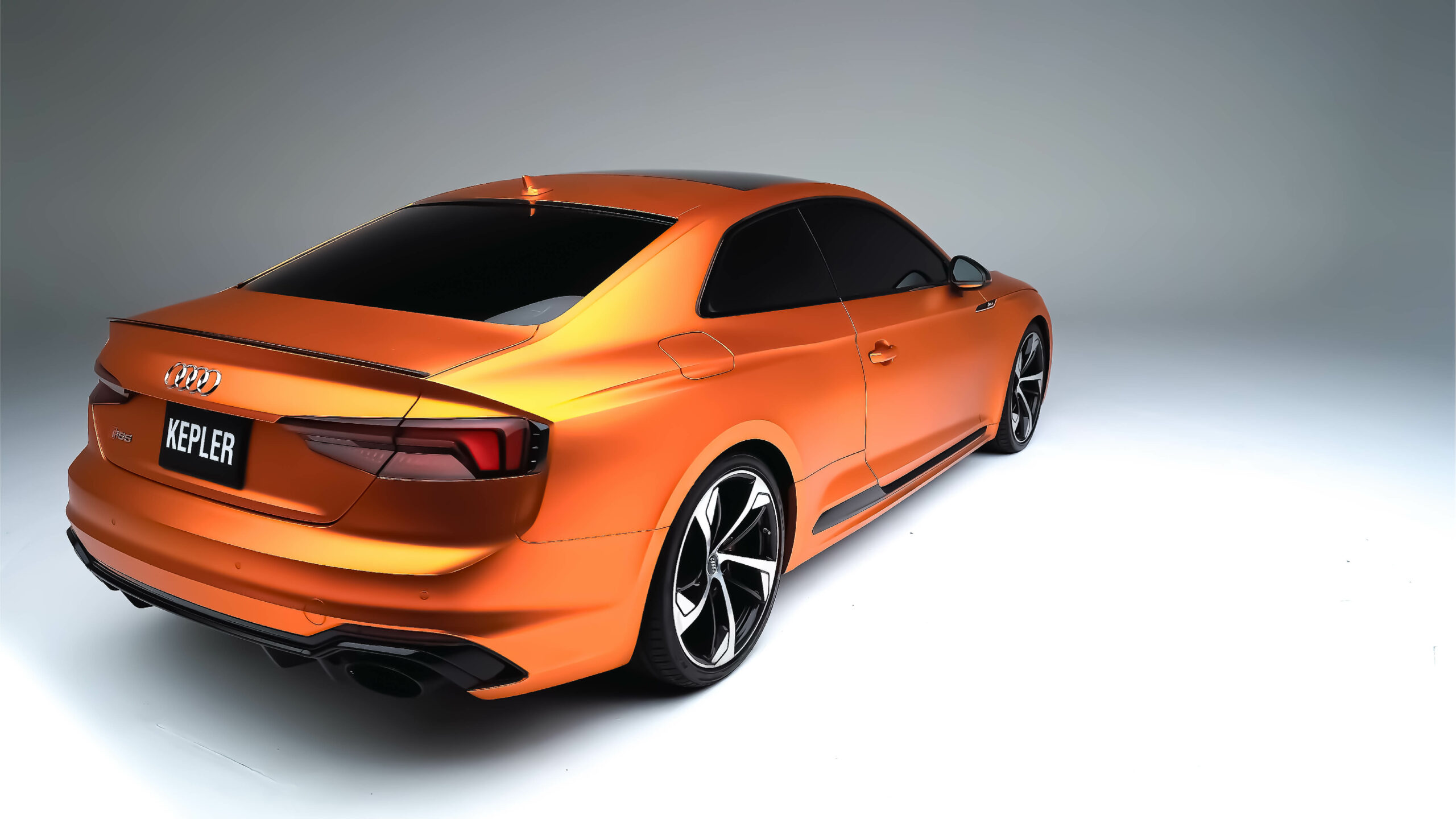
Automotive window film shade preview

Nebula 04%

The darkest shade Kepler makes: from outside your cabin reads as a dark panel. Check this one with your dealer first.

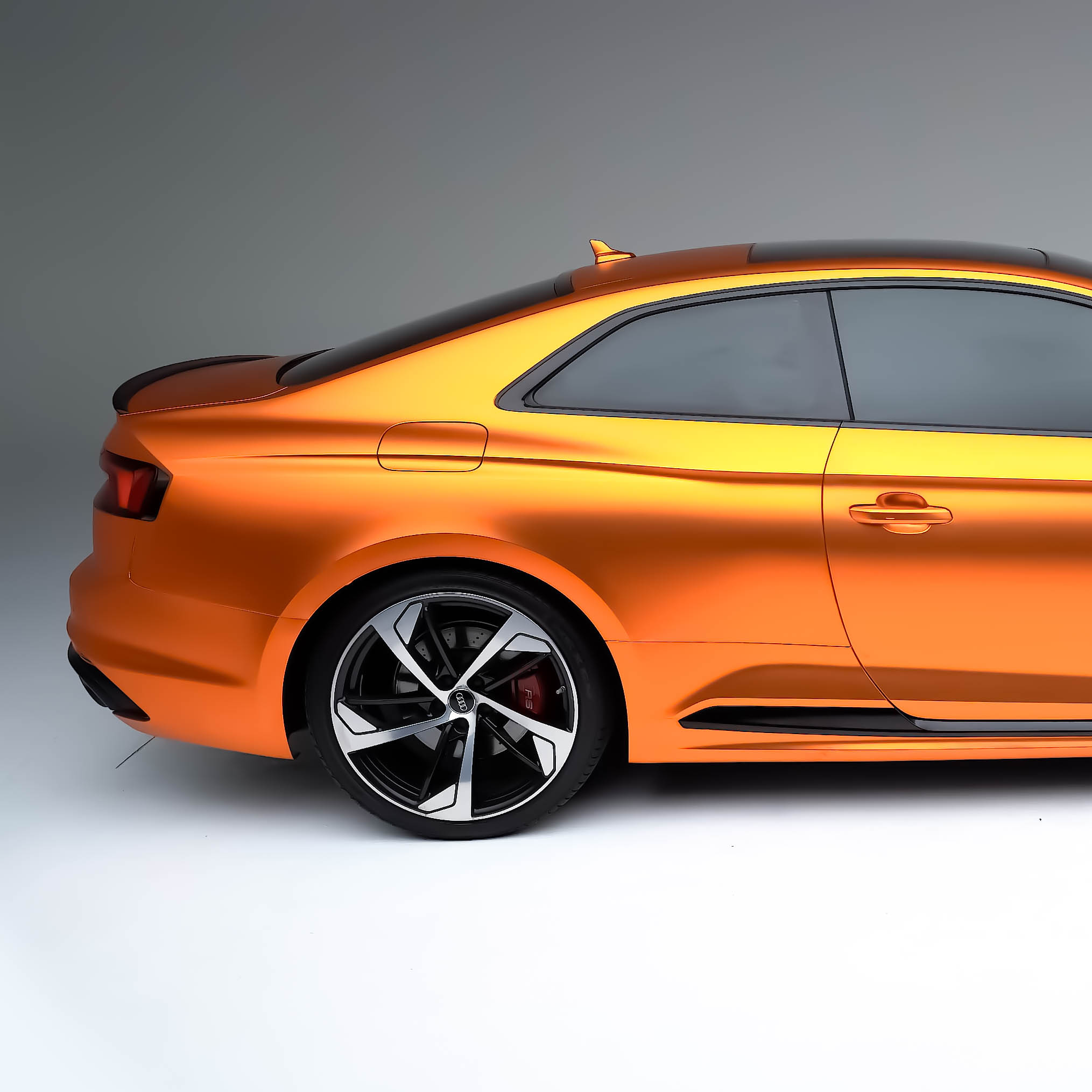
Automotive window film shade preview — side view

Not Sure Which Shade to Pick?

Every shade in the range sits in Kepler's 360 viewer, so you can turn a car and see what each one actually does before you commit. View them in the Kepler Experience.

Getting a Price

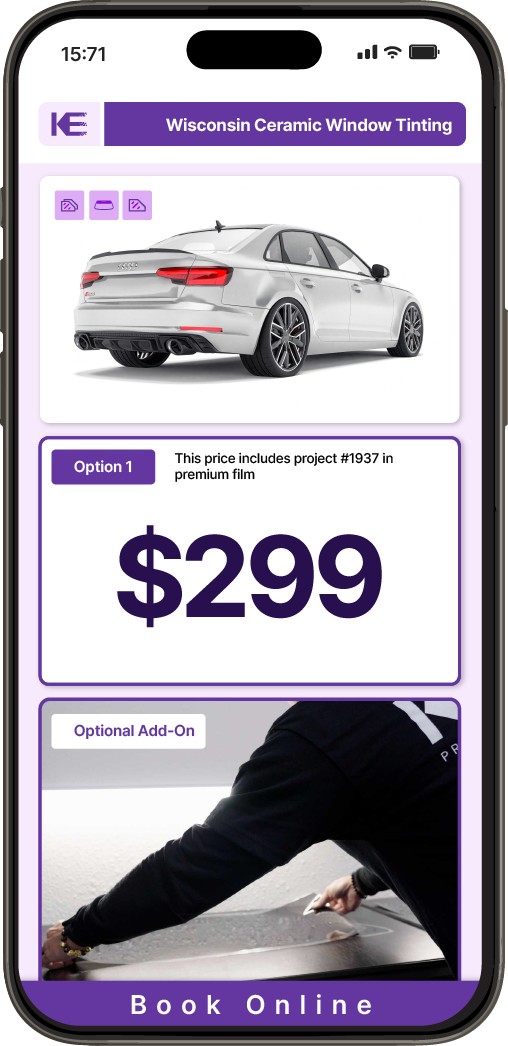
A rough figure first, then a real one. The pricing screen gives you a ballpark for ceramic film on your car in a few clicks, and the dealer it puts you in touch with confirms the price for the actual job.

Why Kepler Ceramic Film

Talk to a Kepler Dealer in Wisconsin

Kepler makes the film; an independent Kepler dealer fits it. Send your vehicle details through the quote form and the nearest one picks it up, talks you through the range and shade that suit the car, and quotes the work.
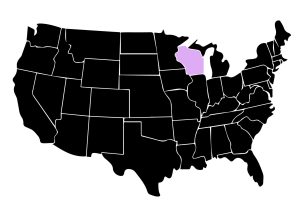
Wisconsin, United States
Follow Kepler

Ceramic Window Tinting in Wisconsin: Common Questions